Car Won’t Jump Start? Causes and How to Fix It

You turned the key, got nothing, hooked up the cables, and you're still staring at a dead dashboard. If your car won't jump start, the good news is the fix is usually simple once you know what the car is trying to tell you. Most failed jumps come down to a bad connection or a wrong assumption, not a ruined engine.
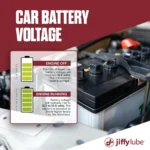
A healthy 12V car battery reads about 12.6 volts at rest, and it slides below 12.0 volts when it's badly drained. As of 2026, most lead-acid batteries still last only three to five years, so age matters more than people think. Let's start by reading exactly what your car does when you turn the key.
Quick Answer
If your car won't jump start, check the symptom first. A single click points to the starter or a loose connection. Rapid clicking means the battery is too flat to crank.
Total silence suggests a bad ground or a safety switch. Clean the terminals, fix your cable order, and let the donor car feed charge for five minutes.
Why Your Car Won't Jump Start (And Why It's Rarely the Battery Alone)
A jump start does one thing. It borrows power from a good battery to crank your engine. When that doesn't work, the power is either not flowing or the problem was never the battery.
Think of it as a chain. You've got the donor battery, the cables, the clamps, your terminals, the ground path, and finally the starter. A weak link anywhere breaks the whole thing.
People blame the battery because it's the obvious suspect, but a rusty clamp stops current just as dead.
Here's the part most guides skip. A jump start only helps a car with a flat battery. If your real issue is a dead starter, a blown fusible link, or a bad ground, you can hook up cables all day and get nowhere.
That's why reading the symptom first saves you time and a wasted tow.
Voltage tells the story fast. If you've got a meter, a reading that sinks the moment you crank usually means a tired battery or loose connection. No meter handy?
You can still judge a battery by feel and behavior using the symptom clues below.
First, Read What Your Car Is Actually Doing
Before you touch a cable, turn the key and listen. The sound your car makes is the single best clue you'll get. Each symptom points to a different fix, so match yours to the branches below.
One Loud Click When You Turn the Key
A single sharp click usually means the starter solenoid got power but couldn't spin the engine. That points to a weak battery, a loose connection, or a failing starter. Try the jump first.
If it fires up after a solid connection, you had a charge problem.
If it still just clicks once after a clean jump, suspect the starter itself. Tapping the starter gently with a tool while someone cranks can sometimes free a stuck one, at least long enough to drive to a shop.
Rapid Clicking or Chattering
Fast machine-gun clicking means there's some power, but not enough to crank. The solenoid keeps engaging and collapsing because voltage drops too low. This is classic for a deeply flat battery.
Good news: this is exactly what a jump start fixes. Connect the cables, let the donor car run a few minutes, and try again. If a reading of around 12.2 volts shows up, the battery is well down and needs real charge time before it'll crank.
Total Silence, No Click at All
Dead silence when you turn the key means no signal is reaching the starter. This isn't always the battery. Common causes are a broken ground connection, an engaged immobilizer, or a safety switch that thinks the car isn't in Park.
Check the simple stuff first. Is the car fully in Park? For a manual, is the clutch pressed to the floor?
If a jump brings zero change and the dash stays dark, you may be looking at a wiring or ground fault, not a charge problem.
Dash Lights Die the Instant You Turn the Key
If your dashboard glows, then goes dark the second you turn to start, that's a resistance problem. The connection can hold a small load but collapses under the big draw of cranking. Corroded or loose terminals cause this constantly.
This one is fixable in your driveway most of the time. Clean the terminals, tighten the clamps, and try again. A battery showing 12 volts that still won't crank very often traces back to exactly this.
Car Starts, Then Dies Seconds Later
If the engine catches during the jump but quits the moment you pull the cables, the battery isn't holding and the alternator isn't picking up the slack. Either the battery is too far gone to store charge, or the alternator has failed.
Sort out which one before you spend money. A quick voltage test with the engine running answers it. If you're unsure, this walkthrough on telling the battery from the alternator makes the call clear.
The Fast Fixes to Try Before Anything Else
Most "won't jump" problems die right here, at the connection. Before you assume the worst, work through these three quick fixes. They take five minutes and solve the majority of cases.

Clean and Re-Seat Those Battery Connections
Corrosion is the silent killer of jump starts. That white, blue, or green crust on your terminals blocks current like a wall. Even a light film is enough to stop a crank.
- Twist each clamp by hand. If it wiggles, it's too loose to carry cranking current.
- Scrape off crust with a wire brush, or a stiff brush and a little baking soda paste.
- Wipe the posts clean, then reattach the clamps good and tight.
- Make sure the metal of the clamp touches the metal of the post, not old grease.
Check Your Cable Order and Clamp Contact
Cable order matters for safety and for a solid connection. Get it wrong and you'll get weak contact or a nasty spark. Follow this sequence every time.
- Red clamp to the dead battery's positive (+) post.
- Red clamp to the donor battery's positive (+) post.
- Black clamp to the donor battery's negative (−) post.
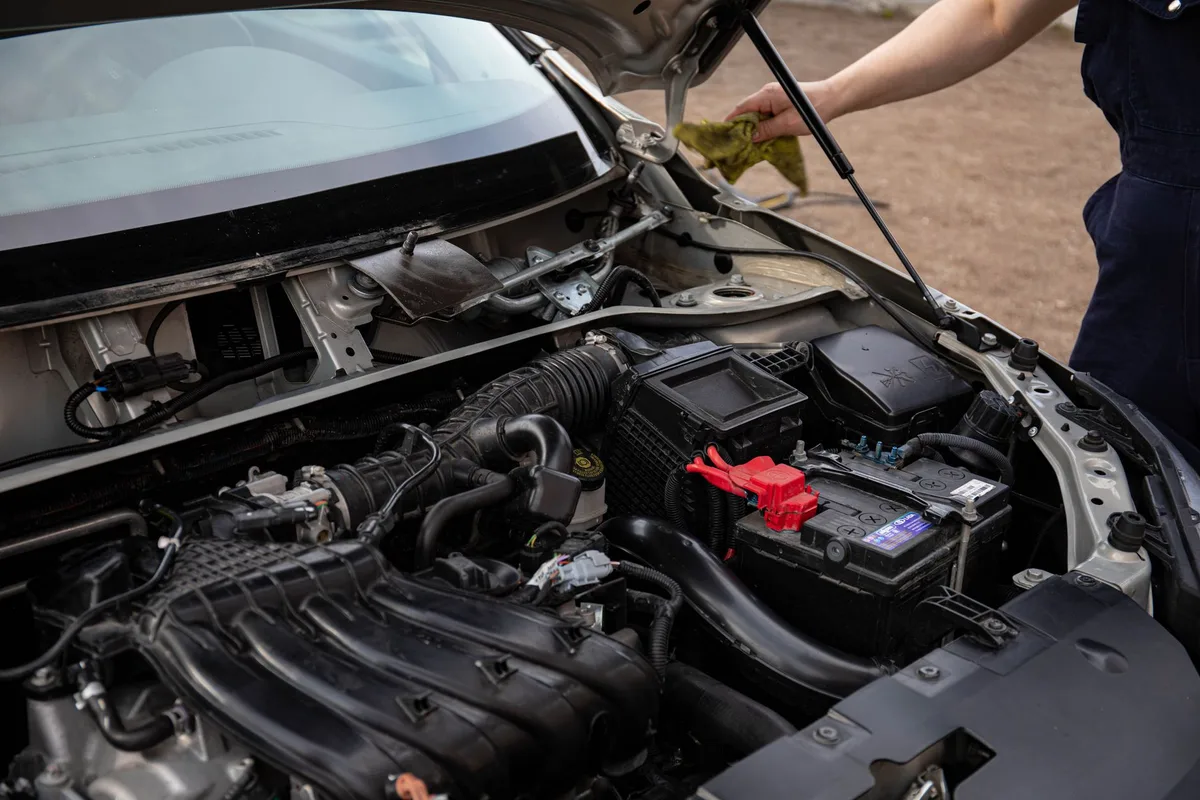
- Black clamp to bare, unpainted metal on the dead car, away from the battery.
That last black clamp goes to the engine block or a metal bracket, not the dead battery. It grounds the circuit and keeps sparks away from battery gases. If the clamp sits on paint or rust, you get no connection, so hunt for shiny bare metal.
Give the Donor Car Time to Feed Charge
Impatience kills more jumps than anything else. A truly flat battery needs a few minutes of charge before it can crank. Rushing it just gives you more rapid clicking.
Start the donor car and let it idle. Give it two to five minutes, and lightly rev the donor engine to push voltage up a touch. Then try starting the dead car.
If it cranks slowly at first, that's normal, keep the cables on and let it run.
Jumper Cables vs. Portable Jump Starter vs. Bump Start
You've got three real ways to get a dead car going, and each suits a different situation. The right pick depends on what you've got on hand and whether anyone can help.

Here's how they stack up side by side.
| Method | Best for | What you need | Watch out for |
|---|---|---|---|
| Jumper cables | A dead battery with a second car nearby | Heavy cables (4 to 8 AWG) and a donor vehicle | Wrong cable order, weak donor battery |
| Portable jump starter | Going it alone with no helper | A charged lithium jump pack (800A+) | Pack must be pre-charged before you need it |
| Bump start | Manual cars on a slope or with pushers | A manual transmission and some momentum | Won't work on automatics, needs space |
A few notes to guide your pick:
- Jumper cables are cheap and reliable, but you're stuck waiting for a Good Samaritan or a friend.
- A portable lithium jump starter is the smart backup. It sits in your trunk and works solo, no second car needed. Just keep it charged.
- Bump starting works only on manual transmissions. You get the car rolling, pop it into second gear, and release the clutch. Automatics can't do this, so don't try.
For most drivers, a jump pack is the freedom option. It turns a stranded morning into a two-minute fix without flagging anyone down.
Hidden Culprits People Always Miss
Sometimes you do everything right and the car still won't go. That's when one of these overlooked gremlins is at play. Run through them before you give up.
Car in Drive, Clutch Not Pressed, or Immobilizer On
Modern cars refuse to crank unless the safety interlocks are happy. An automatic won't start out of Park or Neutral. A manual won't start unless the clutch is pressed all the way down.
- Shift firmly into Park, then try Neutral if Park does nothing.
- On a manual, push the clutch to the floor and hold it.
- If your dash shows a blinking key or lock symbol, the immobilizer may be blocking start. Lock and unlock with the key fob, or try your spare key.
These cost nothing to check and catch a surprising number of "dead" cars.
Bad Ground, Blown Fusible Link, or Frozen Battery
If you've got total silence and clean connections, look deeper. A corroded engine ground strap can cut off the whole circuit even with a full battery. The same dead-silent, zero-volt reading often traces to a broken ground or a blown fusible link near the battery.
Cold weather adds its own trap. Extreme cold saps a battery's available power, and a deeply discharged battery can actually freeze. Never jump a battery that looks bulged, cracked, or has ice inside.
It's a safety hazard, and it needs replacing, not reviving. If your winters are harsh, it's worth knowing how cold temperatures pull your numbers down so a slow crank doesn't catch you off guard.
Voltage Numbers That Tell You the Real Story
A cheap multimeter turns guesswork into a straight answer. Set it to 20V DC, touch red to positive and black to negative, and read the display. The number tells you where your battery really stands.

Here's what the resting voltage means, engine off:
| Resting voltage | State of charge | What it tells you |
|---|---|---|
| 12.6V or higher | 100% | Healthy and full |
| 12.4V | ~75% | Fine, slightly down |
| 12.2V | ~50% | Getting weak, recharge soon |
| 12.0V | ~25% | Nearly flat, hard to crank |
| Below 11.8V | Dead | Won't crank, needs charging |
Numbers near the top are reassuring, and a reading of 12.4 volts still counts as usable. Once you slip toward the 12.0-volt mark, you're basically dead and a jump is your only way to crank.
Now watch the meter while someone cranks. A healthy battery holds above 9.6V during a crank. If it nosedives below that, the battery can't deliver current and needs replacing.
If you're new to the meter, this quick primer on dialing in the 20V DC setting gets you reading in seconds.
Jump-Starting Mistakes That Damage Your Car or Hurt You
Some jump-start errors cost you nothing. Others fry electronics or spark a fire. These are the ones that actually do damage, so steer clear.
- Reversing the clamps (red to negative) can blow fuses and fry your car's computer.
- Clamping the final black cable straight to the dead battery, near the vent, risks igniting hydrogen gas.
- Using thin, no-name cables that can't carry cranking amps, so nothing happens.
- Cranking for more than 10 seconds straight, which overheats the starter.
- Yanking cables while both engines rev, causing a voltage spike.
Wait at least 10 seconds between crank attempts. If it doesn't fire after three or four tries, stop. You're either not solving the real problem, or you're about to cook the starter.
Safety Rules Before You Touch a Single Cable
Car batteries vent hydrogen gas, and one careless spark near the terminals can cause a small explosion. That's not scare talk, it's basic battery chemistry. A few simple habits keep you safe.
- Take off rings, watches, and dangling jewelry before you start.
- Wear eye protection if you have it. Battery acid and sparks are no joke.
- Never let the red and black clamps touch each other while connected.
- Make that final ground connection on bare metal, away from the battery.
- Never jump a battery that's cracked, leaking, bulging, or frozen.
If you drive a hybrid or EV, check the owner's manual first. These cars have a 12V battery too, but the jump points are often in a specific spot, and the wrong move can be expensive. When in doubt, the manual wins.
When to Stop Jumping and Call a Tow
Knowing when to quit saves your starter and your afternoon. A jump start is a five-minute job when it works. If you're past that with no progress, something bigger is wrong.
Here's your stop signal.
Call for help if any of these are true:
- The car is dead silent after a clean jump with solid connections.
- It cranks but never catches after several tries.
- It starts, then dies the instant you pull the cables (likely alternator).
- The battery is physically damaged, swollen, or frozen.
- You smell rotten eggs or hot plastic, a sign of a failing battery or wiring.
At that point, roadside assistance or a tow to a shop is the cheaper choice. Repeated cranking on a real fault just adds a starter bill to your battery problem.
What to Do Right After the Car Finally Starts
Don't shut it off. The second your engine catches, it's running on a nearly empty battery, and killing it now could strand you again. Give the charging system time to do its job.
Keep the engine running and take it for a proper drive. Twenty to thirty minutes of driving, ideally with some highway speed, lets the alternator refill the battery. Short idling in the driveway barely charges anything.
While you drive, ease off the big power drains. Turn down the heated seats, rear defroster, and blasting stereo for a bit. If the car starts fine next morning, your battery was just drained.
If it's dead again, you've likely got a hidden drain pulling it flat or a worn-out battery that no longer holds a charge.
Keeping a Weak Battery From Leaving You Stranded Again
The best jump start is the one you never need. A little upkeep goes a long way. Test your battery every fall before the cold hits, since winter exposes weak cells fast.
- Take a monthly voltage reading. Anything under 12.4V means charge it soon.
- Drive at least 20 minutes regularly so the alternator can top it off.
- Keep the terminals clean and coated with a thin smear of dielectric grease.
- Replace any battery past the four-year mark before it strands you.
If your battery keeps dying despite good habits, hunt down a parasitic drain that stays within safe limits. A phantom draw over 50mA will flatten a good battery overnight.
Frequently Asked Questions
How long should I let a car charge before jump starting?
Let the donor car run two to five minutes before you crank the dead one. A deeply flat battery needs that time to accept enough charge to spin the starter. Rev the donor engine slightly to raise voltage and speed things up.
Why won't my car start even with a jump?
If a jump does nothing, the problem usually isn't the battery. Check for loose or corroded connections first, then a bad ground or a failed starter. Total silence often points to a safety switch, immobilizer, or blown fusible link.
Can a completely dead battery still be jumped?
Yes, a fully drained battery can usually be jumped if it isn't damaged. Give it several minutes of charge from the donor car before cranking. If it won't hold any charge or looks swollen, it's failed and needs replacing.
How long should I drive after a jump start?
Drive at least 20 to 30 minutes, with some highway speed if possible. That gives the alternator time to recharge the battery properly. Short idling in the driveway barely puts any charge back.
Is it the battery, starter, or alternator?
Listen to the symptom. One click after a good jump points to the starter. Rapid clicking means a flat battery.
If it starts then dies when you remove the cables, suspect the alternator.
Your Symptom-to-Fix Decision Guide
Run through this quick map and you'll land on the right fix fast.
| What the car does | Most likely fix |
|---|---|
| Rapid clicking | Flat battery, jump and let it charge |
| One single click | Clean connections, then suspect the starter |
| Dead silence | Check Park/clutch, ground, immobilizer |
| Dash dies on turn | Corroded terminals, clean and tighten |
| Starts then dies | Failing alternator, get it tested |
Start with the connection every time. Clean terminals and the right cable order solve most no-start jumps in minutes. When the symptom points past the battery, stop cranking and get it checked before you cook the starter.
Similar Posts