Where to Recycle a Car Battery: Your Complete Guide
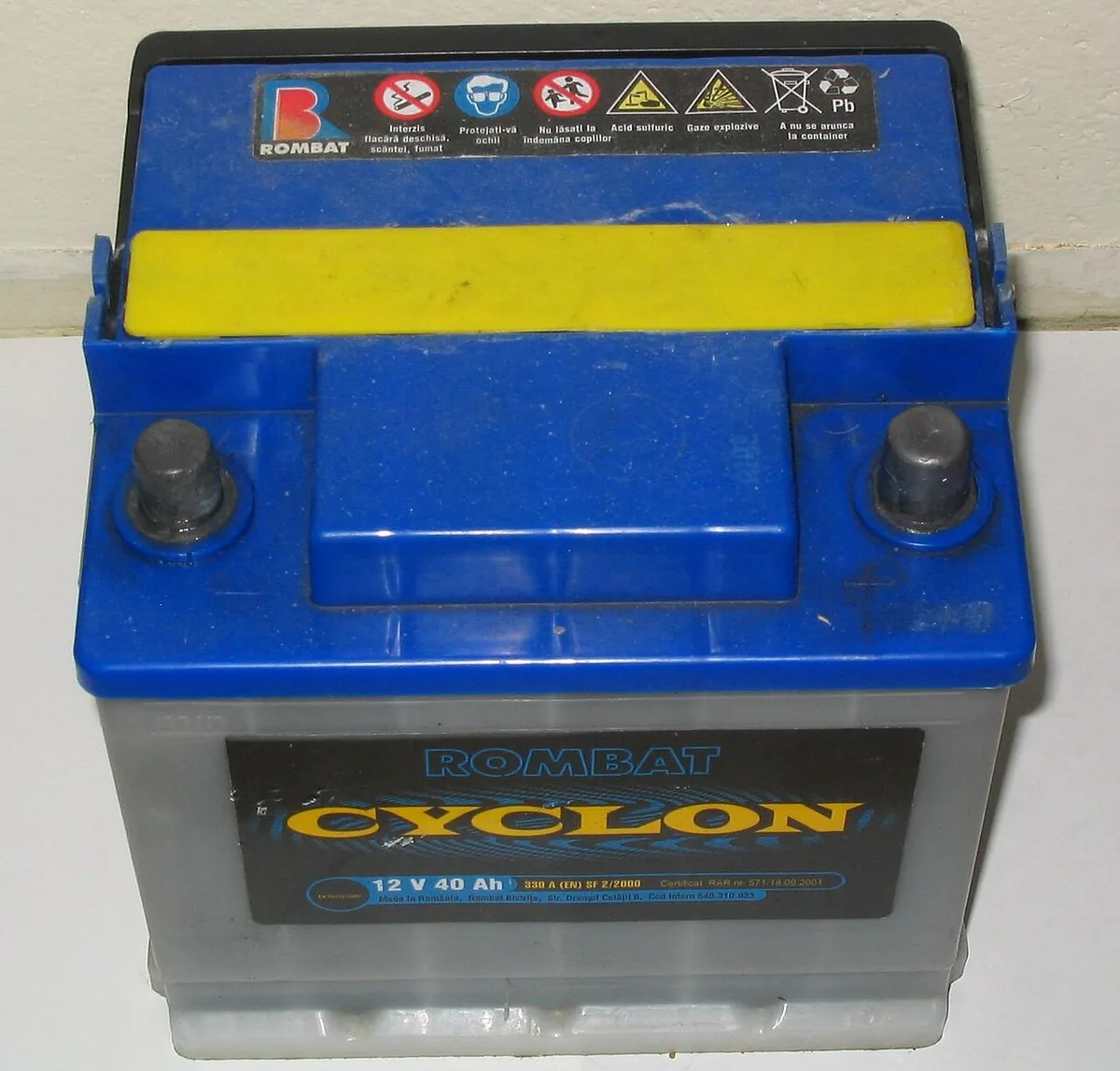
So you've got a dead battery sitting in your trunk, and you're wondering where to recycle a car battery without getting fined or ripped off. Good news: it's easier than most people think. Almost every place that sells car batteries will take your old one back.
And in plenty of cases, they'll hand you cash for it.
Lead-acid car batteries are the most recycled consumer product in the country, with a recovery rate near 99% according to the EPA. That's no accident. Federal universal waste rules and state landfill bans keep these things out of the trash on purpose.
Where you drop yours off, though, hinges on one thing first: the type of battery you're holding.
Quick Answer
You can recycle a car battery for free at most auto parts stores. Chains like AutoZone, O'Reilly, and Advance Auto take old lead-acid batteries. Scrap yards and recycling centers accept them too, often for cash.
Many cities also run household hazardous waste facilities. If you paid a core charge, bring the battery back to claim your refund.
First, What Kind of Battery Do You Have?
Before you drive anywhere, figure out what's in your hands. The drop-off path splits hard depending on the chemistry. Get this wrong and you'll waste a trip.
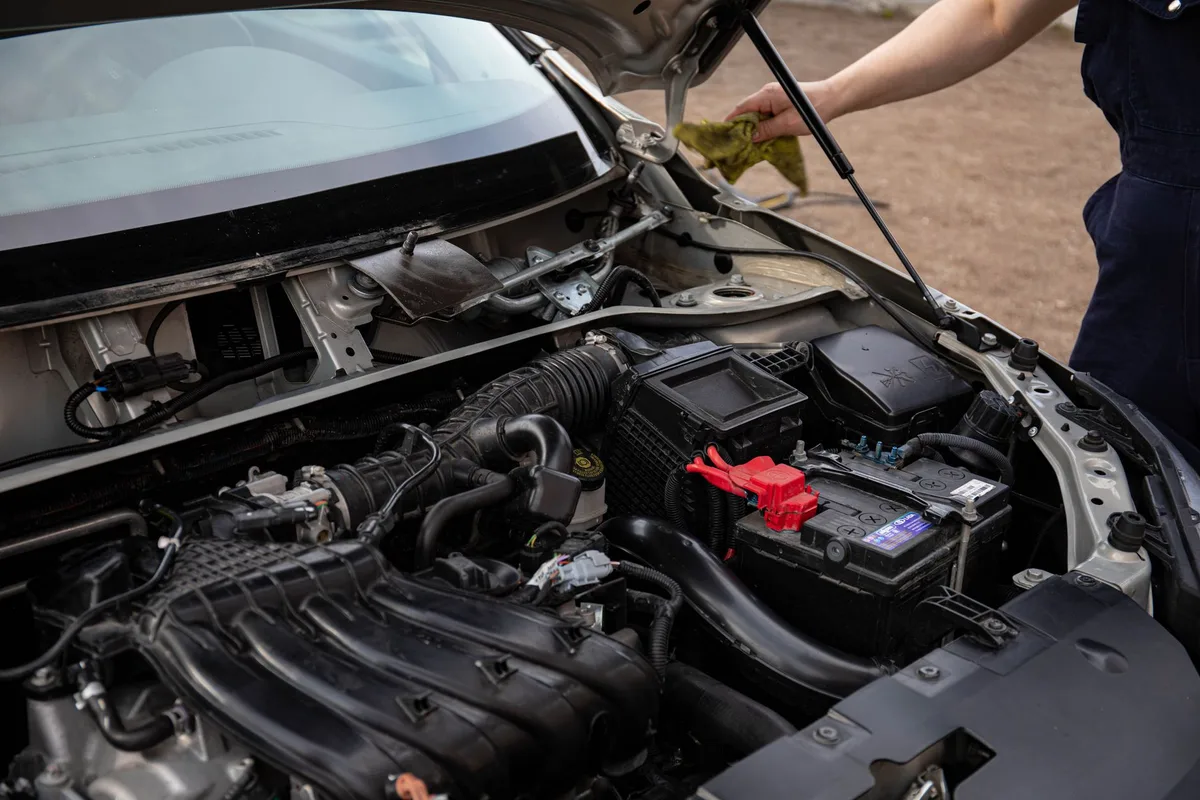
Most cars use a standard 12V lead-acid battery. That's the heavy rectangular block under your hood. Electric and hybrid vehicles are a different story, and they need specialized handling.
If you're not sure the battery is done, check it before you haul it off. A simple multimeter test tells you whether it's truly dead or just discharged. Our guide on spotting a failing battery walks through the reading.
A battery showing signs of a dead cell is a recycling candidate, not a charging one.
Lead-Acid, AGM, or EFB (Standard Cars)
These all recycle the same way. Lead-acid, AGM (absorbent glass mat), and EFB (enhanced flooded) batteries share the same lead and sulfuric acid guts. They just differ in internal build.
- Weight is a dead giveaway: a passenger battery runs 30 to 50 lb (14 to 22 kg).
- Look for the BCI group size stamped on the case or label.
- All three go to the same places: auto parts stores, scrap yards, or hazardous waste centers.
If this is your battery, you're in luck. This is the easy path, and it's the one most of this guide covers.
Lithium-Ion EV or Hybrid Traction Packs
Stop before you treat an EV pack like a regular battery. Lithium-ion traction batteries from electric and hybrid cars do not go to your local auto parts counter. They carry serious fire and shock risk if mishandled.
- Route these through the dealership or manufacturer take-back program.
- Never open, drop, or store a damaged lithium pack.
- The 12V auxiliary battery in a hybrid or EV recycles like any standard lead-acid unit.
If you've got a failed traction pack, skip ahead to the EV section below. For everyone with a normal 12V battery, keep reading.
The 60-Second Answer: Your Best Drop-Off Options
Here's the short version if you just want to get moving. Four places will take a standard car battery off your hands.
| Drop-off spot | Cost to you | Best for |
|---|---|---|
| Auto parts store | Free (refund if core owed) | Fast, convenient, most people |
| Scrap metal yard | Pays you cash | Multiple batteries, max payout |
| Household hazardous waste facility | Free | No purchase, no receipt |
| Dealership | Usually free | EV packs, warranty swaps |
Nine times out of ten, the auto parts store wins. It's close, it's free, and it's where you're buying the replacement anyway. Let's start there.
Auto Parts Stores: The Easiest Free Drop-Off
Auto parts stores are the simplest answer, full stop. National chains accept used lead-acid batteries at no charge, whether or not you bought the new one there. You walk in, hand it over the counter, and you're done.

Why do they take them for free? Retailers ship spent batteries back through the same supply chain that delivers new ones. It costs them almost nothing, and many states legally require them to accept returns.
So don't feel like you're asking a favor.
- Call ahead if you're bringing more than two or three at once.
- Bring the battery in a leak-proof container or sturdy box.
- No receipt needed for a straight recycling drop-off.
How the Core Charge Refund Works
The core charge is a deposit you already paid, and you get it back by returning the old battery. When you buy a new battery, most stores add $5 to $30 on top of the price. It's a built-in nudge to bring the dead one back.
Return the old battery, and that deposit lands back in your pocket. As of 2026, states like California mandate the deposit by law. Here's the play:
- Buy your replacement battery (core charge included on the receipt).
- Bring the old battery back to the same store.
- Hand it to the counter and ask for your core refund.
- Keep the receipt until the credit posts.
Miss this step and you're throwing money away. If your old battery kept dying for no clear reason, our breakdown of why batteries drain early is worth a read before you buy the next one.
Scrap Yards vs. Recycling Centers: When Cash Beats Convenience
Scrap yards pay you, and that's the whole appeal. If you've got several dead batteries or you want the most money possible, a scrap metal yard beats a free drop-off. They buy the lead by weight.

As of 2026, scrap lead-acid batteries fetch roughly $0.20 to $0.30 per pound, though the price rides the lead commodity market. On a typical 40 lb battery, that's a few bucks. Not much for one, but it adds up fast for a fleet or a garage cleanout.
Recycling centers work a little differently. Some pay, some accept for free, and a few are dedicated smelters that handle bulk volume. Here's how the two compare:
- Choose a scrap yard if you want cash, you have multiple batteries, or there's no core refund on the table.
- Choose a recycling center if you want a clean, documented drop-off and payment isn't the point.
- Either way, call for current pricing and hours, since scrap prices shift weekly.
One heads-up. Scrap yards may ask for ID and log the transaction, thanks to metal-theft laws. That's normal.
Bring your driver's license and you're fine.
Household Hazardous Waste Facilities and Dealership Returns
Your city almost certainly has a free option too. Municipal household hazardous waste (HHW) facilities exist for exactly this: stuff you can't toss in the trash, like paint, chemicals, and car batteries. This is the go-to when you didn't buy a replacement and have no core to return.
Most counties run either a permanent HHW site or scheduled collection days. Check your county or public works website for the calendar and location. It's free, it's legal, and it keeps that lead out of the landfill.
Dealerships round out the list. They'll take your old battery, especially during a warranty swap or a service visit. For standard 12V batteries a dealer is rarely your cheapest or fastest bet, but it's handy if the car's already in the shop.
- HHW facility: best when you have no receipt and no replacement purchase.
- Dealership: best for EV traction packs, hybrid batteries, or in-service swaps.
- Both: reliable, compliant, and safe for older or leaking batteries.
If your car's electrical gremlins turned out to be the alternator rather than the battery, sorting out which part actually failed can save you a needless swap.
Where to Take an EV or Lithium Battery (It's Not the Same Path)
EV and hybrid traction packs go back to the automaker, not the parts store. These lithium-ion batteries are high-voltage, heavy, and regulated differently from a standard 12V unit. No auto parts counter will touch them.
Start with the dealership or the manufacturer's battery take-back program. Brands like Nissan, Tesla, and GM run recovery channels that route packs to specialized recyclers. Companies such as Redwood Materials and Li-Cycle handle the actual reclaiming of lithium, nickel, and cobalt.
- Never remove or transport a damaged EV pack yourself.
- A swollen, hissing, or heat-damaged lithium battery is a fire risk.
- Let trained technicians disconnect and crate it.
The 12V accessory battery in a hybrid or EV is the exception. That one recycles exactly like any lead-acid battery. So if you're just replacing the small support battery, treat it like a normal drop-off.
Drop-Off Options Compared Side by Side
Here's the full picture in one place. Each option trades money, convenience, or eligibility differently. Match the row to your situation.
| Option | Payment | Accepts without purchase? | Handles EV packs? | Speed |
|---|---|---|---|---|
| Auto parts store | Free + core refund | Yes | No | Fastest |
| Scrap yard | Pays by weight | Yes | No | Fast |
| HHW facility | Free | Yes | Sometimes | Slow (set days) |
| Dealership | Usually free | Varies | Yes | Moderate |
| Manufacturer take-back | Free | N/A | Yes | Scheduled |
Read it like a decision tree. Want speed and a possible refund? Go auto parts store.
Want maximum cash? Go scrap yard. Have an EV pack?
Go dealer or manufacturer. No receipt and no new purchase? The HHW facility never turns you away.
How to Prep and Transport a Dead Battery Safely
A car battery holds sulfuric acid and stored charge, so handle it with respect. The casing can leak, and the terminals can still spark. A few minutes of prep prevents a burn or a mess in your trunk.

Containing Leaks and Handling Acid
Check the case for cracks before you pick it up. If you spot corrosion or weeping around the terminals, that white or blue crust is dried acid salt. Don't touch it bare-handed.
- Wear acid-resistant gloves and eye protection.
- Set the battery inside a leak-proof plastic tote or a doubled heavy-duty bag.
- Keep it away from skin, clothing, and bare concrete.
- If acid contacts skin, rinse with water right away.
A cracked or actively leaking battery should go to an HHW facility or dealer, not a scrap yard counter. They're equipped for damaged units.
Loading and Securing for the Drive
Always carry and transport the battery upright. Tip it on its side and electrolyte can seep out through the vents. That's the single most common transport mistake.
- Wipe loose corrosion with a baking soda and water paste, then dry it.
- Cover the positive terminal with tape or a cap to prevent sparking.
- Place the battery flat and level in the trunk or truck bed.
- Wedge it against something solid so it can't slide or tip.
Short trips only. Don't let a leaking battery ride around for a week. If you're still troubleshooting whether the old unit is even the problem, checking the resting voltage first can settle it before you haul anything anywhere.
What Your Old Battery Is Actually Worth
A single dead battery is worth a few dollars in scrap, and that's it. At current lead prices near $0.20 to $0.30 per pound, a 40 lb battery brings roughly $8 to $12 at a scrap yard. Prices swing with the commodity market, so treat that as a ballpark.
The core charge is usually the better money. Getting your $10 to $30 deposit back beats scrap value on most single batteries. So if you paid a core charge, the refund wins nearly every time.
- One battery, paid a core charge: return it to the store for the refund.
- One battery, no core owed: scrap yard for a few bucks, or HHW for free.
- Multiple batteries: scrap yard, where weight adds up.
Lead recycles endlessly with no loss in quality, which is why there's a real market for it. That closed loop is also why a new battery is partly built from old ones. You're feeding a genuine supply chain, not just clearing junk.
For context on how much cranking power these units pack, our note on battery amp ratings explains what all that lead is doing.
Is It Illegal to Throw Away a Car Battery? Laws You Should Know
Yes, tossing a car battery in the trash is illegal in most of the United States. Lead-acid batteries are classified as universal waste under federal rules (40 CFR Part 273). On top of that, most states ban them from landfills outright.
Curbside garbage and regular recycling bins are both off-limits. Haulers won't take them, and you can face fines for dumping. The whole system is built to force these batteries back into the recycling stream.
- Federal universal waste rules govern handling and storage.
- State landfill bans make disposal in trash illegal.
- Retailer take-back laws require many stores to accept returns.
There's an upside to all this regulation. It's exactly why free drop-off is so easy to find. Retailers and municipalities are legally set up to take your battery, so you rarely have to hunt for a spot.
Cold-weather drivers, take note too: batteries fail faster in winter, and freezing temperatures mean more of them hit the recycling pile come spring.
Mistakes That Cost You Money or Trigger Fines
The most expensive mistake is skipping the core refund. People buy a battery, toss the old one, and forget the deposit they already paid. That's $10 to $30 gone for nothing.
- Tipping the battery on its side in the car, which leaks acid.
- Bringing a lithium EV pack to an auto parts store that can't take it.
- Handling corroded terminals bare-handed and getting an acid burn.
- Dumping a battery in curbside trash, which risks a fine.
One more: don't sit on a dead battery for months. Storing a leaking unit on a garage floor lets acid eat the concrete. Recycle it within a week or two of pulling it.
Best Drop-Off for Your Situation: A Quick Decision Guide
Run through these quick if/then calls and you'll land on the right spot in seconds.
- If you just bought a replacement and paid a core charge, return the old battery to that store for your refund.
- If you have several dead batteries, take them to a scrap yard and get paid by weight.
- If you have no receipt and no new purchase, drop it at a household hazardous waste facility for free.
- If it's an EV or hybrid traction pack, route it through the dealership or manufacturer take-back program.
- If the battery is cracked or leaking, choose an HHW facility or dealer equipped for damaged units.
For most drivers, the auto parts store is the winner. It's free, fast, and refunds your deposit in one trip.
Frequently Asked Questions
Do auto parts stores take old batteries for free?
Yes. Major chains accept used lead-acid batteries at no charge, even if you didn't buy the new one there. They're set up to ship spent batteries back through their supply chain.
No receipt is needed for a straight recycling drop-off.
How much is a used car battery worth?
A single scrap battery brings roughly $8 to $12 at current lead prices near $0.20 to $0.30 per pound. The core charge refund, usually $10 to $30, is often worth more. If you paid a deposit, the refund beats scrap value.
Can I throw a car battery in the trash?
No. Lead-acid batteries are federal universal waste, and most states ban them from landfills. Curbside garbage and recycling bins won't take them.
Dumping one can bring a fine, so use a proper drop-off instead.
Where do I recycle an electric car battery?
Take EV and hybrid traction packs to the dealership or the manufacturer's take-back program. These lithium-ion packs are high-voltage and go to specialized recyclers. Never remove or transport a damaged pack yourself.
What is a core charge on a car battery?
A core charge is a refundable deposit, usually $5 to $30, added when you buy a new battery. Return the old battery to get that money back. It's an incentive to keep batteries in the recycling loop.
Do I need to prep the battery before dropping it off?
Keep it upright, cap the positive terminal, and set it in a leak-proof container. Wear gloves if the terminals are corroded. A cracked or leaking battery should go to an HHW facility or dealer rather than a scrap counter.
Similar Posts