How Long to Charge a Battery After a Jump Start

So you got the engine running with a set of jumper cables, and now you're wondering how long to charge a battery after a jump start. Short version: the jump only gets you moving. It doesn't refill the battery.
The real recharge happens afterward, either from your alternator while you drive or from a plug-in charger at home.
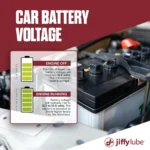
A healthy 12V lead-acid car battery reads about 12.6 to 12.7 volts at rest when it's fully charged. After a jump, yours is usually sitting well below that. As of 2026, plenty of drivers still assume a quick lap around the block sorts it out, and that's exactly where they get stranded again.
Let's start with the number you actually came for.
The Short Answer: How Long to Charge After a Jump Start
Charge time after a jump start depends on how you recharge. Driving needs at least 30 minutes at highway speed for a partial top-up. A plug-in charger needs roughly 4 to 12 hours for a full charge.
Idling barely charges the battery at all. A deeply drained battery can take a full overnight session.
Here's the quick view before we break down each path.
| How you recharge | Rough time to a useful charge |
|---|---|
| Highway driving | 30 minutes for a partial top-up, longer for full |
| Smart charger (10A) | 3 to 5 hours |
| Trickle charger (2 to 4A) | 6 to 12+ hours |
| Idling in the driveway | Not reliable, avoid it |
| Deeply discharged battery | Overnight on a charger |
Why a Jump Start Doesn't Mean Your Battery Is Charged
A jump start does one job. It borrows enough current from a donor car or a portable jump pack to spin your starter motor. That's it.
The moment your engine fires, the battery is still nearly as flat as it was before.
Think of it like push-starting a car on a hill. You got it going, but nothing filled the tank. Your battery still needs a proper recharge to hold voltage overnight and crank again tomorrow.
If your battery reads normal but the engine still won't turn over, that's a separate problem worth understanding. We cover why a battery can show 12 volts yet refuse to crank in a dedicated guide. And if you noticed the voltage sag hard during that first crank, the dip you see at startup tells you a lot about the battery's health.
The Two Ways to Recharge: Driving vs. a Battery Charger
You've got two realistic ways to put charge back in after a jump. You can drive and let the alternator do the work, or you can plug in a dedicated charger. Each suits a different situation, so pick based on what you need.
- Choose driving if you have to be somewhere and the battery is only moderately low.
- Choose a plug-in charger if the battery was deeply drained or you want a full, lasting charge.
Charging by Driving (and Why Idling Barely Counts)
Driving works because your alternator is a small generator spun by the engine. At highway RPM it pushes real current back into the battery. That's why 30 minutes on the freeway beats an hour of stop-and-go city crawling.
Idling is a different story. At idle, an alternator often puts out only 20 to 40 percent of its rated amps. Then your headlights, heater, and radio eat into that.
So sitting in the driveway with the engine running is close to useless for recharging a flat battery.
If you want to know what your system should be doing under load, the normal voltage while the engine runs sits around 13.7 to 14.7 volts at the terminals.
Charging With a Plug-In Charger
A plug-in charger is the better path for a truly dead battery. A modern smart charger reads the battery's state and adjusts its output automatically. It fills the battery fully, then holds it without overcharging.

The charger's amp rating sets the pace. A 10A charger refills a standard battery in about 3 to 5 hours. A gentle 2A trickle charger might take 12 hours or more.
Slower charging is easier on the battery and helps it last longer.
How Long It Actually Takes, Based on Your Situation
There's no single number here, so match your case to the branches below.
If You're Driving to Recharge
Drive at least 20 to 30 minutes, and keep it to steady highway speeds if you can. Turn off anything you don't need. That means A/C, heated seats, and loud stereo, all off while the alternator catches up.
One drive rarely gets you to 100 percent. It gets you to "should start tomorrow." For a full charge from driving alone, you'd need several hours of highway time, which most people never do in one trip.
If You're Using a Trickle or Smart Charger
Plan for a few hours minimum, and overnight for a full, confident charge. A rough guide: safe charging amps sit around 10 percent of the battery's amp-hour rating. So a 50Ah battery likes about a 5A charge rate.
Faster chargers exist, but heat is the enemy of battery life. If you're not in a rush, slower is kinder.
If the Battery Was Deeply Discharged
A battery that dropped below 12.0 volts, or sat flat for days, needs patience. Put it on a charger overnight and test it in the morning. Some deeply drained batteries recover fully, and some never bounce back.
If yours keeps landing in this state, what a 12.2 volt result really signals is worth a read before you trust it again.
Charge Time by Charger Amps and Battery State
The two things that decide your charge time are the charger's output and how empty the battery is. A near-full battery tops off fast. A dead one takes hours, because the last stretch always slows down as the battery fills.
| Charger output | From half-charged | From nearly dead |
|---|---|---|
| 2A trickle | 6 to 10 hours | 12 to 24 hours |
| 4A | 4 to 6 hours | 8 to 12 hours |
| 10A smart | 2 to 3 hours | 4 to 6 hours |
Charge acceptance tapers near the top, so the final 10 percent always drags. That's normal, not a fault. It protects the battery from overheating.
Reading Resting Voltage to Know When It's Full
Resting voltage is the cleanest way to check your charge. Let the battery sit for a few hours after charging, then measure with a multimeter. This removes the "surface charge" that fakes a high reading right off the charger.

Use this state-of-charge guide, which lines up with the lead-acid charging basics published by the U.S. Department of Energy.
| Resting voltage | Approx. state of charge |
|---|---|
| 12.6 to 12.7V | 100% |
| 12.4V | ~75% |
| 12.2V | ~50% |
| 12.0V | ~25% |
| Below 12.0V | Deeply discharged |
A reading of what a 12.4 result means tells you the battery is close but not quite topped off. If you're not sure your battery holds the amps a starter battery should carry, that's your next check after the voltage looks right.
Your Charge-Time Decision Guide
Not sure which path is yours? Run through this quick logic and you'll land on the right move.
- If you must drive now and the battery only dipped to 12.2V or so, then take a 30-minute highway run and recharge fully later.
- If the battery dropped below 12.0V, then skip driving as your only fix and put it on a charger overnight.
- If you have a smart charger and no rush, then charge at a low amp rate for the longest battery life.
- If the car needed a second jump within a day or two, then stop charging and start testing.
The pattern is simple. Light discharge forgives a short drive. Deep discharge demands a real charger and patience.
Mistakes That Leave Your Battery Half-Charged
The biggest mistake is calling it fixed after a five-minute drive. That barely replaces the current your starter just pulled. You shut the engine off, the battery drains overnight, and you're back with cables in the morning.
Here are the common traps our research keeps surfacing:
- Idling to "charge" the battery, which delivers almost nothing at low RPM.
- Leaving accessories running while you drive, which steals amps from the battery.
- Trusting the voltage reading right off the charger, before surface charge settles.
- Fast-charging a cold or frozen battery, which risks internal damage.
- Ignoring corroded terminals, which choke the charge before it reaches the cells.
Clean, tight terminals matter more than people think. A crusty connection can starve the battery even when the alternator is working fine.
When Repeated Jumps Mean It's the Battery, Not the Charge
If your car needs jumping again and again, the battery is failing, not just undercharged. A good battery holds its charge after a proper recharge. One that drops flat overnight is telling you it's near the end.
Watch for these warning signs:
- The battery goes dead after sitting a single night.
- It reads low again hours after a full charge.
- Cranking sounds slow and lazy even after driving.
- The battery is more than four or five years old.
A battery that won't hold voltage often points to worn cells or a hidden drain. If yours keeps dying for no clear reason, tracking down a repeat drain with a multimeter saves you from replacing a part that isn't broken. A steady parasitic pull, like an unusual key-off draw, can flatten a healthy battery night after night.
How to Tell If It's Your Battery or Your Alternator
Here's the fast test. Start the car and measure the battery voltage with the engine running. A working alternator pushes the terminals to roughly 13.7 to 14.7 volts.

If the running voltage sits below 13.0 volts, the alternator likely isn't charging. If it reads in the healthy range but the battery still dies, the battery is the weak link. That single check splits most no-start mysteries in two.
For a full walkthrough, sorting the two apart with a meter takes only a couple of minutes. And if you want the target numbers, the normal range for alternator output helps you judge a borderline reading.
Safe Charging Practices After a Jump
Charging a lead-acid battery vents hydrogen gas, which is flammable. Always charge in a ventilated space, and keep sparks and flames away. Never connect or disconnect clamps while the charger is powered on.
Follow the basic order every time:
- Switch off the charger before attaching clamps.
- Connect positive to positive, then the negative clamp to a clean ground.
- Set the correct mode for your battery type, standard flooded or AGM.
- Power on, then let it run undisturbed.
- Power off before removing the clamps.
AGM batteries need the right charge profile, so check the charger has an AGM setting. Wear eye protection and avoid contact with battery acid. These handling basics line up with the workplace safety guidance from OSHA on servicing batteries.
Cold Weather, Short Trips, and Other Things That Change the Math
Cold weather stacks the odds against you. A battery loses cranking power as temperatures drop, and a chilled battery also accepts charge more slowly. So the same 30-minute drive that tops you off in summer may leave you short in January.
Short trips are the quiet killer. If your daily drive is ten minutes of stop-and-go, the alternator never fully replaces what starting used. Over weeks, the battery drifts lower and lower until one cold morning it just won't crank.
- Cold climates: expect longer charge times and higher cranking demand.
- Short commutes: use a plug-in charger weekly to stay topped off.
- Long storage: fit a battery maintainer to hold charge over winter.
If freezing temperatures are your reality, how the cold drags voltage down explains why your numbers read lower than expected. A battery that already sits near the dead-battery threshold has almost no margin left once the temperature drops.
Pro Tips to Get a Full, Lasting Recharge
Want the battery to actually hold after all this effort? A few habits make the difference between a one-time fix and a reliable start every morning.
- Charge slowly when you can. A low amp rate protects the plates and extends battery life.
- Let it rest before testing. Wait a few hours, then check resting voltage for the true reading.
- Clean the terminals. Scrub off corrosion so the charge flows freely.
- Recharge fully before trusting it. A partial charge overnight often reads fine but fails at dawn.
- Test after charging. A quick load or voltage check confirms the battery held.
No meter handy? You can still spot a weak battery by checking it without a meter, watching for slow cranking and dim lights. And once your alternator reads around 13.5 volts under load, you know the charging side is doing its part.
Frequently Asked Questions
How long should I drive after a jump start?
Drive at least 20 to 30 minutes, and keep to steady highway speeds if possible. That gives the alternator time for a solid partial charge. It won't fully recharge a flat battery, but it should get you a reliable next start.
For a full charge, use a plug-in charger afterward.
Will idling charge my battery after a jump?
No, idling barely charges the battery. At idle, an alternator often delivers only 20 to 40 percent of its rated output. Your lights, heater, and radio then eat into that small amount.
To recharge properly, drive at highway speed or connect a dedicated battery charger.
How long does a battery charger take after a jump start?
A 10A smart charger fills a standard battery in about 3 to 5 hours. A gentle 2A trickle charger can take 12 hours or more. A deeply discharged battery often needs an overnight session.
Slower charging runs cooler and helps the battery last longer.
Why does my car still die after a jump and a drive?
Because the drive only partially recharged a failing or deeply drained battery. If it dies again overnight, the battery likely can't hold a charge anymore. A hidden parasitic drain or a weak alternator can also be the cause.
Test the battery and charging system to find the real fault.
How do I know when the battery is fully charged?
Let the battery rest a few hours after charging, then measure resting voltage. A full lead-acid battery reads about 12.6 to 12.7 volts. Anything lower means it needs more time on the charger.
Testing right off the charger gives a falsely high reading from surface charge.

Similar Posts