Can You Jump Start a Car in the Rain? Safety Guide
Your battery's dead, the sky's opened up, and now you're stuck wondering: can you jump start a car in the rain without hurting yourself? Good news. Yes, you can.
A standard car battery runs on just 12 volts, which is far too low to shock you through wet skin. Rain by itself won't turn a routine jump start into a danger.
Here's the number that matters. Shock risk for people doesn't really begin until roughly 50 volts, and your car sits at around 12. As of 2026, mainstream owner's manuals still clear you to jump start in wet weather, as long as you follow the correct order.
The genuine hazards are small and easy to manage, so let's start with the short version.
Can You Jump Start a Car in the Rain? The Short Answer
Yes, you can jump start a car in the rain safely. Car batteries use 12 volts, which is too low to shock you. Rain doesn't raise the electrocution risk in any meaningful way.
Just keep the cable clamps dry and connect them in the right order. The real risks are sparks and corrosion, not getting zapped.
Why Getting This Right Actually Matters
A jump start is one of the most common roadside fixes out there. It's also one people rush, especially when they're getting soaked. That's exactly when small mistakes happen.
The danger with a wet jump start isn't rain touching your hands. It's what a careless connection can do near the battery. A car battery can vent hydrogen gas, and a stray spark in the wrong spot can ignite it.
That's rare, but it's why order and clamp placement matter so much.
There's also your car's electronics to think about. Modern vehicles are packed with sensitive control modules. Reverse the clamps or short something out, and you can fry a part that costs far more than a tow.
One more thing worth checking first. Sometimes the battery isn't the real problem. If your car cranks weakly or the lights dim oddly, the fault might be a failing charging system rather than a flat battery.
A jump start won't fix a bad alternator for long.
How a 12-Volt Jump Start Works (And Why Rain Doesn't Electrocute You)
A jump start is simple in theory. You borrow power from a healthy 12-volt battery to crank an engine whose battery has gone flat. Jumper cables carry that current from the donor car to the dead one.
Once the engine fires, the alternator takes over.
Now the part everyone worries about. Why doesn't rain electrocute you? It comes down to voltage.
Your household outlet pushes 120 or 240 volts of alternating current, which absolutely can hurt you. A car battery pushes 12 volts of direct current, and that's a completely different animal.
At 12 volts, your skin's natural resistance easily stops any dangerous current. Water doesn't change that math. You could hold both terminals of a healthy car battery and feel nothing.
That low voltage is exactly why a wet jump start is safe.
Where 12 volts still bites is amperage. A car battery can dump hundreds of cranking amps in an instant. That won't shock you through your skin, but it will throw a hot spark if you bridge the terminals with metal.
So the caution isn't about rain. It's about keeping metal and sparks away from the battery. For reference, a strong resting figure sits around 12.4 to 12.6 volts.
The Real Risks When You Jump a Car in the Wet
Rain isn't the enemy here. These three things are. Handle them, and a wet jump start is no riskier than a dry one.
Sparks and Hydrogen Gas Near the Battery
A charging battery can release small amounts of flammable hydrogen gas. A spark right at the battery terminal is what you want to avoid. That's why you never clamp the final cable straight onto the dead battery's negative post.
Rain actually helps a little by dispersing any gas. Still, treat the battery as a no-spark zone. The safety guidance from OSHA on lead-acid batteries backs this up: keep flames and sparks well clear.
Corroded or Wet Terminals
Water sitting on grimy terminals makes a weak, patchy connection. You might get poor current flow or none at all. Wipe the posts clean and dry before you clamp on.
- Look for white or bluish crust on the terminals. That's corrosion.
- Brush it off with a rag or an old toothbrush.
- Dry the metal so the clamps grip clean, bare posts.
A bad connection is one reason a jump seems to fail. If yours reads voltage but still won't turn over, the cause might be something other than a flat battery.
Reversed Polarity and Clamp Mistakes
This is the big one. Connect positive to negative by mistake, and you can wreck both cars' electronics or even rupture a battery. Rain makes it worse because you're rushing to stay dry.
Red is positive. Black is negative. Slow down and check each clamp twice before you tighten it.
Never let the two clamps touch while the other ends are connected.
What You Need Before You Start
You've got two clean routes to a jump start in the rain. Grab jumper cables and a second car, or use a portable jump starter that carries its own power. Here's a quick look at each.
| What you need | Jumper cables + donor car | Portable jump starter |
|---|---|---|
| Second vehicle | Required | Not needed |
| Cable gauge | 4 to 8 gauge, copper best | Built in |
| Prep before use | Charged donor battery | Charge the pack ahead |
| Rain-friendliness | Good with dry clamps | Better, fewer connections |
Jumper Cables and a Donor Car
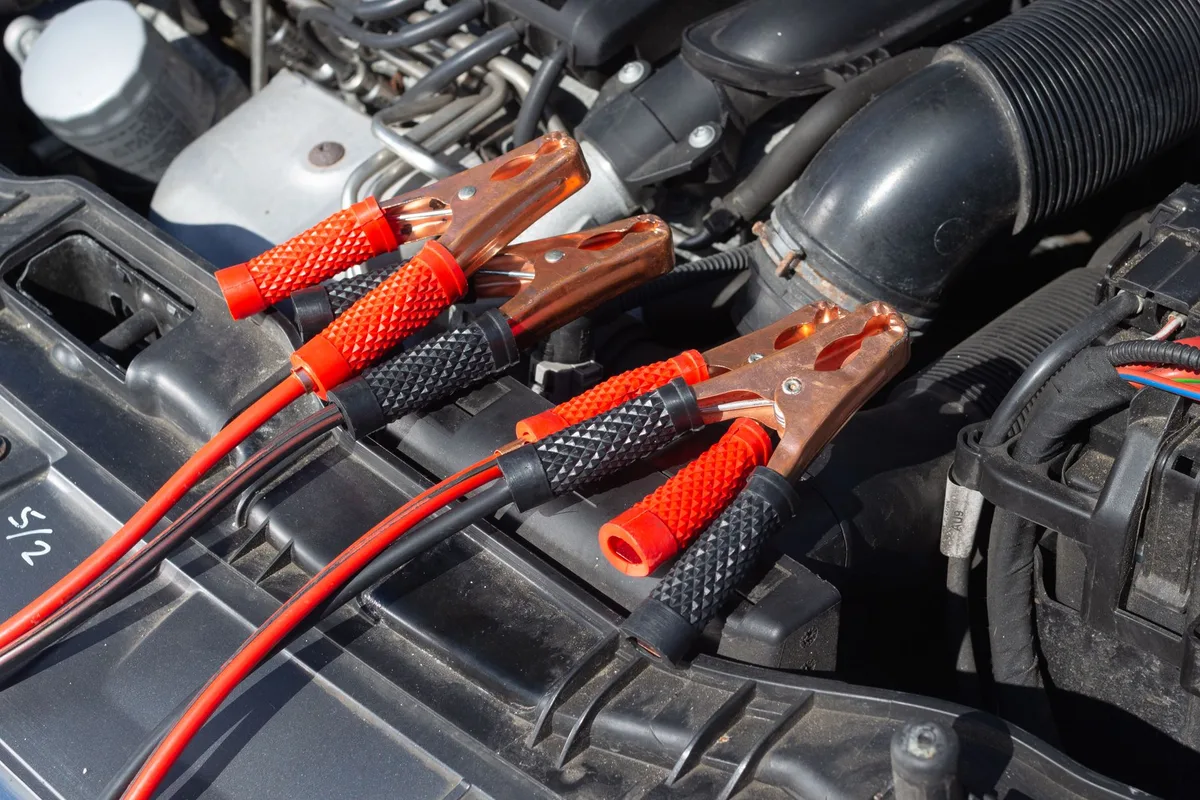
This is the classic method. You need a healthy donor car and a decent set of cables. Thicker copper cables in the 4 to 6 gauge range carry current better and heat up less.
Park the two cars close but not touching. Switch off the ignition on both before you connect anything. A weak donor battery makes for a slow jump.
If you're unsure how a battery behaves under load, the way voltage sags on cranking tells you a lot about its health.
Portable Jump Starters as a Rain-Friendly Alternative
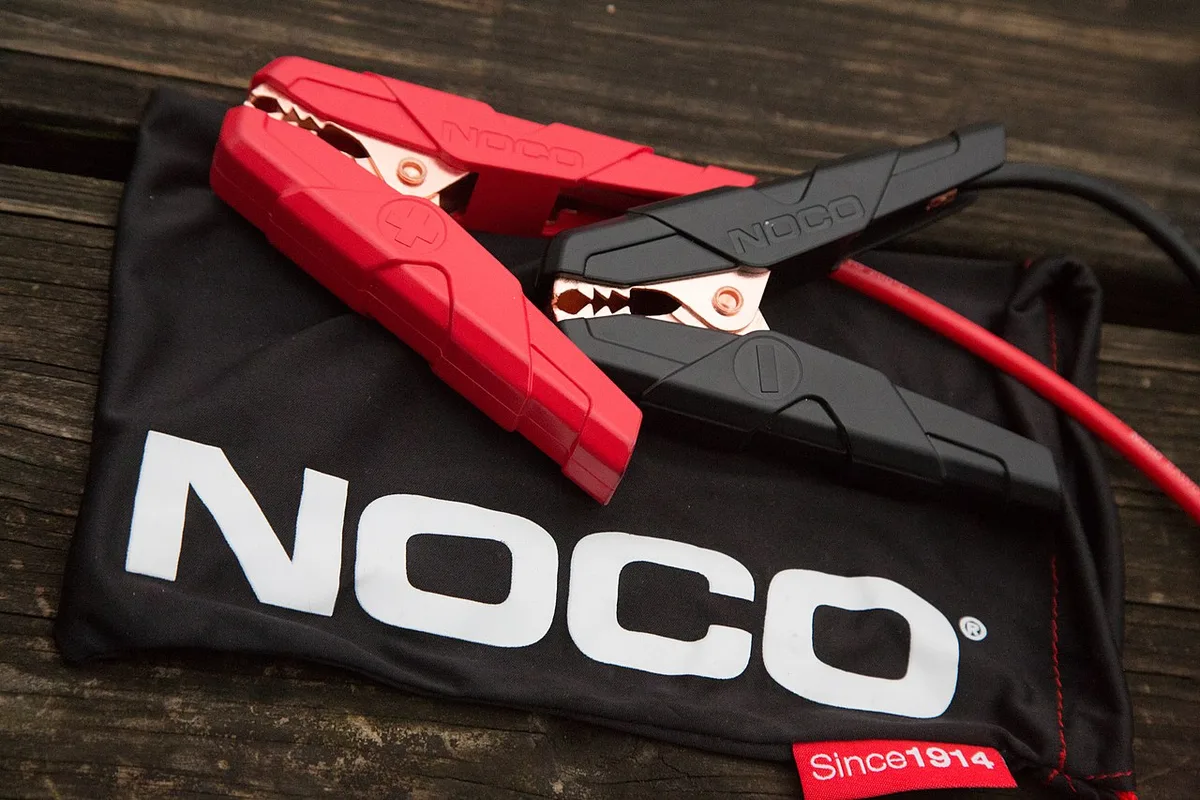
A portable jump starter is a small lithium pack that does the donor car's job. You clamp it straight onto your dead battery, no second vehicle needed. That means fewer connections and less fumbling in the rain.
Keep it charged in your boot or glovebox, and it's ready when you need it. Many models list a water resistance rating, handy for wet starts. It's the option we'd lean toward if you often park where a second car isn't easy to find.
Just know it won't cure a battery that keeps going flat on its own.
How to Jump Start a Car in the Rain Safely, Step by Step
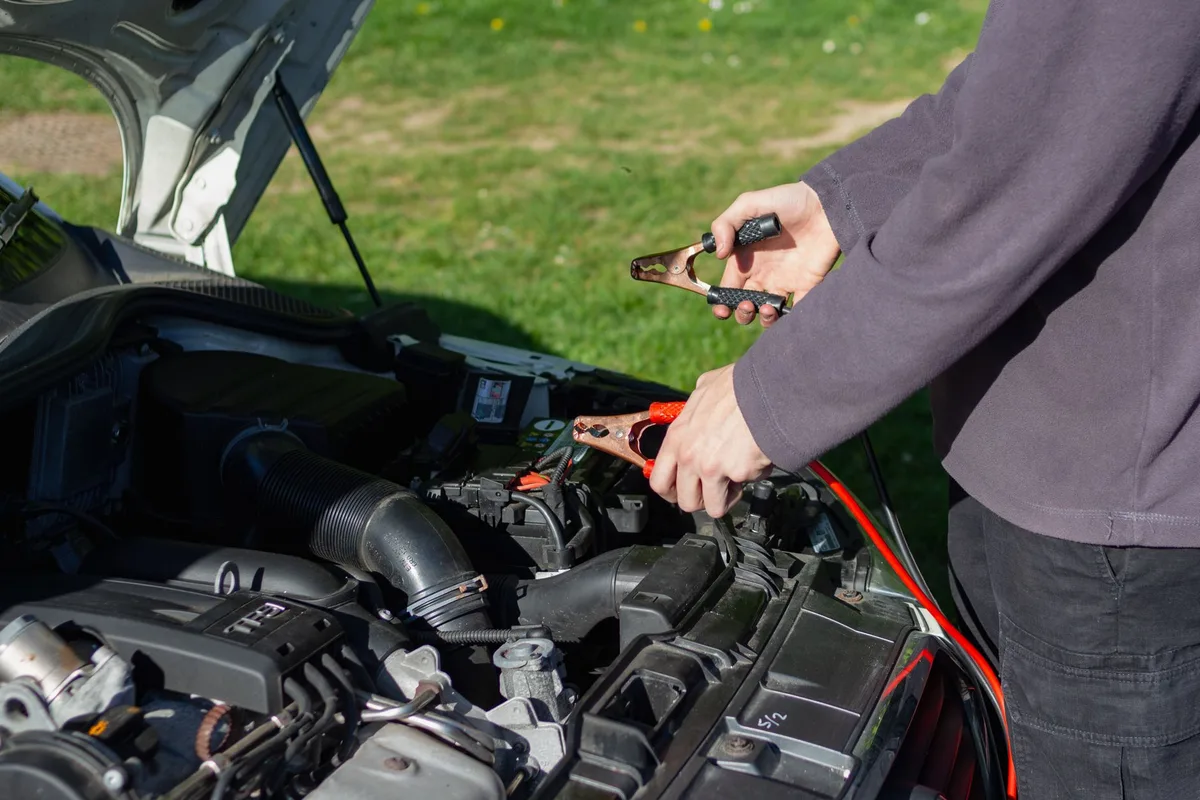
Here's the sequence that keeps you safe and protects both cars. Follow it in order and don't skip the grounding step.
- Turn off the ignition and electronics on both cars.
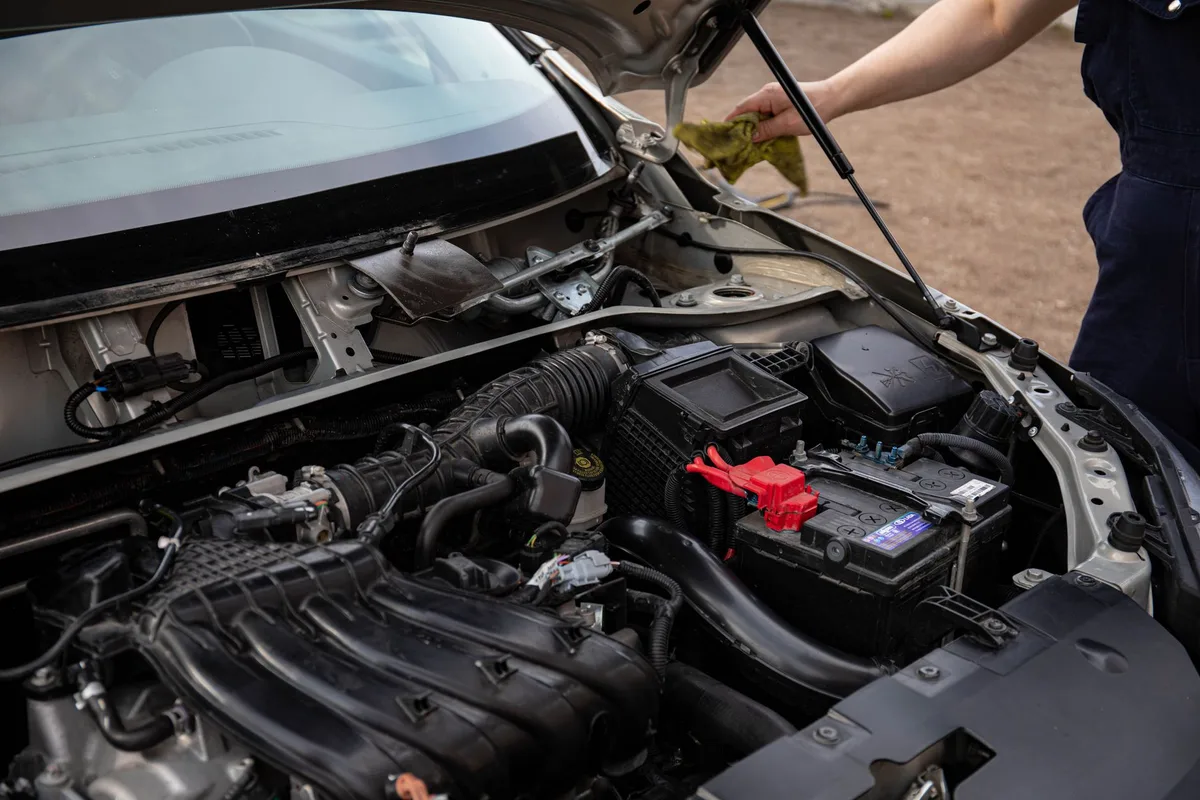
- Pop both bonnets and use them as a shelter over the batteries.
- Wipe both battery terminals clean and dry.
- Clamp red to the dead battery's positive post.
- Clamp the other red to the donor battery's positive post.
- Clamp black to the donor battery's negative post.
- Clamp the last black to bare metal on the dead car, away from its battery.
- Start the donor car and let it run a minute or two.
- Start the dead car, then remove the clamps in reverse order.
Keep the connections shielded from direct rain where you can. An open bonnet does most of the work. If a passenger can hold an umbrella over the battery, even better.
Where to Ground the Negative Clamp and Why It's Not the Battery
The final black clamp goes on bare, unpainted metal on the engine block or chassis, not the dead battery. A clean bolt head or bracket works well. This is the step most people get wrong.
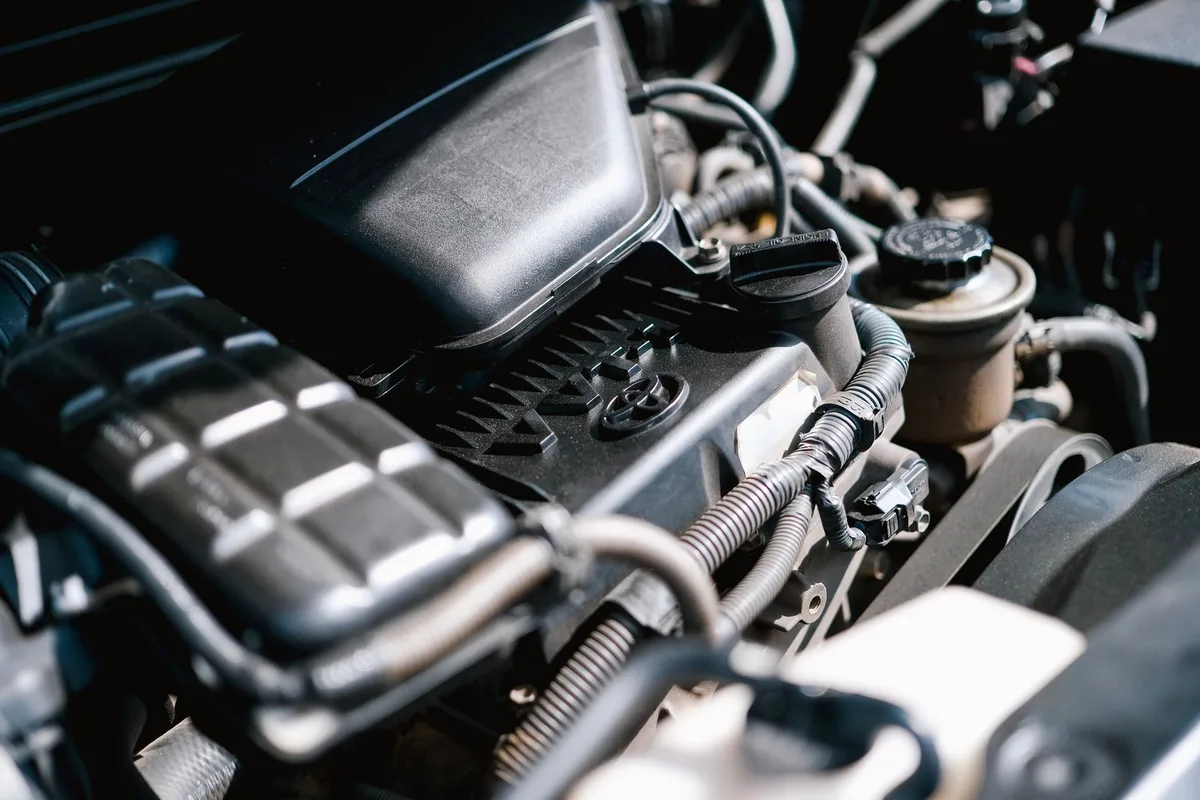
Why bother? That last connection often throws a small spark. You want it away from the battery, where hydrogen gas can collect.
Grounding to the engine keeps the spark in a safe zone.
It also gives you a cleaner electrical path. A solid chassis ground cuts resistance and helps the dead car crank stronger. Rain doesn't change this rule.
Bare metal, away from the battery, every time.
Mistakes That Turn a Wet Jump Start Into a Bad Day
Most wet jump starts go wrong for the same handful of reasons. Rushing to get out of the rain is behind nearly all of them.
- Clamping the last black cable straight onto the dead battery. That's the spark-near-gas mistake.
- Reversing red and black. This can damage electronics on both cars in a heartbeat.
- Letting the two clamps touch while the others are live. Instant short and sparks.
- Skipping the terminal cleaning. Wet, corroded posts give a weak or dead connection.
- Trying to jump a cracked or leaking battery. If the case is damaged, stop and don't connect it.
One more that catches people out. If the car starts and then dies the moment you pull the cables, the battery may not be holding charge. That points to a battery at the end of its life rather than a simple flat.
Expert Tips for Boosting a Car in a Storm
A few small habits make a wet jump start smoother and safer. None of them take extra time.
- Park the donor car nose-to-nose with yours so the cables reach easily.
- Use the bonnet as a rain shield and work underneath it.
- Wear insulated gloves for grip and dry hands, not because of shock risk.
- Take off rings and metal watches before you reach near the terminals.
- Let the revived car run 15 to 30 minutes, or drive it, so the alternator recharges.
If your car keeps needing jumps in cold, wet weather, the battery may be struggling. Low temperatures cut cranking power, and cold-weather voltage behaviour is worth checking before winter. A tired battery that limps through autumn often dies for good in a hard frost.
When to Stop and Call Roadside Assistance Instead
Sometimes the smart move is to stop and phone for help. A jump start won't fix every problem, and forcing it can make things worse.
Call for assistance if you spot any of these:
- The battery case is cracked, swollen, or leaking fluid.
- You smell rotten eggs, which signals a venting, overheating battery.
- The car cranks fine but won't catch, hinting at a fuel or starter fault.
- You're stopped on a motorway hard shoulder where working roadside is dangerous.
- The battery reads dead flat and won't respond, which may mean a deeper electrical fault.
Your safety beats a quick fix. If passing traffic is close or the weather is severe, sit tight in the car with your hazards on and wait. A tow costs less than a hospital visit.
Jumper Cables vs. Portable Jump Pack in Wet Weather
Both methods work in the rain, but they suit different drivers. The right pick comes down to whether you'll have a second car handy and how often you get stranded.
| Factor | Jumper cables | Portable jump pack |
|---|---|---|
| Needs a donor car | Yes | No |
| Connections to make | Four clamps | Two clamps |
| Rain exposure | Higher | Lower |
| Best for | Home, shared drives | Solo drivers, remote spots |
| Cost | Low upfront | Higher upfront |
Cables are cheaper and reliable, but they leave you hunting for a good Samaritan. A portable pack skips that problem. Fewer connections in the wet also means fewer chances to slip up.
For anyone who parks alone or drives rural roads, we'd lean toward the pack.
That said, a jump pack only helps if it's charged. Top it up every few months and after each use. A dead booster in your boot is no use in a storm.
After the Jump: Recharging and Checking Your Battery
Getting the engine running is only half the job. A jumped battery is nearly empty, and idling barely refills it. Drive for at least 20 to 30 minutes so the alternator can top it back up.
Short trips won't cut it. Start the car, drive five minutes, then switch off, and the battery may not have enough charge to crank again. Take the long way home after a jump.
Once you're back, check the battery's health. A resting reading below 12.4 volts hints at a weak cell. If it keeps dropping, testing it with a multimeter tells you whether to replace it.
You can confirm the alternator is charging by watching the voltage while the engine runs, which should sit around 13.7 to 14.7 volts.
Frequently Asked Questions
Can you get electrocuted jump starting a car in the rain?
No, you can't get electrocuted from a 12-volt car battery, wet or dry. That voltage is far too low to push dangerous current through your skin. Rain doesn't change it.
The real risks are sparks near the battery and reversed clamps, not shock.
Is it safe to jump a car battery in a thunderstorm?
Jumping the battery itself is safe, since the voltage is low. The bigger worry in a thunderstorm is standing exposed near lightning. If the storm is directly overhead, wait it out in the car.
Once the worst passes, a quick jump under the bonnet is fine.
Should I turn off the engine before connecting cables in the rain?
Yes, switch off both cars before you connect anything. Running electronics during a connection raises the chance of a voltage spike or spark. Turn off the ignition, lights, and accessories on both vehicles first.
Then connect the clamps in the correct order.
Why won't my car start even after a jump in the rain?
If a jump fails, the connection may be poor from wet or corroded terminals. Clean and dry the posts, then try again. If it still won't crank, the battery could be dead beyond recovery, or the fault lies with the starter or alternator instead.
Do portable jump starters work when they're wet?
Many portable jump starters carry a water resistance rating and handle light rain fine. Still, keep the unit as dry as you can and never submerge it. Shelter it under the bonnet while you work.
Check the manufacturer's specs for the exact rating before relying on it in heavy rain.
The Verified Bottom Line on Rain and Jump Starts
Rain isn't the danger people think it is. At 12 volts, a car battery can't shock you, wet or dry. You can jump start with confidence, as long as you keep the clamps dry and connect them in order.
The habits that matter are simple. Ground the last clamp to bare metal away from the battery. Never reverse red and black.
Clean the terminals and shelter the connection under the bonnet.
If the battery is cracked, leaking, or bone dead, stop and call for help instead. Once you're running again, drive long enough to recharge and check the battery soon after. Do that, and a rainy breakdown becomes a ten-minute fix rather than a real scare.
Similar Posts