How Long Does an AGM Battery Last? Lifespan Guide
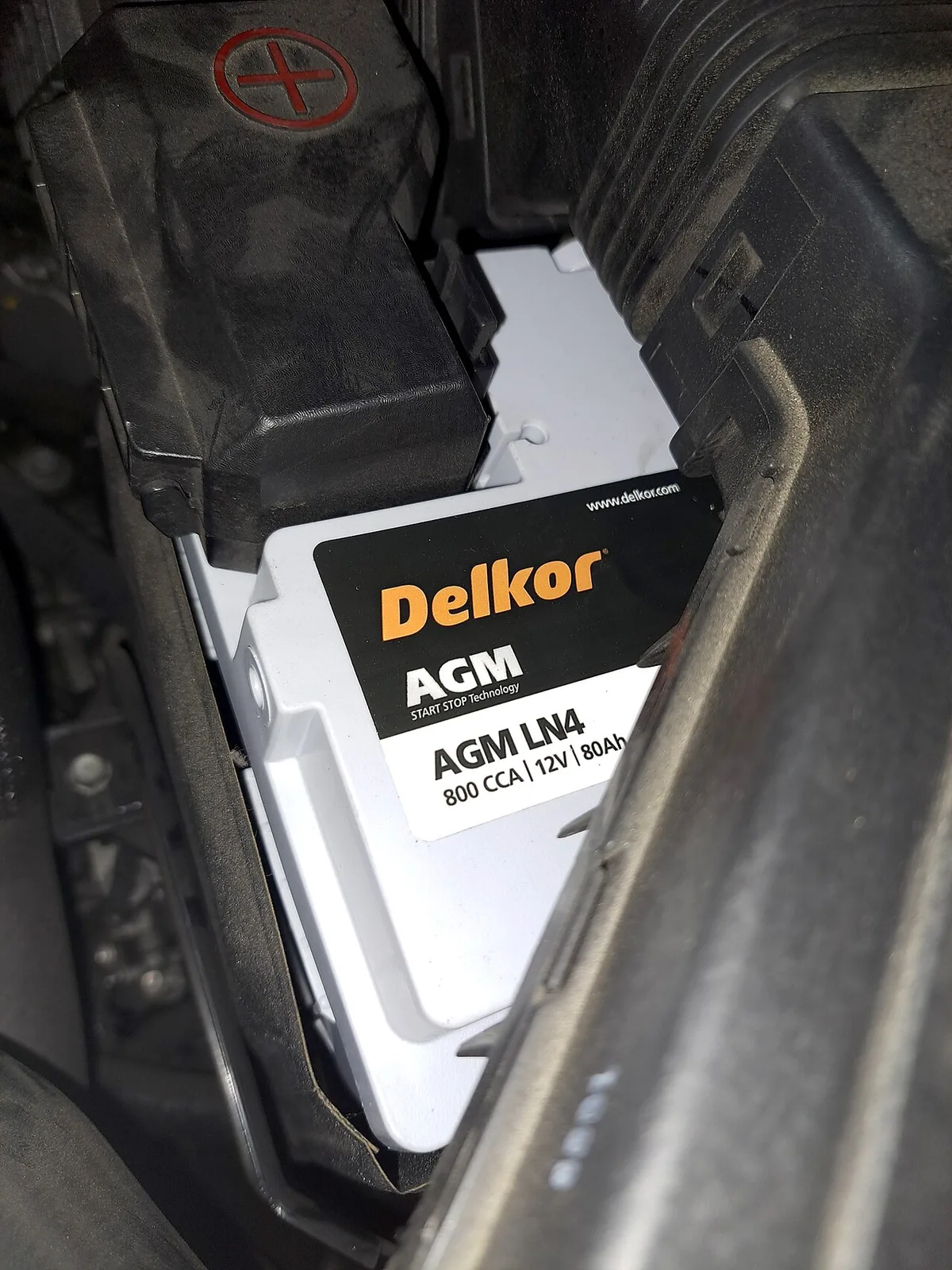
If you've just dropped good money on an AGM battery, you want to know it'll go the distance. How long does an AGM battery last? Most give you three to seven years of solid service, but that number swings hard based on how you use and charge it.
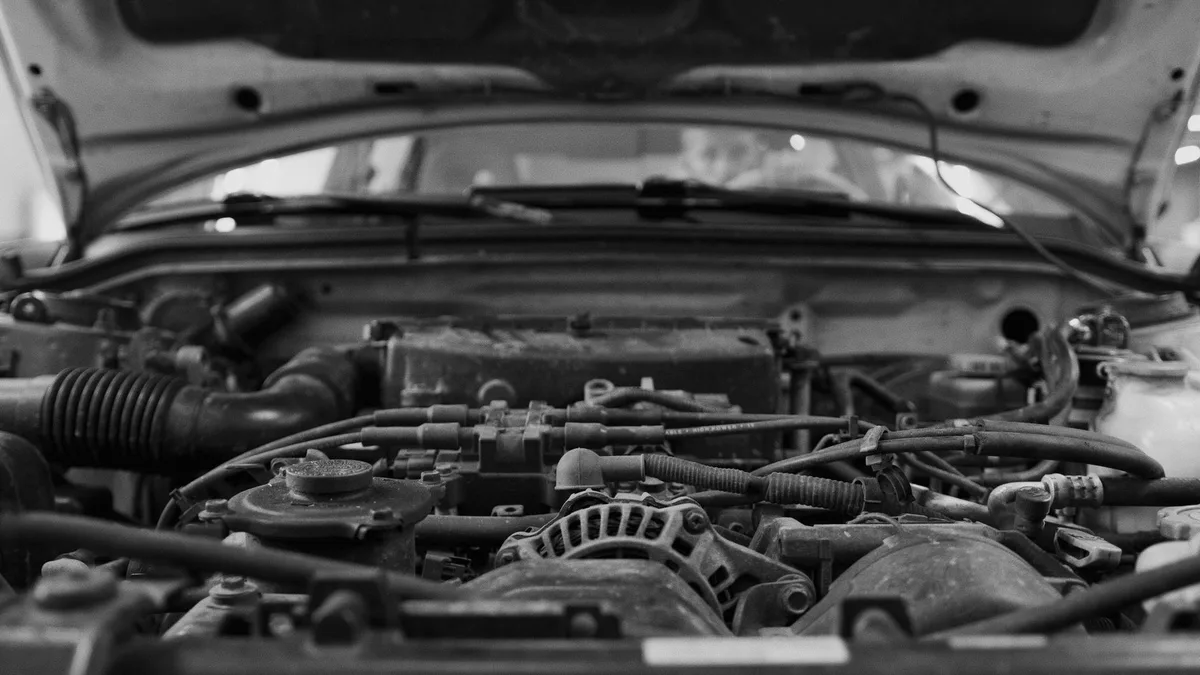
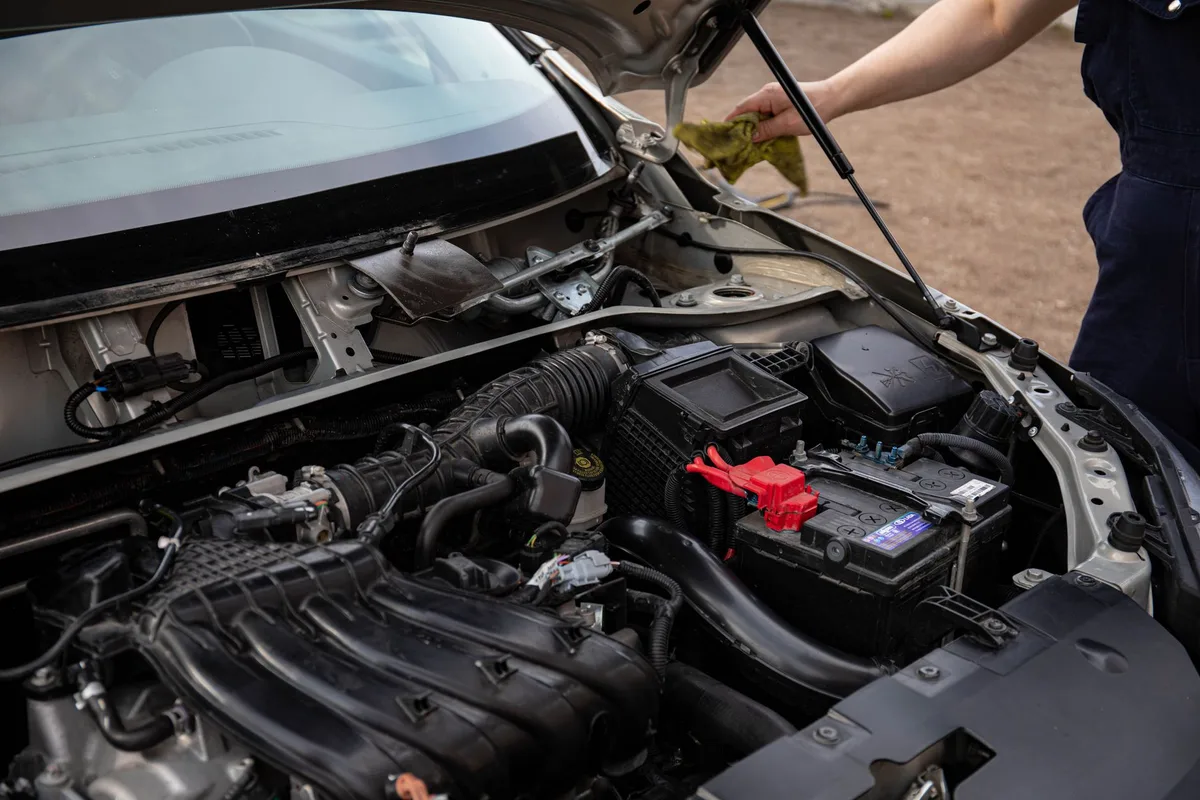
A starter battery baking in a hot engine bay lives a very different life than a deep-cycle unit sitting in a solar shed.
Manufacturer specifications indicate a quality AGM survives roughly 400 to 600 charge cycles at a 50% depth of discharge. That's the spec sheet. Real-world lifespan, as of 2026, comes down to heat, charging habits, and how deep you drain it.
Let's start with the numbers that actually matter.
Quick Answer
An AGM battery lasts three to seven years on average. Starter AGM batteries in cars last three to five years. Quality deep-cycle AGM batteries last four to seven years.
Premium TPPL models can reach eight to ten years. Heat, deep discharges, and chronic undercharging cut that lifespan fast.
Here's how the ranges break down by how the battery gets used:
| Application | Typical Lifespan |
|---|---|
| Car / start-stop starting | 3 to 5 years |
| RV house / marine deep-cycle | 4 to 7 years |
| Off-grid solar bank | 4 to 7 years |
| Premium TPPL AGM (ideal care) | 8 to 10 years |
| Motorcycle / powersports | 3 to 5 years |
| Golf cart / mobility scooter | 3 to 6 years |
Notice the spread. Two identical batteries can last twice as long as each other depending on care. The rest of this guide shows you why.
What "Lifespan" Really Means: Cycle Life vs. Calendar Life
There are two clocks ticking on every AGM battery, and people mix them up all the time.
Calendar life is simple. It's how many years the battery survives regardless of use. Even a battery on a shelf ages, because the internal chemistry slowly degrades.
AGM self-discharges at only about 1 to 3% per month, so they store well, but the calendar still runs.
Cycle life is different. It counts how many times you can discharge and recharge before capacity drops too low to use. One cycle means one drain and one refill.
A car starter battery barely cycles, so it usually dies of old age or heat. A solar or RV battery cycles daily, so it wears out by cycle count first.
Here's the part most guides skip. Your battery dies from whichever clock runs out first.
- A starter AGM in a hot climate often hits its calendar limit before it runs low on cycles.
- A deep-cycle AGM in a solar bank burns through cycles long before calendar age matters.
If you check a resting voltage and see something like what a 12.4 volt reading actually tells you, that's a snapshot of state of charge, not lifespan. Voltage tells you the battery's fuel level today. Cycle count and age tell you how much life is left in the tank.
Inside an AGM Battery: Why the Design Affects How Long It Lasts
AGM stands for Absorbent Glass Mat, and that mat is the whole reason these batteries last the way they do. It's a fine fiberglass separator that soaks up the acid electrolyte and holds it against the lead plates like a sponge. No sloshing liquid, no water to top off.
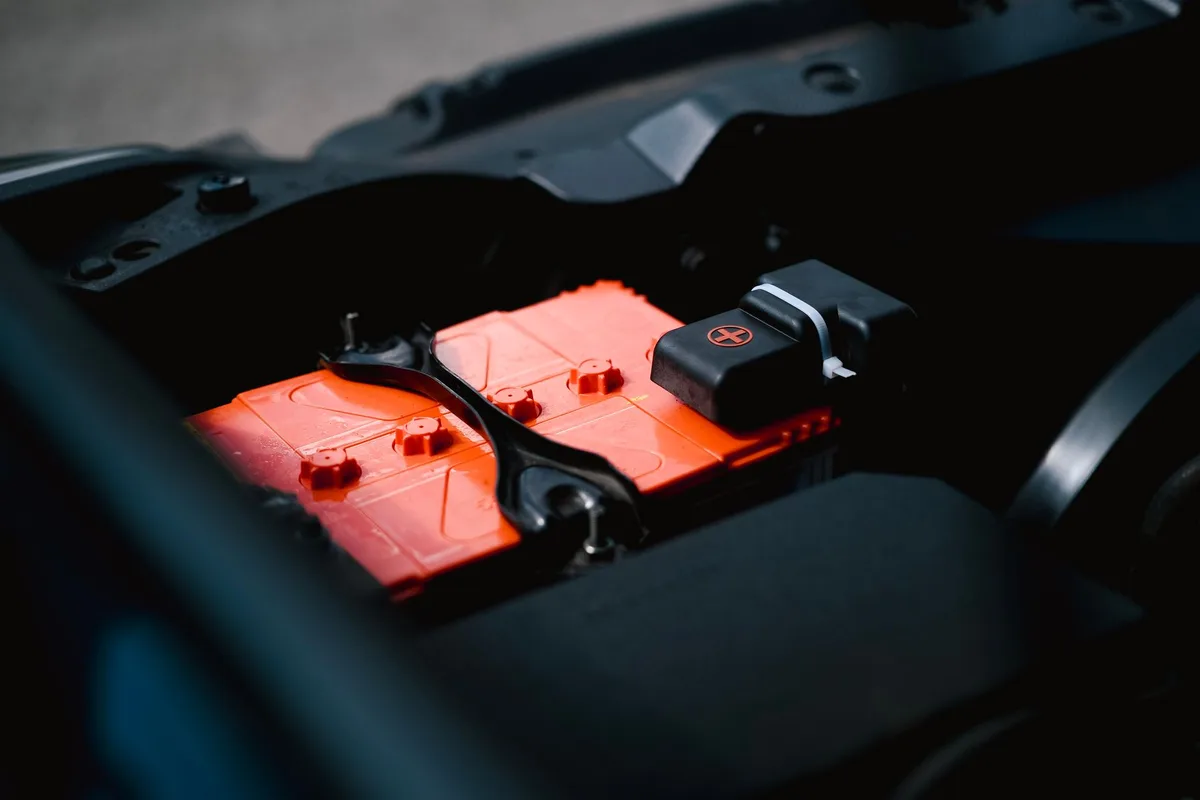
That design gives AGM its edge in a few ways that directly affect longevity:
- The tightly packed plates resist vibration, so they hold up in trucks, boats, and off-road rigs.
- The recombinant design captures oxygen and hydrogen inside a sealed case, so you never lose water.
- Lead-calcium plates lower self-discharge and slow corrosion compared to older designs.
AGM belongs to the VRLA family, short for Valve-Regulated Lead-Acid. A tiny one-way valve vents gas only if pressure climbs too high, which happens when you overcharge. That sealed setup is why AGMs are non-spillable and can mount on their side.
The U.S. Department of Energy covers the basic chemistry behind lead-acid storage in its energy research resources. The short version: a healthy AGM keeps its acid locked in that mat and its plates intact.
Anything that dries out the mat or corrodes the plates, mainly heat and overcharging, is stealing years off the clock.
AGM Lifespan by Application
The single biggest factor in AGM life is the job you give it. Same chemistry, wildly different outcomes.
Car and Start-Stop Starting Batteries
Starter AGMs in cars typically last three to five years. They fire a big burst of amps to crank the engine, then the alternator refills them right away. Shallow cycling like this is easy on the battery.
What kills them is heat under the hood and short trips that never fully recharge them. Start-stop vehicles work their AGM harder, cycling it at every red light. If you've noticed the voltage sagging hard on start-up, that's often an aging starter battery losing its punch.
RV House Banks and Marine Deep-Cycle
Deep-cycle AGMs in RVs and boats usually run four to seven years. These batteries drain slowly over hours to power lights, fridges, and pumps, then recharge overnight. They're built with thicker plates to survive that repeated deep draw.
Lifespan here lives and dies by depth of discharge. Keep drains shallow and recharge fully, and you'll land at the top of that range.
Off-Grid Solar Storage
Solar AGM banks also average four to seven years, sometimes less if they're worked hard. The killer in solar setups is chronic undercharging. Cloudy stretches leave the bank sitting partially charged for days, which drives sulfation.
Sized right and paired with a proper charge controller, a solar AGM bank hits its rated cycle life. Undersized and abused, it can fade in two to three years.
Motorcycles, Golf Carts, and Powersports
Powersport AGMs last three to five years, and golf cart banks three to six. Bikes stress the battery with vibration and long idle periods between rides. Golf carts cycle deeply almost every day, so they wear by cycle count.
For all of these, a maintenance charger during storage is the difference between five years and two.
The Real Killers: What Shortens AGM Battery Life
Most AGM batteries don't die of old age. They get killed early by a handful of avoidable mistakes.
Chronic Undercharging and Sulfation
This is the number one AGM killer. Every time the battery sits below a full charge, lead sulfate crystals harden on the plates. That's sulfation, and it permanently blocks capacity.
Leave a battery partially charged for weeks and you'll lose real capacity for good. Recharge fully and promptly after every use. A battery that regularly rests at low voltage, in the range where you'd ask whether 12.2 volts means trouble, is sulfating a little more each day.
Depth of Discharge Explained
Depth of discharge, or DoD, is how far you drain the battery before recharging. It's the biggest lever you have over cycle life. Shallow drains give you far more cycles than deep ones, and we'll put real numbers on that in the next section.
Heat, Cold, and Where You Mount It
Heat is a slow poison for AGM batteries. As a rule of thumb, battery life roughly halves for every 15°F above 77°F. An AGM in a Phoenix engine bay simply won't match one in a cool garage.
Cold doesn't destroy the battery, but it does cut available capacity and cranking power. If the numbers look low on a frosty morning, that's temporary, not damage. Mounting the battery away from direct engine heat, or in the cabin when possible, buys you extra years.
Wrong Charger, Wrong Voltage
AGM batteries need an AGM-specific charge profile. Use a charger set for flooded batteries and you'll either overcharge and dry out the mat, or undercharge and invite sulfation.
A quality AGM wants roughly 14.4 to 14.7V during absorption and 13.2 to 13.8V on float. Overcharging past that vents gas through the valve and slowly cooks the plates. A smart multi-stage charger that knows the AGM profile is one of the cheapest ways to protect your investment.
Depth of Discharge vs. Cycle Life: The Numbers That Matter
The relationship between how deep you drain and how many cycles you get isn't linear. It's exponential, and that works in your favor if you play it right.
Here's the trade-off laid out with resting voltage so you can check your own battery:
| Depth of Discharge | Resting Voltage | Approx. Cycles |
|---|---|---|
| 30% (shallow) | ~12.4V | 800 to 1,000+ |
| 50% (moderate) | ~12.1V | 400 to 600 |
| 80% (deep) | ~11.6V | 200 to 300 |
Look at the jump. Going from 50% to 30% DoD can nearly double your usable cycles. That's why solar and RV owners oversize their banks on purpose.
A quick example. Say you need 50Ah a day. A 100Ah AGM run to 50% DoD might give you 500 cycles, roughly 1.4 years of daily use.
A 200Ah bank pulling the same 50Ah only hits 25% DoD, stretching well past 1,000 cycles. Bigger bank, shallower cycles, longer life.
Charging Voltages and State-of-Charge Reference Chart
Voltage is the easiest way to read an AGM's health without special gear. Let the battery rest for a few hours off any charger or load, then measure across the terminals with a multimeter.
| State of Charge | Resting Voltage (12V AGM) |
|---|---|
| 100% | 12.8 to 13.0V |
| 75% | ~12.6V |
| 50% | ~12.1V |
| 25% | ~11.9V |
| Fully discharged | 11.6V or lower |
Charging voltages sit higher because you're pushing current in. Expect about 14.4 to 14.7V during absorption and 13.2 to 13.8V on float. If your charger holds the battery above 15V, stop.
That's overcharging, and it dries the mat.
New to the meter? Our walkthrough on dialing in the 20V DC range covers the exact setting for a 12V battery.
Signs Your AGM Battery Is on Its Way Out
A failing AGM usually warns you before it strands you. The trick is knowing what to watch for.

Keep an eye out for these red flags:
- Slow or lazy cranking, especially on cold mornings.
- Resting voltage that won't climb past 12.4V even after a full charge.
- Voltage that sags hard under load, then bounces back weakly.
- A swollen or bulging case, which points to past overcharging.
- Needing a jump or recharge more often than it used to.
A resting reading stuck near the range where a battery counts as dead means the AGM has lost real capacity. A load test at an auto parts store confirms it. If it fails a 15-second load test, replacement time has come.
How to Make an AGM Battery Last Longer
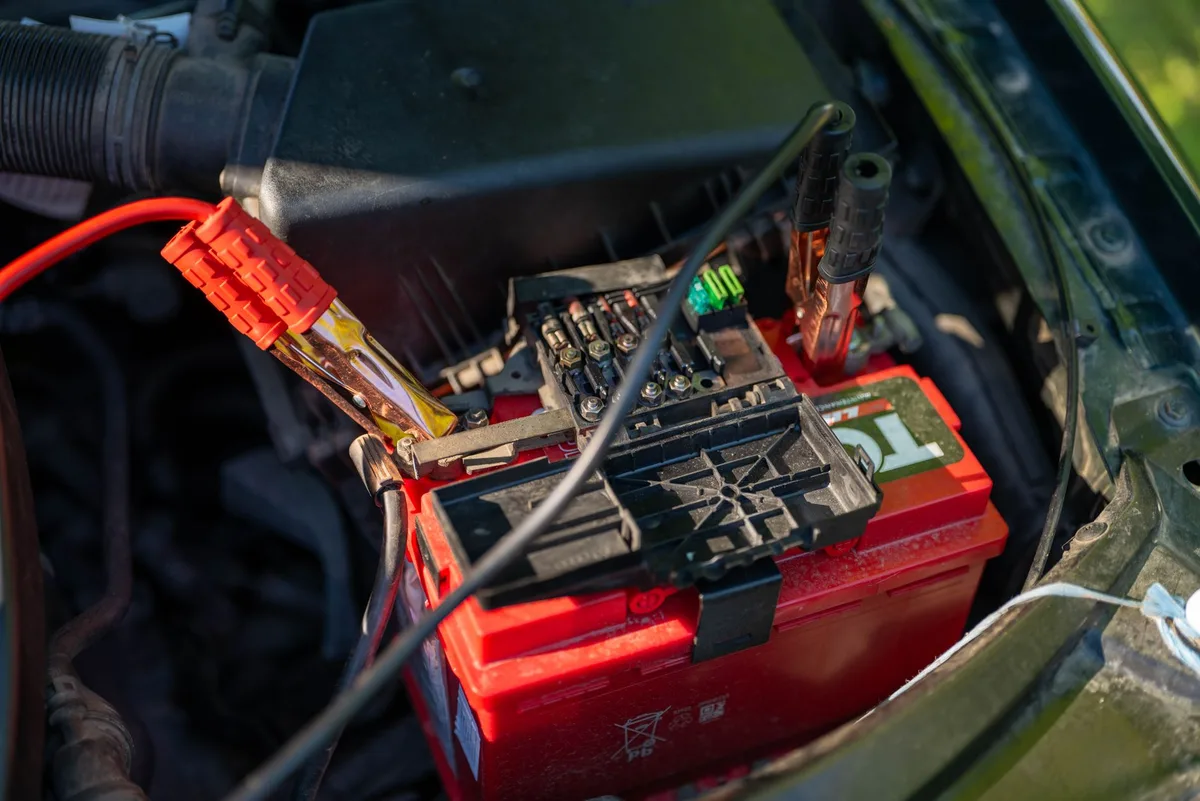
Good habits easily add two or three years to an AGM's life. None of this is complicated, and it all comes back to charging, storage, and monitoring.
Charging It the Right Way
Always use an AGM-compatible smart charger with a multi-stage profile. It ramps through bulk, absorption, and float without overshooting. Recharge fully after every deep use, and never leave the battery sitting half-empty for days.
Temperature-compensated charging helps too. It trims voltage in heat and bumps it in cold, keeping the charge accurate year-round.
Storage and Off-Season Maintenance
For winter layup or long gaps, keep the battery topped off. A maintenance charger or trickle charger on float holds it at full charge without cooking it. AGM self-discharges slowly, but months of neglect still invite sulfation.
Store it somewhere cool and dry. A garage beats a hot shed every time, since heat ages the battery even while it sits idle.
Testing and Monitoring
Check resting voltage every month or two with a multimeter. Catching a slow drop early lets you recharge before sulfation sets in. For RV and solar banks, a shunt-based battery monitor tracks true state of charge and amp-hours in and out.
If your battery keeps draining between uses, hunt down the cause. Our guide on tracking down a stubborn drain walks through testing for parasitic loads.
AGM vs. Flooded, Gel, and Lithium: Lifespan and Cost Compared
AGM sits in the middle of the pack on both price and longevity. Knowing where it wins helps you decide if it's the right call.
| Battery Type | Typical Lifespan | Relative Cost | Best For |
|---|---|---|---|
| Flooded lead-acid | 3 to 5 years | Low | Budget builds, ventilated spaces |
| Gel | 4 to 6 years | Medium-high | Slow, deep discharges |
| AGM | 4 to 7 years | Medium | Vehicles, RVs, marine, backup |
| Lithium (LiFePO4) | 8 to 15 years | High | Heavy daily cycling, weight-sensitive setups |
Flooded batteries cost the least but need water top-offs and ventilation. Gel handles deep discharges well but hates fast charging. Lithium lasts the longest and cycles thousands of times, though the upfront price stings.
AGM is the practical middle ground. It's maintenance-free, vibration-tough, and spill-proof, which is why it dominates cars, boats, and backup power. If you cycle daily and want maximum years per dollar, lithium wins long-term.
For everything else, a well-cared-for AGM is hard to beat.
What It Costs Over Time: Price vs. Years of Service
A standard 12V AGM battery runs roughly $150 to $300, as of 2026, depending on group size and brand. Premium TPPL models from names like Odyssey or NorthStar climb to $300 or more, but they also last longer.
The smarter way to judge cost is dollars per year of service. A $200 AGM that lasts five years costs $40 a year. A cheap flooded battery at $120 lasting three years costs the same $40, plus the hassle of topping off water.
AGM usually wins on convenience even when the raw price is higher.
Safe Handling, Off-Gassing, and Recycling
AGM batteries are sealed and non-spillable, so they're safe to mount in enclosed spaces. That said, overcharging can force the valve to vent hydrogen gas. Keep chargers set to the correct AGM profile and give the battery some airflow during charging.
Never throw a dead AGM in the trash. Lead-acid batteries are about 99% recyclable, and most retailers take old units back through a core charge program. The U.S.
EPA covers proper battery disposal on its official site. Recycling keeps lead out of landfills and often puts a few dollars back in your pocket.
Common Mistakes That Cut AGM Life in Half
Most premature failures trace back to a short list of avoidable errors. Steer clear of these:
- Leaving the battery partially charged for weeks, which drives sulfation.
- Using a flooded or generic charger instead of an AGM profile.
- Running deep discharges past 80% on a regular basis.
- Mounting it next to a heat source like a turbo or exhaust.
- Skipping maintenance charging during winter or long storage.
- Ignoring early warning signs until the battery strands you.
Fix even two or three of these and you'll often push a five-year battery closer to seven.
Frequently Asked Questions
Can an AGM battery last 10 years?
Yes, but only premium AGM batteries under near-ideal conditions. TPPL models kept cool, charged correctly, and cycled shallowly can reach eight to ten years. Most standard AGMs land in the three-to-seven-year range.
Heat and deep discharges are what keep the average lower.
How do I know when to replace my AGM battery?
Replace it when resting voltage won't hold above 12.4V after a full charge. Slow cranking, frequent recharging, and a failed load test all confirm the battery has lost usable capacity. A swollen case means it's already done.
Does leaving an AGM battery unused kill it?
Sitting unused won't kill it quickly, but a slow drain will. AGM self-discharges at 1 to 3% a month, and any parasitic load speeds that up. Left at low charge for weeks, it sulfates and loses capacity.
A maintenance charger prevents this.
Is it worth paying more for a premium AGM battery?
For heavy or daily cycling, yes. Premium AGMs use thicker plates and better construction, adding two to four years of service. For a light-duty car that barely cycles, a mid-range AGM usually delivers all the life you need.
Getting the Most Years Out of Your AGM Battery
The lifespan of an AGM comes down to three things you control: how deep you drain it, how well you charge it, and how much heat it endures. Nail those, and even a mid-priced battery reaches the top of its range.
Keep cycles shallow, recharge fully with the right profile, and store it cool and topped off. Check the voltage now and then so problems don't sneak up on you. Do that, and your AGM will give you every year it was built for.

Similar Posts