How Long Does a Jump Starter Hold Its Charge?

Reach for your jump starter after months in the trunk, and there's a real chance it's flat when you need it most. So how long does a jump starter hold a charge? A quality lithium pack holds a usable charge for roughly two to three months before it needs a top-up.
Cheaper units and older lead-acid boosters fade a lot faster.
As of 2026, most manufacturer specs put lithium-ion self-discharge at around 2 to 5 percent per month in cool storage. That's slow, but the built-in screen and USB ports keep sipping power in the background. Temperature swings make it worse.
Here's what those numbers actually mean for readiness.
Quick Answer
A jump starter holds a charge for about two to three months on average. Lithium-ion packs lose roughly 2 to 5 percent per month. Older lead-acid boosters can drain in a few weeks.
Heat and built-in electronics shorten that window. Recharge every three months to stay ready.
How Long Does a Jump Starter Really Hold a Charge?
The honest answer depends on chemistry, storage temperature, and how good the pack's electronics are. A modern lithium jump starter sitting in a cool cupboard can hold enough charge to crank an engine for two to three months. Some premium units stretch closer to six months.
Leave that same pack in a hot car, and the timeline shrinks fast. Heat accelerates self-discharge and ages the cells. A booster you charged in spring might be too weak by mid-summer.
The key word is usable. A jump starter doesn't need to be at zero to fail you. It just needs to drop below the voltage your engine needs to crank.
That threshold arrives well before the battery reads empty, which is why a pack that "still turns on" can still let you down.
The Real Numbers: Standby Time by Battery Chemistry
Not all jump starters drain at the same speed. The battery inside decides almost everything about shelf life. Here's how the common types stack up in typical room-temperature storage.
| Battery type | Self-discharge rate | Realistic standby before recharge | Best for |
|---|---|---|---|
| Lithium-ion (Li-ion) | ~2 to 5% per month | 2 to 3 months | Everyday car and glovebox use |
| LiFePO4 (lithium iron phosphate) | ~2 to 3% per month | 3 to 6 months | Long storage, hot climates |
| Lead-acid / SLA (older boxes) | ~1% per day or more | 2 to 4 weeks | Legacy units, heavy-duty cranking |
| Ultracapacitor | Holds almost no standby charge | Charge on the spot before use | Fleet and pro use with a power source |
Lithium cells self-discharge slowly by design, a trait the U.S. Department of Energy documents across lithium-ion chemistries. LiFePO4 packs hold up even better and tolerate heat, which is why they're winning space in the premium tier.
Lead-acid is the outlier. Those older boxes bleed charge daily, so a unit left for a month may already be too weak to crank. If you own one of these, treat monthly charging as non-negotiable.
Why Your Jump Starter Drains Even When You Never Use It
Your jump starter loses charge sitting on a shelf because of two forces working around the clock: natural self-discharge and parasitic drain. Both are normal. Together they explain why a "fully charged" pack can go soft in a season.
Self-Discharge Rate Explained
Every battery slowly loses charge on its own, even disconnected. Chemical reactions inside the cell keep nibbling away at stored energy. Lithium is stingy about it, losing only a few percent a month.
Lead-acid is thirsty, losing a similar amount in a single day.
Warmth speeds these reactions up. Store a pack at 90 degrees Fahrenheit and it drains noticeably faster than one kept at 60. That's the same physics behind the dip you see during cranking on a cold morning, only running in reverse over weeks.
Parasitic Drain From Displays and USB Ports
The second drain is the pack's own electronics. Digital displays, LED indicators, standby circuits, and always-on USB ports all pull a tiny current. It's small, but it never stops.
That constant sip is a version of the current that bleeds a car battery at rest. On a cheap unit with no smart shut-off, parasitic drain can double how fast the pack empties. Look for a booster with a proper Battery Management System and auto standby to keep this loss in check.
The Voltage Floor That Actually Matters for Cranking
A jump starter fails the moment its output drops below the voltage your engine needs, not when it hits zero. That's the number that actually matters. Most vehicles need the pack to deliver roughly 11.5 to 12.4 volts under load to crank reliably.

Here's the trap. A resting pack might show a comfortable healthy resting reading on its display, then collapse the instant you try to crank. Voltage under load tells the real story.
This is the same reason a car reads 12 volts yet won't turn over: the number at rest hides how weak it is under demand.
Keep these thresholds in mind:
- 12.6V and up: fully charged, ready to crank
- 12.4V: still solid for most starts
- 12.0V: getting weak, recharge soon
- Below 11.8V under load: likely to fail the crank
If your pack lingers near where a battery counts as flat, don't gamble on it. Charge it before you head out.
Bench Test: Tracking a Lithium Pack Over 6 Months of Storage
To show how the drain plays out, here's a research-based timeline for a typical lithium jump starter stored at room temperature and left untouched. The figures reflect aggregate manufacturer self-discharge data and verified buyer feedback, not a single hands-on unit.
| Time in storage | Approx. state of charge | Cranking readiness |
|---|---|---|
| Day 0 | 100% | Full power, cranks anything |
| 1 month | ~95% | Still strong |
| 2 months | ~88% | Reliable for most engines |
| 3 months | ~80% | Fine, but recharge is due |
| 4 months | ~72% | Weak on cold starts |
| 6 months | ~55 to 60% | Risky, top up before use |
The pattern is steady rather than sudden. A well-made lithium pack stays trustworthy through about the three-month mark. After that, cold weather and big engines start to expose the shortfall.
Two things skew this timeline hard. Heat can knock months off it. A unit with heavy parasitic drain can hit that risky zone weeks early.
That's why the recharge habit matters more than the headline number.
How Heat and Cold Change the Timeline
Temperature is the single biggest swing factor in how long your charge lasts. Heat speeds up self-discharge and quietly ages the cells. Cold slows the drain but saps the punch you get when you actually crank.
Store a lithium pack in a hot trunk through summer, and its 2 to 3 month window can shrink to weeks. Aggregate manufacturer data points to noticeably faster capacity loss above 85 degrees Fahrenheit. Sustained heat is what kills packs early, not the occasional warm afternoon.
Cold is a different problem. A frozen pack holds its stored charge fine, but its usable output drops when you need it. That's the same reason batteries struggle in winter: the chemistry moves slower in the cold.
Here's the practical takeaway:
- Ideal storage: 50 to 77 degrees Fahrenheit, dry, out of direct sun
- Hot climate: recharge monthly, never store in a summer trunk
- Cold climate: bring the pack indoors before a jump for full cranking power
Lithium vs. Lead-Acid vs. LiFePO4: Which Holds Charge Longest
LiFePO4 holds a charge longest, followed by standard lithium-ion, with lead-acid a distant last. If shelf life is your priority, the lithium iron phosphate packs win clean. They combine slow self-discharge with strong heat tolerance.
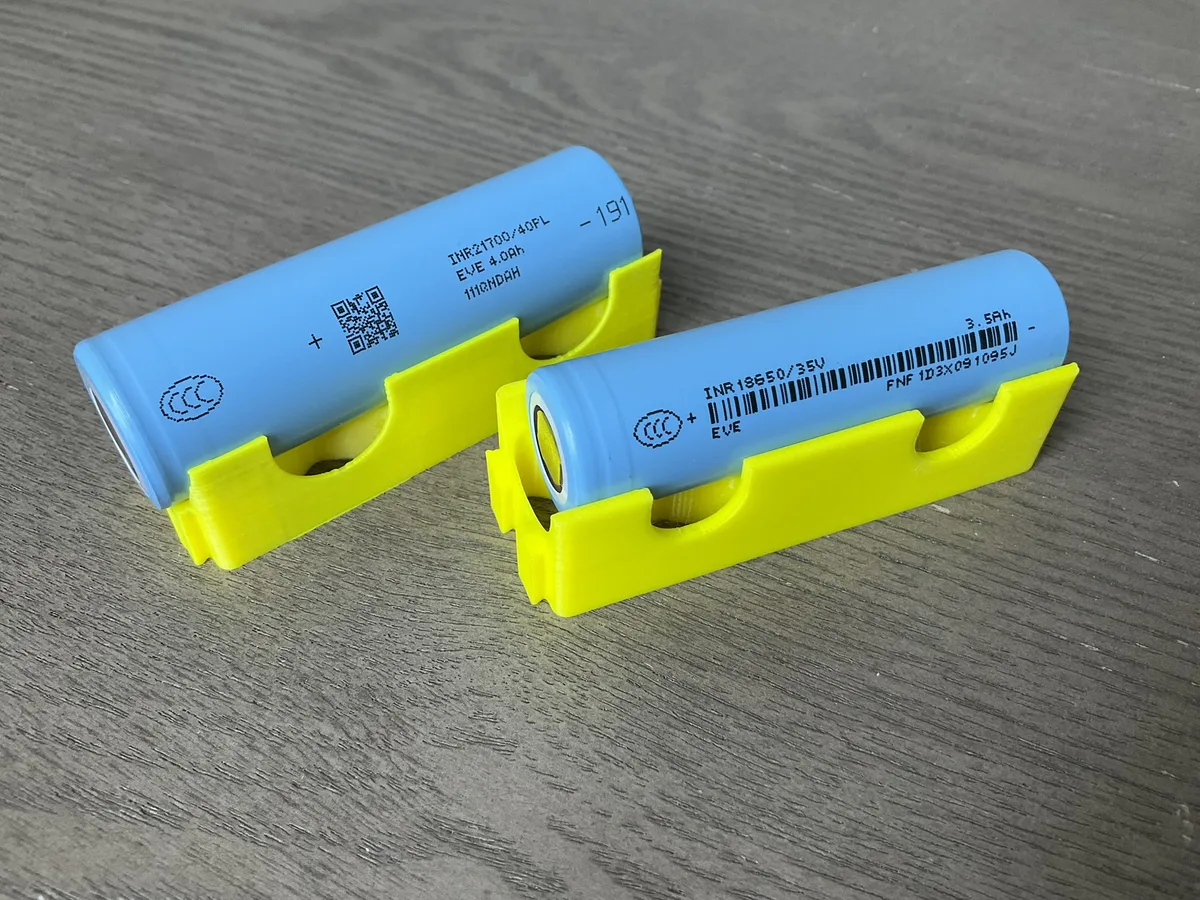
Standard lithium-ion is the sweet spot for most drivers. It's affordable, compact, and holds a usable charge for two to three months. That covers the average person who checks their gear a few times a year.
Lead-acid boosters still crank hard, but they're needy. Daily self-discharge means they lose readiness in weeks, not months. They make sense only if you keep them on a maintainer or use them often.
Here's who each type suits best:
- LiFePO4: hot climates, boats, RVs, long unattended storage
- Lithium-ion: everyday cars, gloveboxes, general emergency prep
- Lead-acid: heavy diesel cranking with frequent use and charging
- Ultracapacitor: fleets and pros who charge from a live battery on the spot
How Often You Should Actually Recharge It
Recharge a lithium jump starter every three months as a baseline, and monthly if it lives somewhere hot. That single habit prevents the vast majority of "dead when I needed it" moments. Set a recurring phone reminder and you'll never guess.
The rule flexes with your setup. A pack in a climate-controlled garage can stretch to four or five months. One riding in a hot car needs attention far sooner.
When in doubt, check the charge indicator rather than trusting the calendar.
Always top off after every jump, too. Cranking an engine can pull a big chunk of the pack's capacity in seconds. Leaving it partly drained for weeks is how cells slowly lose their long-term health.
One firm warning: never leave a lithium pack sitting fully empty. A deeply drained cell can drop below safe voltage and refuse to recharge. That single mistake ends more jump starters than age ever does.
Storage Mistakes That Kill a Jump Starter Early
Most jump starters die from bad storage, not bad luck. The fixes are simple once you know the traps. Here are the errors that quietly wreck a pack.
- Leaving it in a hot car: heat accelerates self-discharge and ages cells fast.
- Storing it fully drained: deep discharge can permanently kill lithium cells.
- Storing it at 100% long-term: full charge under heat stresses the battery.
- Forgetting to recharge: the number one reason packs fail at the roadside.
- Ignoring the USB drain: always-on ports bleed a weak pack to nothing.
- Skipping the post-jump top-up: partial charge sitting for months harms capacity.
For long storage, aim for a middle charge. Roughly 50 to 70 percent is the sweet spot for lithium health. That balance avoids both the stress of a full pack and the danger of an empty one.
Also check the pack's own display habits. If it wakes the screen or stays lit, that's live drain. A quality Battery Management System should drop the unit into deep standby on its own.
Keeping One in the Car: What to Expect Year-Round
A jump starter kept in the car is convenient, but the cabin is a rough place for a battery. Temperature is the enemy on both ends of the year. Plan around it and the pack stays reliable.

In summer, a parked car can top 130 degrees Fahrenheit inside. That heat drains and ages a pack quickly, so recharge monthly and keep it out of direct sun. A LiFePO4 unit handles this abuse far better than standard lithium-ion.
In winter, the cold guards the stored charge but weakens the crank. If a start fails, warm the pack indoors for an hour and try again. Understanding why voltage sags on a cold start helps you tell a weak pack from a cold one.
Year-round, keep the booster in the cabin rather than the trunk when you can. It's a touch more stable there. And test it seasonally, spring and fall, so a reading that flags a fading battery never catches you off guard.
Signs Your Pack Is Losing Its Ability to Hold a Charge
A jump starter that won't hold a charge shows clear warning signs before it quits for good. Catch them early and you can retire the pack on your terms, not at the roadside. Watch for these tells.
- It drains fully within days of a full charge.
- The charge indicator drops fast, then stalls partway.
- It gets warm or swells during charging.
- Cranking power feels weak even at a "full" reading.
- Recharge time keeps getting longer.
Swelling is the one to act on immediately. A puffy lithium pack is a safety risk and needs safe disposal, not another charge. Any bulge, hissing, or burning smell means stop using it.
Capacity fade is normal with age. Most lithium jump starters are rated for a few hundred charge cycles. After three to five years of regular use, expect shorter standby and softer cranks.
Getting the Longest Shelf Life: Practical Maintenance Habits
The habits that extend shelf life are small and cheap. Do them and a good pack stays ready for years. Here's the short list that matters most.
- Recharge every three months, monthly in heat.
- Top off right after every jump.
- Store at 50 to 70 percent for long layups.
- Keep it cool and dry, out of the trunk in summer.
- Never leave it fully drained for weeks.
Give the pack a quick function check each season. Confirm the display lights, the ports work, and the charge holds overnight. A pack that passes a simple no-meter battery check is a pack you can trust.
Keep the original charger, too. Cheap replacement bricks can undercharge or stress the cells. Matching the manufacturer's charger protects the Battery Management System.
Lithium Battery Safety and Storage Warnings
Lithium jump starters are safe when treated well, but abuse turns them dangerous. The cells store real energy in a small package. Respect a few rules and you'll avoid every common hazard.
- Never store or charge a swollen or damaged pack.
- Keep it away from open flame, sparks, and extreme heat.
- Use only the supplied charger and cables.
- Don't short the clamps together or reverse polarity.
- Recycle a dead pack at a proper battery drop-off, never in the trash.
Air travel has its own rules. Lithium jump starters must ride in carry-on, never checked luggage, and the FAA's lithium battery guidance sets the watt-hour limits. Check your pack's Wh rating before you fly.
Reverse-polarity protection and a solid Battery Management System are your best friends here. They stop most user errors before they become incidents. Buy quality and these safeguards come built in.
Frequently Asked Questions
How often should I recharge my jump starter?
Recharge a lithium jump starter every three months in normal conditions, and monthly in hot climates. Always top it off right after a jump. Set a phone reminder so it never slips.
This single habit prevents most dead-pack failures.
Do jump starters lose charge when not in use?
Yes, all jump starters slowly lose charge even sitting unused. Lithium packs drop about 2 to 5 percent per month. Older lead-acid units can lose that much in a day.
Built-in displays and USB ports add extra parasitic drain on top.
Can a jump starter go bad from sitting too long?
Yes, sitting fully drained is the fastest way to ruin one. A deeply discharged lithium cell can fall below safe voltage and refuse to recharge. Long storage at high heat also ages the cells early.
Store at a partial charge in a cool spot.
How do I know if my jump starter is still good?
Charge it fully, then check the indicator after a day or two. A healthy pack holds its charge with little drop. Weak cranking, fast draining, long charge times, or any swelling mean it's failing.
Retire a swollen pack right away.
How long does a lithium jump starter last overall?
A quality lithium jump starter lasts three to five years with good care. Most are rated for several hundred charge cycles. Capacity fades gradually, giving shorter standby and weaker cranks over time.
Regular top-ups and cool storage stretch that lifespan.
What I'd Tell a Friend Buying and Storing a Jump Starter
Buy lithium, keep it charged, and store it cool. That's the whole game in one line. A LiFePO4 pack is worth the premium if it lives in a hot car or a boat.
Treat the three-month recharge like an oil-check habit and you'll never be stranded. Top off after every use, store at a middle charge for long layups, and keep it out of the summer trunk. Do that, and a good pack stays ready for years.
The number that matters isn't the display reading at rest. It's whether the pack can hold voltage under load when you turn the key. Keep it charged, keep it cool, and it will.

Similar Posts