What Is a Battery Group Size? A Simple Guide
If you've ever stood at the parts counter trying to figure out what is a battery group size, you're in good company. It sounds technical, but the idea behind it is simple. A group size is a standardized code that describes a battery's physical dimensions, its terminal type, and where the posts sit.
It tells you nothing about how strong the battery is.
That code comes from the Battery Council International, or BCI, the body that sets these standards across North America as of 2026. Get the group size right and your new battery drops into the tray and bolts down clean. Get it wrong and you're making a second trip.
Let's break down what the number actually means and how to match it to your car.
Quick Answer
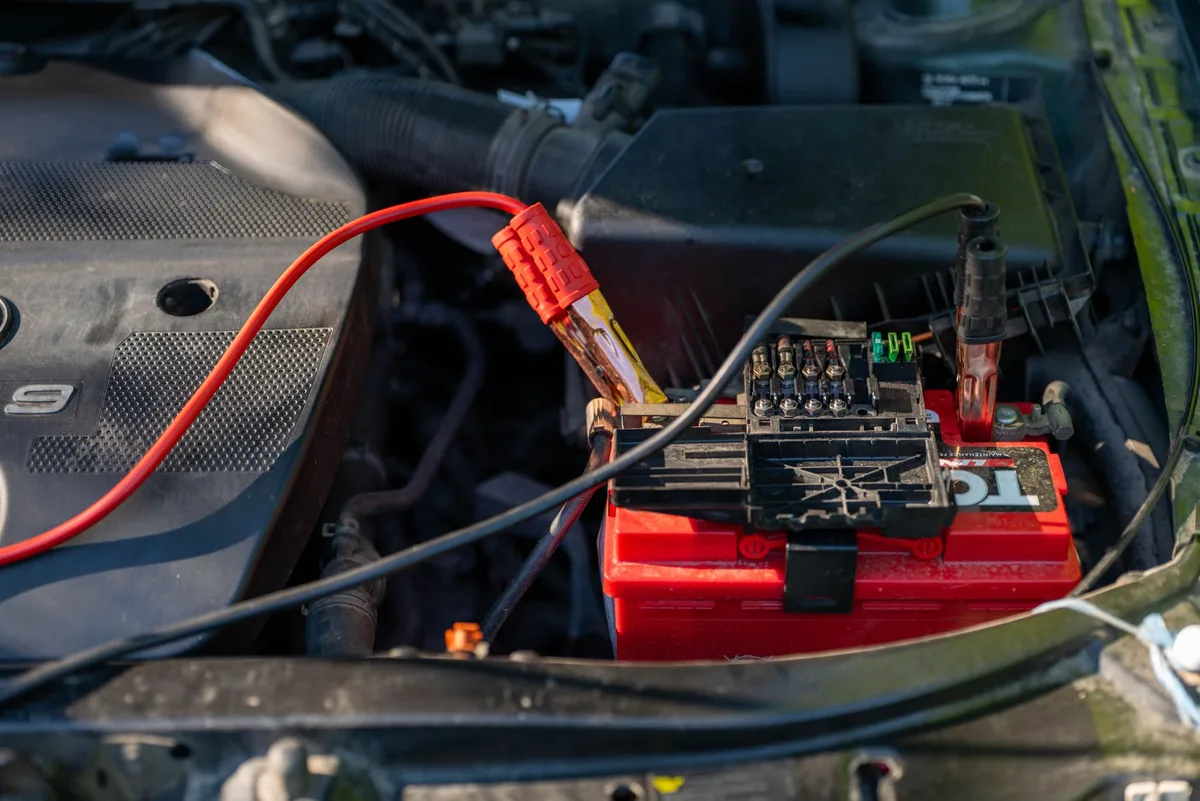
A battery group size is a standardized code for a battery's physical fit. It sets the length, width, and height of the case. It also defines the terminal type and post location.
The Battery Council International assigns these numbers. Group size does not measure power, cranking amps, or capacity.
What a Battery Group Size Actually Tells You (and What It Doesn't)
Group size is about fitment, plain and simple. Two batteries can wear the same group number and still perform very differently. The number is a shape and layout code, not a quality score.
Here's what a group size does tell you:
- The case dimensions (length, width, and height)
- The terminal type (top post, side post, or stud)
- Where the positive and negative posts sit
- Whether the hold-down style will clamp it down
And here's what it does not tell you:
- How many cold cranking amps the battery pushes
- The reserve capacity or amp-hour rating
- The chemistry inside (flooded, AGM, or EFB)
- The brand's build quality or warranty length
So a bigger group number never means a stronger battery. A Group 24 and a Group 65 are just different shapes built for different engine bays. Think of group size like a shoe size.
A size 10 tells you the fit, not how fast the runner is.
How BCI Group Sizes Work: Dimensions, Terminals, and Polarity
BCI group sizes give every battery a common language. When a battery is labeled Group 35 or Group 48, any brand making that size builds to the same outer dimensions and post layout. That's why you can swap brands and still trust the fit.
You can see the full standard through the industry group that publishes it.

What the Letters and Numbers Mean
The number is the core size code. The letters after it change the layout, not the footprint. A few you'll run into:
- F suffix (like 24F): the terminals sit on the front edge, and polarity is often flipped
- R suffix (like 51R): the positive and negative posts are reversed from the standard version
- H-series (H5, H6, H8): the European labels that map to sizes like 47, 48, and 49
So a Group 24 and a Group 24F share the same case size but place the terminals differently. That small F changes everything about how your cables reach.
Why Terminal Position and Polarity Matter
Terminal position matters as much as the case size. If the posts sit on the wrong side, your battery cables may not stretch to reach them. Worse, reversed polarity can put positive next to a cable meant for negative.
Hooking a battery up backward can fry your electronics in seconds. Always confirm the post layout before you buy, not after. A battery that fits the tray but flips the terminals is still the wrong battery.
Group Size vs. CCA vs. Reserve Capacity: Don't Mix Them Up
These three specs get jumbled together all the time, and they measure completely different things. Group size is physical fit. CCA and reserve capacity are about performance.
You need to match all three, but they're not interchangeable.
Here's how they line up:
| Spec | What it measures | What it controls |
|---|---|---|
| Group size | Physical dimensions and terminal layout | Whether the battery fits and bolts down |
| CCA (Cold Cranking Amps) | Starting power in cold weather | How well it turns over a cold engine |
| Reserve Capacity | Minutes of steady output | How long accessories run if charging fails |
CCA is the big one for cold starts. It rates how many amps the battery delivers at 0°F while holding usable voltage. If you live somewhere that actually freezes, this number carries real weight, and our guide on how much power the battery needs walks through the math.
Reserve capacity, measured in minutes, tells you how long the battery can run your lights and pump if the alternator quits. Both of these can climb or drop while the group size stays the same. Cold climates also drag starting power down, which is why freezing-weather behavior is worth understanding before winter hits.
The rule is simple. Match the group size for fit, then meet or beat the factory CCA and reserve capacity. If a battery reads fine on a meter but still won't turn the engine, weak cranking power is often the reason, and that exact 12-volt puzzle is more common than people think.
BCI, DIN/EN, and JIS: The Standards Behind the Numbers
Group size codes aren't universal worldwide. Different regions use different systems, and knowing which one you're looking at saves confusion. Most drivers only ever deal with one, but crossovers happen with imported cars.
The three big standards:
- BCI: the North American system, using numbers like 24, 35, 48, and 65
- DIN and EN: the European standards, common on German and other EU vehicles
- JIS: the Japanese standard, found on many imports from Japan
A car built for the Japanese or European market may list a JIS or EN size instead of a BCI number. Many battery makers print a cross-reference on the label or in their fitment guide. If your vehicle came from overseas, don't assume the BCI chart covers it.
The good news is that reputable retailers translate between systems for you. Punch in your year, make, and model, and the lookup returns the correct code in whichever standard applies. When in doubt, trust the fitment tool over a guess based on the old label alone.
How to Find the Right Group Size for Your Vehicle
Finding your correct group size takes three reliable checks. Start with what's already in the car, then confirm with a lookup, and only measure if you plan to change sizes. Nail these and you'll never guess.
Read the Old Battery and Owner's Manual
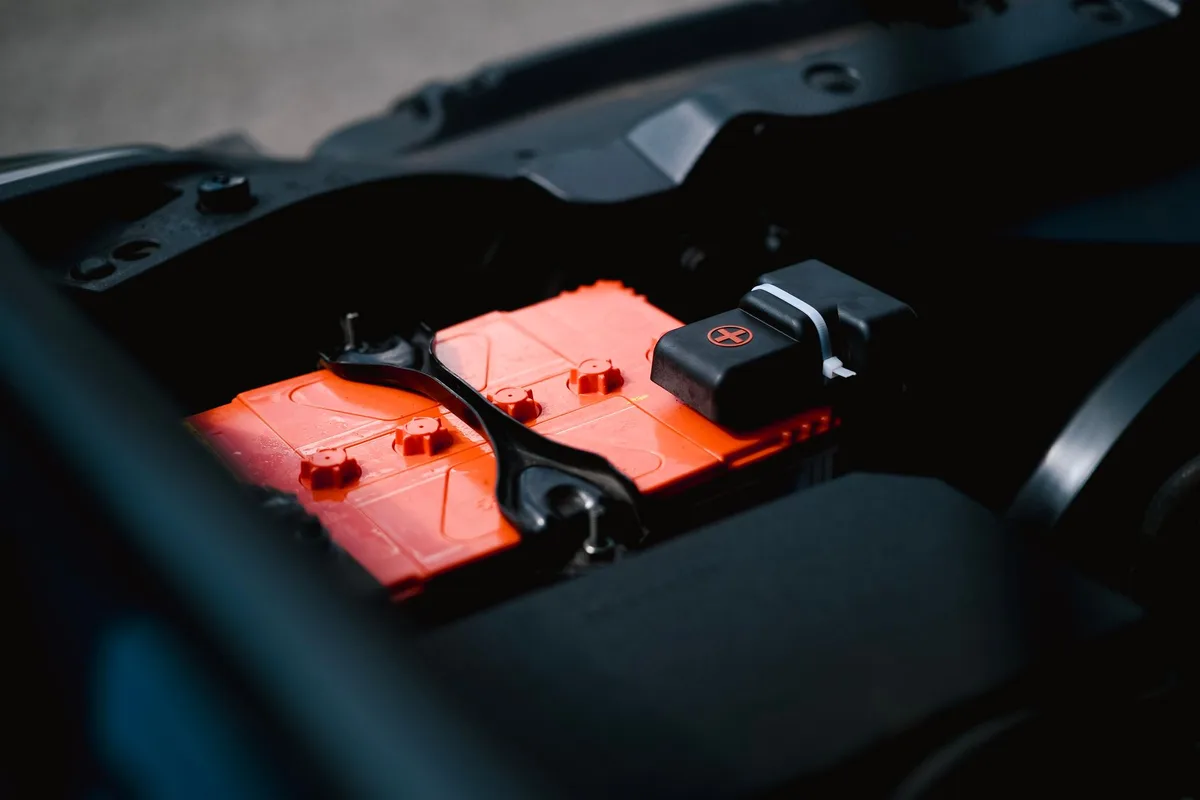
Your current battery is the fastest answer. The group size is usually stamped right on the top label or the front sticker. Look for a code like "Group 35" or "BCI 48" near the specs.
The owner's manual backs this up. Most list the factory group size in the maintenance or specifications section. If the battery was ever swapped for the wrong size, the manual is your source of truth.
Use a Year, Make, and Model Lookup
A fitment lookup confirms the code in seconds. Enter your year, make, model, and engine, and the tool returns the correct group size. This catches trim-level differences that a quick label glance can miss.
These lookups also flag when a vehicle accepts more than one size. Some cars list both a 24 and a 24F as approved fits. When two options show up, terminal position decides which one your cables want.
Measure the Tray When You Want to Upsize
Measuring only matters if you're thinking about a bigger battery. Grab a tape and record the tray's length, width, and height in the engine bay. Leave room for the hold-down and for the cables to reach without strain.
Compare those numbers against the group size dimension chart before you buy. A case that's half an inch too tall can foul the hood or block the clamp. When the tray is tight, stick with the factory size.
Can You Use a Different Group Size? Your Decision Branches
Sometimes yes, sometimes no, and the tray decides. A different group size can work if it physically fits and the terminals line up correctly. The catch is that "close enough" often isn't.
When Upsizing Is Safe
Upsizing is safe when three things check out. The bigger case fits the tray with room to secure it. The terminal type and polarity match your cables.
And the hold-down still clamps the battery tight.
If all three pass, a larger group size can add reserve capacity and CCA. Drivers running winches, big audio systems, or plows often go this route for extra headroom. Just confirm the alternator can keep the larger battery charged.
When to Stick With OEM
Stick with the factory size when the fit is snug or the terminals shift. A battery that rocks in an oversized tray will vibrate itself to an early death. Vibration is one of the top killers of lead-acid batteries.
Wrong terminal placement is the other dealbreaker. If the posts land where your cables can't reach, or polarity flips, walk away. No amount of extra capacity is worth a reversed hookup that can cook your electronics.
Common Group Sizes and Where You'll See Them
Certain group sizes show up again and again across the roads. Knowing the usual suspects helps you sanity-check a lookup result. Here are the ones our research sees most often.
| Group Size | Typical Vehicles | Terminal Note |
|---|---|---|
| 24 / 24F | Many Toyota, Honda, Lexus models | 24F flips terminal side |
| 35 | Common Japanese sedans and SUVs | Top post |
| 47 (H5) | Compact European and domestic cars | Often AGM |
| 48 (H6) | Midsize European and American cars | Frequently AGM |
| 49 (H8) | Larger European sedans and SUVs | High capacity |
| 65 | Full-size Ford trucks and SUVs | Top post |
| 34 / 78 | GM trucks and older domestics | Dual or side post |
Use this as a starting point, not gospel. Automakers change batteries between model years and trims. A quick lookup still beats matching by memory.
Notice how many European fits are AGM. Those cars often expect an Absorbed Glass Mat battery for start-stop systems. Dropping a cheap flooded battery into that spot can trigger charging faults.
Mistakes That Cost People a Return Trip
Most battery returns trace back to a handful of avoidable errors. Knowing them ahead of time keeps you from that second drive to the store. Here are the big ones.
- Chasing a higher group number thinking it means more power
- Ignoring terminal position and ending up with cables that won't reach
- Buying an oversized case that won't clamp under the hold-down
- Grabbing a flooded battery for a car that needs AGM
- Matching only the size and undershooting the factory CCA
- Trusting an old label after someone already fitted the wrong size
The sneakiest one is the wrong-size battery already in the car. If a previous owner forced in a mismatched battery, copying that size repeats the error. That's why the manual or a lookup outranks the sticker.
Another quiet trap is confusing weak performance with fit. A battery that keeps going flat may have a charging or draw problem, not a size problem. Before you blame the group size, it's worth ruling out a hidden battery drain or a tired alternator.
Securing the Battery: Fitment, Hold-Downs, and Safety
A battery that isn't locked down is a safety problem, not just a loose part. Proper fitment lets the hold-down bracket clamp the case firmly to the tray. That single bracket does more work than most people realize.

Vibration is the enemy here. A battery bouncing in a loose tray sheds internal plates and fails months early. The right group size gives the bracket a proper surface to grip, so nothing shifts on rough roads.
Loose terminals bring their own hazards. A post that can slide risks shorting against metal or arcing near flammable vapor. Flooded batteries also vent hydrogen gas, so a secure, upright mount matters for more than just fit.
A few safety habits worth keeping:
- Confirm the hold-down clamps fully before closing the hood
- Keep terminals tight and shielded with the correct covers
- Disconnect the negative cable first when removing a battery
- Recycle the old battery through a core exchange, never the trash
If your battery keeps struggling even after a clean, secure install, the fix may not be the battery at all. Sagging voltage during startup can point to cables or charging, and a quick multimeter check on the charging system sorts it out fast.

Similar Posts