How Many Amp Hours Is a Car Battery? Explained
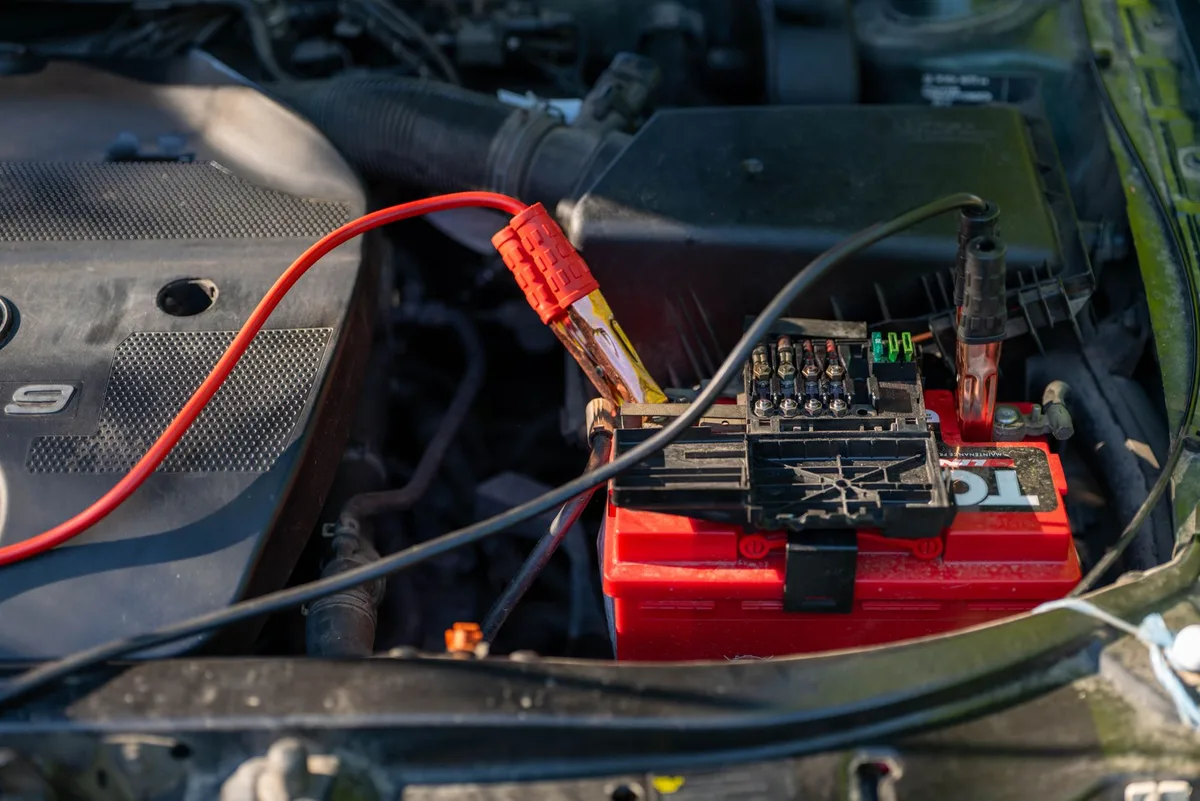
Ever flipped over a car battery expecting a clear amp-hour number, only to find a wall of codes instead? If you're wondering how many amp hours is a car battery, the short version is most standard passenger cars land somewhere between 40 and 70 amp hours. The catch is that many batteries don't even print that figure on the label.
They show cranking amps and reserve capacity instead.
That's where people get tripped up. As of 2026, the industry still rates most starter batteries using the 20-hour discharge method defined under standards like IEC 60095. Manufacturer specifications indicate a typical 12V car battery holds roughly 45 to 60 Ah at that rate.
Let's break down what that really means for your car.
The Short Answer: How Many Amp Hours a Car Battery Really Has
Most car batteries hold 40 to 70 amp hours. Compact cars sit near 40 to 50 Ah. Larger SUVs and diesels climb to 70 Ah or more.
The rating is measured at a slow 20-hour discharge. Many labels show CCA or reserve capacity instead of Ah.
Think of amp hours as the fuel-tank size of your battery. A 50 Ah battery can, in theory, deliver 2.5 amps for 20 hours before it's flat. That's the standard test condition, not real-world cranking.
Starting your engine pulls hundreds of amps for a second or two, which is a totally different demand.
Why There's No Single Amp-Hour Number for Every Car
There's no universal number because battery size follows engine size and electrical load. A tiny hatchback and a turbo-diesel pickup have wildly different needs. The bigger the engine, the more energy it takes to spin it over.
Here's the if/then logic that decides your capacity:
- If you drive a small petrol car, then expect around 40 to 50 Ah.
- If you drive a mid-size sedan or crossover, then look at 50 to 65 Ah.
- If you drive a large SUV, truck, or diesel, then 70 Ah and up is common.
- If your car has stop-start tech, then it likely uses an AGM or EFB battery with higher capacity.
Electrical accessories matter too. Heated seats, big audio systems, and dash cams all draw power. Automakers spec a battery with enough headroom to handle that load plus a reliable start.
If you've noticed your dash lights dim on startup, capacity and health both play a role, and our guide on why voltage sags during cranking digs into that.
Amp Hours vs. CCA vs. Reserve Capacity: What Each Spec Actually Means
These three specs get mixed up constantly, and they measure completely different things. Getting them straight is the whole game. One tells you storage, one tells you cold muscle, and one tells you backup runtime.
Amp Hours (Ah) and the 20-Hour Rate
Amp hours measure total energy storage over a slow, steady drain. The standard test runs a battery down over 20 hours at a constant current. A 60 Ah battery supplies 3 amps for 20 hours before hitting the cutoff voltage.
That slow rate matters. Pull power faster and you actually get fewer usable amp hours. This is the Peukert effect, and it's why a battery drains quicker under heavy load than the label suggests.
Cold Cranking Amps (CCA)
CCA measures raw starting power in the cold. It's the number of amps a battery delivers for 30 seconds at 0°F while staying above 7.2 volts. Most car batteries fall between 400 and 850 CCA.
CCA is not amp hours. A battery can have high CCA and modest Ah, or the reverse. If cold starts are your worry, our breakdown of the amps a battery should have covers the cranking side in detail.
Reserve Capacity (RC)
Reserve capacity tells you how long the battery runs your car if the alternator quits. It's the minutes a fully charged battery delivers 25 amps before dropping to 10.5 volts. Typical RC ratings run 80 to 120 minutes.
RC is handy because you can roughly convert it to amp hours. Here's a quick comparison of all three:
| Spec | What it measures | Typical range | Test condition |
|---|---|---|---|
| Amp Hours (Ah) | Total energy storage | 40 to 70 Ah | 20-hour slow discharge |
| CCA | Cold starting power | 400 to 850 A | 30 sec at 0°F |
| Reserve Capacity | Backup runtime | 80 to 120 min | 25 A to 10.5V |
How to Find Your Car Battery's Amp Hours in Under 5 Minutes
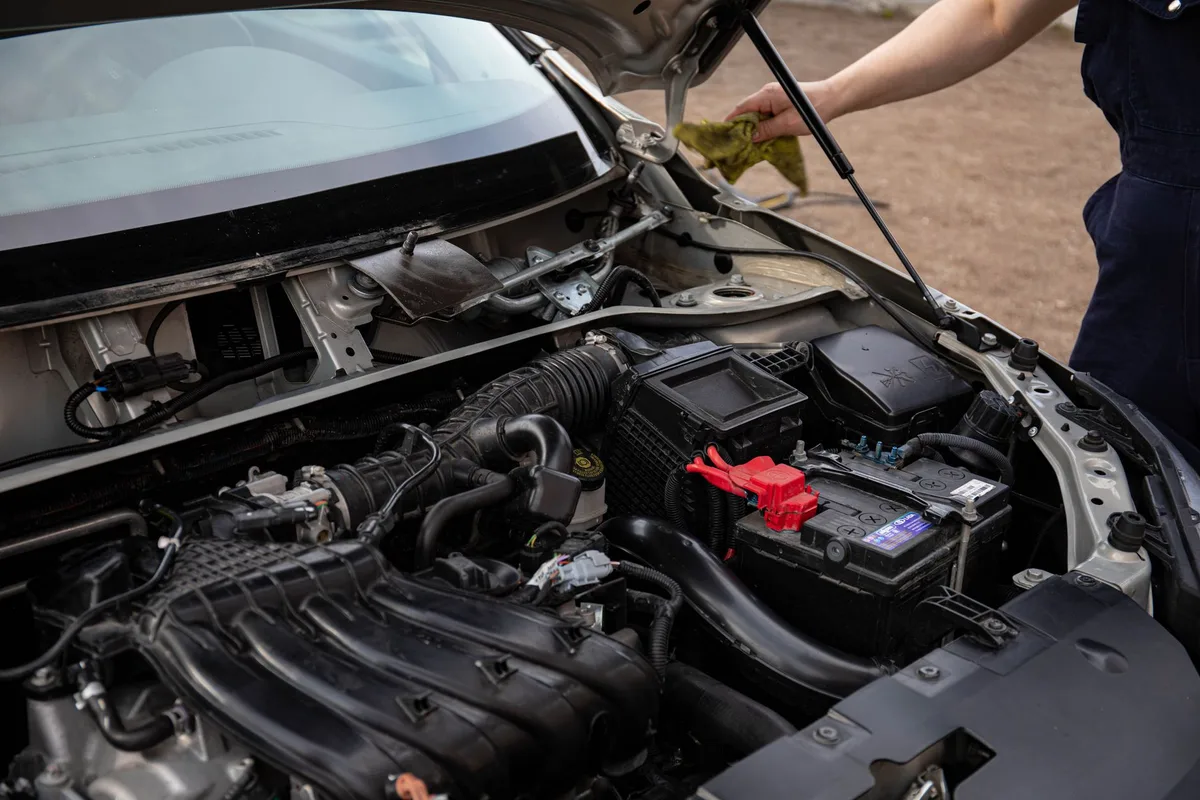
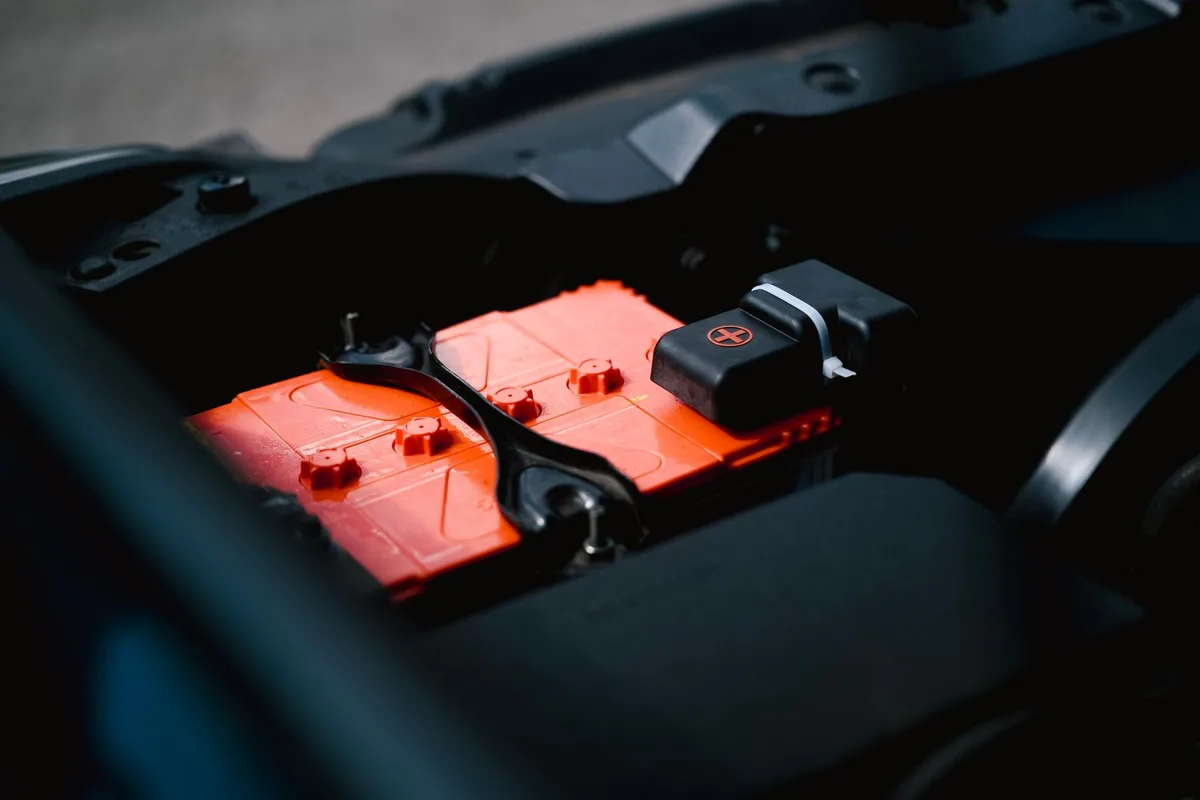
Start with the label on top of the battery. Look for a number followed by "Ah." If it's there, you're done. If not, you'll work it out from reserve capacity or check your manual.
Reading the Battery Label
Scan the label for these markings:
- A figure like "60Ah" or "60 A/h" is your direct capacity.
- "CCA" or "EN" followed by a number is cold cranking amps.
- "RC" plus minutes is reserve capacity.
- A code like "H6", "94R", or "Group 24" is the physical group size.
European labels almost always print Ah. Many North American labels skip it and show CCA and RC instead. That's not a defect, just a regional labeling habit under different standards.
Checking Your Owner's Manual and Group Size
If the label hides the Ah figure, your owner's manual lists the correct group size and often the capacity. The group size fixes the physical dimensions and terminal layout. Match it exactly when you replace the battery.
Battery group standards come from the Battery Council International, the trade body that sets the BCI group numbering used across North America. Cross-reference your group size against a maker's fitment chart to confirm capacity.
Estimating Ah From Reserve Capacity or CCA
No Ah on the label? Estimate it from reserve capacity. Multiply the RC minutes by 0.6 for a rough amp-hour figure.
- Example: 100 minutes RC × 0.6 ≈ 60 Ah.
- Example: 80 minutes RC × 0.6 ≈ 48 Ah.
CCA won't convert cleanly to Ah, so don't try. The two measure different things under different loads. Treat any CCA-to-Ah shortcut as a loose guess at best.
Typical Amp-Hour Ranges by Vehicle Type
Vehicle size is the fastest predictor of amp-hour capacity. Bigger engines and heavier electrical loads demand bigger batteries. Here's how the ranges break down in practice.
Compact and Economy Cars
Small petrol cars usually run 40 to 50 Ah. Think city hatchbacks and light commuters with modest accessories. Their engines spin over easily, so they don't need much reserve.
These often use Group 51R or similar compact sizes. If your small car struggles to start yet the battery reads full, a weak resting voltage like 12.2 volts points to trouble.
Sedans and Crossovers
Mid-size sedans and crossovers sit around 50 to 65 Ah. More weight, more electronics, and often larger engines push capacity up. Group 24, 35, and 48 batteries are common here.
This is the sweet spot for most drivers. Enough capacity for reliable starts plus headroom for infotainment, climate control, and charging ports.
SUVs, Trucks, and Diesels
Large SUVs, full-size trucks, and diesels need 70 Ah or more. Diesel engines especially demand high cranking power and capacity to turn high-compression cylinders. Group 65, 94R, and H7 batteries show up in this class.
Tow rigs and work trucks often carry even bigger batteries or dual-battery setups. If a bigger vehicle keeps flattening its battery overnight, a parasitic drain could be the culprit, and our multimeter draw test walks through finding it.
Battery Chemistry and How It Changes Capacity
Chemistry sets how much usable capacity you get and how the battery behaves under load. Two batteries can share the same Ah rating yet perform very differently. The type also decides how deeply you can discharge it safely.
Flooded vs. AGM vs. EFB vs. Lithium
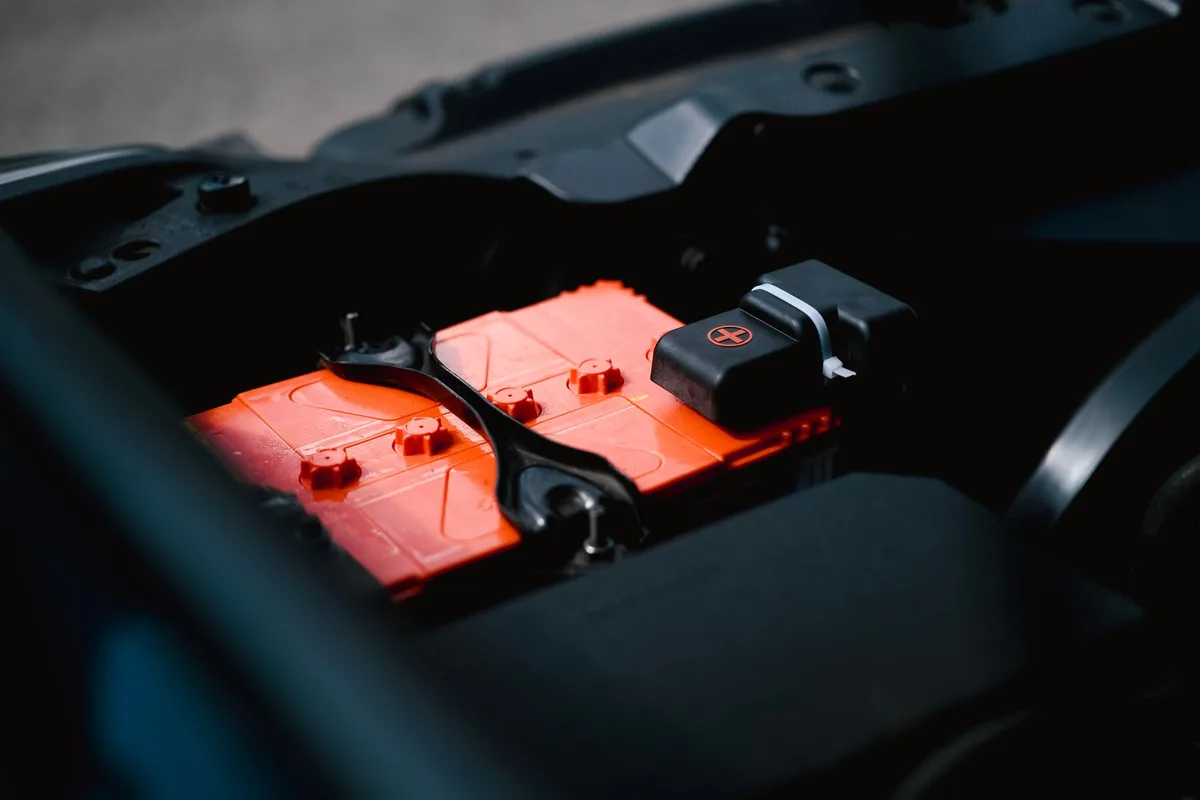
Flooded lead-acid is the standard, budget-friendly option. AGM handles heavy accessory loads and stop-start systems far better. EFB sits between the two, and lithium leads on usable capacity and weight.
| Type | Best for | Usable capacity | Notes |
|---|---|---|---|
| Flooded | Older, simple cars | ~50% of rated Ah | Cheapest, needs healthy alternator |
| EFB | Basic stop-start | Slightly better cycling | Tougher than flooded |
| AGM | Stop-start, big loads | Deeper discharge tolerated | Higher cost, sealed |
| Lithium (LiFePO4) | Weight-critical builds | Up to 90% usable | Priciest, light, long cycle life |
Here's the practical if/then. If your car left the factory with AGM, then replace it with AGM, not flooded. Downgrading can trigger charging faults and shorten battery life.
Matching Amp Hours to Your Real-World Needs
Your ideal capacity depends on what you ask the battery to do beyond starting. Match the Ah to your actual load, not just the engine. Overshoot slightly for accessories, and never undershoot.
Daily Driving and Cold Starts
For everyday commuting, factory-spec capacity is all you need. Stick with the Ah and CCA the automaker chose. A healthy battery in this range starts reliably down to freezing and below.
If your car cranks slowly despite a correct-size battery, test the resting voltage first. A reading like 12.4 volts sits around 75% charge, which hints the battery isn't fully topped up.
Car Audio, Dashcams, and Accessory Loads
Big audio systems and always-on dash cams draw extra current, so lean toward higher capacity or AGM. A 1,000-watt amp can pull 80-plus amps at full tilt. That load flattens a small flooded battery fast.
- If you run a parked dash cam, then add reserve capacity or a dedicated battery.
- If your amp dims the headlights on bass hits, then your battery or alternator is undersized.
A parked accessory that slowly drains the battery is worth checking. Our look at what counts as a safe idle draw sets the baseline.
Camping, Overlanding, and Dual-Battery Setups
For camping and overlanding, don't deep-cycle your starter battery. Starter batteries hate deep discharge and die quickly from it. Run a separate deep-cycle or lithium auxiliary battery for fridges, lights, and inverters.
A dual-battery setup keeps your starting battery fresh for the engine. The second battery handles camp loads. That split is the reliable way to avoid a dead battery miles from anywhere.
How Cold Weather and Age Shrink Your Real Capacity
Cold and age both steal usable amp hours, sometimes a lot. A battery rated 60 Ah at room temperature delivers far less on a freezing morning. Chemistry simply slows down when it's cold.
At 32°F, a typical lead-acid battery loses around 20% of its capacity. At 0°F, it can drop by a third or more. That's why cold-climate cars need higher CCA as a buffer, a point we cover in our cold-weather voltage rundown.
Age compounds the problem. Sulfation builds on the plates over time and permanently cuts capacity. Most flooded batteries lose meaningful capacity after three to five years.
Heat accelerates that wear, so hot climates shorten lifespan too.
If your battery reads low and starts weak, confirm whether it's the battery or the charging system. A quick battery-versus-alternator check saves you from replacing the wrong part.
Sizing a Charger to Your Battery's Amp Hours
Match your charger's output to roughly 10 to 20% of the battery's amp-hour rating. For a 60 Ah battery, that's a 6 to 12 amp charger. Stay in that band for safe, efficient charging.
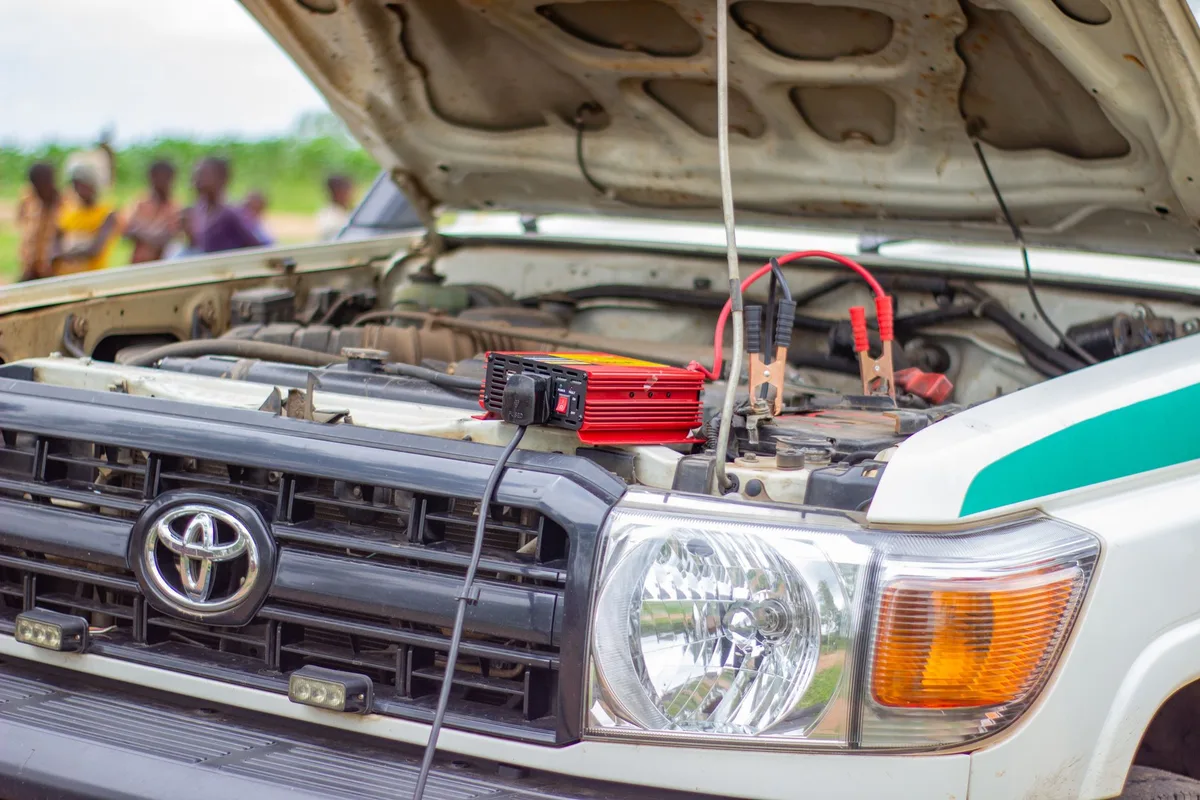
Charge too fast and you risk overheating and gassing, especially with AGM. Charge too slow and a flat battery takes forever to recover. A smart charger that tapers current as the battery fills is the safest pick.
Here's a quick sizing guide:
- 40 to 50 Ah battery: 4 to 10 amp charger
- 60 to 70 Ah battery: 6 to 14 amp charger
- Storage or trickle top-up: 1 to 2 amps
For a battery stored over winter, a low-amp maintainer keeps it healthy without overcharging. Follow the charger guidance from the U.S. Department of Energy on battery care, and always set the charger to the correct battery type.
AGM and lithium need matching charge profiles.
Common Amp-Hour Mistakes That Cost People Batteries
The biggest mistakes come from confusing specs and buying the wrong size. Most premature failures trace back to a handful of avoidable errors. Dodge these and your battery lasts its full life.
- Confusing Ah with CCA. They measure different things and aren't interchangeable.
- Buying by price, not group size. The wrong size won't fit or seat properly.
- Downgrading AGM to flooded. It can break stop-start charging and kill the battery early.
- Deep-cycling a starter battery. It's built for short bursts, not slow drains.
- Ignoring reserve capacity. Low RC leaves you stranded if the alternator fails.
One more trap: assuming a fully charged battery is a healthy one. Voltage and capacity aren't the same. A battery can show a normal reading yet fail under load, which is why a proper multimeter load test beats guessing every time.
Safe Handling When Checking or Charging Your Battery
Car batteries hold acid and can release explosive hydrogen gas, so treat them with respect. Work in a ventilated space and keep sparks away from the terminals. Wear eye protection when checking or charging.
Connect and disconnect in the right order. When removing a battery, take off the negative terminal first. When connecting, attach positive first and negative last.
That sequence cuts the risk of a short across a wrench.
- Never lay a metal tool across both terminals.
- Don't charge a frozen or visibly bulging battery.
- Rinse acid contact with plenty of water and seek care.
Lead-acid batteries are fully recyclable, and most retailers take old units back. Dropping one in the trash is illegal in many areas and wastes recoverable lead.
Amp-Hour Standards and Where the Ratings Come From
Amp-hour ratings come from standardized discharge tests, not marketing guesses. The 20-hour rate is the common baseline for automotive batteries. It defines exactly how the Ah figure gets measured.
Different regions lean on different standards bodies. IEC 60095 and EN 50342 govern lead-acid starter batteries in much of the world. In North America, SAE International sets cranking and reserve capacity methods, while Battery Council International fixes the group sizes.
Because the test conditions differ, always compare batteries on the same rating method. An Ah figure only means something at its stated discharge rate. Match like with like, and the numbers actually tell you something.
Frequently Asked Questions
How many amp hours is a typical 12V car battery?
Most 12V car batteries hold 40 to 70 amp hours at the 20-hour rate. Compact cars sit near 40 to 50 Ah. Larger SUVs, trucks, and diesels often run 70 Ah or more.
Always check the label or manual for your exact figure.
Is a higher amp-hour battery better for my car?
Not always. Fit the capacity your automaker specified, since the charging system is tuned for it. A slightly higher Ah can help with heavy accessory loads.
Going too far oversized offers little benefit and may not fit the tray.
Can I convert CCA to amp hours?
No, CCA and amp hours measure different things and don't convert cleanly. CCA rates cold starting power over 30 seconds. Amp hours measure slow energy storage over 20 hours.
Use reserve capacity, not CCA, for a rough Ah estimate.
How do I estimate amp hours from reserve capacity?
Multiply the reserve capacity in minutes by about 0.6. So 100 minutes RC works out to roughly 60 Ah. It's an approximation, not an exact figure.
Use it only when the label doesn't print an Ah rating.
Does cold weather reduce amp hours?
Yes, cold cuts usable capacity sharply. At 32°F a lead-acid battery loses around 20% of its rated capacity. At 0°F the loss can reach a third.
That's why cold-climate cars need higher CCA as a buffer.
Your Quick Decision Guide for Picking the Right Capacity
Start with what the automaker specified, then adjust for your real loads. That single step prevents most sizing mistakes. Here's the fast path:
- If you drive a small car, then 40 to 50 Ah is plenty.
- If you drive a sedan or crossover, then aim for 50 to 65 Ah.
- If you drive an SUV, truck, or diesel, then choose 70 Ah or more.
- If your car came with AGM, then replace it with AGM.
- If you run heavy accessories or camp off-grid, then add a second battery.
Confirm the group size, check the CCA for your climate, and note the reserve capacity. Match those three and you'll rarely go wrong. Your battery gets the right capacity, and your car starts when you turn the key.

Similar Posts