Car Battery Lifespan Chart: How Long Do They Last?
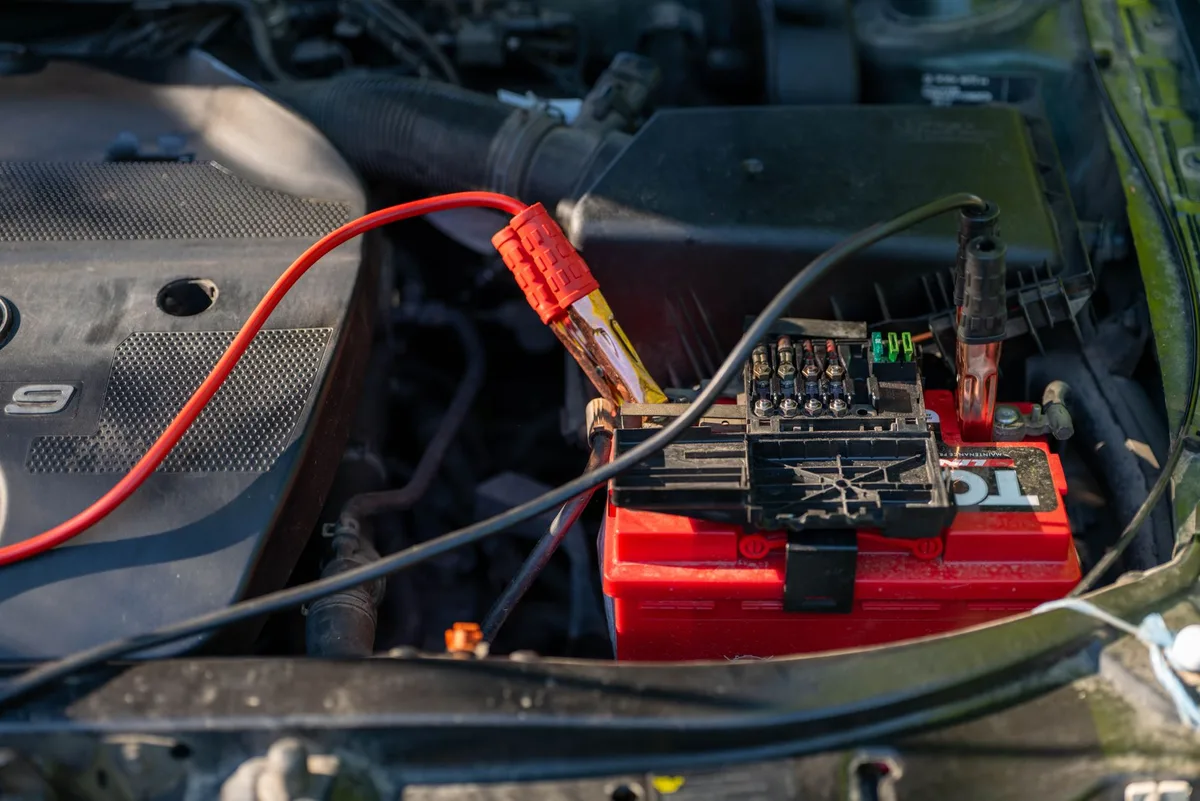
How long a car battery lasts is the question every driver asks right before they get stranded. This car battery lifespan chart pulls together age, voltage, and cranking power so you can see where your battery sits on the curve. Most batteries follow a predictable decline, and the numbers rarely lie.
Once you know what to watch, you can replace yours on your terms instead of at 6 a.m. in a cold parking lot.
Here's the anchor most people never hear: a standard flooded lead-acid battery averages three to five years, and heat cuts that short fast. As of 2026, manufacturer datasheets and AAA field data still point to that same window. Below, we break the whole lifespan story into charts you can actually use.
Quick Answer
Most car batteries last three to five years. Hot climates shorten that to two or three years. Cold, moderate climates can stretch it to four to six.
Battery type matters too. AGM and lithium outlast standard flooded batteries by a wide margin.
How Long Does a Car Battery Really Last? The Short Answer
Three to five years is the honest average for a standard flooded starter battery. That's the number our research keeps landing on across manufacturer specs and roadside data. But the average hides a huge spread.
Some batteries die at 24 months. Others crank strong past year six. The difference comes down to heat, driving habits, charging health, and the battery chemistry under the hood.
Age alone doesn't kill a battery. It's the total wear on the plates and the slow loss of cranking power. A four-year-old battery can look perfect at rest and still fail the moment temperatures drop.
That's why a date sticker only tells half the story. Pair the age with a voltage and cranking test, which we'll chart out next.
What "Battery Lifespan" Actually Measures: CCA, Reserve Capacity, and State of Health
Lifespan isn't one number. It's three measurements working together, and each one fades at its own pace.
- Cold Cranking Amps (CCA): the current the battery delivers at 0°F for 30 seconds. This is your starting muscle, and it drops as the battery ages.
- Reserve Capacity (RC): how many minutes the battery runs your electronics if the alternator quits. Higher RC means more buffer.
- State of Health (SoH): the battery's current capacity compared to when it was new. A healthy battery sits near 100%. Below roughly 70%, failure gets likely.
CCA is the one that strands people. A battery can hold a fine resting voltage and still lack the amps to turn a cold engine. The SAE J537 test standards define how CCA gets measured, so ratings stay consistent across brands.
Voltage tells you charge, not health. A reading of 12.6 volts means full, but it says nothing about how many amps are left. If you're curious what a mid-range number signals, what a 12.4-volt reading means breaks down the resting-charge side of things.
State of Health is the metric shops read with a conductance tester in seconds. It's the closest thing to a true "years left" gauge you'll get.
Car Battery Lifespan Chart by Age, Voltage, and Cranking Power
Here's the reference most drivers actually want. This chart maps battery age against typical health, resting voltage, and remaining cranking power for a standard flooded battery in moderate conditions.
| Battery Age | Typical State of Health | Resting Voltage | Cranking Power | What to Do |
|---|---|---|---|---|
| 0–2 years | 95–100% | 12.6–12.8V | Full CCA | Nothing, drive on |
| 2–3 years | 85–95% | 12.5–12.7V | Strong | Test yearly |
| 3–4 years | 70–85% | 12.4–12.6V | Slipping | Test twice a year |
| 4–5 years | 60–75% | 12.2–12.5V | Weak in cold | Plan replacement |
| 5+ years | Under 60% | Below 12.4V | Failing | Replace soon |
Read the voltage column carefully. Take resting numbers with the car off for a few hours, not right after a drive.
Once a resting reading slips under 12.4 volts, the battery is telling you something. Our breakdown of what a low resting number means covers where 12.2 volts lands, and the point a battery counts as dead shows the bottom of the scale.
One more caution. Voltage sags hardest during the actual start, so the dip you see at startup is a better aging clue than a resting number alone. If that dip drops below about 9.6 volts under load, the battery is near the end.
Lifespan by Battery Type: Flooded vs. AGM vs. EFB vs. Lithium
Battery chemistry changes the whole timeline. A flooded battery and a lithium battery age on completely different curves, so the "3 to 5 years" rule only fits one of them.
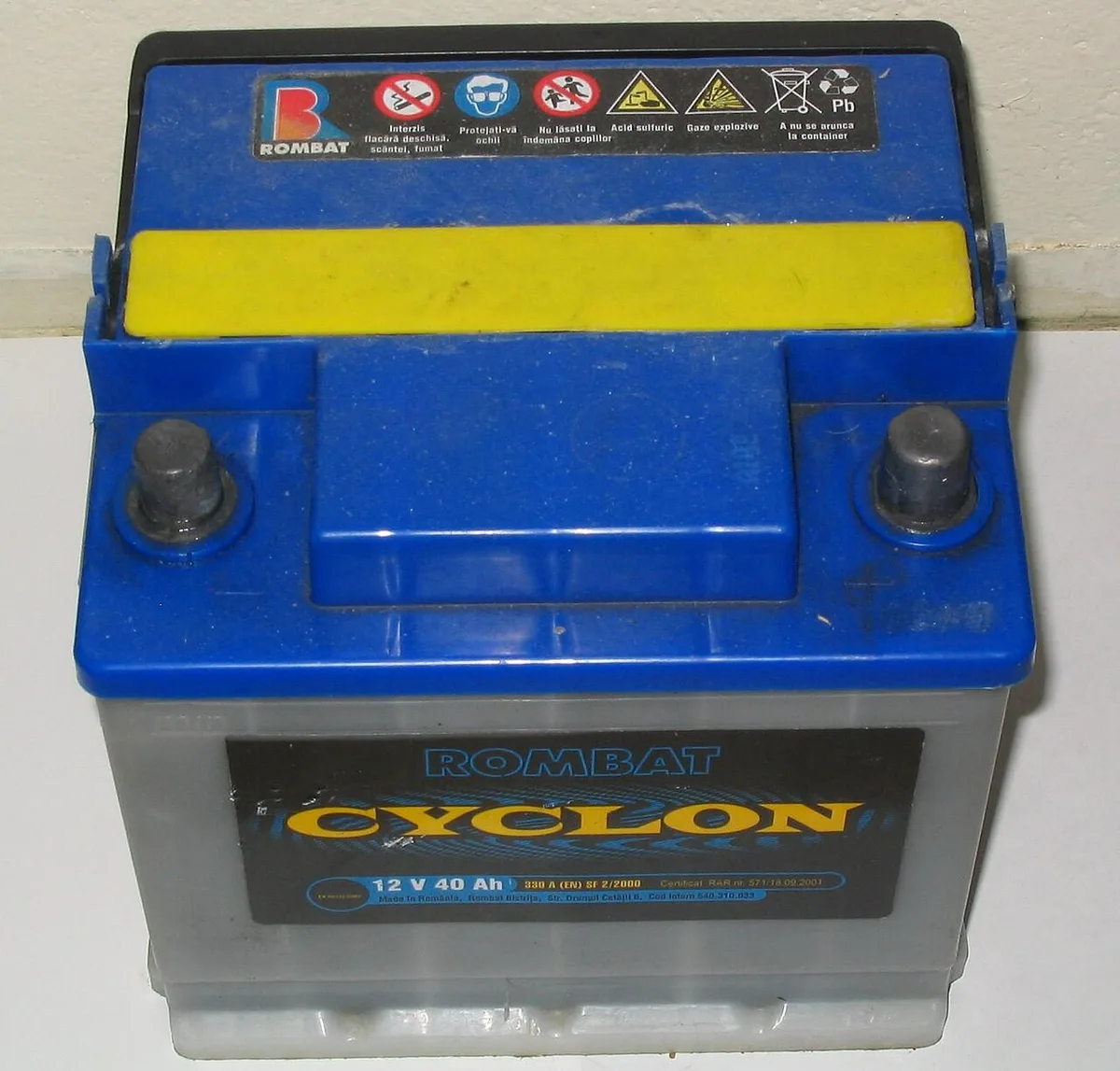
Here's how the four common types stack up in typical conditions.
| Battery Type | Typical Lifespan | Best For | Trade-off |
|---|---|---|---|
| Flooded (SLI) | 3–5 years | Standard cars, budget replacement | Shortest life, needs airflow |
| EFB | 4–6 years | Entry start-stop systems | Costs more than flooded |
| AGM | 4–7 years | Start-stop, heavy accessories | Higher price, sealed |
| Lithium (LiFePO4) | 8–12+ years | Performance, weight savings | Highest upfront cost |
- Flooded (SLI): the classic wet lead-acid battery. Cheapest to buy, and it handles basic starting fine. It just wears fastest, especially in heat.
- EFB: an upgraded flooded design built for light start-stop duty. It tolerates more charge cycles than a plain flooded unit.
- AGM: acid held in glass mat separators. It resists vibration, deep discharges, and heat better, which is why so many newer cars ship with it.
- Lithium (LiFePO4): far more cycles and much lighter. The price is steep, so it shows up mostly in performance and specialty builds.
One practical note on AGM and EFB. Many modern cars register the battery to the charging system, so a swap may need a quick reset so the alternator charges it correctly.
How Climate Rewrites the Chart: Hot States vs. Cold States
Temperature is the single biggest lever on battery life, and heat is the real killer. High underhood temperatures speed up the chemical wear inside the battery, so the plates corrode faster.
In hot-belt states like Arizona, Texas, and Florida, two to three years is common even for a good battery. The U.S. Department of Energy notes that high temperatures accelerate battery degradation, which lines up with the shorter lifespans drivers see down south.
Cold doesn't age a battery the same way, but it exposes weakness fast. A tired battery that scraped by all summer often quits on the first hard freeze. Cranking a cold engine demands more amps right when the battery can deliver fewer.
- Hot climates: faster internal wear, shorter total lifespan, earlier replacement.
- Cold climates: longer potential lifespan, but sudden failures on freezing mornings.
- Big seasonal swings: summer heat weakens the battery, then winter finishes it off.
If your winters bite, expect lower readings on cold mornings, and know that how the cold changes readings is normal to a point. The trick is testing before the first freeze, not after your car won't start.
What Actually Kills a Car Battery Before Its Time
Most batteries don't die of old age. They die from stress that piles up faster than the plates can handle. Heat and undercharging top the list.
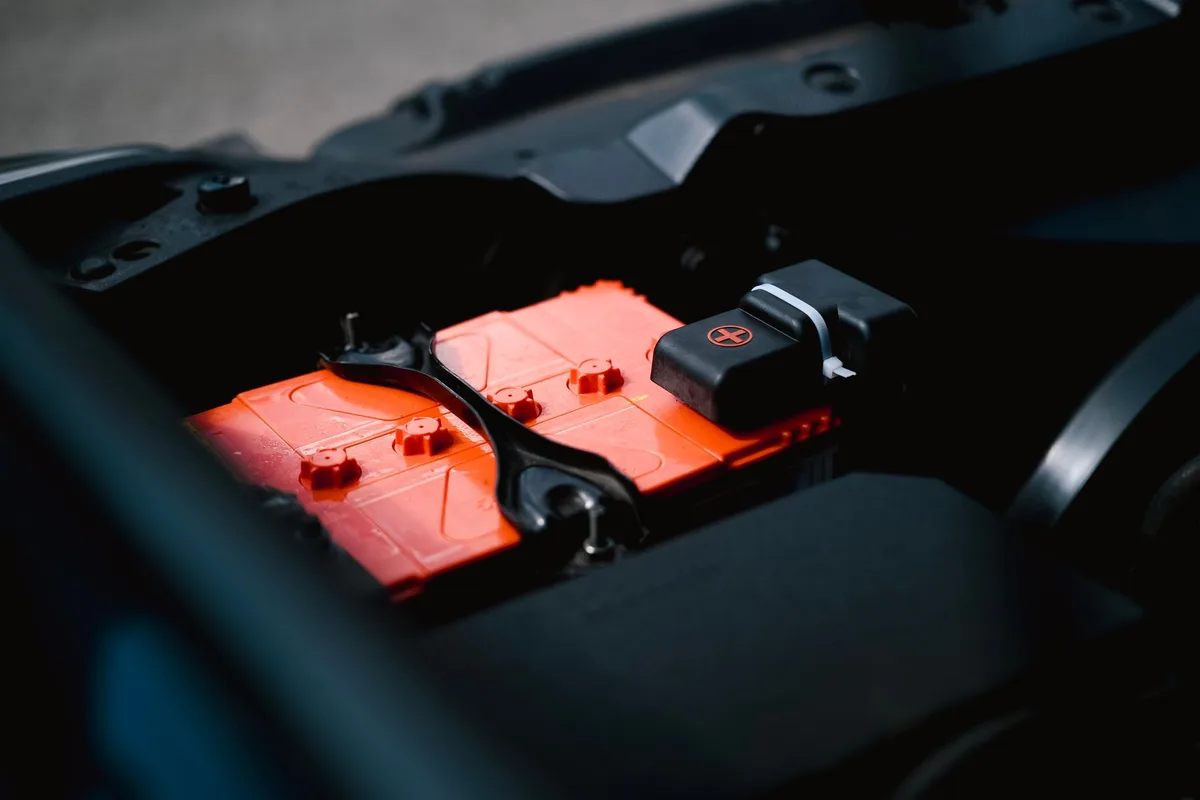
Short trips are a quiet killer. Starting the engine pulls a big chunk of charge, and a five-minute drive never puts it back. Do that daily, and the battery lives in a permanent state of partial charge.
That breeds sulfation, where crystals build on the plates and choke capacity.
Parasitic draw is another common culprit. Dash cams, alarms, and phantom electronics keep sipping power after you park. A healthy draw sits near 25 to 50 milliamps, and anything higher drains the battery overnight.
Our guide on background drain while parked shows how to measure it.
Corroded terminals cause failures that look like a dead battery but aren't. White or blue crust on the posts adds resistance and blocks current. A wire brush and a clean connection often bring cranking power right back.
Here's the short list of what shortens battery life:
- Chronic short trips that never fully recharge
- Sustained underhood heat
- Parasitic draw from aftermarket electronics
- A failing alternator over- or undercharging the battery
- Loose or corroded terminals
If the battery keeps dying with no obvious reason, the alternator is often the real fault. Sorting the battery from the charging system saves you from replacing a good battery twice.
Reading the Warning Signs: When Yours Is on the Way Out
A dying battery almost always warns you first. The trick is catching the signs before the no-start morning.
Watch for these:
- Slow, lazy cranking, especially when cold
- Dashboard lights that dim at idle
- A battery warning light on the cluster
- Clicking instead of cranking when you turn the key
- Needing a jump-start more than once
- A swollen or bloated battery case
Slow cranking is the clearest tell. If the engine turns over like it's dragging, the CCA has faded. That gets worse every cold morning until it quits.
A battery that reads a normal voltage but still won't start the car is a classic late-stage symptom. That mismatch usually means the CCA has collapsed even though the charge looks fine. We cover exactly why a 12-volt reading can still leave you stranded in a dedicated breakdown.
Don't ignore repeated jump-starts. Once a battery needs regular help, the end is close.
How to Test Battery Health at Home (Voltage and Load Testing)
You can gauge battery health in about ten minutes with a basic multimeter. It won't replace a shop's conductance test, but it catches most problems early.
Start with a resting voltage check:
- Leave the car off for at least a few hours.
- Set the multimeter to 20V DC.
- Touch red to the positive post, black to the negative.
- Read the number. 12.6V or higher means full charge.
Anything under 12.4 volts means the battery needs a charge or a closer look. New to the tool? The steps for reading it with a multimeter walk through the whole process.
Next, a simple cranking test shows real strength:
- Keep the meter on the terminals.
- Have someone start the engine.
- Watch the voltage during cranking.
Healthy voltage stays above 9.6 volts while cranking. If it plunges lower, the battery is weak even if it rests fine. That cranking dip is one of the most reliable aging signals you can measure.
For a full picture, check charging voltage too. With the engine running, you should see roughly 13.7 to 14.7 volts at the battery. That confirms the alternator is doing its job, and it helps you rule out a battery that keeps dying for the wrong reasons.
Real-World Timelines: Three Owners, Three Different Outcomes
Numbers land harder with real patterns behind them. Here are three typical lifespans drawn from common ownership scenarios.
| Driver | Conditions | Battery Type | Lifespan |
|---|---|---|---|
| Phoenix commuter | Extreme heat, short trips | Flooded | 2.5 years |
| Midwest highway driver | Cold winters, long drives | AGM | 6 years |
| Suburban weekend driver | Mild climate, car often parked | Flooded | 4 years |
The Phoenix driver got hammered by heat and short hops. The battery never fully recharged, and sulfation set in early. Two and a half years is normal in that climate.
The Midwest driver did almost everything right. Long highway drives kept the AGM fully charged, and moderate summers eased the heat stress. Cold mornings tested it, but the strong CCA held up for six years.
The suburban weekend driver sat in the middle. A mild climate helped, but frequent parking meant slow drains and light sulfation. Four years matched the flooded average almost exactly.
The takeaway is simple. Heat and short trips pull you below the average. Long drives and mild weather push you above it.
Simple Habits That Add Years to a Car Battery
You can't beat physics, but a few habits reliably stretch battery life. Most cost nothing.
- Drive longer occasionally: a 30-minute highway run lets the alternator fully recharge the battery.
- Use a smart charger or maintainer: perfect for cars that sit, it prevents the slow drain that kills parked batteries.
- Keep terminals clean: scrub off corrosion and keep connections tight.
- Kill parasitic drains: unplug accessories and chargers when you park for long stretches.
- Park in shade or a garage: cutting heat exposure directly slows aging.
- Test twice a year: check voltage before summer heat and winter cold.
The maintainer tip matters most for seasonal cars, RVs, and classics. A battery left to self-discharge for months will sulfate and lose capacity fast. A trickle-level maintainer holds it at a healthy charge.
One habit to skip. Don't rely on repeated jump-starts to limp along. Deep discharges damage the plates each time and speed up the decline you're trying to avoid.
What a Replacement Costs by Type and Warranty
Replacement price tracks closely with battery type. As of 2026, aggregate retail pricing lands in these ranges for a passenger car.
| Battery Type | Typical Price | Common Warranty |
|---|---|---|
| Flooded (SLI) | $100–$160 | 24–36 months |
| EFB | $150–$220 | 36 months |
| AGM | $180–$350 | 36–48 months |
| Lithium (LiFePO4) | $300–$1,000+ | 3–5 years |
Warranties usually split into two parts. There's a free-replacement window, then a prorated period where you pay a share based on age. Keep your receipt, since coverage starts from the purchase date.
Factor in the core charge too. You'll pay a small deposit that's refunded when you return the old battery for recycling.
Safe Handling, Jump-Starting, and Recycling
Car batteries hold sulfuric acid and vent hydrogen gas, so a few precautions matter. Wear gloves and eye protection, and work in open air.
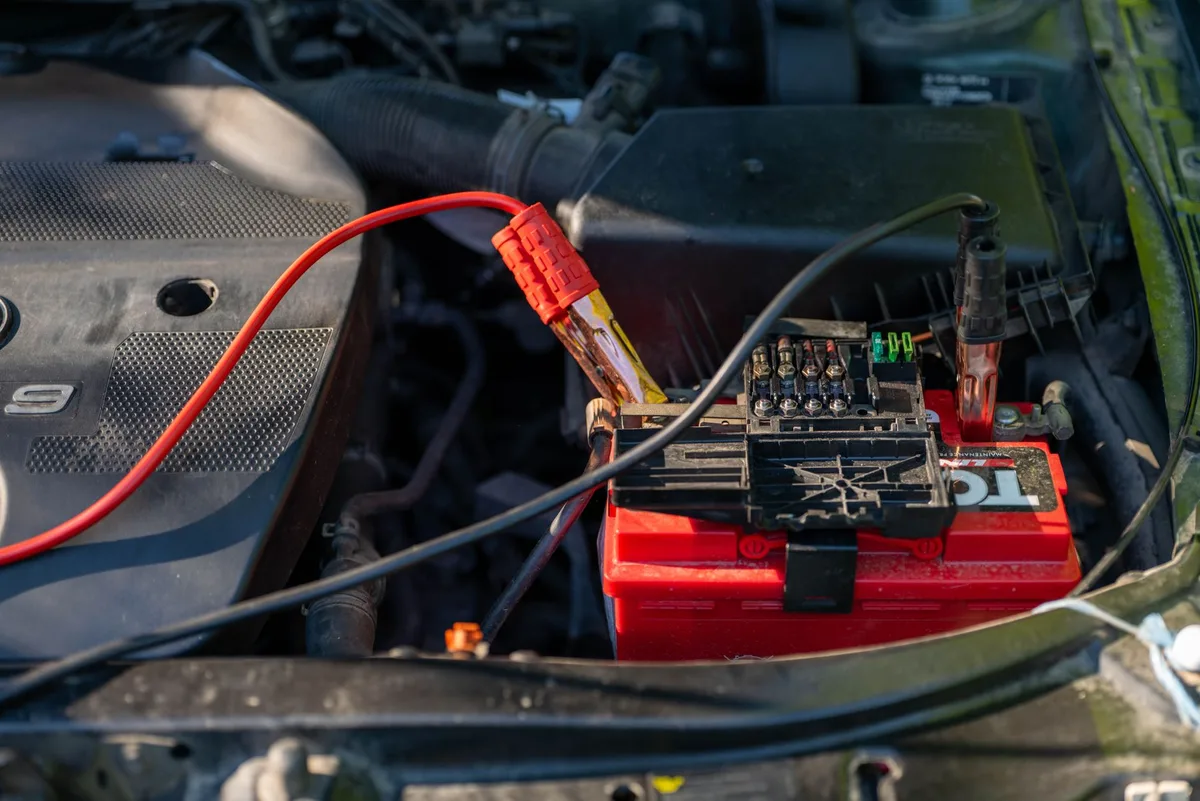
For a jump-start, connect in the right order to avoid sparks:
- Red clamp to the dead battery's positive post.
- Red clamp to the good battery's positive.
- Black clamp to the good battery's negative.
- Black clamp to bare metal on the dead car, not the battery.
Never recharge or jump a battery that's swollen, leaking, or frozen. When removing a battery, disconnect the negative terminal first, then reconnect it last.
Don't toss an old battery in the trash. Lead-acid batteries are recyclable, and most auto stores take them back. The EPA's recycling guidance confirms nearly all of the lead and plastic gets reused.
Common Mistakes That Waste Money and Shorten Battery Life
The biggest mistake is replacing a good battery when the alternator is the real problem. Test the charging system first, or you'll be back in a month.
- Buying a battery with lower CCA than your car specs.
- Ignoring corroded terminals, then blaming the battery.
- Letting a car sit for weeks with no maintainer.
- Skipping the battery registration step on AGM-equipped cars.
- Trusting resting voltage alone without a cranking test.
Matching the right group size and CCA rating matters more than brand. Check your owner's manual, not guesswork.
When to Replace vs. When to Wait: A Quick Decision Guide
Use a simple rule. If the battery is under three years old and passes a load test, keep driving and retest each season.
Replace it now if any of these are true:
- It's five or more years old and cranking slow.
- Voltage drops below 9.6V during cranking.
- State of Health reads under 70%.
- You've needed two or more jump-starts recently.
- The case looks swollen or leaks.
If you're in a hot climate, lean toward replacing at the first weak sign. Waiting through one more summer usually means a dead battery in the driveway.
When in doubt, get a free conductance test at a parts store. It reads State of Health in seconds and takes the guesswork out.
Frequently Asked Questions
How often should I replace my car battery?
Most drivers replace a car battery every three to five years. In hot climates, plan for two to three years. Don't wait for a full failure.
Once the battery is past four years and cranking slow, test it twice a year and replace at the first weak result.
Can a car battery last 10 years?
A standard flooded battery rarely reaches 10 years. Lithium (LiFePO4) batteries can, often lasting 8 to 12 years or more. For lead-acid types, six to seven years is an excellent run, and it usually takes mild weather plus steady long drives to get there.
What voltage means my battery is dying?
A resting voltage below 12.4 volts means low charge and warrants a closer look. Below 12.0 volts, the battery is nearly dead. The bigger warning sign is cranking voltage dropping under 9.6 volts, which points to failing cranking power regardless of the resting reading.
Does a new battery need to be registered?
Many newer cars with start-stop systems and AGM batteries need registration. This tells the charging system a fresh battery is installed so it charges correctly. Skipping it can shorten the new battery's life.
A scan tool or a quick shop visit handles it in minutes.
Why do batteries die faster in summer?
Heat speeds up the chemical reactions and corrosion inside the battery. High underhood temperatures evaporate electrolyte and wear the plates faster. That's why hot-climate batteries often last only two to three years.
Winter then exposes the weakened battery, so many failures show up on the first cold morning.

Similar Posts