What Amp Jump Starter Do I Need? Sizing Guide
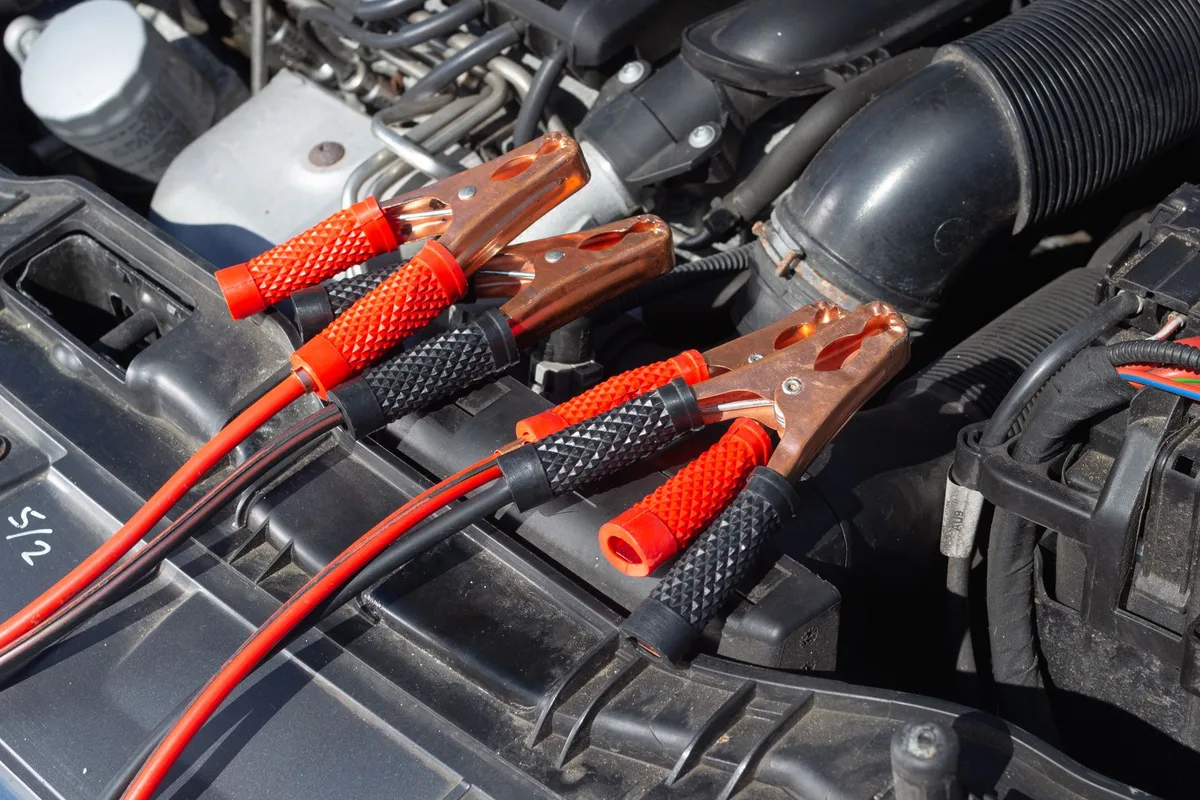
The honest answer to "what amp jump starter do I need" comes down to one thing: matching the pack's real cranking power to your engine. A dead battery on a freezing morning doesn't care about the big number printed on the box. It cares whether the booster can actually spin your starter motor.
Guess low, and you're still stranded.
Here's the catch. That giant "peak amps" figure isn't what starts your car. What matters is cranking amps, the steady current your engine really pulls.
A small gas four-cylinder might need only 150 to 300 cranking amps, while a big diesel can demand 600 or more. Let's start with why guessing goes wrong.
Why Guessing the Amps Leaves You Stranded
Most people buy a jump starter based on the boldest number on the packaging. That number is almost always peak amps, and it's mostly for show.
The problem shows up at the worst moment. You clamp on, hit the button, and the engine just clicks. The pack had "2000 peak amps," so what happened?
Peak amps last a split second. Your starter motor needs sustained current for a full second or two. If the sustained output is too weak for your engine, the pack can't finish the job.
Here's the simple if/then logic that keeps you out of trouble:
- If you buy on peak amps alone, then you risk under-sizing for your engine.
- If you match cranking amps to your engine size, then you get a first-try start.
- If you drive a diesel or live somewhere cold, then you size up, not down.
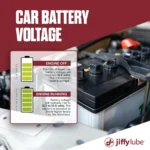
A jump starter that reads plenty of voltage can still fail to crank, the same way a tired battery can show 12 volts and still not turn the engine over. Voltage tells you charge. Amps tell you muscle.
The Quick Answer: How Many Amps You Actually Need
Match cranking amps to your engine, not peak amps. Small gas cars need 150 to 300 cranking amps. Larger V6 and V8 trucks want 400 to 600.
Diesel engines usually need 600 or more. Always check the pack's rated engine-size limit first.
That's the short version. For most everyday gas cars and SUVs, a lithium pack rated for engines "up to 6.0L gas" covers you with room to spare.
Diesel drivers are the exception. A 6.7L Cummins or Power Stroke pulls hard on the starter, so you want a unit rated specifically for diesel duty. When a spec sheet lists both a gas and a diesel limit, trust the diesel number if that's what you drive.
Peak Amps vs. Cranking Amps (What the Box Won't Tell You)
Peak amps and cranking amps are not the same thing, and mixing them up is the number one sizing mistake. Peak amps is a brief burst, sometimes lasting milliseconds. Cranking amps is the current the pack can hold while your starter actually spins.
Think of it like a sprinter versus a distance runner. Peak amps is the sprinter's top speed for one stride. Cranking amps is the pace they can hold to finish the race.
Your engine needs the finisher.
Here's how the common ratings compare:
| Rating | What it measures | Why it matters to you |
|---|---|---|
| Peak amps | Instant burst, split second | Marketing headline, weak buying guide |
| Cranking amps (CA) | Sustained start current at 32°F | Closer to real starting power |
| Cold cranking amps (CCA) | Sustained current at 0°F | Best number for cold climates |
Notice that CCA is tested at 0°F. That's a deliberate standard set by SAE International, the body behind battery cranking tests. It exists because cold is when starting gets hardest.
One more thing worth clearing up. The CCA on your car battery and the output of your jump starter are two different specs. Your battery's rating tells you what it delivers when healthy.
If you want a refresher on that side, our breakdown of how much cranking power a car battery should have lays it out. The jump starter's job is to stand in when that battery is flat.
The 3 Questions That Decide Your Amp Rating
Three quick questions get you to the right number. Answer them in order, and the rest falls into place.
Question 1: Gas or Diesel?
Fuel type is the biggest single factor, so start here. Diesel engines have much higher compression than gas engines. That compression means the starter has to work harder, which means more cranking amps.
- If gas: you can aim at the lower end of the amp range for your engine size.
- If diesel: you size up, and you buy a pack that names a diesel limit directly.
A gas V6 and a diesel of the same displacement are not the same job. The diesel always asks for more.
Question 2: How Big Is Your Engine?
Engine displacement, measured in liters, tells you how much current the starter draws. Bigger displacement means more cranking amps needed. A 1.5L commuter is worlds apart from a 6.2L V8.
Check your owner's manual or the sticker under the hood for displacement. Then match it to a pack that lists an engine-size limit at or above yours. When in doubt, round up.
Question 3: How Cold Does It Get Where You Live?
Cold weather raises how much current your engine needs and lowers what any battery can give. It's a double hit. A battery near 0°F can lose roughly a third of its usable capacity, which is exactly why weak batteries struggle far more in winter.
- If you live somewhere mild: size to your engine and you're set.
- If you face hard winters: add margin, and lean on the CCA-style rating, not just peak amps.
Cold is also when a marginal starting battery finally quits. If yours already reads low, sizing your jump starter with headroom is smart insurance.
Amp Sizing Chart by Engine Size and Fuel Type
Use this chart as a starting map. These are cranking-amp targets, not peak-amp numbers, so compare them against the honest rating on any pack you consider.
| Vehicle type | Engine size | Fuel | Cranking amps to look for |
|---|---|---|---|
| Compact car, sedan | Up to 2.0L | Gas | 150 to 300 CA |
| Midsize car, small SUV | 2.0L to 3.5L | Gas | 300 to 400 CA |
| Full-size truck, SUV | 3.5L to 6.2L | Gas | 400 to 600 CA |
| Half-ton diesel | Up to 3.0L | Diesel | 500 to 700 CA |
| Heavy-duty diesel | 5.9L to 6.7L | Diesel | 700 to 1000+ CA |
| Motorcycle, ATV, powersports | Under 1.0L | Gas | 100 to 200 CA |
A few notes so you read this right. Cold-climate drivers should aim toward the top of each band. Peak-amp figures on the box will look much larger than these numbers, and that's normal, so don't let a big headline convince you a pack is oversized when its sustained output is thin.
If your vehicle sits at a boundary, like a 3.5L that could be light-duty or working hard towing, size up to the next row. The extra headroom costs little and saves you on the cold mornings when a low reading turns into a no-start.
Matching the Jump Starter to Your Vehicle Type
Once you have a cranking-amp target, match it to what you actually drive. The right pack for a hatchback is nowhere near enough for a work truck. Here's how the main vehicle classes break down.
Compact Cars and 4-Cylinders
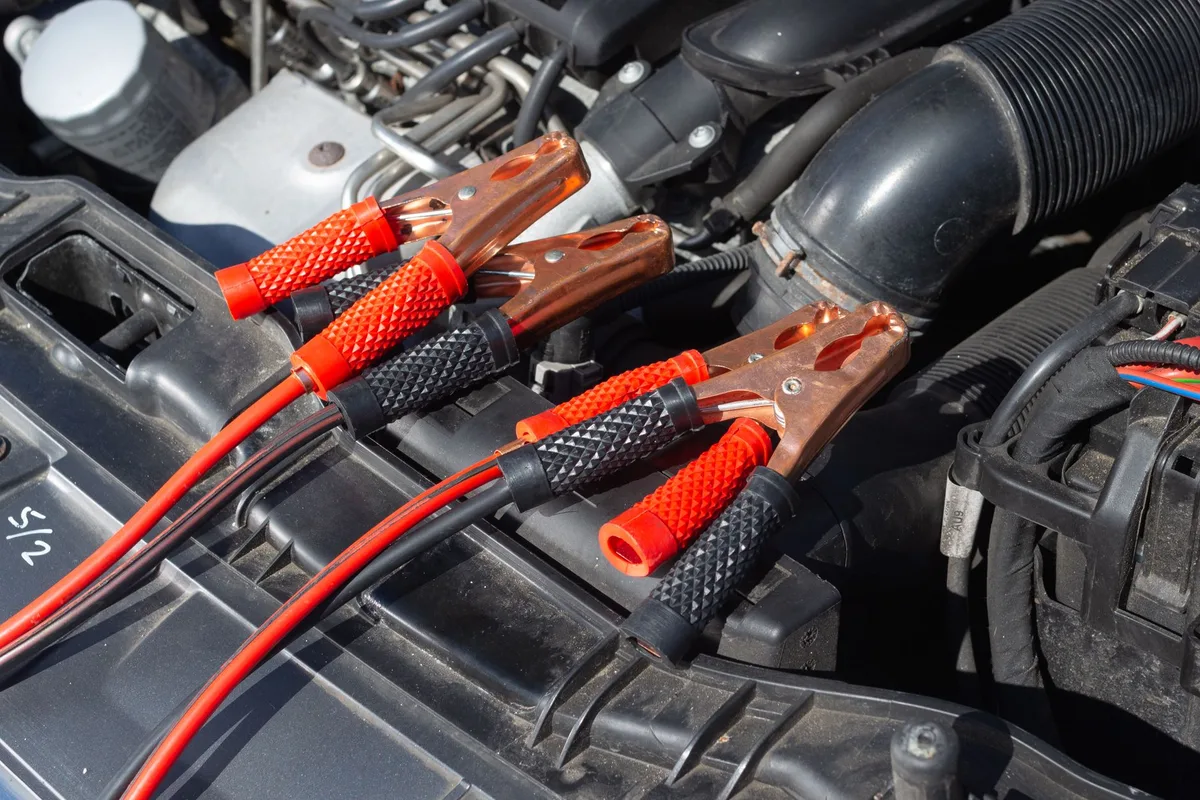
A small gas engine is the easiest job for any jump starter. Most compacts and sedans under 2.0L start fine on 150 to 300 cranking amps. A modest lithium pack rated "up to 4.0L gas" gives you comfortable headroom.
Don't overspend here. A giant heavy-duty unit works, but it's heavier and pricier than you need. If your commuter keeps needing jumps, the real fix may be a tired battery, not a bigger booster.
V6 and V8 Trucks and SUVs
Bigger gas engines want more sustained current, so look at 400 to 600 cranking amps. A pack rated "up to 6.0L gas" handles almost every V6 and V8 pickup or SUV on the road. Towing rigs and older engines lean toward the higher end.
If your V8 cranks slowly even after a jump, check the starting battery against the alternator. A weak charging system drains the battery faster than any booster can mask.
Diesel Pickups (Cummins, Power Stroke, Duramax)
Diesels are the demanding case, full stop. High compression and, often, dual batteries mean you want 700 cranking amps or more. Buy a pack that names a diesel displacement limit, like "up to 8.0L diesel," not just a gas figure.
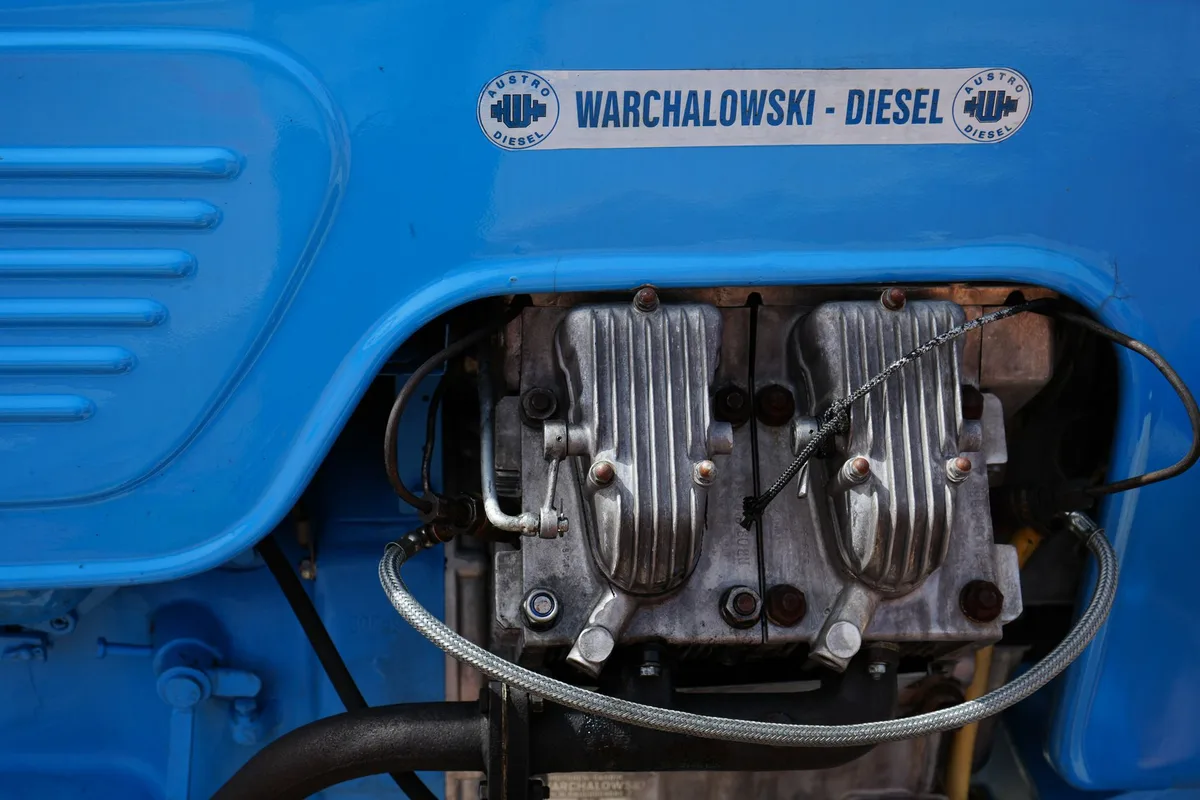
A 6.7L Cummins or Power Stroke in winter is about the hardest start a portable pack faces. Undersize here and you'll get clicks, not cranks. When a spec sheet shows both limits, the diesel number is the one that matters for your truck.
Motorcycles, Powersports, and Marine
Small engines need surprisingly little: 100 to 200 cranking amps covers most bikes, ATVs, and jet skis. The catch is fit, not power. A compact pack with smaller clamps reaches tight powersports terminals more easily.
Marine is the exception to watch. Many boats run 12V, but larger setups use 24V, and that changes everything, which is exactly what the next section covers.
12V vs. 24V: The Rating That Overrides Everything
Voltage is a hard gate, not a preference. A 12V jump starter will not start a 24V system, no matter how many amps it claims. Get this wrong and amperage is irrelevant.
Almost every car, pickup, and motorcycle runs a 12V system. You'll find 24V on heavy trucks, some large diesels, agricultural equipment, and bigger marine rigs. A few packs offer a 12V/24V switch for exactly this reason.
- If you drive a normal car or truck: a 12V pack is all you need.
- If you run heavy equipment or a big boat: confirm the voltage first, then the amps.
Check the battery setup before you buy. Two 12V batteries wired in series make 24V, and that's an easy detail to miss under a crowded hood.
Why Cold Weather Changes the Math
Cold does two brutal things at once. It thickens engine oil, so the starter drags harder, and it slows the battery's chemistry, so less current comes out. Your engine asks for more exactly when your battery has less to give.
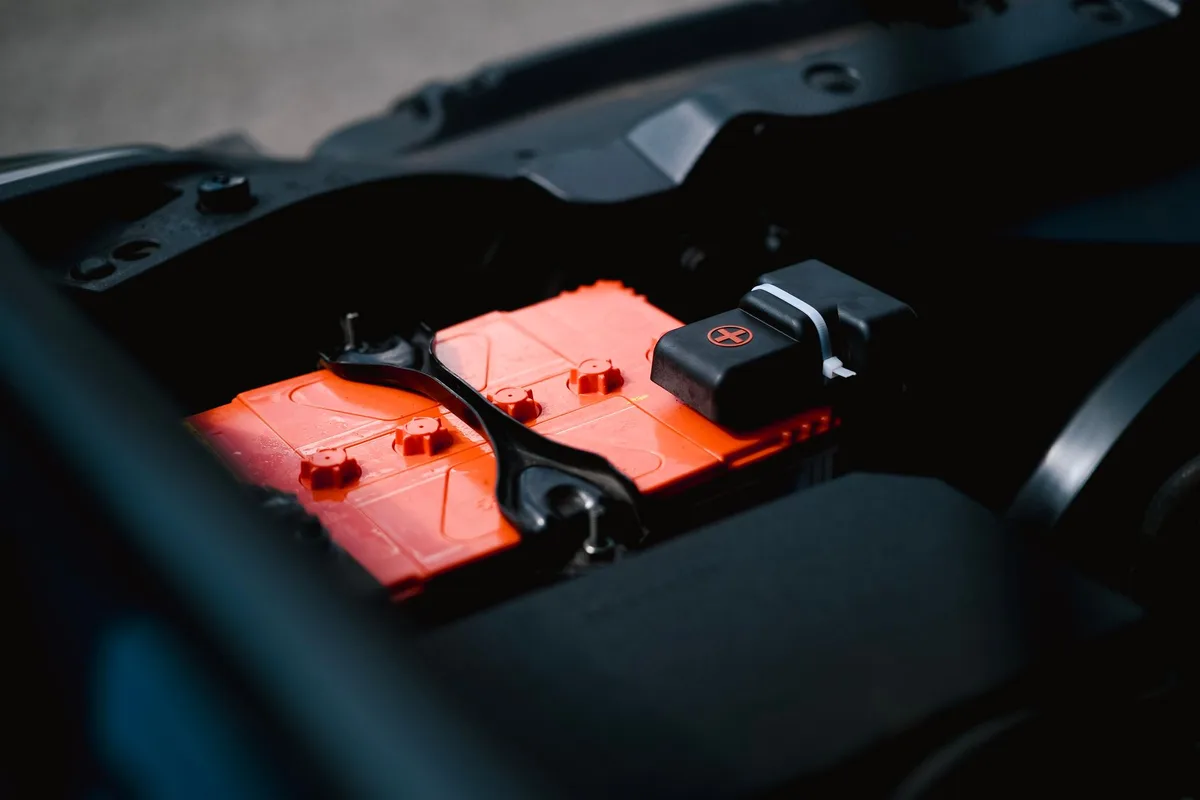
Near 0°F, a battery can lose roughly a third of its rated capacity. That's why a car that starts fine in fall suddenly drops voltage hard on a cold morning and struggles to turn over. The margin that felt fine in October disappears in January.
The fix is headroom. If you face real winters, size up one row on the chart and favor the CCA-style rating. A pack that's borderline at room temperature becomes useless when the thermometer drops.
Lithium chemistry has its own cold quirk, which brings us to what's inside the pack.
Lithium, LiFePO4, or Lead-Acid: How Chemistry Affects the Amps You Get
The battery chemistry inside your jump starter changes how much usable cranking power you get, especially in the cold. Three types dominate the market as of 2026. Each has a clear best fit.
| Chemistry | Strengths | Watch-outs | Best for |
|---|---|---|---|
| Lithium-ion | Light, compact, high peak output | Loses output in extreme cold | Everyday gas cars, glovebox backup |
| LiFePO4 | Long lifespan, safer, steadier | Bulkier, higher price | Frequent use, hot or cold climates |
| Lead-acid booster | Big sustained current, cheap | Heavy, needs regular recharging | Diesels, shop and fleet use |
Lithium-ion is the default for good reason. It's light, doubles as a power bank, and delivers strong bursts. In deep cold, though, its output sags, so warm the pack in the cabin before you use it.
LiFePO4 costs more but holds up over many more charge cycles and handles temperature swings better. Old-school lead-acid boosters are heavy and need topping up, yet their steady, high sustained current still suits big diesels and busy shops. Whatever you pick, a pack left flat for months won't crank, so recharge it a few times a year.
Sizing Mistakes That Kill a Jump Start
Most failed jumps trace back to a handful of avoidable errors. Run through these before you buy or before you blame the pack.
- Buying on peak amps: the headline number isn't sustained cranking power. Match cranking amps instead.
- Undersizing a diesel: gas ratings don't transfer. Use the diesel limit.
- Ignoring cold: no winter margin means no-starts in January.
- Wrong voltage: a 12V pack can't start a 24V system.
- Storing it dead: a self-discharged lithium pack won't crank when you need it.
One more trap is blaming the jump starter when the real culprit is the vehicle. If your battery keeps dying between drives, a hidden parasitic drain or failing alternator is the likely cause. A booster gets you moving, but it won't cure a charging fault.
The last mistake is skipping the manual. Manufacturer specs confirm the exact engine-size limit for each pack, and that rating beats any rule of thumb. When the printed number and your guess disagree, trust the number.
Reading a Spec Sheet Without Getting Fooled
A spec sheet answers your amp question fast, if you read it in the right order. Skip the marketing headline and go straight to the details that predict a real start.
- Engine-size limit: the single most useful line, like "up to 6.0L gas / 3.0L diesel."
- Cranking or starting amps: the honest output figure, not peak.
- Voltage: confirm 12V or 24V for your vehicle.
- Battery capacity (Wh or mAh): more capacity means more starts per charge.
If a listing shows only peak amps and no engine limit, treat that as a red flag. Reputable manufacturers publish the displacement rating because that's what buyers actually need.
Safety Checks Before You Clamp On
A quick safety pass protects you and the pack. Never jump a battery that's frozen, cracked, or leaking, since that can cause a rupture.
Connect in the right order every time: red clamp to positive, black clamp to a clean ground point. Reverse-polarity and spark-proof protection help, but correct habits matter more. Keep sparks and flames away, and wear eye protection.
After starting, disconnect in reverse order and let the engine run to recharge. If the vehicle won't hold a charge afterward, the battery or charging system needs a proper look, not another jump.
Frequently Asked Questions
Is 1000 amps enough to jump a car?
For most gas cars and light trucks, yes. That figure usually refers to peak amps, which comfortably covers engines up to around 6.0L. Diesels are the exception and may want more sustained cranking power.
Always check the pack's rated engine-size limit rather than the peak number alone.
What's the difference between peak amps and cranking amps?
Peak amps is a split-second burst, mostly a marketing figure. Cranking amps is the sustained current your starter actually pulls to turn the engine. Cranking amps predicts a real start far better.
When comparing packs, match cranking amps to your engine, not the headline peak.
How many amps do I need to jump a diesel truck?
Plan on 700 cranking amps or more for a heavy-duty diesel. High compression and dual batteries make diesels the toughest start. Buy a pack that names a diesel displacement limit, like "up to 8.0L diesel." The gas rating on the same box doesn't apply to your truck.
Do I need more amps for cold weather?
Yes, cold weather calls for extra headroom. Near 0°F, a battery can lose about a third of its capacity while the engine needs more current. Size up one step on the chart and favor the CCA-style rating.
A pack that's borderline in mild weather often fails in winter.
Can a jump starter be too powerful?
Not really, as long as the voltage matches. A pack rated above your engine's needs simply gives you extra margin and more starts. The only downsides are added weight and cost.
Matching voltage, 12V or 24V, matters far more than having spare amps.
Your Amp-Rating Decision Guide
Here's the whole decision in four quick steps. Answer them in order and you'll land on the right pack.
- Check voltage first: 12V for almost all cars, 24V for heavy equipment.
- Note fuel and engine size: diesel and bigger displacement need more cranking amps.
- Match cranking amps, not peak: use the engine-size limit on the spec sheet.
- Add cold-weather margin: size up one row if you face real winters.
Get those four right and the amp question answers itself. A small gas car is happy on 150 to 300 cranking amps, while a big diesel wants 700 or more. Buy for your hardest start, not your easiest one, and you'll crank on the first try when it counts.

Similar Posts