What Does Ah Mean on a Battery? Amp Hours Explained
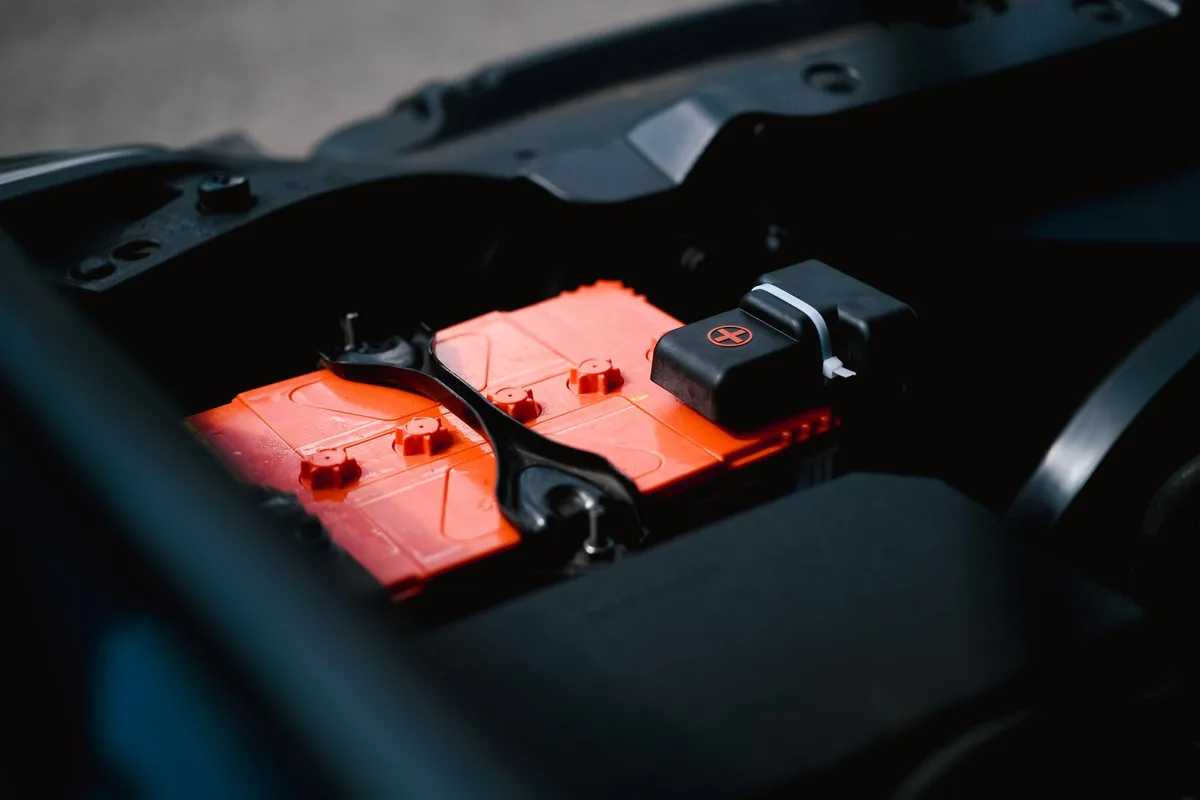
That little number stamped on the case, something like 100Ah, is one of the most misread specs in the whole battery world. If you've ever wondered what does Ah mean on a battery, the short answer is amp-hours: a measure of how much charge the battery can store, not how much power it can shove out at once. Think of it as the size of the fuel tank, not the size of the engine.
Here's the catch most labels won't tell you. That rating gets measured in a lab under gentle conditions, usually a slow 20-hour drain known as the C/20 rate. As of 2026, most 12V deep-cycle batteries still print their headline Ah figure at that easy pace, which almost never matches how you'll actually use them.
Let's unpack what the number really promises.
The Quick Answer: How to Read the Ah Number on Your Battery
Ah stands for amp-hours, the battery's capacity. It tells you roughly how much current a battery can supply over time. A 100Ah battery can deliver 5 amps for about 20 hours.
Higher Ah means longer runtime, not more power. Voltage and chemistry decide the rest.
How Amp-Hours Work: Current, Time, and What Gets Measured
An amp-hour is exactly what it sounds like: one amp of current flowing for one hour. So 1Ah equals 1 amp for 1 hour, or 2 amps for half an hour. The math is simple at its core.
Runtime follows an easy formula:
- Runtime (hours) = Ah ÷ load current (amps)
Draw 10 amps from a 100Ah battery and, on paper, you get 10 hours. Draw 5 amps and you'd get 20. That's the theory, anyway.
Capacity is different from power. Power is about how many amps a battery can push at once, which is why a starter battery leans on cranking amps instead. If you're curious how that plays out under the hood, our breakdown of the amps a car battery really needs covers it.
Amp-hours, by contrast, are all about endurance over time.
Why the Discharge Rate (C-Rating) Changes the Ah You Actually Get
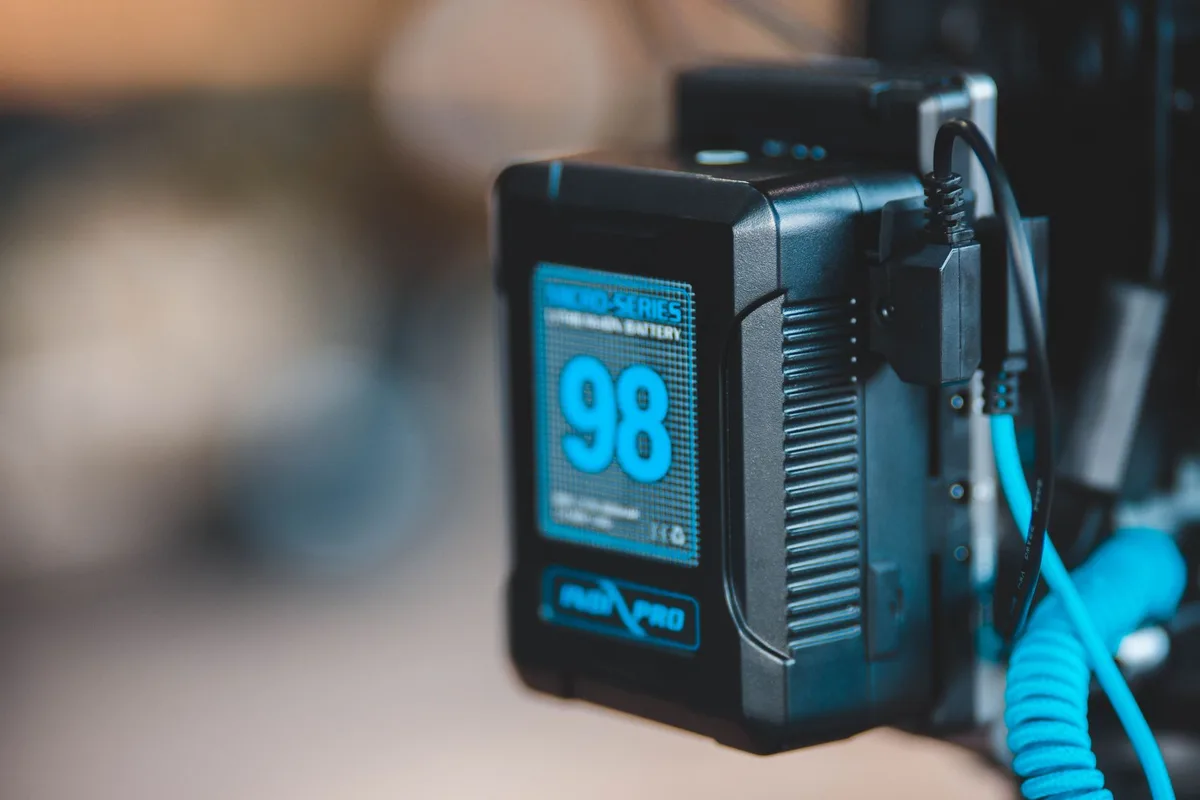
That printed Ah number is tied to a discharge rate, and this trips up a lot of people. Most deep-cycle batteries are rated at the C/20 rate, meaning the capacity is measured while draining the battery slowly over 20 hours.
Pull harder and you get less. A 100Ah battery rated at C/20 might only deliver 80Ah if you drain it in 5 hours. The faster you take energy out, the less total capacity you see.
So the same battery has a moving target for "real" Ah, depending entirely on your load.
The U.S. Department of Energy's research arm, the National Renewable Energy Laboratory, publishes battery testing data that backs this up: rated capacity and delivered capacity are rarely the same number under working loads.
Ah vs Watt-Hours: The Voltage Piece Most People Miss
Here's where Ah alone can fool you. Amp-hours ignore voltage, and voltage is half the story of energy. Two batteries can both say 100Ah and hold wildly different amounts of usable energy.
To get the true energy figure, you convert to watt-hours:
- Watt-hours (Wh) = Ah × Volts
A 100Ah battery at 12V holds 1,200Wh. A 100Ah battery at 24V holds 2,400Wh. Same Ah, double the energy.
That's why comparing batteries by Ah alone is a rookie mistake.
Converting Ah to Wh (and Why Wh Is the Fairer Comparison)
Watt-hours let you compare apples to apples across different voltages. Here's a quick reference:
| Battery | Ah rating | Voltage | Energy (Wh) |
|---|---|---|---|
| 12V small deep-cycle | 50Ah | 12V | 600Wh |
| 12V standard | 100Ah | 12V | 1,200Wh |
| 24V bank | 100Ah | 24V | 2,400Wh |
| 48V home storage | 100Ah | 48V | 4,800Wh |
When you're sizing a system, always work in watt-hours. Figure out how many watt-hours your gear pulls in a day, then match a battery to that. Since voltage sits at the heart of this, it helps to know what a healthy resting reading looks like on a 12V battery before you trust its capacity.
Rated Ah vs Usable Ah: Depth of Discharge and Why Half Your Lead-Acid Battery Is Off-Limits
A 100Ah battery does not give you 100 usable amp-hours. This is the single biggest gap between the label and reality. How much you can safely pull depends on chemistry and something called depth of discharge (DoD).
Depth of discharge is how far you drain the battery before recharging. Push a battery too deep, too often, and you shorten its life fast, especially with lead-acid.
- Lead-acid (flooded, AGM, gel): stick to about 50% DoD for decent lifespan
- LiFePO4 (lithium iron phosphate): safe to 80% to 100% DoD
So the usable numbers look like this:
- 100Ah lead-acid → roughly 50Ah usable
- 100Ah LiFePO4 → roughly 80 to 100Ah usable
That's a huge difference. A "100Ah" lead-acid battery and a "100Ah" lithium battery are not close to equal in real-world runtime. Draining lead-acid flat is one of the fastest ways to kill it, and the same over-discharge logic explains why some batteries keep dying early.
Usable capacity math is simple:
- Usable Ah = rated Ah × DoD limit
Always size around usable Ah, never the label number.
How Long Will a 100Ah Battery Actually Last? Real Runtime Math
A 100Ah battery running a 5-amp load lasts about 10 hours in the real world, not the 20 the simple formula suggests. The gap comes from usable capacity, discharge rate, and efficiency losses. Let's walk a practical example.
Say you're running a 60-watt fridge off a 12V 100Ah lithium battery:
- Current draw = 60W ÷ 12V = 5 amps
- Usable capacity (90% DoD) = 90Ah
- Runtime = 90Ah ÷ 5A = about 18 hours
Now the same fridge on a 100Ah lead-acid battery:
- Usable capacity (50% DoD) = 50Ah
- Runtime = 50Ah ÷ 5A = about 10 hours
Same "100Ah" label, nearly double the runtime from lithium. If there's an inverter in the chain, shave off another 10% to 15% for conversion losses.
The Peukert Effect and Cold-Weather Capacity Loss
Two more things quietly steal runtime. The first is the Peukert effect: the harder you discharge a lead-acid battery, the less total capacity it delivers. Lithium barely cares about this, but lead-acid loses noticeably under heavy loads.
The second is temperature. Cold weather drops usable capacity across every chemistry, and lead-acid takes the biggest hit. A battery that gives full capacity at room temperature can lose 20% or more near freezing.
If you rely on a battery through winter, our notes on how the cold changes battery behavior are worth a look before you get caught short. Plan your bank with those losses baked in, not as an afterthought.
Ah vs mAh, CCA, and Reserve Capacity: Which Rating Tells You What
Battery labels throw a lot of numbers at you, and they don't all measure the same thing. Ah covers capacity over time. But you'll also see mAh, CCA, and RC, and mixing them up leads to bad buying decisions.
Here's what each one actually tells you:
| Rating | Full name | What it measures | Where you'll see it |
|---|---|---|---|
| Ah | Amp-hours | Storage capacity over time | Deep-cycle, solar, RV, marine |
| mAh | Milliamp-hours | Same as Ah, 1,000x smaller | Phones, power tools, small cells |
| CCA | Cold cranking amps | Burst power to start an engine at 0°F | Car starter batteries |
| RC | Reserve capacity | Minutes at 25A before going flat | Automotive and dual-purpose |
The key split is capacity versus power. Ah and RC tell you how long a battery runs. CCA tells you how hard it can hit for a few seconds.
A starter battery lives and dies by CCA, which is why a battery can read a healthy voltage yet still fail to turn the engine over.
Reserve capacity is just another way to state runtime. An RC of 120 means the battery holds 25 amps for 120 minutes. That works out to 50Ah under that specific load, which again is less than the C/20 label.
Lithium (LiFePO4) vs Lead-Acid: Why the Same Ah Isn't the Same Power
Two batteries can share the same Ah number and behave nothing alike. LiFePO4 and lead-acid differ in usable capacity, weight, lifespan, and how they hold voltage under load. If you're choosing between them, the Ah figure is only the starting point.
Here's how a matched pair of "100Ah" batteries really compares:
| Factor | 100Ah LiFePO4 | 100Ah Lead-Acid |
|---|---|---|
| Usable capacity | 80 to 100Ah | About 50Ah |
| Typical cycle life | 3,000 to 5,000+ | 300 to 500 |
| Weight | Roughly 30 lb | Roughly 60 lb |
| Voltage under load | Stays flat | Sags as it drains |
| Upfront cost | Higher | Lower |
Who's each best for? Lead-acid still makes sense for tight budgets, backup banks that rarely cycle, and cranking duty. LiFePO4 wins for daily-cycle use like solar, van builds, and marine house banks, where its deeper usable capacity and long cycle life pay off over time.
One quiet advantage of lithium is voltage stability. Lead-acid voltage drops steadily as it empties, which can leave sensitive gear starving before the battery is truly done. That sag mirrors the voltage dip you see when a load hits a weaker battery.
Series vs Parallel Wiring: How Ah and Voltage Add Up
How you wire batteries together decides whether you gain voltage or capacity. This is where a lot of DIY builds go sideways. The rule is simple once you see it.

- Series (positive to negative): voltage adds up, Ah stays the same
- Parallel (positive to positive): Ah adds up, voltage stays the same
Two 12V 100Ah batteries in series give you 24V at 100Ah. The same two in parallel give you 12V at 200Ah. Total energy in watt-hours is identical either way, at 2,400Wh.
You're just choosing how to split it between volts and amp-hours.
Which should you pick? Go series when your system runs at higher voltage, like a 24V or 48V setup that cuts current and wiring losses. Go parallel when you need more runtime at your existing voltage.
Always match batteries by chemistry, age, and capacity before wiring them together, or the weakest one drags the whole bank down.
Sizing a Battery Bank From Your Daily Load, Step by Step
Sizing a bank comes down to one question: how many watt-hours do you burn in a day? Work backward from that and you'll land on the right Ah. Here's the process.
Add up your daily load. List every device's watts and hours of use per day. A 60W fridge running 24 hours is 1,440Wh.
Total your daily watt-hours. Say it comes to 2,000Wh across all your gear.
Pick your system voltage. Divide watt-hours by volts. At 12V, that's 2,000 ÷ 12, or about 167Ah of energy needed per day.
Adjust for depth of discharge. For lithium at 80%, divide by 0.8, giving roughly 208Ah. For lead-acid at 50%, divide by 0.5, giving 334Ah.
Add a buffer. Pad 20% for cold weather, inverter losses, and cloudy days if you're on solar.
That buffer isn't optional. Real systems lose energy to heat, conversion, and temperature. Undersize the bank and you'll be recharging constantly, which wears the battery out faster and leaves you short when you need it most.
Common Ah Mistakes That Kill Runtime and Batteries
Most Ah problems trace back to a handful of repeat errors. Our research into user complaints and manufacturer guidance shows the same ones over and over. Dodge these and you'll get far more from any battery.
- Treating rated Ah as usable Ah. Always subtract for depth of discharge first.
- Comparing lead-acid and lithium Ah head to head. Convert to usable Ah before you judge.
- Ignoring the discharge rate. A C/20 label overstates capacity under heavy loads.
- Forgetting voltage. Compare batteries in watt-hours, not raw Ah.
- Draining lead-acid past 50%. Deep cycling shortens its life dramatically.
- Skipping a temperature buffer. Cold weather can strip 20% or more of capacity.
- Mixing mismatched batteries in parallel. Different ages or sizes pull the whole bank down.
The costliest mistake is chronic over-discharge. Pulling a battery flat again and again is the fastest route to premature failure, and it often masquerades as a "bad battery" when the real culprit is how it's being used. A quick multimeter check on the charging system can rule out other causes before you blame the battery itself.
Safety Limits: Fusing, Over-Discharge, and Chemistry Warnings
Amp-hours tell you capacity, but current is what burns wires and starts fires. Every battery bank needs a fuse or breaker sized to the wiring, not the battery. A high-Ah battery can dump enormous current into a short, so protection isn't optional.
Keep these safeguards in place:
- Fuse close to the battery positive terminal, rated for your wire gauge
- Match wire size to the maximum current your loads will pull
- Never discharge lead-acid below 50% or its rated cutoff
- Let the BMS handle lithium's over-current and over-discharge limits
Chemistry matters here too. Flooded lead-acid vents hydrogen gas while charging, so it needs ventilation and no open flames nearby. LiFePO4 is far more stable, but a damaged cell or faulty charger can still fault.
Stick to the manufacturer's rated charge and discharge limits, and don't bypass the battery management system.
Expert Tips for Getting the Most From Your Rated Ah
Getting full value from your Ah comes down to how you charge, discharge, and store the battery. Small habits add up to years of extra life. Here's what aggregate manufacturer guidance and long-term user reports point to.
- Charge fully and often. Lead-acid hates sitting partly charged, and full cycles keep it healthy.
- Avoid deep drains. Shallow cycles stretch cycle life on every chemistry.
- Keep it cool. Heat ages batteries fast, so store and mount away from heat sources.
- Match your charger. Use a profile made for your exact chemistry and voltage.
- Check state of charge with a monitor. A shunt-based meter tracks real Ah in and out.
One more tip: buy for usable Ah, not the sticker. If you need 100 usable amp-hours, a 200Ah lead-acid or a 120Ah lithium gets you there. Sizing around the label is how people end up short.
Battery Ah Questions People Ask Most
Does a higher Ah battery mean more power?
No, higher Ah means more runtime, not more power. Amp-hours measure how long a battery can supply current, not how many amps it can push at once. Power depends on voltage and the battery's ability to deliver current.
A 200Ah battery lasts longer than a 100Ah, but doesn't run bigger loads.
Can I replace a battery with a higher Ah rating?
Yes, in most cases you can safely fit a higher Ah battery of the same voltage and chemistry. It gives you more runtime with no downside for the device. Just confirm it physically fits and that your charger suits the larger capacity.
Never change the voltage, only the Ah.
How many hours will a 100Ah battery last?
A 100Ah battery lasts about as long as its usable capacity divided by your load in amps. Running a 5-amp load, expect roughly 18 hours from lithium and 10 hours from lead-acid. Bigger loads drain it faster.
Cold weather and inverter losses cut runtime further.
Is Ah the same as mAh?
Yes, they measure the same thing at different scales. One amp-hour equals 1,000 milliamp-hours. Small devices like phones use mAh because their capacity is tiny.
Larger batteries for cars, solar, and RVs use Ah for convenience.
What does the C/20 rating mean for my battery?
C/20 means the Ah capacity was measured over a slow 20-hour discharge. It's the industry-standard test condition for deep-cycle batteries. Drain the battery faster and you'll get less than the rated capacity.
That's why real-world runtime often falls short of the label number.
Should I compare batteries by Ah or watt-hours?
Compare by watt-hours whenever the voltages differ. Watt-hours combine Ah and voltage into one true energy figure. Two 100Ah batteries at 12V and 24V hold very different energy.
For same-voltage batteries, Ah alone works fine.

Similar Posts