How Much Does a Car Battery Weigh? Full Guide
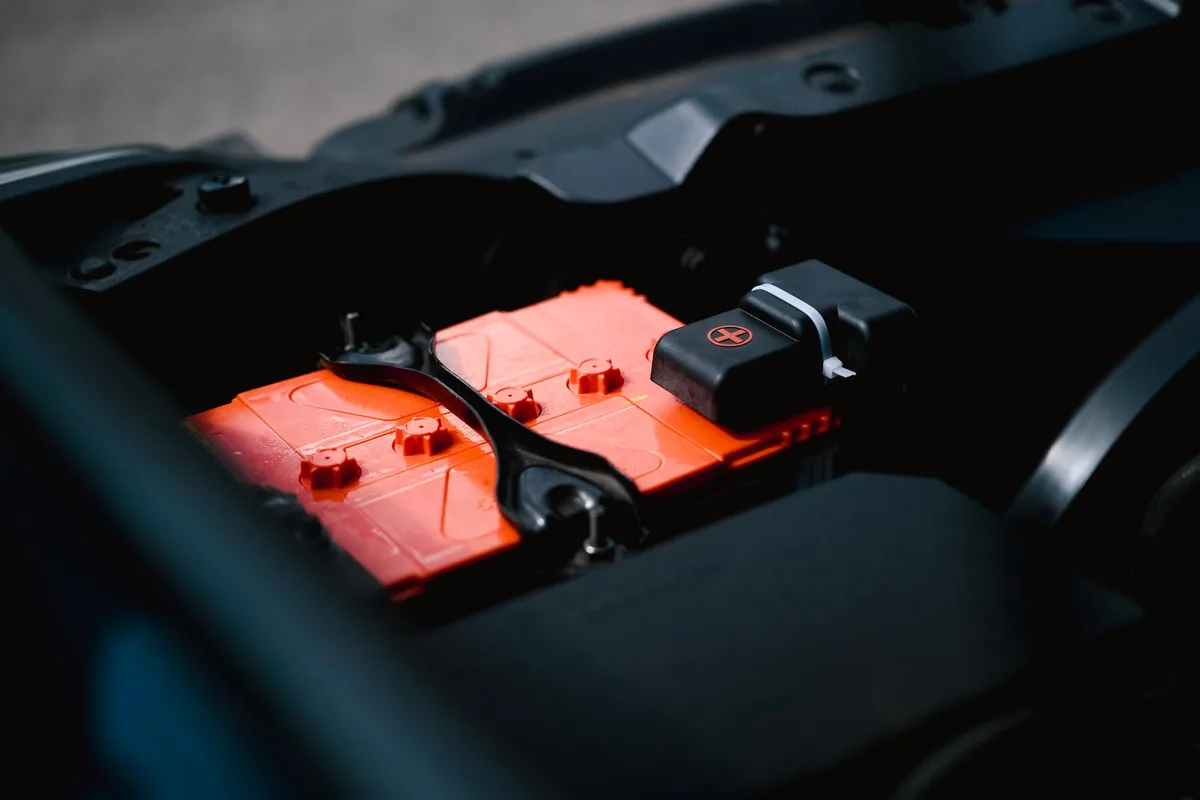
If you've ever gone to swap one out yourself, the first thing you notice is the heft. So how much does a car battery weigh? Most standard 12-volt car batteries land between 30 and 50 pounds.
The exact number depends on the size, the type, and how much lead is packed inside.
That weight isn't random. It tracks closely with the battery's group size and its Cold Cranking Amps (CCA), the rating set by Battery Council International standards. As of 2026, lithium options can cut that weight by more than half.
Here's the quick answer first, then the full breakdown.
Quick Answer
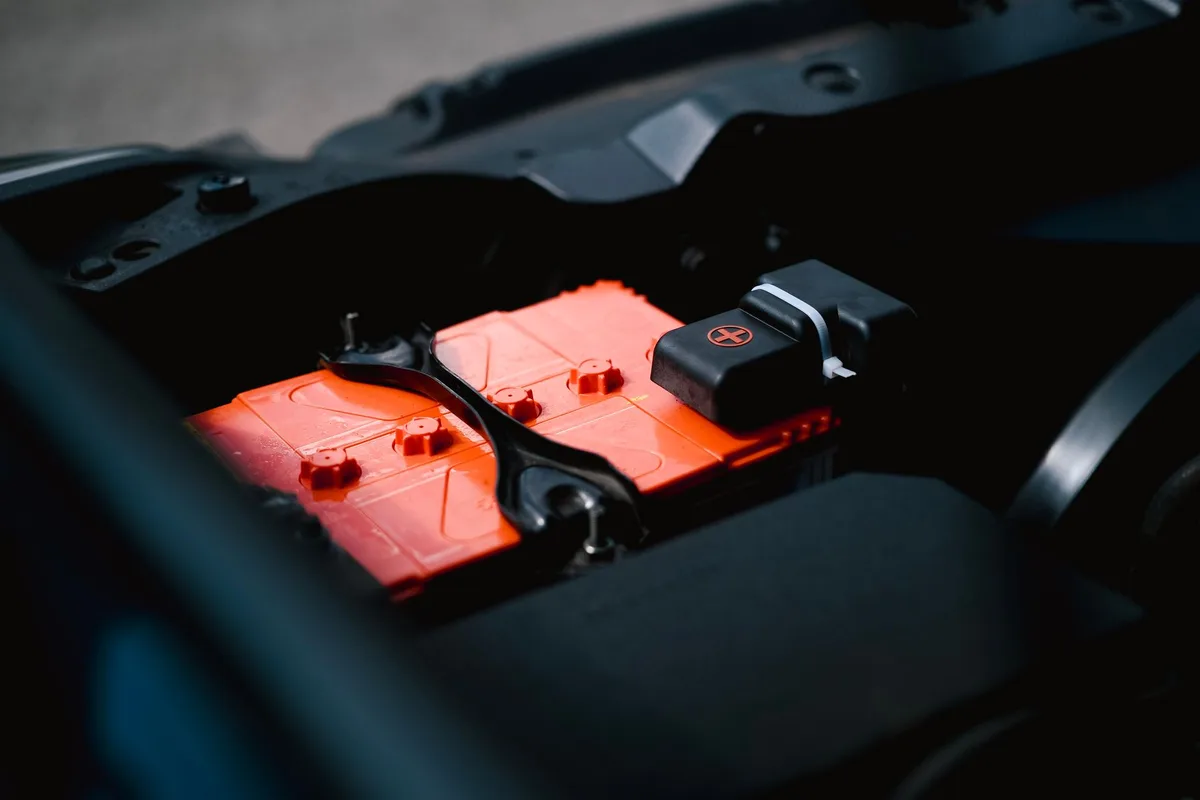
A typical 12-volt car battery weighs 30 to 50 pounds. That's roughly 14 to 23 kilograms. Small compact batteries can weigh as little as 25 pounds.
Large truck and SUV batteries can top 55 pounds. Lithium (LiFePO4) replacements often weigh just 10 to 20 pounds.
Why Car Battery Weight Isn't One-Size-Fits-All
Two batteries can look almost identical and still weigh 15 pounds apart. The difference comes down to what's inside and what the battery is built to do.
A battery that starts a small hatchback doesn't need much muscle. One that cranks a diesel truck in January needs far more lead and acid. More cranking power means more mass.
It's that simple.
Here's what drives the number up or down:
- Group size: The physical case dimensions set by BCI. Bigger case, more room for lead.
- Chemistry: Flooded, AGM, EFB, or lithium. Each stores energy differently.
- CCA rating: Higher cold-cranking amps usually mean thicker or more numerous plates.
- Vehicle type: Compacts run light batteries. Trucks and SUVs run heavy ones.
So when someone quotes a flat "40 pounds," treat it as a ballpark. Your real number lives on the label, and we'll show you how to read it later. If you're weighing a battery because you suspect it's failing, a quick voltage check with a multimeter tells you more than the scale does.
What Actually Makes a Car Battery So Heavy
Lead. That's the short answer. In a standard flooded lead-acid battery, lead and lead compounds make up roughly 60 to 70 percent of the total weight.
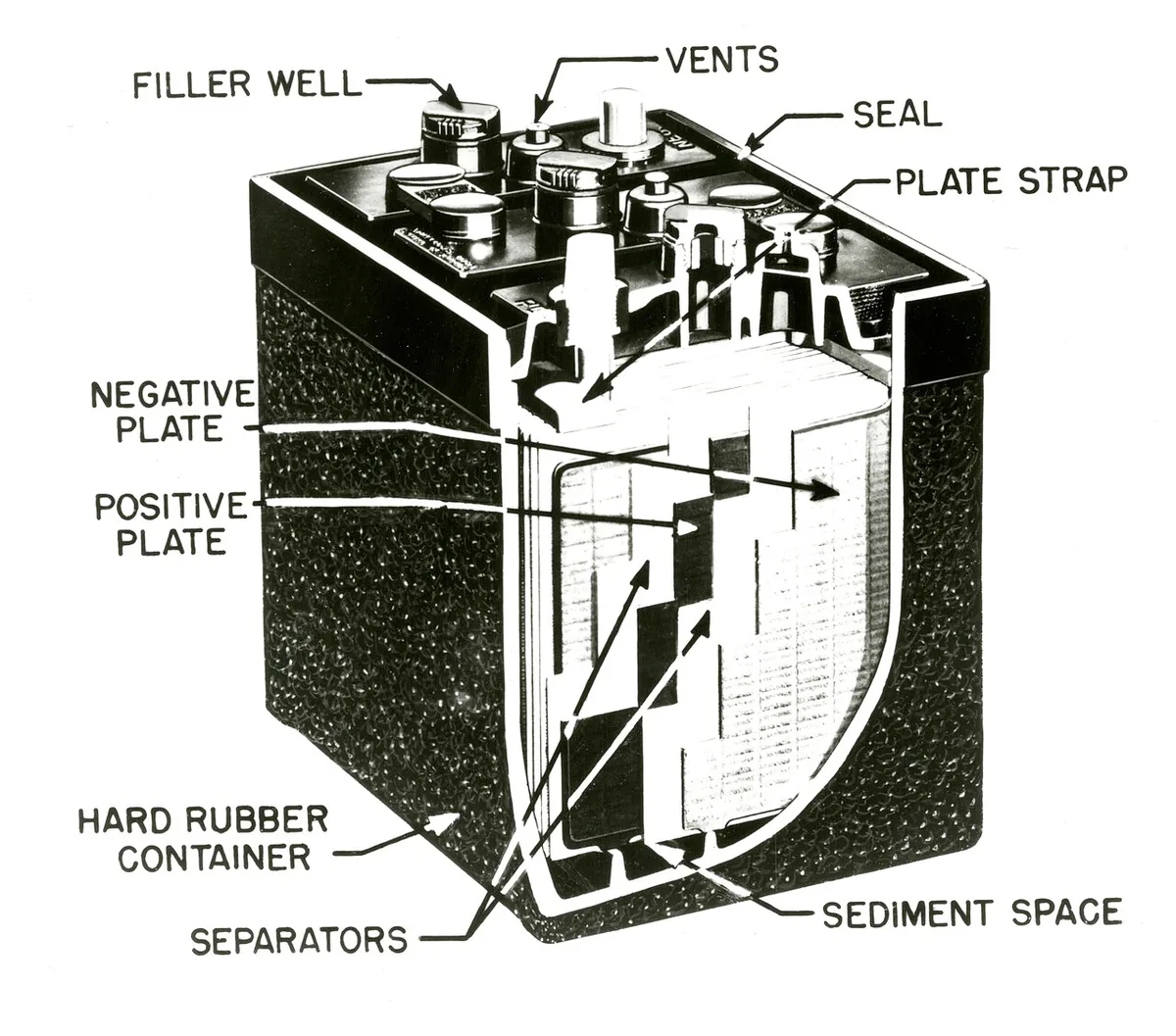
Inside the plastic case sit six cells, each producing about 2 volts, wired together for 12 volts. Every cell is stacked with lead plates soaked in a sulfuric acid electrolyte. Those dense plates are what let the battery push hundreds of amps to your starter motor.
The rest of the weight comes from the acid, the polypropylene case, the internal connectors, and the terminals. Lead is just heavy. A material that dense in that much volume adds up fast.
Research from the National Institute of Standards and Technology on battery materials backs up why lead-acid designs stay heavy while newer chemistries shed pounds.
This also explains why lithium batteries weigh so little. They swap heavy lead plates for lightweight lithium iron phosphate cells. Same starting job, a fraction of the mass.
Average Car Battery Weight by Type
Battery weight shifts a lot depending on the chemistry. Here's how the four common types stack up for a passenger-vehicle 12-volt battery.
| Battery Type | Typical Weight (lbs) | Typical Weight (kg) |
|---|---|---|
| Flooded lead-acid | 30–50 lbs | 13.6–22.7 kg |
| AGM | 38–55 lbs | 17–25 kg |
| EFB | 33–48 lbs | 15–22 kg |
| Lithium (LiFePO4) | 10–20 lbs | 4.5–9 kg |
Flooded Lead-Acid Weight
This is the classic wet-cell battery in most older and budget vehicles. It runs 30 to 50 pounds for a typical car. The liquid electrolyte and lead plates carry all that weight.
AGM and EFB Weight
AGM (Absorbent Glass Mat) batteries pack more lead into the same case for higher output. That's why they often weigh a few pounds more than a standard flooded battery of the same group size. EFB (Enhanced Flooded Battery) sits between the two, a bit lighter than AGM but tougher than basic flooded.
Lithium (LiFePO4) Weight
Lithium is the featherweight. A 12-volt lithium starter battery can weigh 10 to 20 pounds, sometimes less. Racers and off-roaders love them for the weight savings.
The trade-off is a higher upfront cost and different charging needs.
Car Battery Weight by BCI Group Size (Full Chart)
Group size is the fastest way to predict weight. The BCI system standardizes case dimensions and terminal layout, so a given group number tells you roughly how big and how heavy the battery is. Here are the common ones.
| BCI Group Size | Common Vehicles | Typical Weight (lbs) |
|---|---|---|
| Group 51R | Compact imports (Honda, Nissan) | 24–30 lbs |
| Group 35 | Sedans, small SUVs | 30–40 lbs |
| Group 24/24F | Toyota, older sedans | 35–43 lbs |
| Group 48 (H6) | European cars, many SUVs | 40–48 lbs |
| Group 65 | Ford trucks, large SUVs | 45–52 lbs |
| Group 94R | VW, Audi, many crossovers | 44–50 lbs |
| Group 49 (H8) | Large European, diesel | 50–60+ lbs |
You'll find your group size printed on the old battery, in the owner's manual, or in any BCI fitment lookup. Match the group and you'll get the right fit and a predictable weight. Picking the wrong group can leave a battery loose in the tray, which invites vibration damage over time.
If your current battery struggles in the cold, it's worth understanding how low temperatures affect performance before you assume a bigger, heavier one is the fix.
Weight by Vehicle Type: Compact, Sedan, SUV, and Truck
The vehicle in your driveway is a solid predictor of battery weight. Bigger engines need more cranking power, and more power means more mass.
- Compact cars: 24 to 35 pounds. Think Honda Civic, Toyota Corolla, small hatchbacks.
- Sedans and small SUVs: 30 to 45 pounds. Most Group 35 and 24F batteries fall here.
- Full-size SUVs and light trucks: 45 to 55 pounds. Bigger engines, higher CCA needs.
- Diesel trucks: 50 to 60+ pounds, often with two batteries wired together.
Diesels are the heavyweights for a reason. They need serious amperage to turn over a high-compression engine, especially in the cold. If your truck runs dual batteries, you're lifting that weight twice.
Knowing how many amps your battery should deliver helps explain why the truck unit dwarfs the one in a commuter car.
Flooded vs. AGM vs. Lithium: Side-by-Side Weight Comparison
Here's the head-to-head that matters most when you're choosing a replacement. Same job, three very different weights.
| Feature | Flooded | AGM | Lithium |
|---|---|---|---|
| Typical weight | 30–50 lbs | 38–55 lbs | 10–20 lbs |
| Upfront cost | Lowest | Mid | Highest |
| Cranking power | Good | Strong | Strong |
| Best for | Budget builds | Start-stop, daily drivers | Weight-critical builds |
Who should pick what? If you want the cheapest reliable option, flooded wins. If your car has start-stop tech or heavy electrical loads, AGM handles it better and the extra pounds are worth it.
Lithium is for anyone chasing weight savings, like racers, off-roaders, or motorcycle builds. You'll pay more, but you'll drop 20 to 30 pounds off the front of the car. Just confirm your charging system plays nice with lithium first.
Dry vs. Wet Weight: Why the Same Battery Shows Two Numbers
You'll sometimes see two weights listed for one battery. That's dry weight versus wet weight.
Dry weight is the battery before the sulfuric acid electrolyte goes in. Wet weight is the filled, ready-to-use battery. The acid adds several pounds, so the wet number is the one you actually lift off the shelf.
Manufacturer spec sheets usually list wet weight, since that's the shipping and install weight. If a listing looks suspiciously light, it may be quoting the dry figure. Always check which one you're looking at before you compare two batteries.
How to Find Your Battery's Exact Weight in Under a Minute
Skip the guesswork. Your battery's real weight is easy to pin down in a couple of ways.
Reading the Label and Spec Sheet
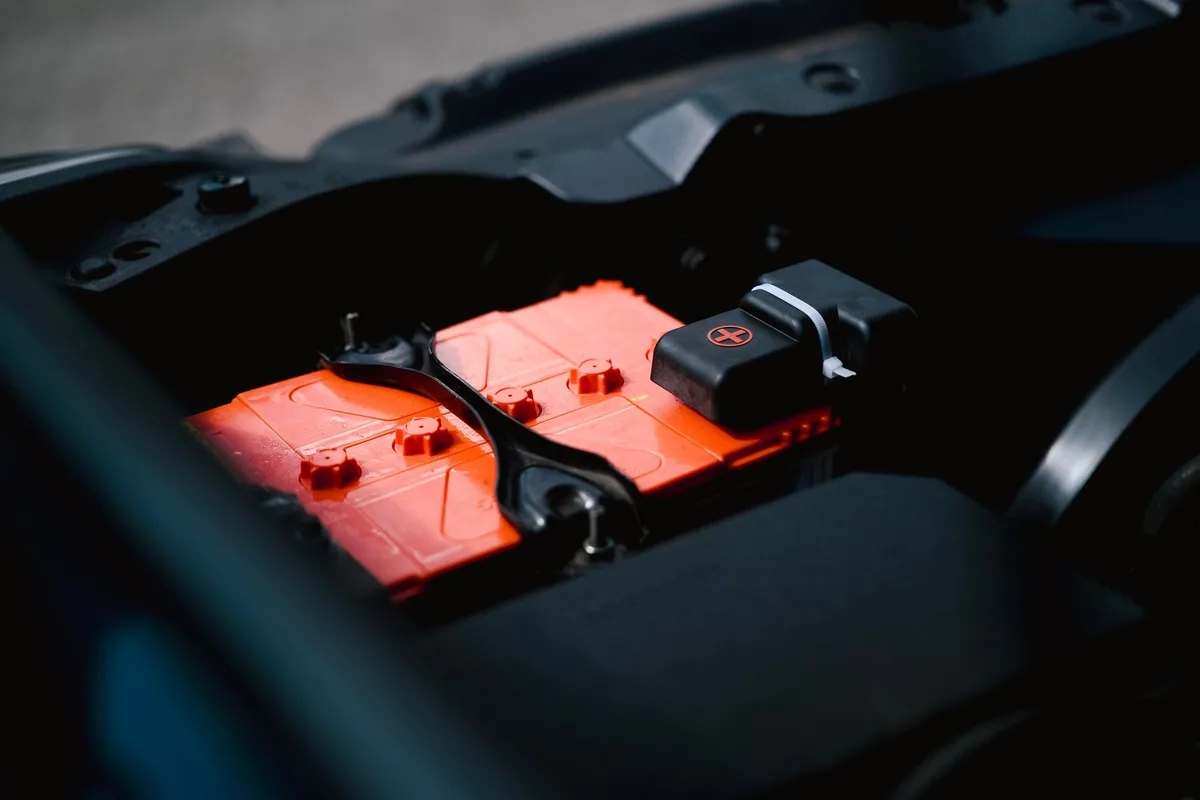
The fastest route is the label on top of the battery. Many list weight directly, along with the group size, CCA, and reserve capacity. No weight printed?
Note the brand and model, then pull the spec sheet from the manufacturer's site.
You can also match the group size to a fitment chart for a close estimate. A Group 35 will land near 35 pounds, a Group 65 closer to 50. It won't be exact, but it gets you within a few pounds.
Weighing It Yourself
Want the precise number? Put it on a scale. Here's the clean way to do it:
- Step on a bathroom scale and note your weight.
- Pick up the battery and step back on.
- Subtract the first number from the second.
A shipping or luggage scale works too, if the battery has a carry strap. This is handy when you're estimating freight costs for an online order.
Does a Dead Battery Weigh the Same as a New One?
Yes. A dead battery weighs almost exactly the same as a fully charged one. Charging doesn't add or remove mass in any way you could measure on a scale.
The difference between charged and discharged is chemical, not physical. The lead and acid are still all there, just in a different state. That's why a stone-dead battery you're hauling to the recycler feels every bit as heavy as the new one going in.
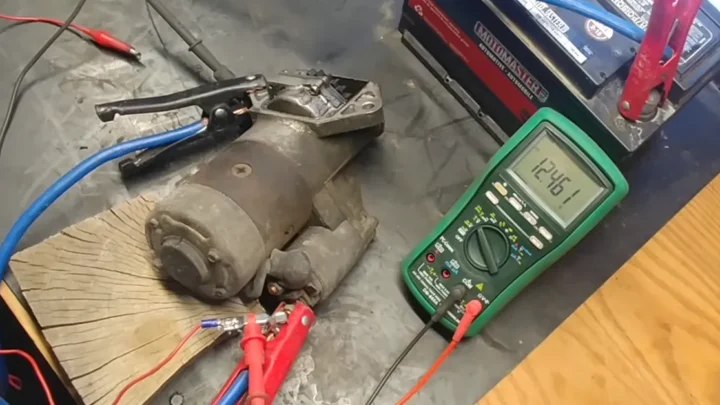
This is also why weight can't tell you if a battery is good or bad. For that, you need voltage. A quick read with a multimeter, or even a no-multimeter check, tells you the state of charge that the scale never will.
If your battery keeps going flat, the cause is usually a parasitic drain or a failing alternator, not anything to do with its weight.
Mistakes People Make When Judging Battery Weight
The biggest slip-up is confusing shipping weight with actual battery weight. Online listings often include the packaging and the acid separately. The number on the box may not match what ends up in your engine bay.
Another common error is assuming all car batteries weigh the same. As we've seen, a Group 51R and a Group 49 can differ by 30 pounds. Buy by group size, not by a rough average you saw somewhere.
People also forget to account for a core charge. That's a refundable deposit you pay until you return the old battery. It has nothing to do with weight, but it surprises plenty of shoppers at the register.
Lifting, Carrying, and Shipping a Car Battery Safely
A car battery is dense, awkward, and full of acid. Treat it with respect. Aggregate user reports show back strain is the most common injury from a DIY swap.
Follow these basics to stay safe:
- Lift with your legs, not your back. Keep the battery close to your body.
- Use a carry strap if the battery has terminal posts for one. It saves your grip and your knuckles.
- Keep it upright. Tilting a flooded battery can leak sulfuric acid.
- Wear gloves and eye protection. Acid and lead residue are no joke.
For shipping, wet lead-acid batteries fall under DOT and IATA hazardous-material rules. Lithium batteries have their own transport restrictions. If you're mailing one, use a proper carrier that handles these classifications.
And when the old one is done, take it to a recycler. The U.S. Environmental Protection Agency notes that lead-acid batteries are among the most recycled products in the country.
Why Battery Weight Matters for Fit, CCA, and Performance
Weight is a decent proxy for how much battery you're getting. More lead usually means more plates, higher CCA, and stronger starting power. That's why a heftier battery often cranks better in the cold.

Similar Posts