How to Jump Start a Car by Yourself: Step-by-Step

You turn the key, hear a click or nothing at all, and realize you're stuck. Learning how to jump start a car by yourself is the fastest way out of that moment, especially when there's no second driver around to help. The good news is that a modern portable jump starter lets one person do the whole job safely.
The bad news is that a few wrong moves can spark, damage your electronics, or worse.
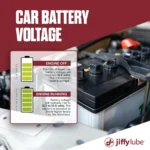
Most healthy car batteries rest at around 12.6 volts, and a flat one often drops below 12.0 volts. That single number decides a lot of what happens next. As of 2026, lithium jump packs have made solo starts genuinely simple, but only if you connect them in the right order.
Here's how to do it without hurting yourself or your car.
Quick Answer
To jump start a car by yourself, use a portable lithium jump starter. Turn off the ignition and all lights first. Clamp the red lead to the battery's positive terminal.
Clamp the black lead to bare engine metal, not the negative post. Switch on the pack, wait a moment, then start the engine.
Why Getting This Right Matters More Than You'd Think
A car battery isn't just a power source. It's a sealed box of sulphuric acid that vents small amounts of hydrogen gas. Hydrogen is flammable.
A careless spark right at the battery is how people end up with burns or a cracked case spraying acid.
That's the real reason this topic sits in safety-critical territory. Do it right and you're back on the road in five minutes. Do it wrong and you can fry your car's computer, blow fuses, or injure yourself.
There's also a money angle. Reversing the clamps for even a second can send current the wrong way and damage sensitive electronics. Replacing a control module costs far more than a call-out fee.
So slow down and get the sequence right the first time.
Is It Actually the Battery? Signs Before You Grab the Cables
A jump start only helps if the battery is the problem. If something else failed, jumping won't fix it and might waste your time. Here's how to read the symptoms before you connect anything.
- Slow, groaning crank: classic weak battery. A jump usually works.
- Rapid clicking, no crank: low battery or a poor connection. Often jumpable.
- Dashboard lights dim or dead: very flat battery. Worth a jump.
- Everything lights up but nothing turns over: could be the starter, not the battery.
- Engine cranks fine but won't fire: that's fuel or ignition, not a jump job.
If your dash shows life but the engine won't turn over, you may be looking at a case where the battery shows 12 volts but won't crank. That points to a connection or starter issue rather than a truly dead cell.
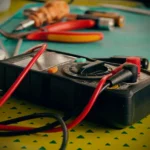
Cold weather muddies the picture too. A battery that's fine in summer can struggle at freezing temperatures, since cold mornings drain it faster and cut cranking power. If you own a multimeter, a quick check tells you a lot.
A resting reading around 12.4 volts means it's slightly low, while anything sitting near 12.0 volts is effectively flat.
What You Need on Hand: Portable Jump Starter vs Jumper Cables
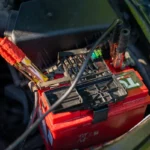
For a solo start, a portable jump starter wins almost every time. It carries its own power, so you don't need a second car or a kind stranger. Jumper cables still work, but they need a donor vehicle, which defeats the point when you're alone.
Here's how the two options stack up.
| Factor | Portable Jump Starter | Jumper Cables |
|---|---|---|
| Second car needed | No | Yes |
| Works solo | Yes | No |
| Typical output | 600 to 2000+ peak amps | Depends on donor car |
| Extra uses | USB charging, LED light | None |
| Best for | Being stranded alone | Two-car situations |
A few specs matter when you pick a pack:
- Peak amps: most cars start fine with 600 to 1000 peak amps. Larger diesels want more.
- Reverse-polarity protection: this stops a wrong connection from doing damage. Get it.
- Cable gauge: thicker copper cables (lower AWG number) carry current better.
Keep the pack charged and stored in the car. A dead jump starter is useless in an emergency, so top it up every few months.
Check the Battery First: When You Should NOT Jump Start
Look at the battery before you touch it. Some conditions make jumping dangerous, and you need to spot them first.
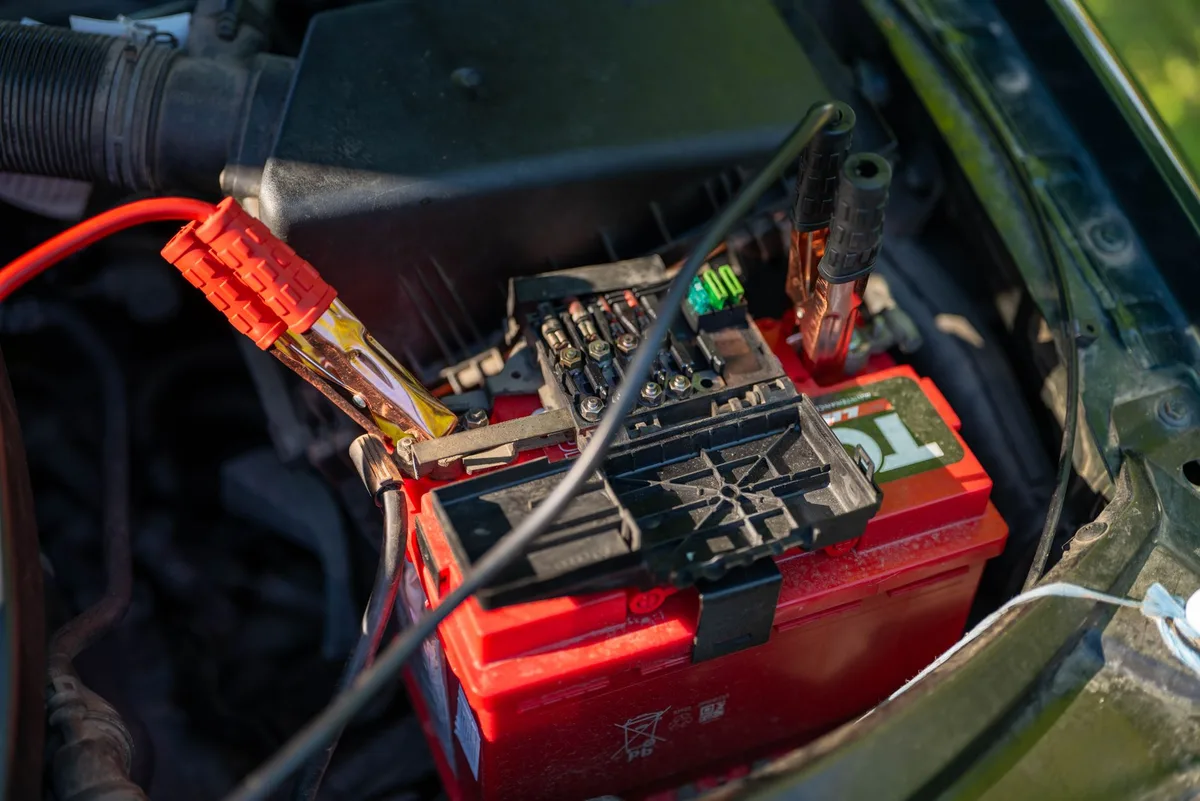
Do not attempt a jump start if you see any of these:
- A bulging or swollen case: a sign of internal failure or overcharging.
- Cracks or leaking fluid: that's acid. Don't risk it.
- A frozen battery: in hard frost, the electrolyte can freeze. Jumping it can cause a rupture.
- Heavy corrosion on the terminals: clean it off first, or the connection won't carry current.
- A strong rotten-egg smell: that's sulphur gas from an overheated or failing cell.
Battery-handling guidance from OSHA stresses eye protection and good ventilation around lead-acid cells for exactly these reasons. If the battery looks damaged, stop. Call for help or replace it instead of forcing a jump.
If the case looks fine but the car still won't start, the battery itself may simply be worn out. Batteries that keep going flat often fail a load test, and knowing what voltage counts as truly dead helps you decide between a jump and a replacement.
How to Jump Start a Car by Yourself With a Portable Jump Pack
Here's the core process. Follow the order exactly. The sequence isn't fussy for no reason, it keeps sparks away from the battery.
Step-by-Step Connection Order
- Park safely and switch off. Engage the handbrake. Put an automatic in Park or a manual in neutral. Turn off the ignition, lights, radio, and climate control.
- Get the jump pack ready. Check it's charged. Keep it powered off while you connect the clamps.
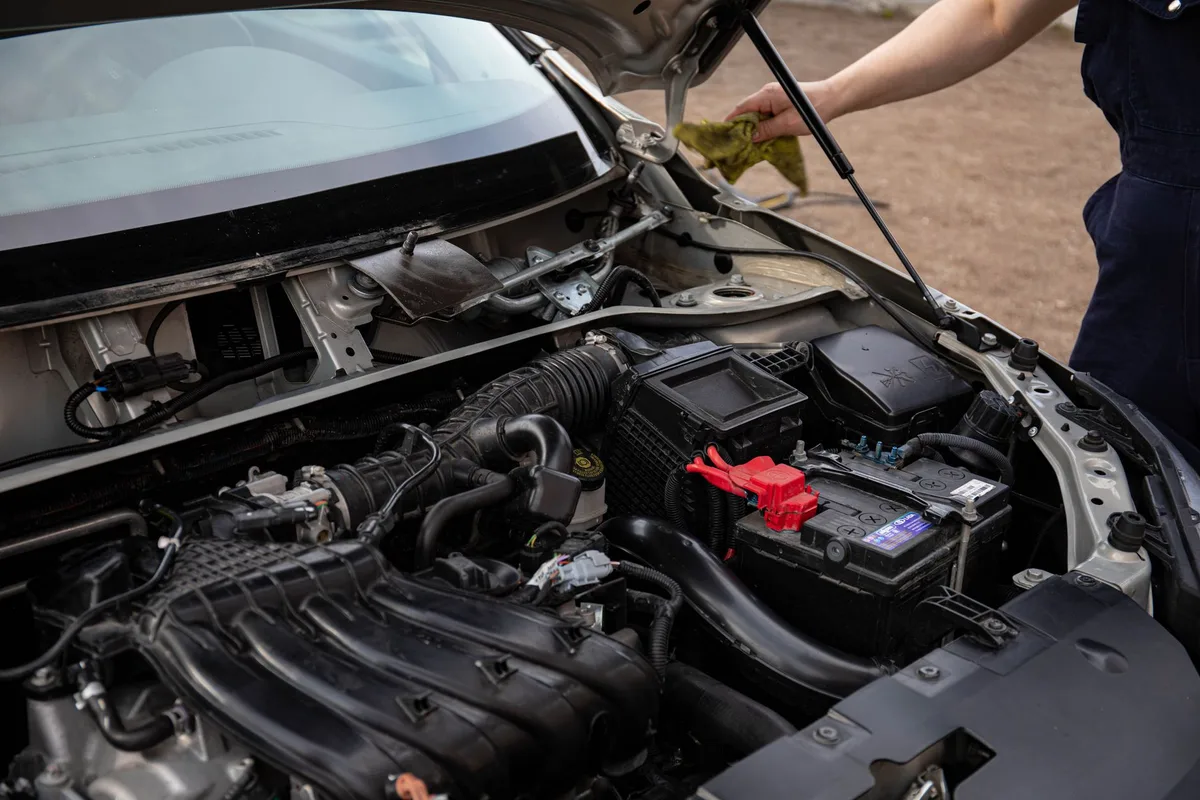
- Connect the red (positive) clamp to the positive terminal on the dead battery. It's marked with a plus sign, often under a red cover.
- Connect the black (negative) clamp to a bare, unpainted metal part of the engine block or chassis. A clean bolt head works well.
- Switch on the jump pack. Wait 30 seconds to a minute.
- Start the engine. Crank in short bursts of a few seconds. If it doesn't fire after three tries, stop and reassess.
- Remove the clamps in reverse order. Black off the ground first, then red off the positive.
Which Terminal to Connect First (and the Ground Point Rule)
Positive first, always. You connect the red clamp to the positive terminal before you touch the ground point. This limits the chance of a live short while you work.
The ground point matters just as much. That final black clamp goes on bare engine metal, not the battery's negative post. The last connection can spark, and you want that spark well away from the hydrogen venting off the battery.
Never lean over the battery as you make that final connection. Keep your face back. This one habit prevents the worst injuries.
How to Jump Start Using Another Car (If One's Available)
Sometimes a helper does pull up beside you. If you've got a second car and a set of jumper cables, the method changes slightly but the safety logic stays the same. Park the cars close but not touching.
Switch both off.
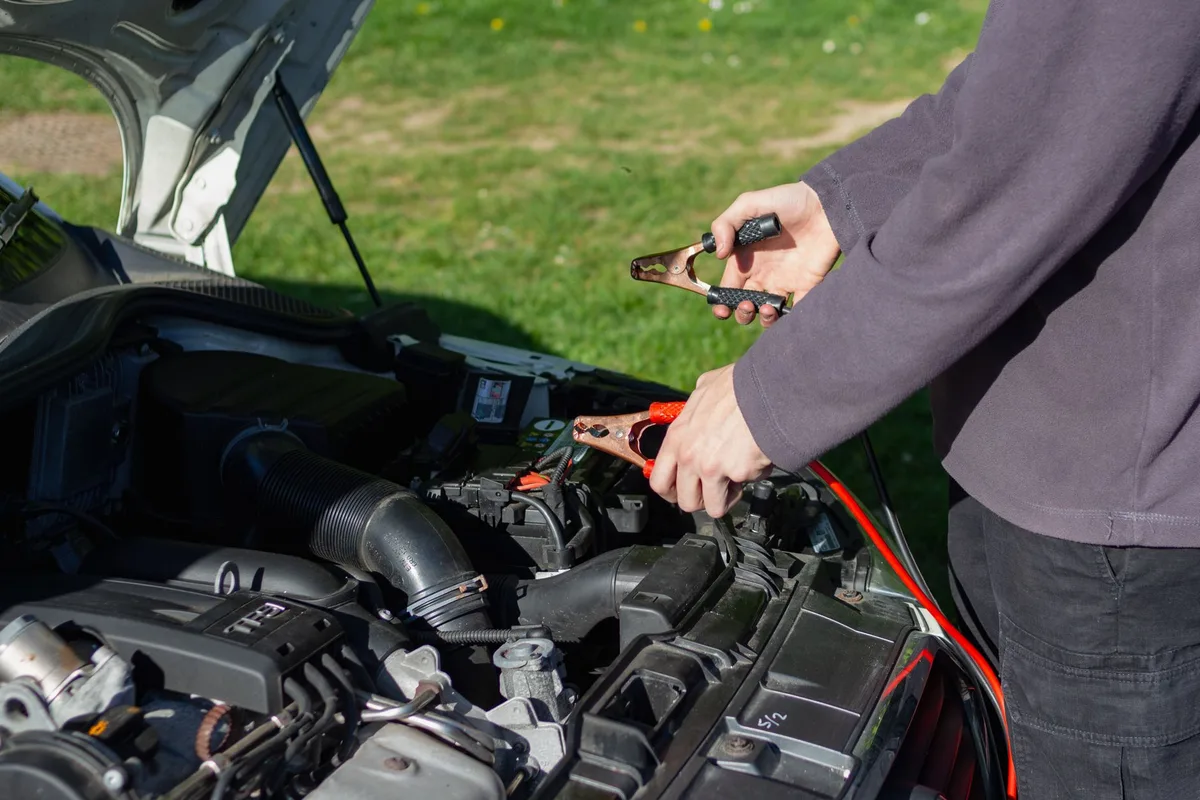
Connect the cables in this exact order:
- Red clamp to the positive terminal of the dead battery.
- Red clamp at the other end to the positive terminal of the good battery.
- Black clamp to the negative terminal of the good battery.
- Last black clamp to bare metal on the dead car's engine, away from its battery.
Start the working car and let it idle for a couple of minutes. Then try the dead car. Once it fires, remove the clamps in reverse order and keep the revived engine running.
The one rule people break: putting that last black clamp on the dead battery's negative post. Don't. Ground it to metal instead, for the same spark reason we covered earlier.
Bump Starting a Manual Car When You Have No Jump Pack
Bump starting works only on a manual transmission, and only if the battery has a little life left. It uses the car's motion to spin the engine instead of the starter motor. Automatics can't do this, so don't try.
Here's the process on a slight downhill or with a couple of people pushing:
- Turn the ignition to on.
- Press the clutch and shift into second gear.
- Get the car rolling to around 5 to 10 mph.
- Quickly release the clutch. The engine should catch.
- Press the clutch back in and keep the revs up.
It's a last resort, not a first choice. If the battery is stone dead, bump starting usually won't work, because the ignition system still needs some power. A jump pack is safer and more reliable.
Mistakes That Fry Your Electronics or Start a Fire
Most jump-start damage comes from a handful of avoidable errors. Aggregate repair-shop feedback points to the same culprits again and again.
- Reversing polarity: red on negative, black on positive. This can blow fuses and kill the ECU in seconds.
- Grounding on the battery post: invites a spark right where hydrogen collects.
- Leaving loads on: headlights or the AC draw current and can spike voltage during connection.
- Cranking too long: more than a few seconds at a time overheats the starter.
- Jumping a damaged battery: a cracked or frozen case can rupture.
One more quiet mistake: driving off immediately and switching everything on. Let the alternator recover first. Piling on electrical load right after a jump can stall a weak system.
The Car Still Won't Start: Battery, Alternator, or Starter?
If the engine won't fire after a proper jump, the battery probably isn't the whole story. Work through the possibilities in order.
- Engine cranks slowly, then dies again: the alternator may not be charging.
- Single loud click, no crank: likely the starter solenoid.
- Rapid clicking: still not enough current, so a very weak or failing battery.
- Dash lights but total silence: check ground straps and the starter.
An alternator that isn't charging will let the car run for a few minutes, then quit as the battery drains. To confirm, check voltage with the engine running, since normal charging output sits higher than a resting battery. If you're unsure which part failed, a simple test helps you tell the battery from the alternator.
A battery that dies over and over even after jumping often has a deeper issue. That could be a parasitic drain or an aging cell, and tracking down why it keeps going flat saves you repeating this next week.
Safety Rules Around Hydrogen Gas, Acid, and Sparks
Treat every lead-acid battery as a small hazard, because it is one. These habits keep a routine jump start from turning into an injury.
- Wear eye protection. Acid and sparks both threaten your eyes.
- Take off rings and watches. Metal jewellery can short across terminals and heat up fast.
- No flames or smoking anywhere near the battery.
- Keep your face back during the final ground connection.
- Work in the open when you can, so hydrogen disperses.
If you get battery acid on skin, rinse with plenty of water. A leaking or bulging battery isn't worth saving, so replace it. The few seconds these steps cost are nothing next to a burn or a damaged eye.
After the Jump: Drive Time, Recharging, and Preventing a Repeat
Once the engine's running, don't shut it off right away. The battery is nearly empty, and the alternator needs time to refill it. Drive for at least 20 to 30 minutes, ideally at highway speed.
Short trips won't cut it. A five-minute crawl to the shops can leave the battery just as flat tomorrow. If you can't drive far, let the engine idle for a good while instead.
To stop a repeat, hunt down the cause:
- Left a light on? Simple to avoid next time.
- Battery over three to five years old? It's near the end of its life.
- Draining while parked? You may have a parasitic drain from a stuck relay or accessory.
A healthy resting battery should settle back near 12.6 volts after a good drive. If it keeps sagging low, a bench test at a parts store tells you whether it holds a charge. Chronic overnight drain often traces back to a small current leak while parked that's higher than it should be.
Portable Jump Starter Specs and Costs Worth Knowing
A jump pack is cheap insurance for anyone who drives alone. Prices vary by output and build quality, and matching the spec to your engine matters more than chasing the biggest number.
| Pack Type | Typical Peak Amps | Best For |
|---|---|---|
| Compact lithium | 600 to 1000 | Small petrol cars |
| Mid-range lithium | 1000 to 2000 | SUVs, larger petrol |
| Heavy-duty | 2000+ | Diesels, big engines |
What to prioritize when choosing:
- Reverse-polarity protection: non-negotiable for solo use.
- Enough peak amps for your engine size, with a little headroom.
- A charge indicator so you know it's ready.
- A built-in light and USB output for real roadside value.
Charge a lithium pack every three to six months even if unused. They self-discharge slowly, and a flat jump starter helps no one.
When to Stop and Call for Help Instead
Some situations aren't worth forcing. If any of these apply, put the cables down and call roadside assistance or a mechanic.
- The battery is cracked, swollen, frozen, or leaking.
- The car cranks strongly but still won't start, pointing to fuel or ignition.
- You smell fuel or see smoke.
- The engine dies within minutes every time, hinting at a failed alternator.
- You're on a busy roadside with no safe space to work.
There's no shame in calling for backup. A jump start is a quick fix, not a repair. If the underlying fault is electrical, forcing it can cost you more than the tow.
Frequently Asked Questions
Can you jump start a car by yourself without another car?
Yes. A portable lithium jump starter carries its own power, so you don't need a donor vehicle or a second person. Connect the red clamp to the positive terminal, the black clamp to bare engine metal, then switch the pack on and start the car.
How long should you run the engine after a jump start?
Run it for at least 20 to 30 minutes, preferably at highway speed. The alternator needs that time to recharge a nearly empty battery. Short trips leave too little charge, so the car may not start again the next morning.
Which terminal do you connect first when jump starting?
Connect the positive (red) terminal first, then the ground. Attach red to the dead battery's positive post, then clamp black to bare metal away from the battery. This order keeps any spark clear of the hydrogen gas venting near the battery.
Is it safe to jump start an AGM or start-stop battery?
Usually yes, but check your owner's manual first. Many start-stop cars use AGM or EFB batteries with a designated jump point under the hood, not the battery itself. Follow the manufacturer's marked terminals to avoid damaging sensitive electronics.
Why won't my car start even after a jump?
If a proper jump does nothing, the fault likely isn't the battery. A single click suggests a starter problem. Quick dying after starting points to the alternator.
A strong crank with no fire means fuel or ignition.
Your Safe Solo Jump-Start Checklist
Keep this quick run-through in mind and a solo jump start stays simple and safe.
- Switch off the ignition, lights, and accessories.
- Inspect the battery for cracks, swelling, or ice.
- Red clamp to positive, black clamp to bare engine metal.
- Keep your face back on the final connection.
- Start the car, then remove clamps in reverse order.
- Drive 20 to 30 minutes to recharge.
- Recharge your jump pack when you get home.
Get the sequence right, respect the battery, and one person with a good jump pack can handle a dead battery in minutes. When the signs point to something deeper, trust them and get the car properly checked.
Similar Posts