Do Jump Starters Go Bad? Signs & Lifespan Explained
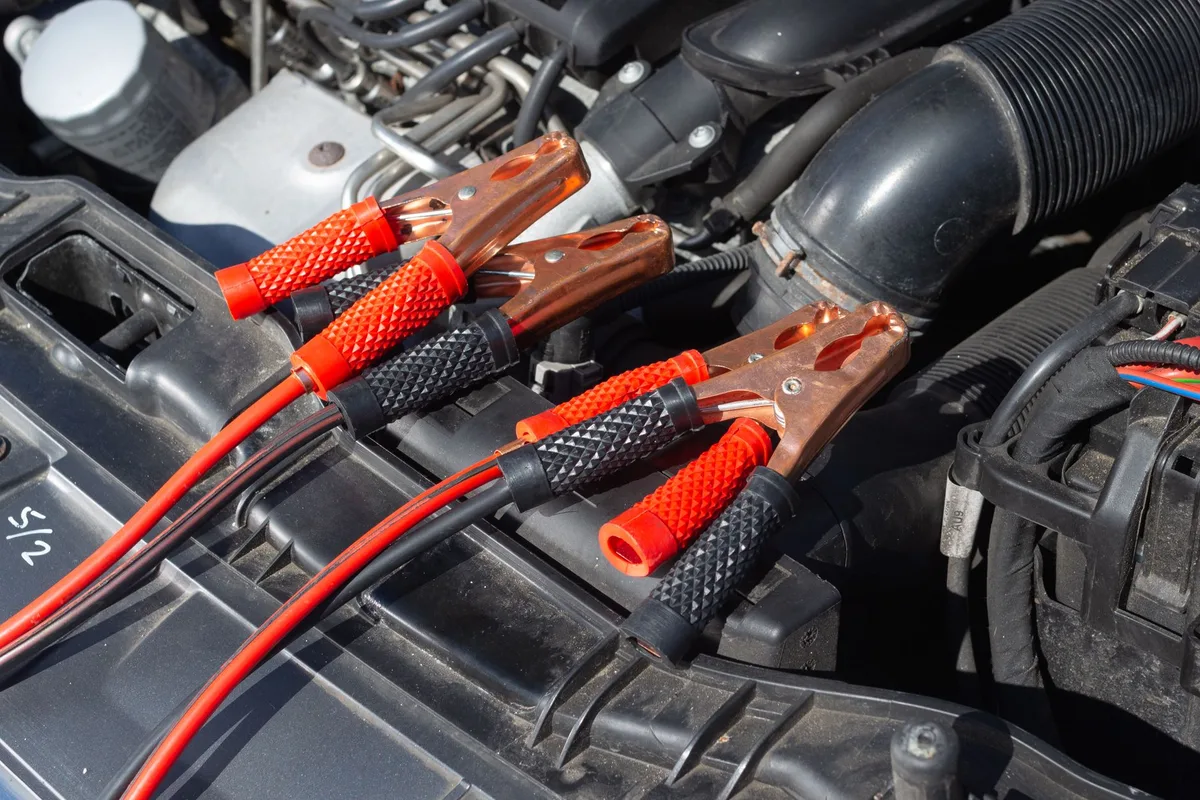
Here's the honest truth: jump starters go bad, just like any battery does. So if you've ever asked yourself, "do jump starters go bad," the answer is yes, and often faster than folks expect. That expensive little box in your trunk is really just a battery with clamps.
And a neglected battery can be stone dead the exact moment you're stranded in a parking lot.
The good news? Most of that aging is preventable. A quality lithium jump starter loses roughly 2% to 5% of its charge every month while it sits, per typical manufacturer specifications.
Left long enough, that slow drain kills the pack. As of 2026, well maintained units still last around 3 to 5 years, so let's break down what decides whether yours makes it that long.
Do Jump Starters Go Bad? The Short Answer
Yes, jump starters go bad over time. The internal battery slowly loses capacity with age and use. Heat, deep discharge, and long storage speed up the damage.
Most lithium units last 3 to 5 years when charged regularly. Skip charging for a year, and yours may fail when you need it.
What "Going Bad" Actually Means for a Jump Starter
A jump starter doesn't usually die in one dramatic moment. It fades. "Going bad" means the internal battery can no longer hold enough charge or push enough current to crank an engine.
Two separate things happen inside the box. One is capacity loss, which is how much energy the pack can store. The other is a drop in peak amps, which is the burst of current that turns your starter motor.
You can have plenty of stored charge and still fail to start a car if the peak amps have faded. That's why a unit can read "full" and still leave you stuck. If you've seen a car read 12 volts but refuse to crank, the same logic applies here.
Voltage looks fine, but the punch is gone.
Here's the simple version of what fails:
- The lithium or lead-acid cells degrade and hold less energy.
- Internal resistance climbs, so less current reaches the clamps.
- The Battery Management System (BMS) may lock a deeply drained pack.
- Clamps and cables corrode, adding resistance at the worst spot.
The 5 Things That Decide How Long Yours Lasts
Whether your jump starter lasts two years or six comes down to five factors. Get these right, and you'll dodge most early failures.
Battery Chemistry
Chemistry sets the baseline. Not all jump starters age the same way.
| Type | Typical Cycle Life | Heat Tolerance | Shelf Behavior |
|---|---|---|---|
| Lithium-ion (Li-ion) | 300 to 500 cycles | Moderate | Slow self-discharge |
| Lithium iron phosphate (LiFePO4) | 1,000 to 2,000+ cycles | High | Very stable |
| Lead-acid (older jump boxes) | 200 to 300 cycles | Low | Drains fast |
| Ultracapacitor | 100,000+ cycles | Very high | Holds almost no charge alone |
For the longest lifespan, LiFePO4 is the sweet spot. Ultracapacitor units barely degrade at all, but they need a working car battery to charge from, so they're a different tool.
Storage Temperature
Heat is the silent killer. According to research from the U.S. Department of Energy on lithium battery aging, high temperatures speed up chemical breakdown inside the cells.
A jump starter baking in a summer trunk ages far faster than one kept indoors. The sweet spot for storage sits around 50°F to 77°F (10°C to 25°C). Freezing cold won't permanently ruin a lithium pack, but it does slash cranking power right when winter demands the most.
State of Charge During Storage
How full the pack sits while stored matters more than almost anything. Store a lithium unit near empty, and it can slip into a deep discharge the BMS refuses to recover from.
- Store lithium units around 50% to 80% charge if idle for months.
- Never leave one fully drained "to deal with later."
- Top it off before long stretches of no use.
Age and Charge Cycles
Every full charge and drain is one cycle, and cycles are finite. A standard Li-ion pack rated for 400 cycles has a real ceiling. Most drivers never hit that from jump starts alone.
Calendar age usually gets there first, which is why the 3 to 5 year window holds for typical use.
How Often You Actually Use It
A jump starter that's used and recharged now and then often outlives one that's ignored. Regular use keeps you honest about recharging. A unit shoved in the glovebox and forgotten for 18 months is the classic dead-on-arrival story.
If your car keeps needing jumps, it's worth running a multimeter draw test to find the real problem.
Warning Signs Your Jump Starter Is on Its Way Out
A failing jump starter usually warns you first. You just have to know the signals. Catch them early, and you can retire the unit before it strands you.
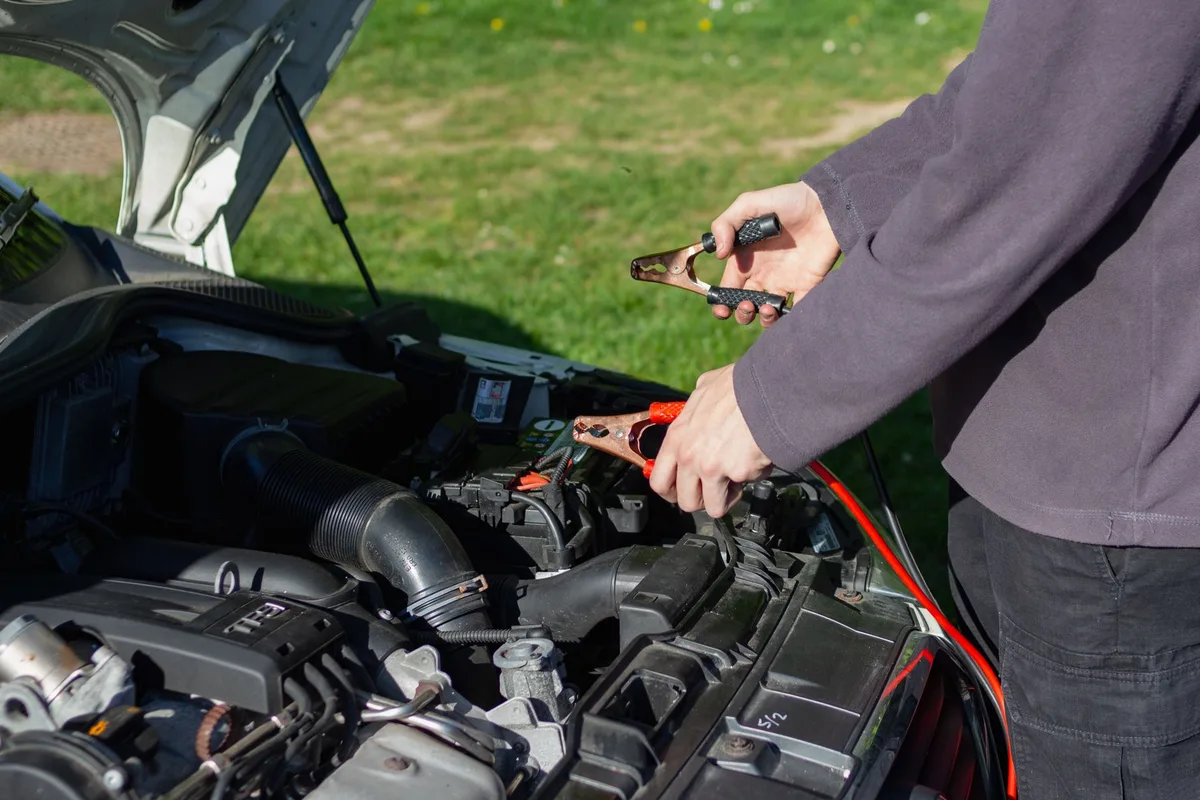
Watch for these red flags:
- It won't reach a full charge, or the indicator stalls short.
- The charge drains within days of unplugging it.
- Cranking power feels weak, or it clicks without turning the engine.
- The case feels warm, swollen, or puffy (stop using it immediately).
- Recharge times get much longer than they used to.
- Clamps look corroded, or the cables feel stiff and cracked.
One or two weak jumps can just mean a drained pack. A pattern of these signs means the cells are genuinely worn. A puffy case is the exception.
That's a safety issue, not a maintenance one, and we'll cover it below.
Is It Dead or Just Drained? A Quick Decision Path
Before you toss a jump starter, figure out if it's truly dead or simply flat. A drained unit is fixable. A dead one isn't.
Follow this simple if/then path.
- Plug it in and charge fully. If the indicator climbs to full and holds overnight, it was just drained. You're fine.
- If it won't charge at all, try a different cable and outlet first. Then check for a hidden reset or "boost" button that wakes a sleeping BMS.
- If it charges but drains within a day or two, the cells are worn. Replace the unit.
- If it charges full but can't crank the engine, the peak amps have faded. Time for a new one.
- If the case is swollen or hot, stop. Don't charge it. Recycle it safely.
Think of it like reading a suspicious low battery voltage on your car. The number tells you whether you're facing a quick fix or a real replacement. If your jump starter passes the charge-and-hold test, keep it.
If it fails twice, trust the pattern and move on.
How Long Different Jump Starters Really Last
Lifespan swings a lot by type. The chemistry inside sets the ceiling, and how you treat it decides where you land. Here's what to expect from each.
Lithium-Ion and LiFePO4 Units
Standard Li-ion jump starters last about 3 to 5 years with regular charging. They're light, compact, and hold their charge well between uses. Heat is their weak point, so a hot trunk shortens that window.
LiFePO4 units go further. Their cycle life runs 1,000 to 2,000 or more, and they shrug off heat far better. If you want a pack that stays reliable past the five-year mark, this chemistry is the safer bet.
Older Lead-Acid Boxes
Lead-acid jump boxes are the short-timers. Most last 2 to 3 years, and they self-discharge fast. Leave one for a couple months without charging, and the plates can sulfate.
They're heavy and fading from the market, but plenty are still in garages. If yours is a lead-acid model, it needs charging more often than any lithium unit. Treat neglect as a death sentence for these.
Ultracapacitor Models
Ultracapacitor units barely age at all. They're rated for 100,000-plus cycles and handle extreme cold and heat with ease. The catch is they store almost no energy on their own.
They pull a small charge from your existing car battery to build the crank. So if your battery is completely flat, an ultracapacitor unit may not work. They suit drivers who want a near-permanent tool and usually have some battery voltage left.
Mistakes That Kill Jump Starters Early
Most dead jump starters weren't defective. They were neglected. These are the errors that wreck units well before their time.
- Never recharging it. The number-one killer. A lithium pack left flat for months can drop into unrecoverable deep discharge.
- Storing it in a hot car. Summer trunk heat cooks the cells and speeds capacity loss.
- Storing it fully drained. Always park it at 50% to 80% charge for long idle stretches.
- Using the wrong charger. Off-brand or mismatched chargers can overheat the pack.
- Ignoring the clamps. Corroded or loose clamps add resistance and mimic a "dead" unit.
- Jumping the wrong vehicle size. Cranking a big diesel with an undersized unit strains it. If you're unsure how much cranking current you need, check your engine size first.
Fix these habits and you've solved most premature failures.
How to Keep Yours Alive for Years
Keeping a jump starter healthy takes almost no effort. It just takes consistency. Two things matter most: a charge schedule and smart storage.
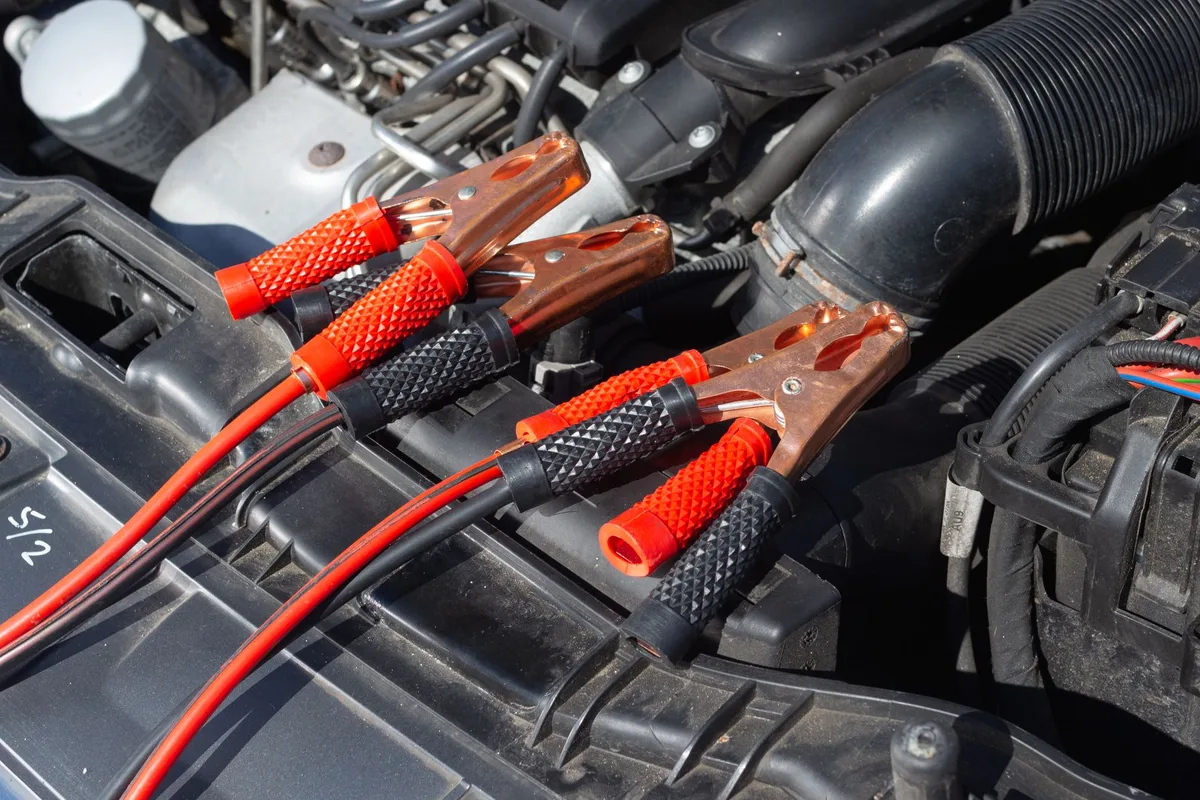
The Recharge Schedule That Matters Most
Recharge your jump starter every 3 to 6 months, even if you never use it. This single habit prevents most deep-discharge deaths. Set a phone reminder for the first of a season so you don't forget.
Recharge it right away after every jump too. A pack left drained after a rescue is the one that fails next time. And check the charge level before any long road trip.
- Every 3 to 6 months: top off to full.
- Immediately after each use: recharge.
- Before a big trip or cold snap: verify the charge.
Where and How to Store It
Store your jump starter somewhere cool, dry, and stable. A closet or indoor shelf beats a car trunk every time. The target range sits around 50°F to 77°F.
Keep it away from moisture, which corrodes clamps and terminals. Coil the cables loosely so they don't crack. If you must keep one in the vehicle, bring it inside during heat waves and hard freezes.
When to Repair, Replace, or Recycle
Most jump starters aren't worth repairing. The battery is the part that fails, and it's usually sealed inside. Here's how to decide your next move.
- Repair only if the fault is external: a loose clamp, a frayed cable, or a bad charging cord. These are cheap fixes.
- Replace when the internal cells are worn. If it won't hold a charge or can't crank despite reading full, it's done.
- Recycle any swollen, damaged, or truly dead lithium unit. Never bin it with household trash.
Some higher-end units offer replaceable battery packs, but they're rare. For most drivers, a jump starter that fails the charge-and-hold test is a replacement, not a project. Lithium batteries need proper disposal, and the [U.S.
Environmental Protection Agency](https://www.epa.gov/) lists battery recycling as the correct route. Many auto parts stores take them free.
If your car keeps needing rescues, the jump starter may not be the real issue. A constant drain on the battery can leave you reaching for that pack far too often.
Lithium Safety: Swelling, Heat, and Fire Risks
Lithium jump starters are safe in normal use, but a damaged pack is a genuine hazard. When lithium cells fail, they can swell, overheat, or in rare cases catch fire. Knowing the danger signs keeps you out of trouble.
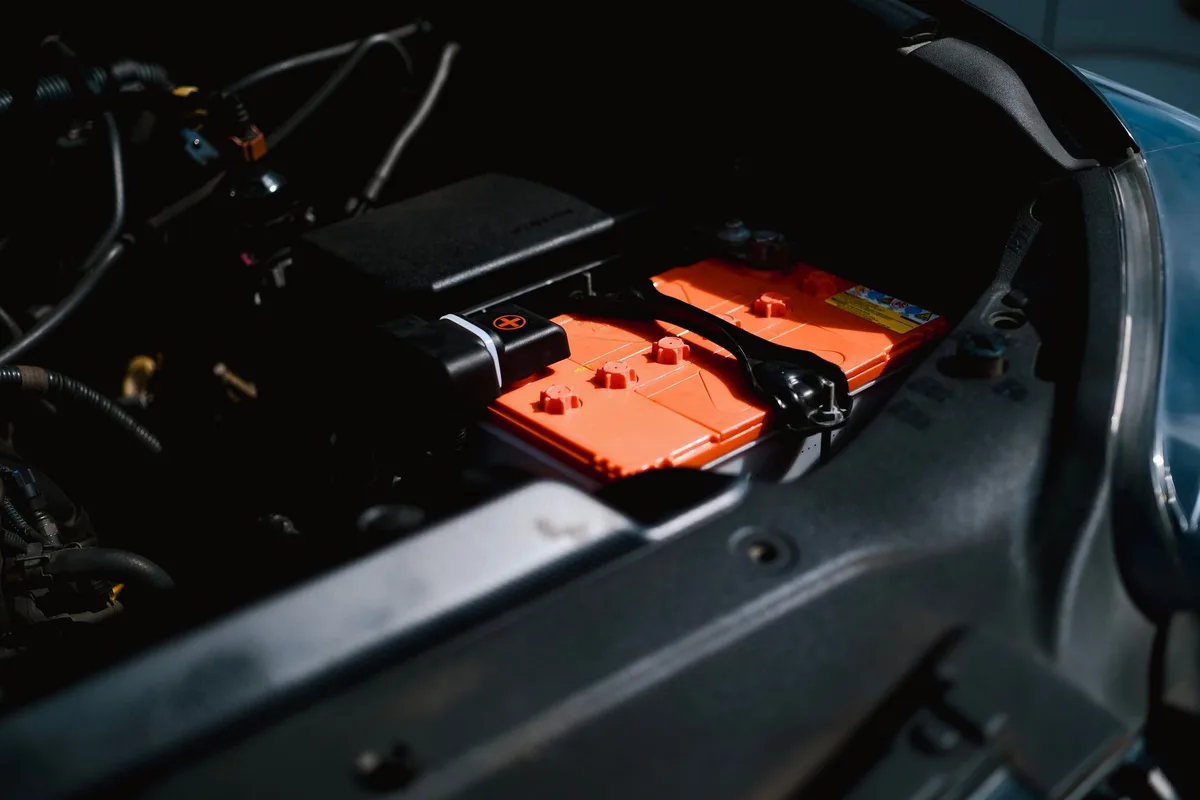
A swollen or puffy case is your loudest warning. It means gas is building inside the cells. Stop using the unit right away, and do not charge it.
Watch for these hazards:
- A case that feels warm, tight, or bloated.
- A hissing sound, odd chemical smell, or leaking fluid.
- Heat during charging that seems excessive.
- Physical damage from a drop or crush.
If you spot any of these, move the unit somewhere non-flammable and let it cool. Keep it away from heat sources and direct sun, which can trigger thermal runaway. Then recycle it through a proper battery drop-off, never the household trash.
When in doubt, treat a suspect lithium pack as fragile and get it out of your living space.
Cold Weather, Hot Garages, and Seasonal Storage
Temperature swings are hard on jump starters, and both extremes cause trouble. Cold saps the output you can pull right now. Heat causes the slow, permanent damage that shortens lifespan.
In winter, a lithium pack can deliver noticeably fewer peak amps below freezing. It usually bounces back once warmed. That's the same reason batteries struggle in the cold, so keep the unit indoors and only carry it out when you need it.
Hot garages and summer trunks are worse over time. Sustained heat above 100°F speeds up cell breakdown, and that damage doesn't reverse. For seasonal vehicles like boats or classic cars, store the jump starter inside at 50% to 80% charge, not in the vehicle.
- Winter: keep it warm indoors, expect weaker cranking in the cold.
- Summer: never leave it baking in a parked car.
- Off-season: store at partial charge, cool and dry, and recharge every few months.
Frequently Asked Questions
How long do jump starters last?
Most lithium jump starters last 3 to 5 years with regular charging. LiFePO4 models can push past that thanks to higher cycle life. Older lead-acid units fade in 2 to 3 years.
Neglect shortens every type, so consistent recharging is what keeps yours alive longest.
Why won't my jump starter hold a charge?
A jump starter that won't hold a charge usually has worn or deeply drained cells. Months of storage without recharging can push a lithium pack into a state the BMS won't recover. Try a full charge first.
If it drains within a day or two, the battery is done.
How often should I charge a jump starter I never use?
Recharge an idle jump starter every 3 to 6 months. Lithium packs self-discharge about 2% to 5% each month, so they slowly go flat on the shelf. A quick top-off a few times a year prevents deep discharge and keeps it ready when you finally need it.
Do lithium jump starters expire?
Lithium jump starters don't have a hard expiration date, but they do age. Capacity and peak amps drop with time, cycles, and heat exposure. Most stay reliable for 3 to 5 years.
After that, expect weaker cranking even if the display still shows a full charge.
Can a jump starter still be bad if it shows full charge?
Yes. A jump starter can read full yet fail to crank an engine. Stored charge and peak amps are two different things.
Aged cells lose their current burst while still showing voltage. If it charges full but clicks without starting the car, the pack is worn out.
Is it safe to use a swollen jump starter?
No. A swollen or puffy jump starter is a safety hazard and should never be used or charged. The swelling means gas is building inside the lithium cells.
Move it somewhere non-flammable, let it cool, and recycle it at a proper battery drop-off point.
Your Quick Decision Guide: Keep It or Toss It
Here's the whole thing boiled down to a fast gut check. Run through it before you trust your jump starter or replace it.
- Keep it if it charges to full, holds overnight, and cranks strong. Just recharge every 3 to 6 months.
- Watch it if cranking feels weak or recharge times creep up. Test it before any trip.
- Replace it if it won't hold a charge or can't start the car despite reading full.
- Recycle it now if the case is swollen, hot, or damaged. Don't charge a puffy pack.
The bottom line is simple. Jump starters go bad, but slow, preventable neglect causes most failures, not age alone. Charge it on a schedule, store it cool, and check it before you count on it.
Do that, and yours will be ready the day your car isn't.
Similar Posts