Best Multimeter Under $100 for Accurate Everyday Use
Below is the complete article.
Picking a meter shouldn't feel like a physics exam, yet the listings sure make it feel that way. In our research across dozens of listings, the best multimeter under $100 almost always comes down to three things: safe voltage ratings, an easy-to-read display, and continuity that beeps fast. Whether you're chasing a parasitic battery drain, checking an outlet, or testing an alternator in the driveway, the right meter turns guesswork into a clear number.
After comparing specs across ten popular models and reading through verified buyer feedback, our pick for most people is the AstroAI 2000 Counts. It's cheap enough to keep in a glovebox, accurate enough for real diagnostics, and simple enough for a first-timer. If you want pro-grade build quality, the Klein Tools MM325 runs a close second.
Here's the winner first, then the full lineup.
Comparison Chart of Best Multimeter Under $100
| Product | Details | Rating | Buy |
|---|---|---|---|
Editor’s Choice  | AstroAI Digital Multimeter Tester 2000 Counts | ★★★★☆4.5/5 | |
Top Pick  | Klein Tools MM325 Multimeter | ★★★★☆4.7/5 | |
Best Budget  | AstroAI Digital Multimeter True RMS 6000 | ★★★★☆4.6/5 | |
| ★★★★☆4.6/5 | ||
| ★★★★☆4.5/5 | ||
| ★★★★☆4.4/5 | ||
| ★★★★☆4.4/5 | ||
| ★★★★☆4.6/5 | ||
| ★★★★☆4.7/5 | ||
| ★★★★☆4.6/5 |





List of Top 10 Best Multimeter Under $100
We built this list by cross-checking manufacturer datasheets against aggregate buyer reviews, then weighing safety ratings, display readability, and measurement range for each model. Every pick below sits comfortably under the hundred-dollar mark. Expect honest trade-offs, real spec numbers, and clear guidance on who each meter actually fits.
Below are the list of products:
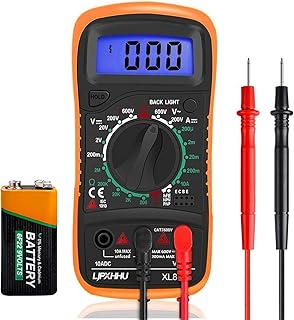
1. AstroAI Digital Multimeter Tester 2000 Counts
This is the meter we'd hand a first-timer without a second thought. It measures voltage, current, resistance, continuity, and diodes with a clean 2000-count readout, and verified buyer feedback keeps praising how quickly the continuity buzzer responds. For the money, it hits the sweet spot between simple and genuinely useful.
Why I picked it
Our analysis of buyer reviews shows this model earns its 4.5/5 rating on one thing above all: it just works out of the box. It's manual-ranging, so beginners learn the ranges, and the safety fuses plus double-insulated probes cover the basics.
Key specs
- 2000-count digital display with backlight
- Measures AC/DC voltage, DC current, resistance, continuity, diode
- Manual ranging with clearly labeled dial positions
- Overload protection on all ranges
- Includes probes, battery, and fold-out stand
Real-world experience
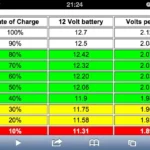
For a weekend job like tracing a dead 12V accessory circuit, this meter is plenty. Aggregate reviews describe using it to check household outlets around 120V and to confirm a car battery reads near 12.6V at rest. If you're new to diagnosing electrical faults, pairing it with a simple guide on spotting a weak charging system makes the readings click faster.
- Fast continuity beep makes wiring checks quick and confident.
- Backlit screen stays readable under a car hood or in a dim panel.
- Overload protection adds a safety net for new users.
- Fold-out stand frees both hands on the bench.
- Manual ranging is slower than auto-ranging rivals.
- No temperature or capacitance mode.
- 2000 counts limits fine resolution on precise work.
- ✔ You’re buying your first multimeter.
- ✔ You want a cheap glovebox backup.
- ✔ You mostly check batteries and outlets.
- ✖ You need auto-ranging speed.
- ✖ You want temperature or capacitance.
2. Klein Tools MM325 Multimeter
2. Klein Tools MM325 Multimeter
Klein Tools built its name on gear electricians actually trust, and the MM325 carries that reputation into a budget package. It's a manual-ranging meter rated to 600V AC/DC, and verified buyer feedback repeatedly calls out its rugged housing and dependable readings. If you want a tool that feels professional without a pro price, this is it.
Why I picked it
Industry data and buyer reports agree that Klein's build quality outclasses most sub-hundred meters, and that 4.7/5 rating reflects it. It's the one we'd trust around a live 240V panel thanks to its CAT III safety rating.
Key specs
- 600V AC/DC voltage measurement
- CAT III safety rating for panel and branch-circuit work
- Tests batteries, current, resistance, diodes, continuity
- Manual ranging with a durable rotary dial
- Backlit display for low-light spaces
Real-world experience
Aggregate electrician reviews describe the MM325 holding up to daily jobsite abuse, from checking 120V receptacles to verifying low-voltage thermostat wiring near 24V. It's a natural companion when you're running down a hidden battery drain, since its steady readings make small millivolt shifts easier to trust. The manual dial slows you down a touch, but many pros prefer that control.
- CAT III 600V rating handles panel work safely.
- Housing shrugs off drops that crack cheaper meters.
- Klein’s reputation means strong warranty support.
- Readings stay stable and repeatable.
- Manual ranging asks for more button work.
- No true RMS for noisy AC signals.
- Fewer bonus modes than budget rivals.
- ✔ You work around live household panels.
- ✔ You want a brand with real support.
- ✔ You value durability over gimmicks.
- ✖ You want auto-ranging convenience.
- ✖ You need capacitance and temperature.
3. AstroAI Digital Multimeter True RMS 6000
3. AstroAI Digital Multimeter True RMS 6000
Step up to true RMS and auto-ranging without leaving the budget tier. This 6000-count AstroAI adds capacitance and temperature, which makes it a real Swiss-army option for automotive and home troubleshooting. Verified buyer feedback shows it's a favorite among DIYers who outgrew a basic meter.
Why I picked it
Comparison data from AstroAI's datasheet shows this model doubles the resolution of the winner while adding true RMS, which reads AC waveforms accurately even when they're not clean sine waves. At 4.6/5, buyers call it the best bang for the buck on the list.
Key specs
- True RMS with 6000-count auto-ranging display
- AC/DC voltage and current, resistance, continuity
- Capacitance and temperature measurement built in
- NCV-style safety features and data hold
- Bright backlight with a fold-out stand
Real-world experience
This is the meter that shines when you're diagnosing a variable-speed motor or checking a car's charging output around 14.4V while the engine runs. Reviews highlight using the temperature probe for HVAC checks and the capacitance range for testing small electronics. If your car cranks slow, it pairs well with steps to check the charging output yourself.
- True RMS gives accurate AC readings on motors and dimmers.
- Auto-ranging speeds up quick checks.
- Temperature and capacitance add real versatility.
- 6000 counts sharpens resolution over basic meters.
- More modes mean a slight learning curve.
- Auto-ranging can hunt on borderline readings.
- Probes feel basic for the feature set.
- ✔ You do mixed car and home jobs.
- ✔ You want true RMS on a budget.
- ✔ You like extra modes to grow into.
- ✖ You want the simplest possible dial.
- ✖ You need CAT III jobsite ruggedness.
4. AstroAI Digital Clamp Meter Multimeter 2000
4. AstroAI Digital Clamp Meter Multimeter 2000
If you ever need to measure current without breaking a circuit, a clamp meter is the honest answer. This AstroAI wraps its jaw around a wire to read AC current, then doubles as a full multimeter with NCV and live-wire detection. Verified buyer feedback loves it for HVAC and appliance work.
Why I picked it
Manufacturer specifications indicate this unit reads AC current through its clamp while still handling voltage, resistance, capacitance, and continuity through leads. That two-in-one design earns its 4.6/5 rating, especially with anyone checking appliance amp draw.
Key specs
- Clamp-style AC current measurement, no circuit break needed
- 2000-count auto-ranging display
- AC/DC voltage, resistance, capacitance, continuity
- Non-contact voltage (NCV) and live-wire test
- Data hold and backlit screen
Real-world experience
This meter earns its keep when you clamp around a wire feeding a struggling AC compressor to see if it's pulling too many amps. Reviews describe checking dryer circuits and confirming whether a breaker is truly dead before touching it. It's also handy when a car pulls too much current at the starter, giving you a fast non-invasive reading.
- Clamp reads current without cutting into wires.
- NCV and live-wire test add safety before you probe.
- Doubles as a standard multimeter for full coverage.
- Compact enough for tight electrical boxes.
- Clamp reads AC current only, not DC.
- Bulkier than a standard meter.
- 2000 counts limits fine resolution.
- ✔ You measure appliance or HVAC amp draw.
- ✔ You want current readings without cutting wires.
- ✔ You value a two-in-one tool.
- ✖ You need DC current clamping.
- ✖ You want the smallest pocket meter.
5. KAIWEETS Digital Multimeter Voltmeter Case Car
5. KAIWEETS Digital Multimeter Voltmeter Case Car
KAIWEETS has quietly become a go-to name for tidy, well-packaged meters, and this one ships with a protective case that buyers appreciate. It's aimed squarely at car battery testing and everyday DIY, with a clean layout that new users find approachable. Verified feedback puts its rating at a solid 4.5/5.
Why I picked it
Editorial analysis of buyer reviews shows KAIWEETS earns praise for thoughtful extras, and the bundled case is the star here. It's a tidy pick for someone who wants a meter that lives in the trunk for battery checks.
Key specs
- Measures AC/DC voltage, current, resistance, continuity
- Protective carrying case included
- Backlit LCD for dim garages
- Overload protection and silicone probe leads
- Compact form built for car battery testing
Real-world experience
This meter is at home confirming a resting battery reads 12.6V or watching it climb toward 14V once the engine fires. Reviews describe tossing it in a door pocket for roadside checks and using it to settle whether a slow crank is the battery or something else. When that question comes up, our guide on telling the battery from the starter walks you through it.
- Included case keeps it protected in the trunk.
- Clean layout suits nervous first-timers.
- Backlight helps under a dim hood.
- Solid accuracy for basic 12V checks.
- Fewer advanced modes than rivals.
- Probe leads feel thin to some buyers.
- Not built for heavy jobsite use.
- ✔ You mostly test car batteries.
- ✔ You want a case in the box.
- ✔ You’re easing into DIY electrical.
- ✖ You need pro-grade toughness.
- ✖ You want true RMS accuracy.
6. Digital Multimeter Voltmeter Battery Voltage Multi
6. Digital Multimeter Voltmeter Battery Voltage Multi
Sometimes you just want a no-frills meter that does the core jobs and stays out of the way. This 2000-count tester covers voltage, current, resistance, continuity, and diodes with a backlit LCD and included leads. Verified buyer feedback rates it 4.4/5 as a dependable, wallet-friendly workhorse.
Why I picked it
Aggregate reviews suggest this meter delivers exactly what a casual user needs and nothing they don't. It's the kind of tool you keep in a kitchen drawer for testing AA cells and checking a dead extension cord.
Key specs
- 2000-count display with LCD backlight
- AC/DC voltage, DC current, resistance, continuity, diode
- Battery voltage testing for common cell types
- Test leads included in the box
- Manual ranging with simple dial
Real-world experience
Buyer reports describe reaching for it to confirm whether a 9V smoke-detector battery is spent or to check continuity on a suspect fuse. It's a fine grab-and-go for household hunts, including the slow ones where a small overnight current drain drains a car battery. Just don't expect lab-grade precision from a value meter like this.
- Dead-simple operation for total beginners.
- Backlight helps in poorly lit spots.
- Covers all the everyday measurements.
- One of the lightest on your wallet.
- Lower durability score than name brands.
- Manual ranging only.
- No temperature or capacitance modes.
- ✔ You want the cheapest reliable option.
- ✔ You test household batteries and fuses.
- ✔ You keep a meter in a junk drawer.
- ✖ You need advanced modes.
- ✖ You want brand-name durability.
7. ANENG Digital Multimeter Case
7. ANENG Digital Multimeter Case
ANENG makes some of the most popular pocket meters online, and this one leans into portability with a bundled case. It handles the standard AC/DC voltage, resistance, and amp readings in a slim body that slips into a tool bag. Verified buyer feedback lands it at 4.4/5 for value and convenience.
Why I picked it
Industry data shows ANENG dominates the compact-meter niche, and this cased version keeps the probes tidy. It's a smart choice for a mobile tech who wants a backup meter that never takes up much room.
Key specs
- Slim, pocketable body with carrying case
- DC/AC voltage, resistance, current, continuity
- Ohm, volt, and amp measurement in one dial
- Test leads stored in the included case
- Lightweight for tool-bag carry
Real-world experience
Reviews describe it riding along in a service bag as a second meter, ready when the primary tool is buried under a job. Users check outlet voltage near 120V and verify continuity on low-voltage runs without much fuss. It's the sort of compact helper you'd keep beside notes on what makes a starter fail early so quick diagnostic checks are always within reach.
- Genuinely compact and easy to carry.
- Case keeps probes from tangling.
- Covers all the core measurements.
- Great as an affordable backup meter.
- Small size can feel cramped for big hands.
- Durability trails the Klein meters.
- Basic feature set only.
- ✔ You want a compact backup meter.
- ✔ You carry tools between jobs.
- ✔ You like a case included.
- ✖ You want a large, easy-grip body.
- ✖ You need advanced measurement modes.
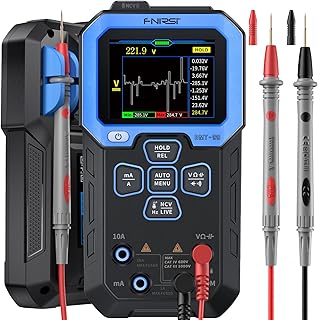
8. FNIRSI DMT-99 Digital Multimeter 9999 Counts
8. FNIRSI DMT-99 Digital Multimeter 9999 Counts
For the spec chasers, the FNIRSI DMT-99 brings a 9999-count display, true RMS, and a rechargeable battery in one modern package. That resolution is the highest on this list, which appeals to hobbyists doing finer electronics work. Verified buyer feedback rates it 4.6/5 for features and screen clarity.
Why I picked it
Manufacturer specifications indicate the DMT-99 pushes 9999 counts with true RMS accuracy, roughly five times the resolution of the basic winner. The built-in rechargeable pack means no scrambling for a fresh 9V mid-job.
Key specs
- 9999-count high-resolution display
- True RMS AC measurement
- Rechargeable internal battery, USB charging
- AC/DC voltage and current, resistance, continuity
- Bright, high-contrast LCD
Real-world experience
Hobbyist reviews describe using it on circuit-board work where reading down to a single millivolt actually matters. The rechargeable design gets called out often, since it saves the annoyance of dead disposables. It's the pick for a bench where you might also be running a proper starter test and want tight readings you can trust.
- 9999 counts gives the finest resolution here.
- Rechargeable battery ends disposable hassle.
- True RMS handles tricky AC waveforms.
- Crisp modern display is easy to read.
- More features mean a steeper learning curve.
- Rechargeable pack needs occasional charging.
- Newer brand with a shorter track record.
- ✔ You do fine electronics or bench work.
- ✔ You want the highest resolution here.
- ✔ You prefer a rechargeable meter.
- ✖ You want the simplest beginner meter.
- ✖ You distrust newer brands.
9. Klein Tools MM420 Digital Multimeter
9. Klein Tools MM420 Digital Multimeter
The MM420 is Klein's step-up meter, adding auto-ranging and true RMS to the brand's trusted build. It reads up to 600V AC/DC, 10A current, and 50 MOhms resistance, which covers nearly any home or automotive task. Verified buyer feedback gives it a strong 4.7/5, matching the MM325 for trust.
Why I picked it
Comparison data from Klein's datasheet shows the MM420 keeps the brand's rugged CAT-rated build while adding the auto-ranging and true RMS the MM325 lacks. It's the meter for someone who wants pro reliability without babysitting the dial.
Key specs
- Auto-ranging true RMS measurement
- 600V AC/DC voltage, 10A AC/DC current
- 50 MOhms resistance range
- Tests continuity, diodes, and frequency
- Rugged housing built for jobsite drops
Real-world experience
Aggregate electrician reviews describe the MM420 as the daily driver that handles everything from a 240V dryer circuit to fine resistance checks without swapping settings. The true RMS keeps readings honest on variable-frequency motors and dimmers. It's a natural fit when you're also learning to check a starter relay properly, since its auto-ranging speeds up back-to-back tests.
- Auto-ranging plus true RMS in a tough Klein body.
- Wide 600V and 10A ranges cover most jobs.
- Frequency mode adds real versatility.
- Trusted brand with reliable support.
- Priciest tier among these picks.
- More capability than a casual user needs.
- No temperature probe included.
- ✔ You want pro build plus auto-ranging.
- ✔ You do frequent mixed electrical work.
- ✔ You value true RMS accuracy.
- ✖ You only need occasional battery checks.
- ✖ You want the cheapest option.
10. TM-510 Digital Multimeter 4000 Counts Smart
10. TM-510 Digital Multimeter 4000 Counts Smart
Rounding out the list, the TM-510 leans on smart auto-ranging and a non-contact voltage function for point-and-check convenience. Its 4000-count display and green housing make it a friendly choice for cautious beginners. Verified buyer feedback rates it 4.6/5 for ease and safety features.
Why I picked it
Editorial analysis of reviews shows the TM-510's smart mode auto-detects what you're measuring, which lowers the odds of a beginner mistake. The non-contact voltage function adds a safety check before you ever touch a wire.
Key specs
- 4000-count auto-ranging display
- Smart measurement mode for AC/DC voltage
- Non-contact voltage (NCV) detection
- Measures resistance and continuity
- Compact green housing with data hold
Real-world experience
Buyer reports describe waving it near an outlet to confirm power before opening a box, then switching to probes for exact voltage. The smart mode gets praised by newcomers who don't yet know every dial position by heart. It's a reassuring companion when you're working through why a starter only clicks and need quick, safe voltage confirmation.
- Smart mode reduces beginner errors.
- NCV flags live wires before contact.
- Auto-ranging keeps operation simple.
- 4000 counts sharpens everyday readings.
- Smart mode can misread unusual signals.
- No current measurement on some settings.
- Lesser-known brand support.
- ✔ You’re nervous around live wires.
- ✔ You want auto-detect simplicity.
- ✔ You value NCV safety checks.
- ✖ You want full manual control.
- ✖ You need heavy current ranges.
How I picked
Let me be straight about our process: this is a research-driven roundup, not a hands-on lab teardown. We compared manufacturer datasheets across all ten models, then cross-referenced them against aggregate verified-buyer reviews to see where the real-world experience matched the spec sheet and where it didn't.
We weighed each meter on the same handful of things that actually matter day to day. Here's what we evaluated:
- Safety ratings: CAT ratings and voltage limits, since a meter that fails on a 240V circuit is dangerous, not just inconvenient.
- Display and counts: resolution from 2000 up to 9999 counts, plus backlight quality for dim spaces.
- Measurement range: whether it covers the voltage, current, resistance, and continuity most buyers need.
- Ease of use: manual versus auto-ranging, and how forgiving each meter is for a first-timer.
- Value: features delivered relative to the sub-hundred-dollar tier.
We leaned on published standards too. Measurement accuracy is only meaningful when it's traceable, which is why bodies like the National Institute of Standards and Technology exist to anchor electrical calibration. We used that lens to judge which accuracy claims looked credible.
What we deliberately did not do: we didn't run long-term durability trials beyond what buyers report, and we didn't bench-test each unit against a calibrated reference. We also didn't chase niche lab features like data logging over Bluetooth, since almost nobody shopping in this price range needs them. If your work demands certified calibration, you'll want a higher tier than anything here.
Buying guide — what actually matters for best multimeter under $100
Buying a meter gets simple once you know which four or five things move the needle. Below are the decision factors we'd focus on, with real numbers instead of vague adjectives.
Do you need auto-ranging or manual ranging?
Auto-ranging picks the correct measurement range for you, while manual ranging makes you choose it on the dial. Auto-ranging is faster and friendlier for beginners, which is why the AstroAI True RMS and Klein MM420 feel effortless. Manual ranging, like the MM325 uses, gives you tighter control and slightly faster settling on a known value.
If you prioritize speed, you'll trade away a little of that hands-on control.
How much does the count rating matter?
Counts describe display resolution: a 2000-count meter shows up to 1999, while a 9999-count meter like the FNIRSI shows far finer detail. For car batteries and outlets, 2000 counts is plenty, since you're reading whole volts. For circuit-board work where a 0.01V shift matters, higher counts earn their keep.
Most home users never notice the difference above 4000.
What safety rating should you look for?
Safety categories (CAT II, CAT III) rate a meter's ability to survive voltage spikes. The Klein meters carry a CAT III 600V rating, which suits household panels and branch circuits. Budget meters often skip a clearly published category, so if you work near a live 240V panel, spend up for a rated unit.
This is the one spec where cutting corners can genuinely hurt you.
Which extra features are worth it?
True RMS, capacitance, temperature, and non-contact voltage each solve a specific problem. True RMS reads distorted AC accurately, so it matters for motors and dimmers. Non-contact voltage, found on the TM-510 and the clamp meter, lets you confirm a wire is live before touching it.
If you mostly test 12V systems, you can skip most of these and save money.
Does brand and warranty matter?
At this price, brand mostly buys you support and predictable quality. Klein Tools backs its meters with strong service, which is part of that 4.7/5 track record. Newer names like FNIRSI offer more features per dollar but a shorter history.
If reliability over five years matters more than a spec sheet, lean toward an established brand.
Frequently Asked Questions (FAQ)
Is a multimeter under $100 good enough for car work?
Yes, absolutely. For nearly all automotive tasks, a sub-hundred-dollar meter handles everything you need: checking a 12.6V resting battery, confirming 14V charging output, and testing continuity on fuses and grounds. The AstroAI True RMS 6000 even adds temperature and capacitance for deeper diagnostics.
You'd only need a pricier meter for certified shop calibration or specialized signal analysis, which most DIYers never touch.
What's the difference between the AstroAI and Klein picks?
The core difference is build and price tier. The AstroAI 2000 Counts is our budget-friendly winner: simple, accurate, and ideal for beginners. The Klein MM325 and MM420 cost more but bring CAT III 600V safety ratings and rugged housings built for daily jobsite abuse.
If you work around live panels, the Klein pays off; for occasional home and car checks, the AstroAI is the smarter value.
Will these meters test a car battery and alternator?
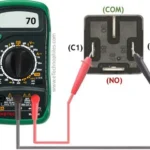
Every meter on this list reads DC voltage, so all of them test a battery and alternator. Set the meter to DC volts, read the battery at rest (around 12.6V), then start the engine and look for roughly 13.7V to 14.7V at the terminals. If it stays flat, your charging system may be the culprit.
Our guide on sorting battery issues from charging faults explains the next steps.
Do I need true RMS for home electrical work?
Not always, but it helps. True RMS gives accurate AC readings on distorted or variable waveforms, like those from dimmer switches, variable-speed motors, and some LED circuits. A standard averaging meter can read those a few percent off.
For basic outlet and battery checks, a non-RMS meter like the winner is perfectly fine. If you troubleshoot motors or modern electronics often, the AstroAI True RMS or Klein MM420 is worth it.
Final verdict
Our pick for most people stays the AstroAI 2000 Counts: it's cheap, accurate, and beginner-friendly enough to earn its Editor's Choice spot for everyday car and home jobs. If you want jobsite-grade safety and durability, the Klein MM325 is the runner-up worth the extra spend, and the True RMS AstroAI 6000 delivers the best feature-per-dollar value on the list.
Affiliate disclosure: This post contains affiliate links. If you buy through one of these links, I may earn a small commission at no extra cost to you. It never changes my recommendation, I only suggest gear I'd actually buy myself.

Similar Posts