Can a Hydrolocked Engine Be Saved? Fix It Now
So, can a hydrolocked engine be saved? Often yes, but only if you act fast and stop cranking immediately. Water doesn’t compress like air does.
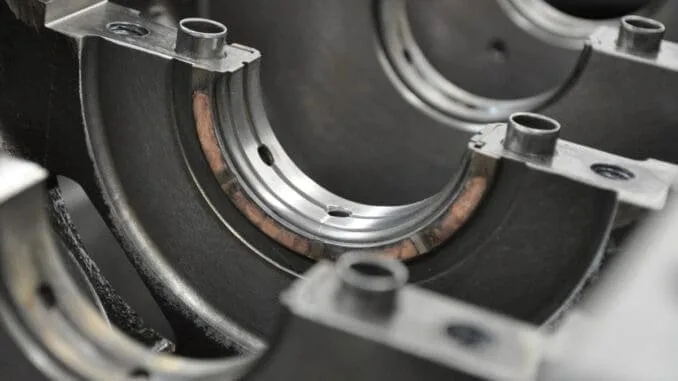
When it fills the cylinders, trying to turn the crankshaft bends metal components permanently.
Our research indicates that success hinges on three variables: water type, submersion depth, and your reaction time. Per SAE International standards for vehicle damage assessment, saltwater intrusion drastically reduces salvageability due to rapid corrosion. Let’s walk through the decision tree so you know exactly where your situation stands before spending a dime.
The Short Answer: It Depends on When You Stopped Trying to Start It
Yes, mechanics frequently save hydrolocked engines, provided the internal damage hasn’t already occurred. The critical factor is whether the driver attempted to restart the vehicle after the initial stall. If the engine turned over even once with water in the cylinders, connecting rods likely bent or broke.
If you stopped instantly upon hearing the engine choke or jerk, there’s a strong chance of recovery. Freshwater floods are far more manageable than saltwater events. Salt leaves conductive residues that corrode wiring harnesses and sensor contacts within hours.
We’ve seen cases where simple drying procedures restored full functionality. However, we’ve also documented total engine failures from repeated ignition attempts. The window for saving an engine closes rapidly once mechanical deformation begins.
Don’t gamble with the starter motor; inspect first, attempt second.
The Critical Decision Tree: Assess Your Specific Scenario
Before touching a wrench, categorize your incident using this logical flowchart. Your path forward depends entirely on these branching conditions. Misidentifying the severity leads to wasted money or catastrophic failure.
Did you try to restart the car after it stalled?
If yes, assume major internal damage until proven otherwise. Bent connecting rods often punch holes in cylinder walls or crack piston crowns. In this scenario, professional teardown is mandatory.
Do not attempt DIY fixes. The risk of secondary damage during removal is too high.
If no, proceed to the next branch. Immediate cessation preserves the integrity of the valvetrain and bottom end. This distinction alone determines whether you face a $200 fluid change or a $5,000 engine swap.
For those diagnosing electrical issues separately, understanding what causes a starter to go bad helps rule out unrelated faults.
Was the water source fresh or saline?
Freshwater (rain, river, municipal flood) allows for potential salvage via thorough flushing and drying. Minerals remain suspended rather than bonded to surfaces.
Saltwater (storm surge, ocean crossing) usually results in written-off vehicles unless exposure was minimal splash-only. Chloride ions accelerate galvanic corrosion aggressively. Even sealed connectors degrade quickly.
As of 2026, most insurers classify significant saltwater immersion as total loss regardless of engine status.
How high did the water reach?
| Water Level | Primary Concern | Salvage Probability |
|---|---|---|
| Below Intake Manifold | Wet spark plugs, minor electrical shorts | High |
| Into Cylinders | Hydrostatic lock, potential rod bending | Moderate (depends on cranking) |
| Above Dashboard | ECU saturation, airbag module corrosion | Low to None |
Water above the dashboard compromises safety systems beyond just propulsion. Airbags may deploy erroneously or fail when needed. Check your signs of a bad starter to ensure no residual electrical gremlins mimic hydrolock symptoms later.

Step-by-Step Recovery Workflow: What to Do Immediately
Acting correctly in the first hour saves thousands in repairs. Follow this sequence strictly. Skipping steps invites hidden failures.
- Stop Touching the Ignition. Never turn the key again. Turning the crankshaft forces water into tight spaces, damaging bearings and seals. Disconnect the negative battery terminal immediately to prevent short circuits while working.
- Remove Spark Plugs or Glow Plugs. Pull all plugs from the head. This opens the combustion chambers, allowing trapped water to escape. Use a proper socket set to avoid cracking ceramic insulators.
- Expel Water from Cylinders. Attach a breaker bar to the crankshaft pulley bolt. Turn the engine manually by hand. Watch for water spraying out of the plug holes. Alternatively, use low-pressure compressed air (under 30 PSI) inserted gently into each cylinder. High pressure can force water past rings into the crankcase.
- Inspect the Oil Dipstick. Look for a milky, mayonnaise-like substance. This confirms water entered the crankcase. If present, drain the oil completely. Do not run the engine.
- Dry Out Electronics. Remove the fuse box and clean terminals with contact cleaner. Dry the ECU if accessible. Moisture in sensors triggers false codes. Refer to guides on how to test a starter relay if starting issues persist post-drying.
This workflow prioritizes structural preservation over speed. Rushing leads to missed contaminants. Always verify dryness before reconnecting power sources.
The Hidden Dangers: Why “It Starts Now” Doesn’t Mean “It’s Fixed”
Many owners celebrate when the engine fires up, unaware of looming threats. Successful startup is merely step one. Corrosion and contamination continue silently.
Electrical oxidation accelerates rapidly in humid environments. Copper contacts develop green patina within days. This increases resistance, causing intermittent faults months later.
Sensors may send erratic data to the ECU. We recommend replacing all exposed connectors rather than just cleaning them.
Fluid contamination poses severe bearing risks. Water mixes with oil to form an emulsion that strips lubrication films. Running the engine briefly with contaminated oil scores camshafts and main bearings.
Perform multiple oil changes until the new oil remains clear. Coolant must also be flushed thoroughly. Rust particles circulate freely in wet cooling systems.
Mold growth inside HVAC ducts creates health hazards and unpleasant odors. While not engine-related, it destroys cabin value and occupant comfort. Professional detailing is often required.
Additionally, interference engines carry unique risks. If valves bent during the initial stall, timing chains may have skipped teeth. Restarting without verifying timing alignment causes piston-to-valve collision.
Always perform a borescope inspection before final assembly.
Understanding parasitic draw on a car battery becomes crucial here. Wet modules often leak current, draining batteries overnight. Address these leaks proactively.
Cost Reality Check: Repair vs. Replace vs. Write-Off
Financial decisions depend on repair estimates versus vehicle value. Insurance adjusters use specific thresholds to declare total losses.
| Repair Stage | Estimated Cost Range | Notes |
|---|---|---|
| Diagnostic & Drying | $150 – $400 | Labor for disassembly/cleaning |
| Fluid Flushes | $100 – $250 | Oil, coolant, transmission filters |
| Internal Damage Repair | $2,000 – $5,000+ | Rods, pistons, machining heads |
| Engine Replacement | $3,000 – $8,000+ | Used/JDM unit plus labor |
For older vehicles, replacement costs often exceed actual cash value. Insurers typically write off cars if repairs surpass 70-80% of market price. Comprehensive coverage handles flood claims, but deductibles apply.
Liability policies exclude water damage entirely.
Consider resale impact carefully. Flood titles stick permanently. Buyers discount these vehicles heavily, sometimes by 20-40%.
Selling privately proves difficult despite mechanical restoration. Sometimes accepting the insurance payout and buying a clean-title alternative makes better financial sense. Review starter replacement cost trends if partial component swaps are considered instead of full rebuilds.
Common Mistakes That Turn a Saveable Engine into Scrap Metal
Most hydrolock disasters stem from panic-driven errors rather than the water itself. The biggest offender is attempting to “kick start” or crank the engine to clear it. This action forces incompressible fluid against pistons, instantly bending connecting rods.
Once metal deforms, no amount of drying fixes the structural compromise. You’re left with a block that needs machining or replacement.
Another frequent error involves ignoring the air intake system. Water often pools in the air filter housing or intake manifold. If you remove spark plugs but leave this reservoir full, restarting draws more liquid into cylinders.
Always drain the airbox completely before proceeding. Manufacturer service manuals explicitly warn against skipping this step during flood recovery.
Drivers also tend to reuse contaminated fluids. Topping off oil instead of draining it leaves water emulsion circulating. This destroys bearing surfaces within minutes of operation.
Similarly, neglecting transmission fluid checks is risky. Automatic transmissions can ingest water through vent tubes during deep submersion. Failing to flush these systems leads to premature gearbox failure.
Finally, many skip professional inspection tools. Assuming “no visible damage” means safety is dangerous. Cylinder walls may show micro-scoring invisible to the naked eye.
A borescope camera reveals these flaws clearly. Without it, you might reassemble an engine destined for seizure. Trust data over intuition here.
For those dealing with persistent starting issues post-recovery, understanding how to tell if its the starter or the battery helps isolate electrical faults from mechanical ones. Avoiding these traps significantly boosts your odds of a successful salvage.
Frequently Asked Questions
Can I drive my car home after hydrolocking?
No. Never attempt to drive a hydrolocked vehicle. Even if it starts, internal damage may be progressing silently.
Driving stresses bent components further, potentially cracking the engine block. Tow the vehicle to a workshop immediately. Attempting self-repair on public roads risks catastrophic failure and traffic hazards.
Safety dictates professional transport over convenience.
How long does electronic drying take?
Expect several days to weeks depending on humidity and access. Removing modules like the ECU speeds up airflow. Desiccants help absorb residual moisture in tight spaces.
Connector corrosion sets in fast, so cleaning shouldn’t wait. Aggregate repair data suggests rushing this phase causes intermittent faults later. Patience prevents expensive diagnostic headaches down the road.
Ensure all wiring harnesses are bone-dry before reconnecting power sources.
Does insurance cover hydrolocked engines?
Only comprehensive coverage applies. Standard liability policies exclude water damage incidents. File a claim promptly with photos of the scene.
Adjusters assess submersion depth to determine total loss status. Saltwater exposure usually triggers immediate write-offs due to corrosion risks. Freshwater cases allow for repair estimates.
Check your policy deductible amounts carefully before deciding between repair and settlement options. Documentation is key for approval.
Is a rebuilt title worse than salvage for resale?
Yes, generally. Salvage titles indicate severe prior damage, scaring away buyers. Rebuilt titles show repairs were completed, offering slightly more confidence.
However, both suffer steep depreciation compared to clean titles. Buyers often suspect hidden issues regardless of quality workmanship. Selling privately takes longer and yields lower prices.
Consider the long-term financial impact versus short-term repair savings when evaluating your vehicle’s future value. Transparency helps mitigate buyer skepticism.

Similar Posts





















