7 Signs Your Engine Is About to Fail
Most drivers ignore the subtle warnings until their car refuses to start. Recognizing the signs your engine is about to fail saves you thousands in repair bills. You don't need a mechanic's degree to spot trouble early.
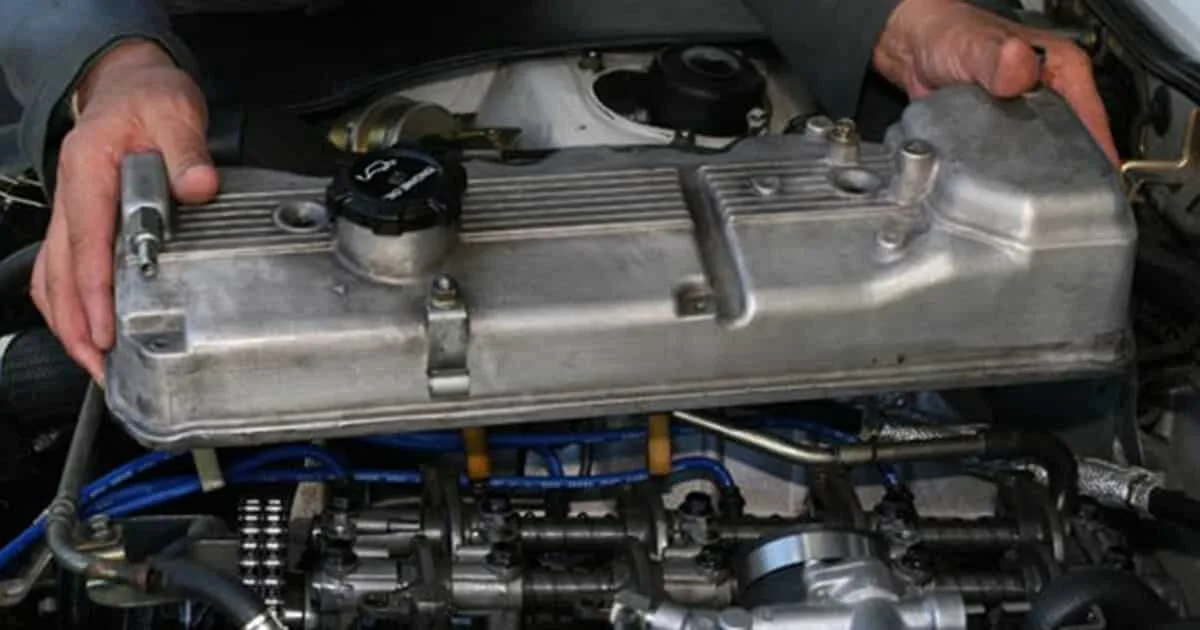
Simple observations can prevent catastrophic breakdowns on the highway.
Coolant temperatures above 250°F indicate imminent overheating risks. Manufacturer specifications confirm that modern engines operate safely between 195°F and 220°F. Ignoring these metrics leads to warped heads or seized pistons.
Let's walk through exactly what to look for before it’s too late.
Quick Answer
The most critical signs your engine is about to fail include blue exhaust smoke, knocking noises, and rising coolant temperatures. Blue smoke indicates oil burning inside combustion chambers. Knocking suggests worn bearings or low oil pressure.
High temps signal cooling system failures. Check your dashboard gauges immediately if you notice any of these symptoms. Stop driving to prevent total engine seizure.
Early detection allows for affordable repairs instead of full replacements. Monitor fluid levels weekly for best results.
Start Here: Is Your Engine Actually Dying or Just Annoyed?
The Critical First Check: Dashboard Lights and Fluid Levels
Your dashboard speaks louder than any noise outside the cabin. A steady check engine light often means a minor sensor issue. However, a flashing light signals active misfires damaging your catalytic converter.
This distinction matters because continuing to drive with a flashing MIL causes expensive secondary damage. Per EPA guidelines, persistent misfires increase harmful emissions significantly.
Next, pull over and check your fluids. Low oil pressure triggers immediate shutdown protocols in many modern vehicles. If your oil level sits below the minimum mark, top it up carefully.
Do not confuse this with normal consumption. Sudden drops suggest leaks or internal wear. Look for puddles under your parked car.
Clear green or orange fluid points to coolant leaks. Brown or black residue usually indicates old transmission fluid or oil seepage.
We’ve seen countless cases where owners ignored intermittent warning lights. They assumed the glitch would fix itself. It rarely does.
Treat every new vibration or sound as data. Compare it against your baseline experience with the vehicle. If something feels different, investigate it today.
Don’t wait for tomorrow. Tomorrow might bring a tow truck bill.
If your temperature gauge climbs into the red zone, stop immediately. Opening the radiator cap while hot causes severe steam burns. Wait at least thirty minutes for the system to depressurize.
Then, inspect coolant levels. Empty reservoirs mean air pockets form in the block. These pockets create hot spots that warp metal components.
Address small leaks before they become head gasket failures. Regular maintenance prevents most of these scenarios. Keep your engine servicing schedule current to avoid surprises.
Note that while lawn mower specs differ, the principle of consistent lubrication applies universally to internal combustion engines.
Listen and Look: Decoding the Three Major Failure Signals
Noise Patterns: Knocking, Ticking, and Grinding Explained
Sounds tell you more than lights sometimes. Deep rhythmic knocking from the bottom end suggests rod bearing failure. This "rod knock" worsens when you accelerate.
It indicates excessive clearance between moving parts. Metal-on-metal contact generates heat and debris quickly. Once bearings go, the crankshaft sustains permanent damage.
Repair costs skyrocket at this stage.
Ticking noises near the valve cover often point to hydraulic lifter issues. Low oil pressure or dirty oil prevents lifters from maintaining proper height. This creates gaps in the valvetrain.
While less urgent than rod knock, ignoring ticks leads to camshaft wear. Top off your oil first. If the tick persists, consider an additive or professional flush.
Sometimes, simple routine upkeep resolves minor auditory annoyances before they escalate.
Grinding sounds during startup usually involve the starter motor or flywheel teeth. If your car cranks slowly then grinds, the solenoid may be failing. Misalignment causes gear stripping.
This isn't strictly engine internal failure yet. But prolonged grinding damages the flexplate. Replace faulty starters promptly to save the engine assembly.
Understanding how a clogged intake affects performance helps contextualize airflow issues, though mechanical noise stems from physical wear rather than filtration alone.
Smoke Colors: What Blue, White, and Black Exhaust Means for Your Cylinder Health
Exhaust smoke color reveals combustion efficiency instantly. Blue haze indicates oil entering the burn chamber. Worn piston rings or valve stem seals allow lubricants to leak past barriers.
Oil doesn't combust cleanly like gasoline. It leaves carbon deposits and reduces octane ratings effectively. Chronic blue smoke fouls spark plugs rapidly.
Thick white smoke smells sweet. That scent comes from ethylene glycol in antifreeze. Coolant leaking into cylinders boils instantly.
This creates massive hydrostatic pressure. Since liquids don't compress, pistons bend or blocks crack. Hydrolock destroys engines in seconds.
Never restart a flooded cylinder manually. Tow the vehicle instead.
Black smoke means rich fuel mixtures. Too much gas enters the cylinders without enough air. Clogged air filters or failing injectors cause this.
Carbon builds up on valves and sensors. Eventually, the catalytic converter clogs completely. Replacing converters costs hundreds.
Fix the root cause early. Check your topping it up habits regularly, ensuring correct viscosity mixes reach all engine zones efficiently. Poor lubrication exacerbates ring wear, leading back to blue smoke cycles.
Temperature and Pressure Trends: When Gauges Tell You to Pull Over Now
Temperature spikes demand immediate attention. Modern engines run hotter than older models for efficiency. Yet exceeding 250°F poses serious risks.
Thermostats stuck closed trap heat inside the block. Radiators unable to dissipate energy cause rapid boil-offs. Watch for fluctuating needles.
Erratic readings suggest air locks or water pump impeller erosion.
Oil pressure tells you about lubrication health. Normal ranges sit between 20 and 60 PSI depending on RPM. Readings dropping below 10 PSI at idle indicate starvation.
Sludge buildup restricts oil passages. Dirty filters compound the problem. Always verify sensor accuracy before assuming mechanical failure.
Faulty senders give false alarms. Cross-reference with dipstick checks. If oil looks milky, moisture entered the system.
Head gaskets breach frequently under thermal stress. Preventive measures extend life spans considerably. Consult manufacturer docs for specific tolerances.
Deviations warrant professional diagnosis soon.
The Diagnostic Workflow: From Symptom to Severity Rating
Decide whether to move or stay put based on severity. Flashing check engine lights require stopping within safe distance. Continued operation melts catalyst substrates.
Loud metallic knocks mandate immediate shutdown. Seizures happen unpredictably once bearings shear. Steam pouring from hood vents confirms overheating.
Do not touch hot surfaces. Call roadside assistance if unsure.
Minor vibrations or slight temp rises allow cautious travel to nearest shop. Keep RPMs low. Avoid steep hills.
Monitor gauges constantly. If needle moves toward red, pull over again. Better late than destroyed.
Prioritize safety over convenience. Never gamble with high-speed highways during unstable conditions. Weather impacts visibility and traction too.
Rain complicates emergency stops further. Plan accordingly.
Look underneath after parking. Fresh drips identify active leaks. Old stains hide current problems.
Clean areas reveal hidden sources. Sniff the air around front wheel wells. Burning rubber smells come from belts slipping.
Sweet scents warn of coolant escapes. Rotten egg odors signal sulfur-rich unburnt fuel hitting cats. Each smell maps to specific component failures.
Cost Reality: Preventive Fixes vs. Catastrophic Replacements
Timing Belt/Chain Maintenance Windows and Labor Costs
Timing belts degrade invisibly. Rubber cracks internally. External inspection misses flaws.

Similar Posts





















