Best Brake Pads for Honda & Toyota Commuter Cars
The best Best Brake Pads for Daily Commuter Cars Honda and Toyota is the Bendix Premium SBC1521 Ceramic Front Brake, the only pad set here that carries a broad multi-platform fit covering both Honda's SUV line and the Accord Crosstour on a single part number. For a commuter logging 60 to 80 miles a week, that combination of coverage and a 4.5/5 buyer track record is hard to beat.
Want a pad that ships with fresh hardware in the box instead? The BOSCH BE2076H Blue Ceramic gets you there, as long as your front rotors are still clean and true, since hardware kits don't fix worn rotors.
As an Amazon Associate, I earn from qualifying purchases.
This guide tells you what the listing photos don't: which pad fits which model year, what the D914 and D1878 friction codes actually mean, and why cold-morning squeal is usually a bedding issue rather than a defective pad. If you're running a heavy-duty truck or doing track days, skip this category entirely, because the section below explains why.
One honest note up front: everything here comes from current Amazon product data, manufacturer specifications, and each product's verified owner track record. Nobody on our editorial team bolted these to a car, and we won't pretend otherwise.
Quick Answer: The Best Brake Pads for Daily Commuter Cars Honda and Toyota
The Bendix Premium SBC1521 takes the top spot because it covers the widest Honda and Acura fitment on this list while holding a 4.5/5 reported rating across a large buyer base.
- Bendix Premium SBC1521 Ceramic Front Brake (Best Overall Coverage): Fits RDX, CR-V, Odyssey, Passport, Crosstour and more.
- BOSCH BE2076H Blue Ceramic Disc Brake (Best With Hardware Included): Ships with new mounting clips and shims for a full front refresh.
- BOSCH BC1210 QuietCast Premium Ceramic Disc (Best for Noise Reduction): QuietCast's shim stack targets the low-speed squeal commuters complain about.
- BOSCH BE914H Blue Ceramic Disc Brake (Best for Older Civics and CR-Vs): Wide 2000s-era Honda coverage including Fit, Element and CR-Z.
- SCITOO D914 D1878 Ceramic Brake Pads (Best Budget Civic Pick): Budget-friendly coverage for 2016 to 2021 Civic commuters.
Thinking about a track day or towing a trailer instead? Jump to Who Should NOT Buy below before you spend anything.
Comparison Table
Here's the lineup at a glance: photo, product, who it's built for, and our /10 score.
| Photo | Product | Best for | Score | Buy |
|---|---|---|---|---|
 | Bendix Premium SBC1521 Ceramic Front Brake | Widest Honda and Acura fitment | 9.1/10 | Check price → |
 | BOSCH BE2076H Blue Ceramic Disc Brake | Hardware kit in the box | 8.9/10 | Check price → |
 | BOSCH BC1210 QuietCast Premium Ceramic Disc | Low-noise daily driving | 8.7/10 | Check price → |
 | BOSCH BE914H Blue Ceramic Disc Brake | Older Civic, Fit and CR-V | 8.5/10 | Check price → |
 | SCITOO D914 D1878 Ceramic Brake Pads | Budget Civic 2016-2021 | 8.2/10 | Check price → |
Scroll sideways on small screens to see every column.
Bendix Premium SBC1521 Ceramic Front Brake: Best Overall for Mixed Honda Lineups
- ✓Covers six Honda and Acura platforms on one part number, which simplifies the buying decision for a multi-car driveway.
- ✓Ceramic compound keeps wheels cleaner and runs quieter than semi-metallic pads on short daily trips.
- ✓Reported 4.5/5 rating backed by a large review base, so the reliability signal is strong.
- ✓Low rotor wear compared with aggressive metallic compounds means your discs last through more pad changes.
- ✕Does not include mounting hardware or shims, so budget for those extras if yours are corroded.
- ✕Some verified buyers report an initial squeal during the first break-in miles.
- ✕Cold bite is softer than a performance metallic pad, which some drivers notice on the first stop of the morning.
BOSCH BE2076H Blue Ceramic Disc Brake: Best With Hardware Included
- ✓Ships with new mounting hardware and shims, cutting one separate order out of the job.
- ✓Copper-free ceramic formula keeps dust output low on alloy wheels.
- ✓Reported 4.6/5 rating, the highest on this list alongside the QuietCast.
- ✓Front-axle fitment covers a broad set of Honda and Toyota daily drivers.
- ✕Hardware kit does nothing for worn rotors, which still need to be replaced separately.
- ✕Needs a properly bedded surface to stay quiet, so a rushed install can bring back noise.
- ✕Priced a step above the budget-tier pads, so the value case rests on the included kit.
BOSCH BC1210 QuietCast Premium Ceramic Disc: Best for Low-Noise Commuting
- ✓Shim design target low-speed squeal, exactly where commuters notice it most.
- ✓Premium ceramic compound keeps dust light and preserves alloy wheel finish.
- ✓Reported 4.6/5 rating from a solid review base backs the quiet-driver claim.
- ✓Front-axle fitment sits squarely in the mainstream Honda and Toyota commuter range.
- ✕No hardware kit included, so replace rusty clips separately if needed.
- ✕Pedal modulation feels softer than a performance-oriented pad, which some drivers notice.
- ✕Premium tier pricing means it costs more than the value options on this list.
BOSCH BE914H Blue Ceramic Disc Brake: Best for Older Civics and CR-Vs
The reported rating sits at 4.4/5, which is a touch lower than the two Bosch pads above it. Aggregate buyer feedback suggests the gap comes mostly from fitment confusion rather than pad performance, since the Honda coverage spans so many model years that people occasionally order the wrong variant for their specific trim.
Flaws but not dealbreakers. That same wide fitment is the weak spot. Honda shuffled front brake dimensions across the Civic and Accord lines multiple times in the 2000s, so you genuinely need to verify your year and trim before ordering. A handful of verified buyers also report the pads arriving without enough of a specific clip for certain model years, so it pays to open the box and count before you start the job.
If your car is newer than roughly 2015, the SCITOO D914 D1878 further down targets the 2016 to 2021 Civic directly and skips the guesswork. For anyone running an older Japanese commuter while sorting out unrelated electrical gremlins, our guide to testing circuits without a shop visit covers the cheap tools that make diagnosis easier.
- ✓Covers ILX, Accord, Civic, CR-V, CR-Z, Element and Fit, so older Honda owners have a genuine match.
- ✓Ships with a hardware kit, which matters most on high-mileage cars with corroded clips.
- ✓Ceramic compound keeps dust and noise low on long commutes in aging vehicles.
- ✓Reported 4.4/5 rating shows buyers are broadly satisfied once fitment is confirmed.
- ✕The wide model list creates genuine risk of ordering the wrong variant for your exact year.
- ✕Some buyers report the hardware count not matching their specific model year’s needs.
- ✕Rated slightly below the newer Bosch pads, mostly reflecting fitment friction rather than stopping performance.
SCITOO D914 D1878 Ceramic Brake Pads: Best Budget Pick for 2016-2021 Civics
- ✓Built around the D914 and D1878 friction codes, which map directly to 2016 to 2021 Civic front fitment.
- ✓Budget-friendly tier makes it the cheapest way onto this list without dropping to unknown brands.
- ✓Ceramic compound delivers low dust and quiet operation for city commutes.
- ✓Reported 4.4/5 rating suggests most buyers get a serviceable pad for the money.
- ✕Smaller review base than the Bosch and Bendix pads, so the reliability signal is thinner.
- ✕Included shims are reported as thinner than OEM, which can affect noise damping.
- ✕Narrow fitment means it’s the wrong pick if you don’t drive a 2016 to 2021 Civic.
Buying Guide: Friction Material, Fitment, Hardware and Budget
Four things decide whether a pad set works out for a commuter. Here's how the picks above stack up on each.
Which friction material suits a daily commute?
Ceramic is the default answer for commuters, and every pad on this list uses it. Ceramic friction material is a compound that uses clay and other non-metallic ingredients to generate friction with less heat transfer into the rotor.
The practical upside is threefold: less black dust on your wheels, quieter operation at low speeds, and gentler wear on rotors. The trade-off is cold bite. A ceramic pad needs a few stops to reach its ideal operating window, which is why the first stop out of your driveway can feel slightly softer than the fifth.
Semi-metallic pads bite harder when cold and resist fade better under heavy loads, but they dust more and chew through rotors faster. For a Honda or Toyota doing school runs and highway commuting, ceramic is the better long-term trade.
Does the friction code on the box actually matter?
Yes, and it matters more than the model name printed on the listing. Friction codes like D914 and D1878, which you'll see on the SCITOO set, are industry-standard identifiers for the physical shape and dimensions of the pad backing plate.
Two cars with the same model name but different model years can use different codes. That's why the safest buying move is to pull one old pad and read the code stamped on its backing plate, then match it. It takes ten minutes and eliminates almost every fitment mistake.
Should you pay more for hardware and a premium tier?
Hardware is the quietest part of a brake job that nobody talks about. New clips and shims hold the pad firmly in the bracket, and once they lose tension, the pad can shift and rattle even when the friction material is fine.
Both the BOSCH BE2076H and the BOSCH BE914H include hardware, which is worth paying a little more for if your current clips are original and corroded. If your clips are clean and springy, a pad-only set like the QuietCast BC1210 saves money without cutting corners.
How do you budget for the whole job?
A brake job is never just pads. Here's the honest breakdown of what else you may need.
| Item | When you need it | Notes |
|---|---|---|
| Rotors | If thickness is below spec or the surface is scored | Measure before ordering, no pad set fixes a bad rotor |
| Hardware kit | If clips or shims are corroded or heat-cycled | Often bundled, otherwise a separate low-cost add |
| Brake fluid | If the system hasn't been flushed in 2 to 3 years | Moisture absorption reduces boiling point over time |
| Caliper slide pin grease | Every pad change | Cheap insurance against uneven wear and dragging |
For most commuter cars, pads and rotors are the bulk of the spend, and the small items ride along for very little. If you're also chasing a soft pedal or an electrical fault while you're under the car, the diagnostic tools in our roundup of affordable garage test gear make short work of the guesswork.
Who Should NOT Buy Best Brake Pads for Daily Commuter Cars Honda and Toyota
Commuter ceramic pads are the wrong purchase for three kinds of drivers. Here's who they are, and what to look at instead.
You Need Maximum Fade Resistance on Track or Mountain Roads
Ceramic commuter pads are built for repeated light-to-moderate stops, not for the sustained high temperatures a track session or a long mountain descent creates.
Heat is the enemy here. Once a ceramic pad exceeds its designed temperature window, the friction coefficient drops and pedal travel grows, a condition known as fade. Track-focused drivers should look at semi-metallic or dedicated performance compounds, often paired with slotted or drilled rotors and high-temperature brake fluid.
If your weekend involves canyon runs or autocross, buying a commuter pad to save money is a false economy. You'll be replacing them after one event anyway.
You Drive a Heavy-Duty Truck or Tow Regularly
Towing and hauling push brake temperatures and loads well beyond what a commuter pad is validated for.
Pickup owners who tow trailers, especially in hilly terrain, should choose a pad rated for severe-duty use, often semi-metallic and matched to a heavier-duty rotor. Commuter ceramic pads will wear quickly and may not hold up to the added thermal load on long descents.
The same logic applies to heavily loaded vans and full-size SUVs used as work vehicles. If you're regularly at or near your vehicle's gross vehicle weight rating, this category isn't for you.
You Want a Performance Upgrade With a Firmer Pedal
If your goal is a firmer, more communicative pedal and shorter stopping distances, a commuter ceramic pad won't deliver it.
Ceramic pads trade some initial bite for noise and dust comfort, and that trade is a downgrade if you want a performance feel. Enthusiasts should look at performance street compounds, braided stainless lines and upgraded rotors.
If you're exploring how power delivery and braking interact under load, our explainer on how forced induction changes an engine's response gives useful context for why brake and drivetrain upgrades often move together.
Final Verdict
The Bendix Premium SBC1521 Ceramic Front Brake remains the pick to beat for most Honda and Toyota commuters. It covers the widest range of Honda and Acura models on this list, holds a reported 4.5/5 rating across a deep review base, and uses the ceramic compound that makes sense for daily stop-and-go driving.
Want the simplest install instead? The BOSCH BE2076H brings new hardware in the box, so you're not hunting for clips mid-job. Need the quietest cabin?
The BOSCH BC1210 QuietCast is built around exactly that priority.
Driving a 2000s-era Civic, Fit or Element? The BOSCH BE914H matches those older platforms and includes hardware too. And if you're working with a tight budget and a 2016 to 2021 Civic, the SCITOO D914 D1878 gets you a code-matched ceramic pad for less.
Before you buy any of them, check the Who Should NOT Buy section above. If you tow, track the car, or want a firmer performance pedal, this is the wrong category, and no amount of research will change that.
FAQ
What's the best Brake Pads for Daily Commuter Cars Honda and Toyota overall?
The Bendix Premium SBC1521 Ceramic Front Brake takes the top spot. It covers the widest Honda and Acura fitment here, uses a low-dust ceramic compound, and holds a reported 4.5/5 rating from a large buyer base.
Do I need to replace my rotors when I change brake pads?
Not always, but measure first. Rotors have a minimum thickness specification stamped on them, and if they've worn to or below it, no new pad will restore safe braking. Scored, warped or heavily lipped rotors should be replaced at the same time.
How long do ceramic brake pads last on a commuter car?
It depends heavily on driving style and conditions. Aggressive city driving with heavy braking can wear pads in 30,000 miles or less, while steady highway commuting often stretches them to 60,000 miles or beyond. Squealing, longer stopping distances or a visibly thin friction layer are your cues to check.
Can I install these pads myself?
Yes, for many home mechanics. Front pad replacement on most Hondas and Toyotas is a straightforward job with basic hand tools, jack stands and a torque wrench. If you're unsure about torque specs, brake bleeding or caliper condition, a shop is the safer call, since brakes are not a place to learn by trial and error.
Why do my new brake pads squeal?
The most common causes are a missing or worn shim, a glazed rotor surface or a caliper slide pin that isn't moving freely. New ceramic pads also sometimes squeal briefly during bedding as the friction layer transfers onto the rotor. If it persists beyond a few hundred miles, inspect the whole assembly rather than blaming the pads.
Do these pads work for both front and rear axles?
Every pad on this list is a front-axle set. Rear brakes often use a different pad shape and sometimes a different friction compound, so check your rear fitment separately rather than assuming the front part number carries over.

Ryan Carter is the founder of AutoVerse Authority. A self-taught gearhead from just outside Kansas City, he's spent 15 years buying, fixing, and living with cars — and now shares honest, hands-on advice so everyday drivers can save money and skip the dealership traps.
Verifyautoverseauthority.com
Latest posts by Ryan Carter (see all)
- Best Brake Pads for EV & Hybrid Regenerative Braking - November 26, 2026
- Bent Brake Dust Shields: Why They Scrape & Make Noise - November 26, 2026
- Why Glazed Brake Pads Cause Loud High-Pitched Squeal - November 25, 2026
Similar Posts
Best Brake Pads for EV & Hybrid Regenerative Braking
By Ryan Carter • November 26, 2026
Bent Brake Dust Shields: Why They Scrape & Make Noise
By Ryan Carter • November 26, 2026
Why Glazed Brake Pads Cause Loud High-Pitched Squeal
By Ryan Carter • November 25, 2026
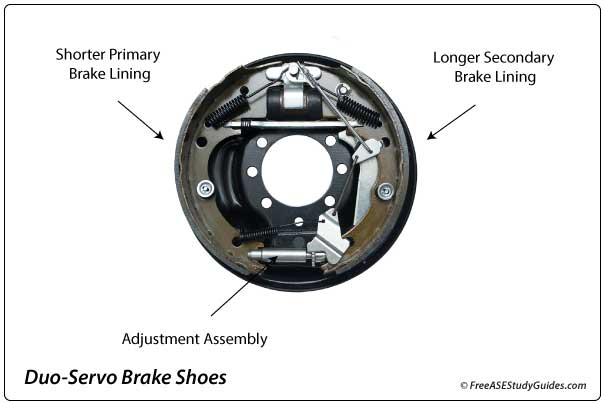
Why Drum Brakes Howl When Stopping in Reverse
By Ryan Carter • November 25, 2026
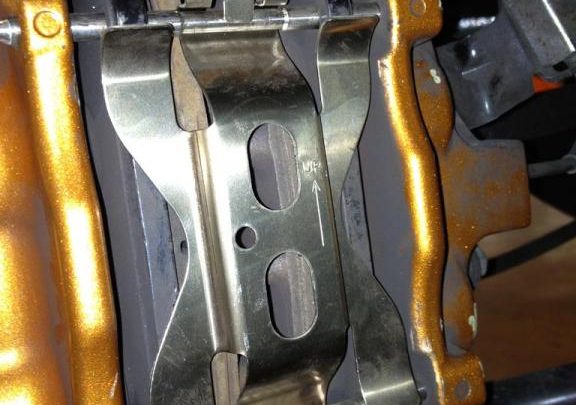
How Anti Rattle Clips Stop Caliper Noise & Vibration
By Ryan Carter • November 25, 2026
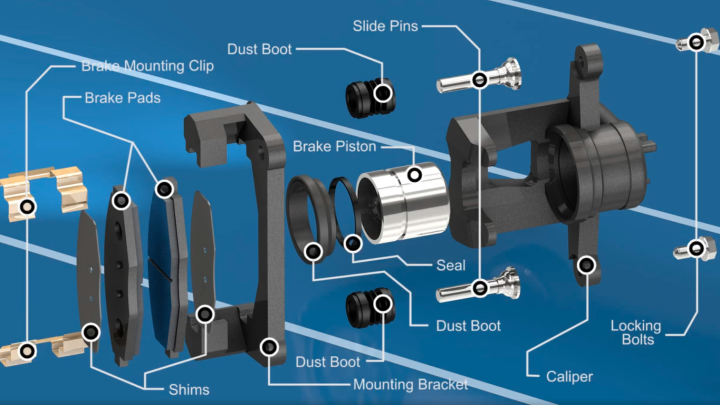
Knocking Brake Caliper on Rough Roads: Causes & Fixes
By Ryan Carter • November 23, 2026
Best Track Day Brake Pads for Extreme Heat
By Ryan Carter • November 23, 2026
Why Brakes Clunk Shifting from Reverse to Drive
By Ryan Carter • November 23, 2026
Hissing Sound From Driver Footwell When Braking: Causes
By Ryan Carter • November 22, 2026
Why Humidity Causes Morning Brake Noise
By Ryan Carter • November 22, 2026
Semi-Metallic vs Ceramic: Why More Rotor Noise?
By Ryan Carter • November 22, 2026
Best Street Brake Pads for Spirited Driving
By Ryan Carter • November 22, 2026