Why Brakes Squeak After Rain or a Car Wash
Why do brakes squeak after getting wet from rain or car wash? Nine times out of ten, it's surface rust. Water hits bare cast iron rotors, a thin oxide film forms within minutes, and your brake pads scrub across it with a high-pitched squeak until it wears off.
That squeak usually fades after a handful of gentle stops. But not always. In our research, the noise window tells you plenty: squeaks that clear within 10 to 15 brake applications are almost always surface rust, while anything that sticks around points to glazing, dry caliper slide pins, or a wear indicator that was already chirping.
Manufacturer specifications for brake pad thickness put the replacement line at roughly 2 to 3 mm, which matters here.
Why Do Brakes Squeak After Getting Wet from Rain or Car Wash
Water leaves a rust film on bare rotors. Pads drag across it. The friction surface squeals until the film wears off.
Surface rust forms fast, often within minutes. A few normal stops usually clears it. Persistent noise means something else is wrong.
The Short Answer: Wet Squeak vs. "Something's Actually Wrong"
Most wet squeaks are harmless. The rotor face is bare cast iron on almost every modern car, and bare iron rusts the moment moisture touches it. Rain, a tunnel wash, or even heavy morning dew triggers the same reaction.
The rust layer measures microns thick, but that's enough to change how the pad glides across the surface.
Here's the useful distinction: a wet squeak is weather-dependent. If the noise shows up only after rain or a wash, and disappears once things dry out, you're dealing with flash rust. No parts are failing.
Nothing needs replacing.
If the squeak fades, you're fine
If the noise quiets within a few blocks of normal braking, that's the rust film scrubbing away. Pads act like a mild abrasive for the first few stops, polishing the rotor clean. Manufacturers build pads to handle this without damage.
If the squeak lingers, dig deeper
If the squeak survives past 10 to 15 brake applications, moisture has likely done something else. It may have washed grease out of the caliper slide pins, glazed the pad surface from heat cycling, or exposed a wear indicator that was already metal-on-metal.
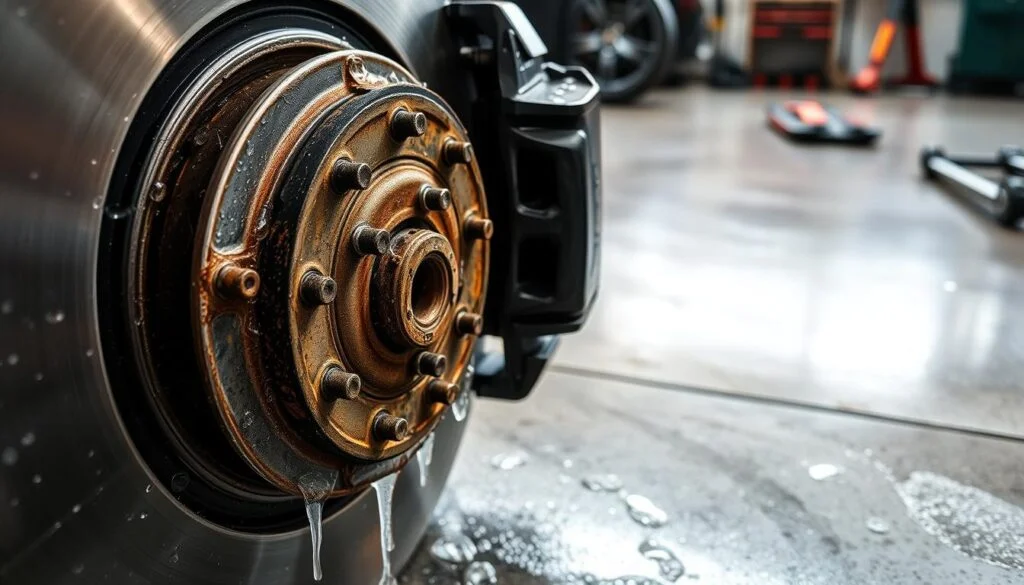
Image source: Bing (Web (fair-use with source credit))
How Water Turns a Quiet Brake Into a Squeaky One
Three things happen when water hits a hot or warm brake assembly. Each one produces a different kind of noise, and each one behaves differently on the drive home.
Flash Rust on the Rotor Face
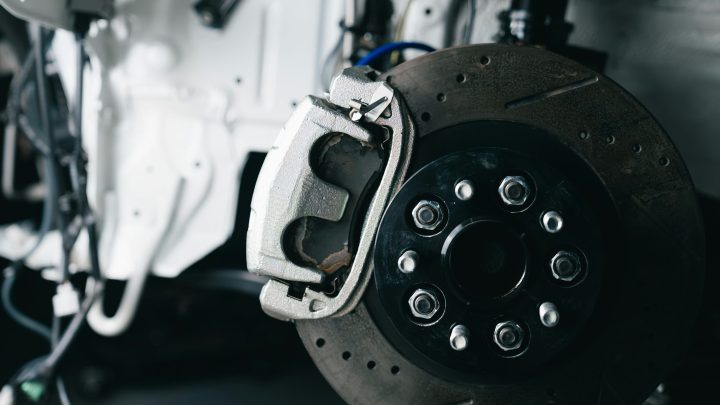
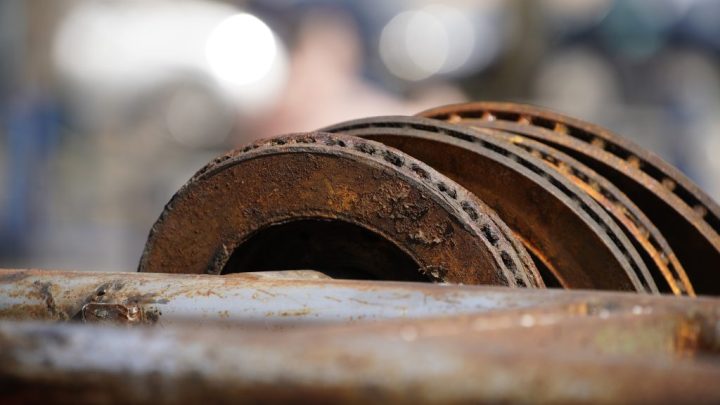
Flash rust is the main culprit. Bare cast iron oxidizes fast when wet, especially in humid or coastal air. Park the car after a wash and let it sit overnight, and you'll often see orange-brown film on the rotor face by morning.
That film is abrasive enough to squeal but soft enough to wear off quickly.
Pad Material, Moisture, and the Transfer Layer
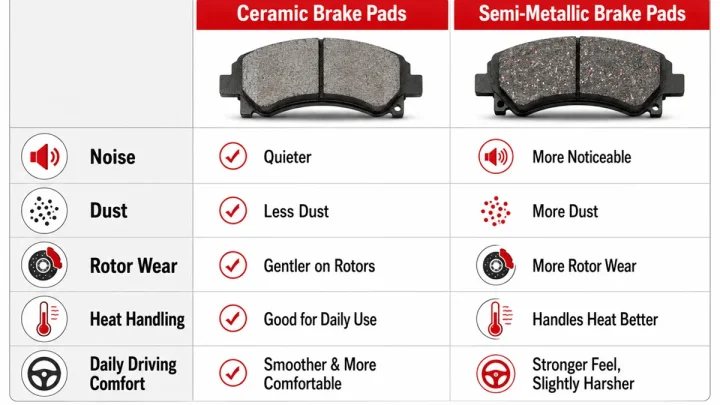
Healthy brakes run with a thin transfer layer of pad material bonded to the rotor. Water disrupts that layer. Semi-metallic pads absorb a small amount of moisture and can squeal more than ceramic pads in wet conditions.
Ceramic compounds tend to stay quieter, though they're not immune.
What the Caliper and Hardware Are Doing While Wet
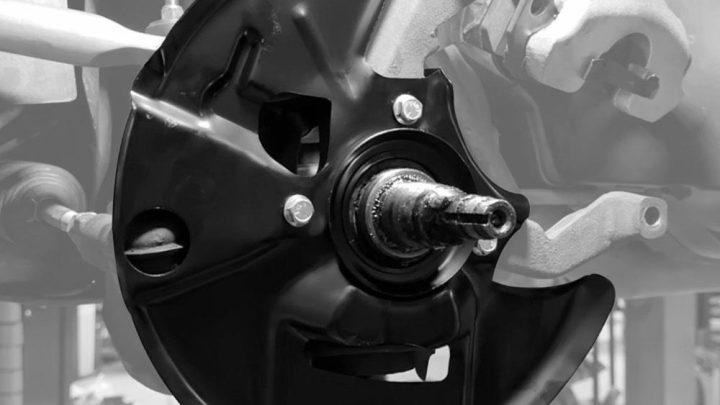
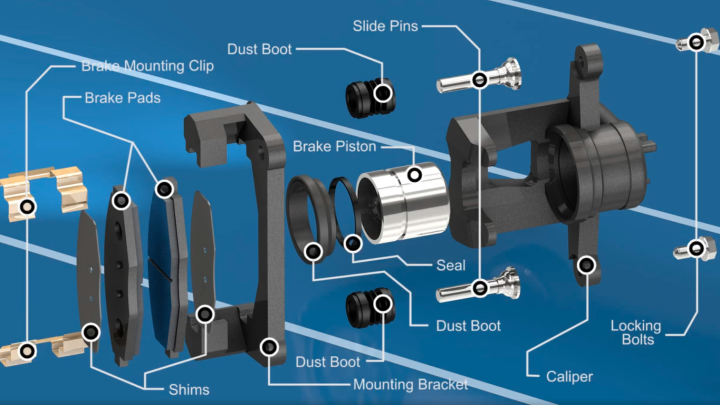
The caliper doesn't just squeeze the pad. It slides on lubricated guide pins. High-pressure wash spray can strip that lubricant, and dry pins make pads drag at an angle.
That drag creates a squeal that won't go away with driving. Rear calipers with integrated parking brakes are especially prone here.
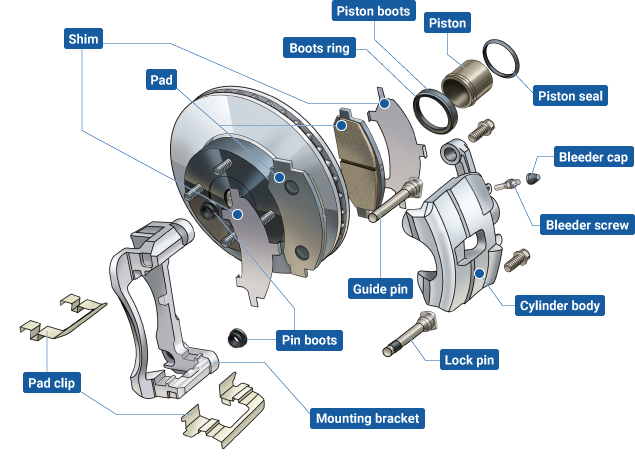
Image source: Bing (Web (fair-use with source credit))
The Decision Tree: Trace Your Squeak to the Right Cause
Work through these branches in order. Each one narrows the cause based on what you're hearing and when you're hearing it.
Branch 1: The Squeak Fades After a Few Stops
This is flash rust. If the noise disappears within 10 to 15 brake applications, you don't have a problem. Drive normally for a few miles and let friction do its job.
No tools required.
Branch 2: The Squeak Sticks Around Past 10 to 15 Brake Applications
If it persists, the moisture caused a secondary issue. Check pad thickness first. Then inspect the caliper slide pins for dry or seized movement.
Glazed pads, where the surface has gone shiny and hard from heat, also squeal constantly and need either scuffing or replacement.
Branch 3: The Squeak Only Shows Up When Cold
Cold-morning squeak points to overnight moisture. Dew condenses on the rotor face and forms a light rust film. This is normal.
It clears within the first few stops of the day and returns the next morning if conditions repeat. Nothing to repair.
Branch 4: The Squeak Turns Into a Grind, Clunk, or Pull
This changes the diagnosis entirely. A grind means metal-on-metal contact, which usually means the pad is worn past its friction material. A clunk suggests a loose caliper bolt or worn hardware.
A pull to one side points to a sticking caliper piston. Any of these needs a shop, not a driveway fix.
| Noise | Likely Cause | Action |
|---|---|---|
| Soft squeak that fades | Flash rust on rotor | Drive it off |
| Constant squeak after drying | Glazed pads or dry slide pins | Inspect and service |
| Cold-morning squeak only | Overnight dew rust | Nothing needed |
| Grind, clunk, or pull | Worn pads, loose hardware, seized caliper | Stop driving, book a diagnosis |
Reading the Clues: Squeak vs. Squeal vs. Grind vs. Judder
Each noise tells you something different. Learning to tell them apart saves you a diagnostic fee and, occasionally, a bigger repair.
Squeak is the light, high-pitched chirp triggered by surface friction changes, usually rust or light glazing. Squeal is louder and more sustained, often from a wear indicator tab contacting the rotor. Grind is the low, harsh scrape of metal on metal.
Judder is a pulsing vibration through the pedal or steering wheel, typically caused by rotor thickness variation.
If you want to test brake-related electrical sensors or diagnose a warning light yourself, a basic automotive diagnostic tool can help you check circuits before you pull wheels off. It won't fix a squeak, but it will rule out a sensor fault. For anything relying on the engine's own behavior for comparison, our walkthrough on different cylinder layouts shows how much drivetrain variation exists across models, which is why brake hardware specs vary so widely too.
What You Can Fix in Your Driveway (and What You Shouldn't Touch)
You can solve most wet-squeak cases without a lift. Just be honest about your limits.
Drying the Rotors Safely
Drive gently for a few miles after a wash. Use normal braking, not hard stops. Ten to fifteen moderate applications usually clears surface rust.
Avoid riding the brakes to speed up drying, that just adds heat and can glaze the pads.
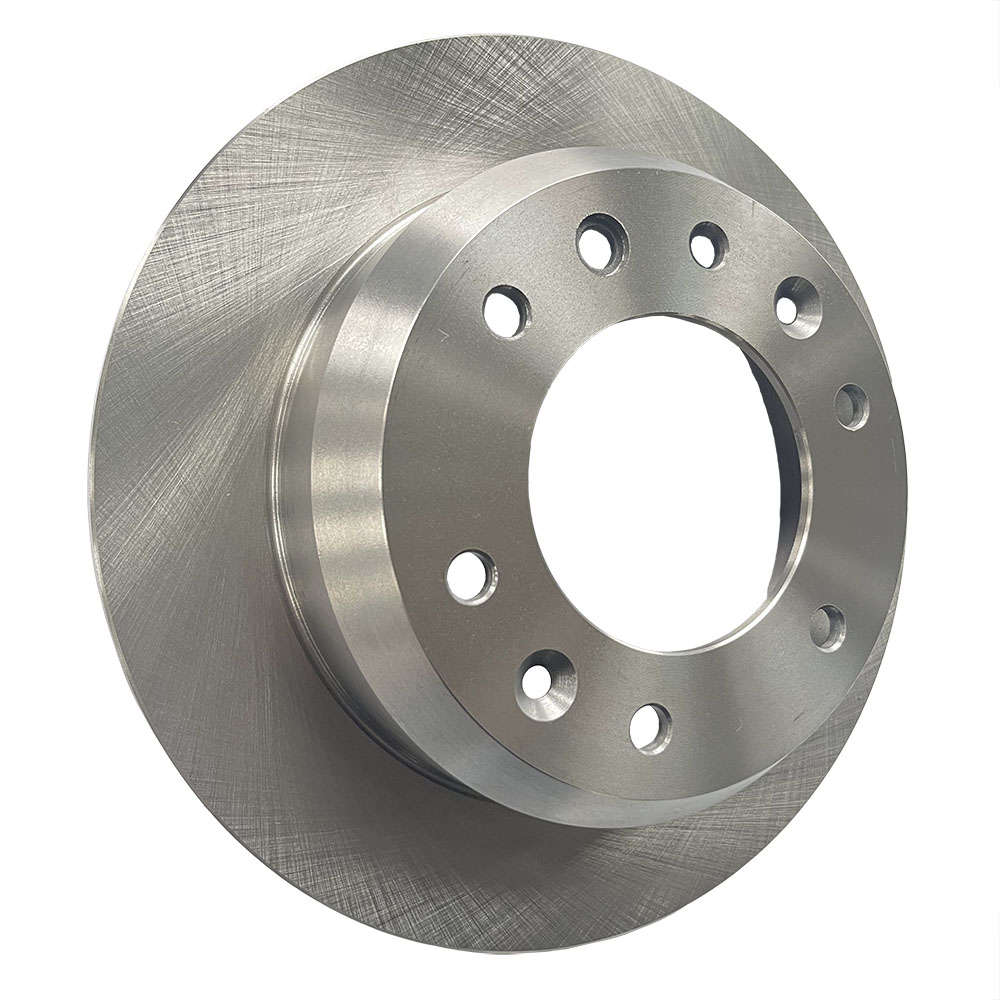
Image source: Web (Bing) / 4wbrakerotor.com (Web image (fair-use with source credit))
Cleaning and Greasing Caliper Slide Pins
If the squeak won't quit, this is the next step. Pull the caliper, remove the guide pins, wipe them clean, and apply silicone-based brake grease. Don't use petroleum grease, it swells rubber boots.
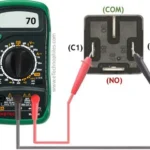
Torque the caliper bolts to the manufacturer spec when you're done. If you need to identify exact bolt sizes or check resistance on ABS sensors, a compact meter for electrical work covers most driveway jobs.
Shims, Hardware, and Pad Replacement Basics
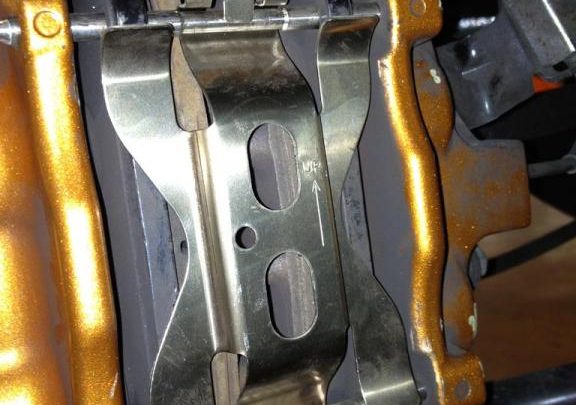
New pads come with shims and clips for a reason. If yours are missing, corroded, or reused from the last set, they'll squeak even when everything else is fine. Replace the hardware kit with the pads.
Clean the caliper bracket where the pads ride, then add a thin smear of brake grease at the contact points.
Bedding In New Pads After a Wet-Weather Job
Fresh pads need bedding. Per common manufacturer guidance, that means 5 to 10 stops from around 50 mph down to 10 mph at moderate pressure. Let the brakes cool between stops.
Skip this, and you'll get uneven pad material transfer, which shows up later as judder or squeal. For anyone curious how different engine types change braking demands, our breakdown of naturally aspirated versus forced induction explains the power delivery side of the picture. And if you're checking a used car's engine code to confirm maintenance history, our guide on locating that code walks through the process.
What Not to Attempt
Don't machine rotors below their minimum thickness spec, which is usually stamped on the rotor hat. Don't blow brake dust with compressed air, the dust contains copper and heavy metals per EPA brake pad rules. Don't reuse single-use caliper bolts on some European models.
And don't open a caliper without a plan for bleeding the system afterward.
How Car Washes and Rainstorms Actually Trigger the Noise
Rain and car washes both wet the rotor, but they trigger squeaks differently. Rain is gradual. Water sits on the rotor face, oxygen does its thing, and rust forms across the whole swept area.
A car wash is faster and more aggressive.
Why High-Pressure Sprays Are the Bigger Offender
Tunnel washes fire water at 800 to 1,200 psi, often with detergent additives. That pressure pushes past the caliper boots and into the slide pin area. Grease washes out.
Pins start moving dry. You drive away thinking everything's fine, then hear squealing at the next stop sign.
Hand washing with a garden hose rarely causes this. The pressure isn't high enough to strip grease. If your squeak always follows a tunnel wash and never follows a hose, that's your answer.
The Parking Brake Trap
Never leave the parking brake set right after a wash. Wet pads pressed against a wet rotor for hours will bond slightly to the surface. That leaves a pad imprint, a rough patch that squeals every time the pad passes over it.
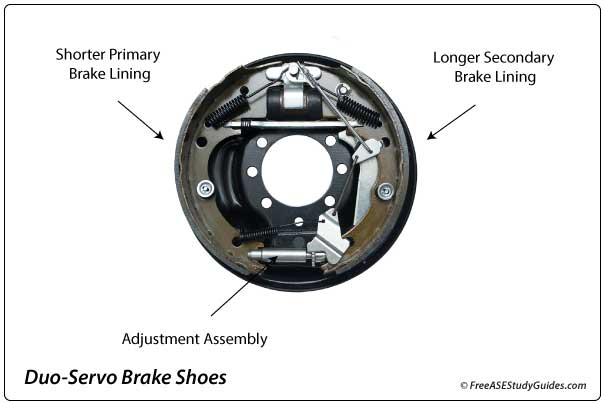
Rear rotors with integrated drum parking brakes are the worst offenders. The drum section traps water longer than the disc face.
Why Warm Brakes Squeal More After a Wash
Drive through a wash with hot brakes and the water flashes to steam. That steam accelerates oxidation. The rotor develops rust unevenly, and the pads glaze slightly from the sudden temperature drop.
Cool your brakes for a few minutes before entering a wash bay if you can. It's a small habit that heads off a lot of noise.
What Detailers Get Wrong
Some detail shops apply tire shine and spray wax near the caliper area. Silicone overspray migrates onto the rotor face or pad surface. That contamination creates a squeal that survives driving and only clears with brake cleaner and a re-bed.
Ask the shop to mask the brake area, or wipe the rotor faces down with brake cleaner after you get home.
When a Wet Squeak Is a Warning Sign
Not every squeak is harmless. A few specific patterns mean you should stop driving and get the car inspected.
Wear Indicators, Glazing, and Pad Imprint
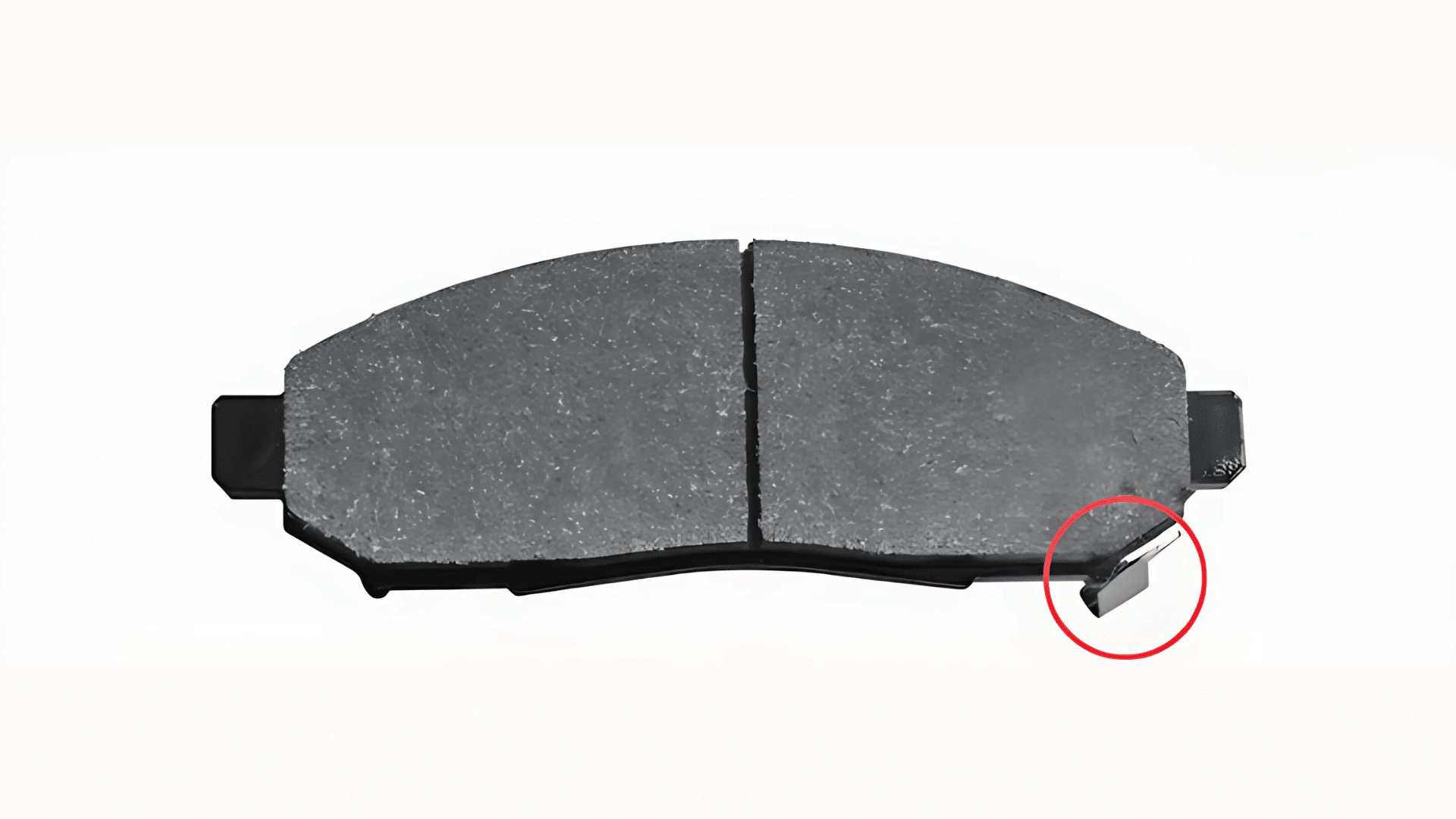
Image source: Web (Bing) / hitchesguide.com (Web image (fair-use with source credit))
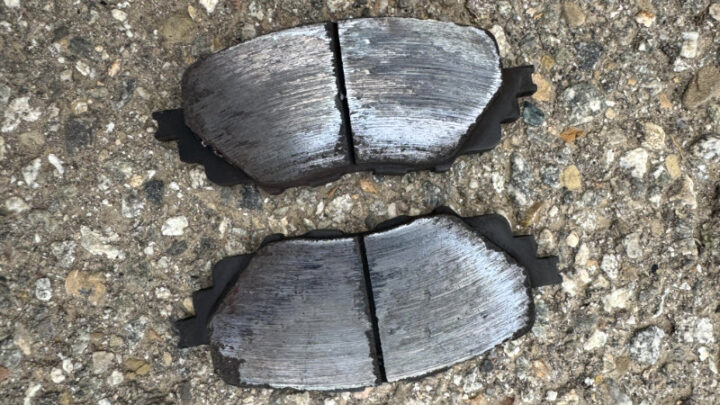
Most pads have a metal wear indicator tab. When friction material drops below roughly 2 to 3 mm, the tab contacts the rotor and squeals constantly. That squeal doesn't stop when the rotor dries.
If your noise started after a wash but won't quit, check pad thickness before assuming rust.
Glazing is the other hidden issue. Heat cycling turns the pad surface shiny and hard. Water then sits on top instead of soaking in, and the pad squeals on every application until it's scuffed or replaced.
Rotor Runout, Scoring, and Minimum Thickness
Rotor runout above 0.002 to 0.004 inches causes pad knock and noise. Score marks from trapped grit create a rough surface that squeals wet or dry. And minimum thickness, usually stamped on the rotor hat, tells you when the rotor has to go.
Measure thickness with a micrometer, not a tape measure. Anything under spec is unsafe and must be replaced, not machined.
Brake Dust, Copper-Free Pads, and Safety Rules
Brake dust contains copper and heavy metals. Never blow it out with compressed air. Wear nitrile gloves and a dust mask when servicing brakes.
As of 2026, copper-free pad formulations are standard in California and Washington under their brake friction material laws, and most major manufacturers have moved over nationally.
If the squeak comes with a soft or spongy pedal, brake fluid may be low or contaminated. Brake fluid absorbs moisture over time and needs flushing every 2 to 3 years. Persistent noise plus a soft pedal means the system needs a professional look.
When to Stop Driving
Stop driving and book a shop visit if the noise turns into a grind, the pedal feels different, the car pulls under braking, or the squeal persists for days regardless of weather. Those signs point to worn pads, a stuck caliper, or rotor damage.
Mistakes That Make Wet Brake Squeak Worse
Most wet-squeak problems get worse because of the fix, not the weather. Here are the ones we see repeatedly.
Spraying the Rotor With Water Repellent
Some drivers coat the rotor face with silicone spray thinking it'll prevent rust. Don't. That coating destroys the friction surface and turns a squeak into a serious stopping-distance problem.
Rotors need to rust slightly between drives. That's normal.
Reusing Old Shims and Hardware
New pads on corroded shims squeak immediately. The hardware kit exists to isolate vibration. Reusing the old clips and springs is a guaranteed recipe for noise, especially in wet weather.
Overgreasing the Slide Pins
More grease isn't better. Excess brake grease migrates onto the pad backing plate and rotor face. It also attracts grit, which turns into a grinding paste.
A thin, even film is all the pin needs.
Skipping the Bed-In After Pad Replacement
Fresh pads must be bedded. Without that heat cycle, pad material transfers unevenly to the rotor. The result is judder, squeal, and shortened pad life.
Follow the manufacturer's bedding procedure every time.
Ignoring the Rear Brakes
People focus on the front. Rear brakes squeal after washes just as often. Rear pads run cooler and wear slower, which means they often sit dry and rust-prone for longer.
Include the rears in every brake inspection.
Driving Through Deep Water on Purpose
Driving through puddles to "clean" the brakes forces water into the caliper boots and wheel bearings. It does nothing to remove rust. Normal braking already handles that job.
Using the Wrong Lubricant
Petroleum-based grease swells rubber boots and bushings. Copper anti-seize near ABS sensors can interfere with wheel-speed readings. Stick with silicone brake grease for slide pins and backing plate contact points.
Costs, Timelines, and When to Hand It to a Shop
Here's what the numbers actually look like, based on aggregate pricing and typical shop labor rates.
| Job | DIY Cost | Shop Cost | Time |
|---|---|---|---|
| Drive-off dry (surface rust) | $0 | $0 | 5 to 10 minutes |
| Caliper slide pin service | $10 to $20 (grease + cleaner) | $100 to $200 | 45 to 90 minutes |
| Front pad replacement | $60 to $150 (pads + hardware) | $250 to $450 | 1 to 2 hours |
| Front pads and rotors | $150 to $350 | $450 to $800 | 2 to 3 hours |
| Full axle pad and rotor job (both axles) | $300 to $600 | $800 to $1,500 | 3 to 5 hours |
| Brake fluid flush | $15 to $25 (fluid) | $100 to $200 | 45 to 60 minutes |
Prices vary by region and vehicle. European models and performance cars run higher due to specialty parts and tighter tolerances.
When DIY Makes Sense
If the squeak only shows after wet weather and clears on the drive home, do nothing. If it persists and the pads have plenty of life, clean and grease the slide pins yourself. That's a half-day job with basic hand tools.
If you're replacing pads, follow torque specs for caliper bolts and lug nuts. Use a torque wrench, not feel. Overtightening stretches bolts and creates uneven pad wear.
When to Book a Shop
Take it in if the noise changes character, if you don't have a torque wrench or jack stands, or if you're not comfortable bleeding brakes. Brake work is safety-critical. Getting it wrong costs more than paying a pro.
Score the rotors, seize a caliper, or overheat new pads during improper bedding, and you'll be back at the shop spending two to three times what a proper job costs. For anyone comparing engine maintenance intervals alongside brake service, our overview of how displacement affects engine behavior helps clarify the wider service schedule. And if you're buying a used car and want to verify the drivetrain before trusting its brake history, our guide on checking the block itself walks through the physical identifiers.
The 15-Minute Rule
Give any new squeak 15 minutes of normal driving before deciding anything. If it clears, you saved yourself a shop visit. If it stays, you've got real diagnostic data to bring to a mechanic.
FAQs About Squeaky Brakes After Rain or a Car Wash
How long does it take for wet brakes to stop squeaking?
Usually a few minutes of normal driving. Ten to fifteen moderate brake applications typically clear the flash rust film. If the noise survives two or three trips, the cause isn't surface moisture and needs inspection.
Can I drive with squeaky brakes after rain?
Yes, if it's just flash rust and the squeak fades. Don't keep driving if the noise turns into a grind, the pedal feels soft, or the car pulls under braking. Those point to worn pads or a seized caliper.
Why do my brakes only squeak after a car wash, not in the rain?
Tunnel washes use high-pressure spray that strips grease from caliper slide pins and forces water past the boots. Rain doesn't reach those areas under pressure. Dry pins squeal long after the rotor has dried, which is why the noise sticks around.
Do ceramic pads squeak less in wet weather than semi-metallic?
Yes, generally. Ceramic compounds absorb less moisture and tend to run quieter when wet. Semi-metallic pads grab harder and shed heat faster, but they're more prone to cold wet squeal.
Neither type is immune to flash rust on the rotor.
Is it normal for brakes to squeak after sitting overnight?
Yes, especially in humid or coastal climates. Dew condenses on the bare rotor face and forms a light rust film. It clears within the first few stops of the day.
Morning-only squeak that vanishes is nothing to worry about.
Should I spray my rotors with something to stop the rust?
No. Coating the rotor face with any spray destroys the friction surface and lengthens stopping distances. Rotors are meant to rust slightly between drives.
The pads clean them off in the first few stops.
Your Decision Guide: Fix It, Wait It Out, or Book a Diagnosis
Here's the shortest version of everything above, mapped to what you're hearing right now.
| What You Notice | Likely Cause | What to Do |
|---|---|---|
| Squeak fades within 10 to 15 stops | Flash rust | Drive it off, no action needed |
| Squeak only on cold mornings | Overnight dew rust | Ignore, clears with first stops |
| Squeak sticks around after drying | Dry slide pins or glazed pads | Service pins, inspect pads |
| Constant squeal regardless of weather | Wear indicator contact | Check pad thickness immediately |
| Grind, clunk, or pull under braking | Worn pads, loose hardware, seized caliper | Stop driving, book a shop |
| Squeak after every tunnel wash only | Stripped caliper grease | Clean and regrease pins |
| Soft or spongy pedal with noise | Low or contaminated brake fluid | Flush fluid, inspect system |
Start with the 15-minute rule. Drive normally after any wet event and give the brakes a fair chance to dry and clean up. Most squeaks resolve before you reach the end of the street.
If the noise survives the first few trips, move to the second row of the guide. Inspect pad thickness, then check the slide pins. Those two checks catch the majority of persistent wet-weather noise.
Move to the last rows the moment the sound changes. Grinding, pulling, or a soft pedal are not diagnostic puzzles. They're safety signals.
Park the car and get it looked at.
For most drivers, the whole answer comes down to this: wet rotors squeak, dry rotors don't. Give them a few stops to dry, listen to what happens next, and let the noise tell you whether to relax or reach for a wrench.
Similar Posts