Hissing Sound From Driver Footwell When Braking: Causes
A hissing sound from the driver footwell under braking is one of those noises you can't un-hear once you notice it. It usually points to a vacuum leak in the power brake system, and that's not something to shrug off. The hiss is air escaping where it shouldn't, and the component losing that air is often the very thing helping your foot stop the car.
In our research, the most common culprit is a brake booster check valve or a cracked vacuum hose, both cheap and quick to sort out. But a ruptured booster diaphragm sits on the same symptom list, and that one turns a gentle stop into a two-footed fight with the pedal. Manufacturer specifications typically call for 15 to 20 inches of mercury (inHg) of vacuum at the booster on a healthy gasoline engine, as of 2026.
So let's figure out which situation you're in.
What Causes a Hissing Sound From the Driver Footwell Under Braking
The hiss comes from a vacuum leak in the power brake system. A failed brake booster check valve, a cracked vacuum hose, or a ruptured booster diaphragm are the usual causes. Air escapes near the firewall, and you hear it inside the footwell.
A leaking master cylinder or firewall seal can also produce the noise.
Is That Hiss Dangerous or Just Annoying?
Straight answer: it depends entirely on what's leaking, and you shouldn't guess. Some hisses are a five-dollar hose. Others are a brake booster that's about to quit on you at 60 mph.
The noise itself sounds nearly identical either way, which is exactly why this topic deserves a proper look rather than a forum one-liner.
Here's the honest framing. Brakes are a safety system, and vacuum assist is what lets a normal human leg generate enough force to stop two tons of metal. Lose that assist and the car still stops, but the pedal goes rock hard and your stopping distance stretches dramatically.
That's the worst case, not the default case.
- If the hiss is constant and the pedal still feels normal, you may have a small vacuum line leak, often drivable to a shop at low speed but worth fixing fast.
- If the hiss only appears when you press the brake and the pedal feels hard, suspect the booster or check valve, and limit driving.
- If the pedal sinks, feels spongy, or the car pulls under braking, treat it as a brake failure and stop driving.
The single most useful thing you can do in the next five minutes is a pedal test. Pump the brake pedal a few times with the engine off until it goes firm. Hold pressure and start the engine.
A healthy booster lets the pedal sink slightly as vacuum assist kicks in. If it stays hard as a brick, the booster isn't getting vacuum, and that's your answer.
How Power Brakes Actually Work (And Why a Hiss Means Something's Escaping)
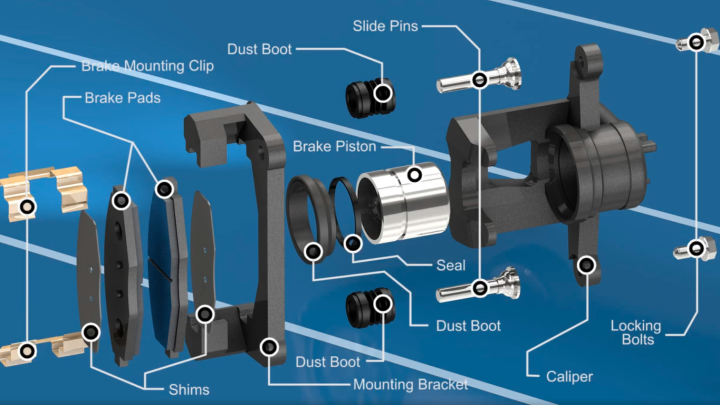
A brake booster is a big round canister mounted on the firewall, right in front of the driver. Inside it sits a rubber diaphragm that splits the can into two chambers. Engine vacuum pulls air out of the front chamber, and when you press the pedal, a valve lets atmospheric pressure into the back chamber.
That pressure difference does most of the pushing for you, multiplying your leg force roughly two to three times.
The vacuum itself comes from the intake manifold on a gasoline engine. A one-way check valve on the booster keeps that vacuum stored so you get a couple of assisted stops even if the engine dies. A rubber hose runs from the booster to the manifold, passing through a grommet in the firewall.
That grommet is on the driver's side, which is why a leak there sounds like it's coming from the footwell.
Now picture a leak anywhere in that chain. Air rushes through the gap, and rushing air makes noise. A small pinhole in a hose whistles.
A torn diaphragm hisses steadily. A stuck check valve can leak air backward into the booster. Every one of those sounds funnels through the firewall and lands right at your feet.
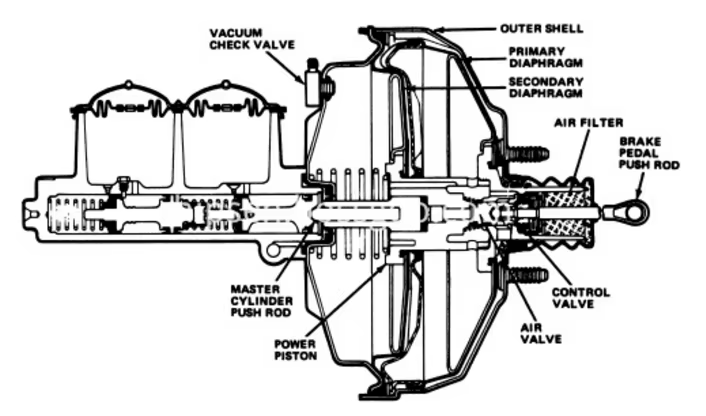
Image source: Web (Bing) / alibaba.com (Web image (fair-use with source credit))
Diesel engines and many modern hybrids don't make intake vacuum the same way, so they use a dedicated vacuum pump. If you drive a diesel truck or an EV with an electric pump, the diagnostic logic is the same but the parts list shifts. We'll get to those differences shortly.
One more thing worth knowing. A hiss when you release the pedal can be normal on some vehicles, because the booster vents air as it resets. A hiss while holding steady pressure is not normal.
Timing tells you a lot.
The Real Causes, Ranked From Harmless to Park It Now
Let's go from the cheapest, most likely fix down to the worst-case scenario. Most readers will land in the first two categories.
A Loose or Cracked Vacuum Hose
This is the most common cause we see reported, and the best news. The rubber hose from the booster to the intake manifold hardens with age and heat, then cracks at the ends or along a bend. Sometimes a clamp works loose and the hose just sits there leaking.
Symptoms lean toward a rough idle alongside the hiss, because that same vacuum leak affects how the engine runs. You might feel a slight surge or stumble at stoplights. A visual check plus a spray of soapy water usually confirms it in under a minute.
Replacement hose costs a few dollars, and this is often a genuine 15-minute driveway fix. If you're already poking around the engine bay, a decent meter helps you chase related electrical gremlins, and our guide to the best automotive meter options covers what to look for.
A Failed Check Valve on the Brake Booster
The check valve is a small plastic one-way valve pushed into the booster's front face, with the vacuum hose attached to it. Its job is simple: let vacuum in, keep it from escaping. When the internal seal fails, it can stick open or leak backward, and the booster loses its stored assist.
You'll notice a hard pedal on the first press after the car sits overnight.
The valve is cheap, usually under $20, and pulls straight out of its rubber grommet. There's a simple blow test to confirm it, which we'll walk through in the diagnosis section. This is one of the most misdiagnosed parts on the whole system, because people replace the entire booster when the valve was the problem all along.
A Ruptured Booster Diaphragm
This is the one to respect. The rubber diaphragm inside the booster eventually fatigues, especially on older vehicles in hot climates. When it tears, you get a steady hiss that's often loudest right at the pedal, and the assist degrades or vanishes entirely.
Signs that point here include a hiss that continues with the engine running and doesn't stop when you release the pedal. You may also hear a gurgling or whooshing noise. A failed diaphragm sometimes lets brake fluid get sucked into the booster, which ruins it further.
There's no safe roadside patch for this one. The booster has to come out, and that's a real job.
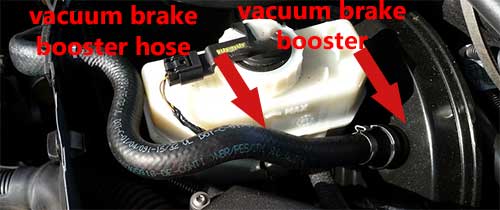
Image source: Web (Bing) / carphrases.com (Web image (fair-use with source credit))
A Leaking Booster-to-Firewall Seal
The booster mounts to the firewall through a large gasket, and the pushrod passes through a boot. Age hardens both. When the seal fails, engine bay air sneaks into the cabin, and you hear it as a hiss near your feet.
The pedal feel stays mostly fine because the leak is outside the vacuum chambers.
This cause is easy to overlook because the brake performance seems unaffected. Check the rubber boot where the pushrod enters the booster for cracks or a loose fit. Sometimes it just needs reseating rather than replacing.
Master Cylinder or Internal Booster Leak
A master cylinder that's leaking internally can push fluid past its seals, and in some failures fluid finds its way into the booster. That damages the diaphragm and produces both a hiss and a slow pedal drop. If your brake fluid level keeps falling with no visible puddle, this is a prime suspect.
Check the fluid reservoir for dark, contaminated fluid and look for moisture around the master cylinder base. This one needs professional attention, because the fix touches the hydraulic side of the system, not just the vacuum side.
The Hiss That Isn't Your Brakes At All
Not every footwell hiss is brake-related. Your climate control system uses engine vacuum to move blend doors and mode doors, and a leaking actuator or vacuum line under the dash sounds almost identical. The giveaway?
An HVAC hiss usually shows up when you change a setting or turn on the AC. A brake hiss follows the pedal.
If the noise tracks with your climate controls instead of your stopping, the brake system is likely innocent. On a related note, engine vacuum problems can stem from all sorts of intake-side issues, and understanding how your engine breathes helps here. Our rundown of how a naturally aspirated motor works explains the vacuum source itself.
How to Diagnose It Yourself in 15 Minutes
You don't need a shop to narrow this down. Grab a helper, a spray bottle of soapy water, and 15 minutes in a quiet spot. Work through these tests in order and note what you hear.
The Pedal Test: Engine Off vs. Engine Running
- With the engine off, pump the brake pedal five or six times. It should firm up and stay firm.
- Hold steady pressure on the pedal and start the engine.
- Watch for the pedal to sink slightly. That sink confirms the booster is receiving vacuum and working.
- If the pedal stays hard after the engine starts, the booster isn't getting vacuum. Suspect the hose, check valve, or diaphragm.
This test alone separates "vacuum problem" from "something else" in about 30 seconds.
The Check Valve Blow Test
- Find the check valve where the vacuum hose meets the booster.
- Pull the hose off and remove the valve from its grommet.
- Blow through the valve from the booster side. Air should not pass.
- Blow from the hose side. Air should flow freely.
If air passes both ways, or won't pass at all, the valve has failed. Replace it.
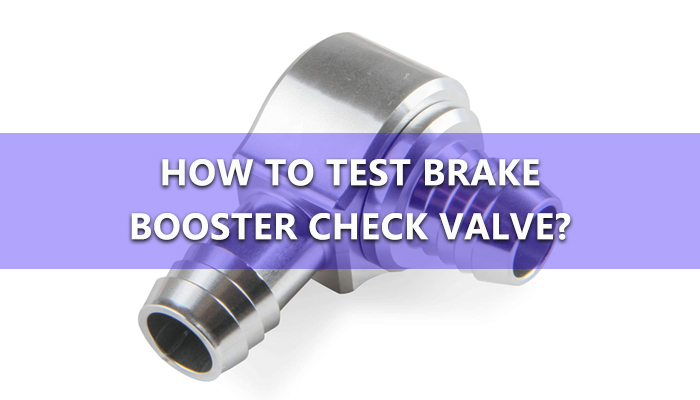
Image source: Bing (Web (fair-use with source credit))
The Soapy Water Spray Test
With the engine idling, spray soapy water along the vacuum hose, the check valve base, the hose clamps, and the booster-to-firewall joint. A leak will blow bubbles. Keep your face clear and work in a ventilated area, since you're near a running engine.
Reading the Results
| What You Find | What It Means | Next Step |
|---|---|---|
| Bubbles at the hose or clamp | Vacuum hose leak | Replace hose and clamps |
| Valve passes air both ways | Failed check valve | Swap the valve |
| Pedal stays hard, no bubbles | Possible diaphragm failure | Professional diagnosis |
| Hiss tracks with HVAC changes | Climate control leak | Check dash vacuum lines |
Per NHTSA guidance, any confirmed brake assist failure should be treated as a safety defect until repaired, and you can review their consumer safety resources at nhtsa.gov. If your tests point to a diaphragm or master cylinder issue, stop here and book a professional inspection.
The Symptoms That Change the Diagnosis
The same hiss can mean four different things, and the details tell you which. Read your symptoms like a checklist.
Constant Hiss vs. Braking-Only Hiss
A constant hiss that never quits points toward a diaphragm or a large leak. A hiss only under braking usually means the booster valve is opening and air is escaping through a small gap, often at the check valve or hose. Release-only hiss is frequently normal venting.
Hard Pedal vs. Spongy Pedal vs. Sinking Pedal
A rock-hard pedal means no vacuum assist. A spongy pedal points at air in the hydraulic system, meaning a bleed is due. A pedal that slowly sinks to the floor under steady pressure is a classic master cylinder failure, and that's a stop-driving symptom.
If you want to rule out electrical faults while you're at it, a simple meter does the job, and these budget-friendly electrical testing tools are plenty for most home diagnostics.
Hiss From Inside the Cabin vs. Under the Hood
Cabin-side hiss suggests the firewall seal, the pushrod boot, or an HVAC line. A hood-side hiss is more likely the booster body, check valve, or manifold hose. Cup your hand around suspect areas to localize the sound.
Just keep clear of moving belts and hot surfaces.
Gasoline, Diesel, Hybrid, and EV Differences
Gasoline engines pull vacuum from the intake manifold, so a leak also affects idle quality. Diesel engines and many hybrids use a belt-driven or electric vacuum pump, and the pump itself can fail or leak. Some heavy trucks use hydro-boost instead, which runs off power steering pressure rather than vacuum.
If your vehicle has that setup, a hiss could point to a hydraulic issue, and the whole diagnostic path changes.
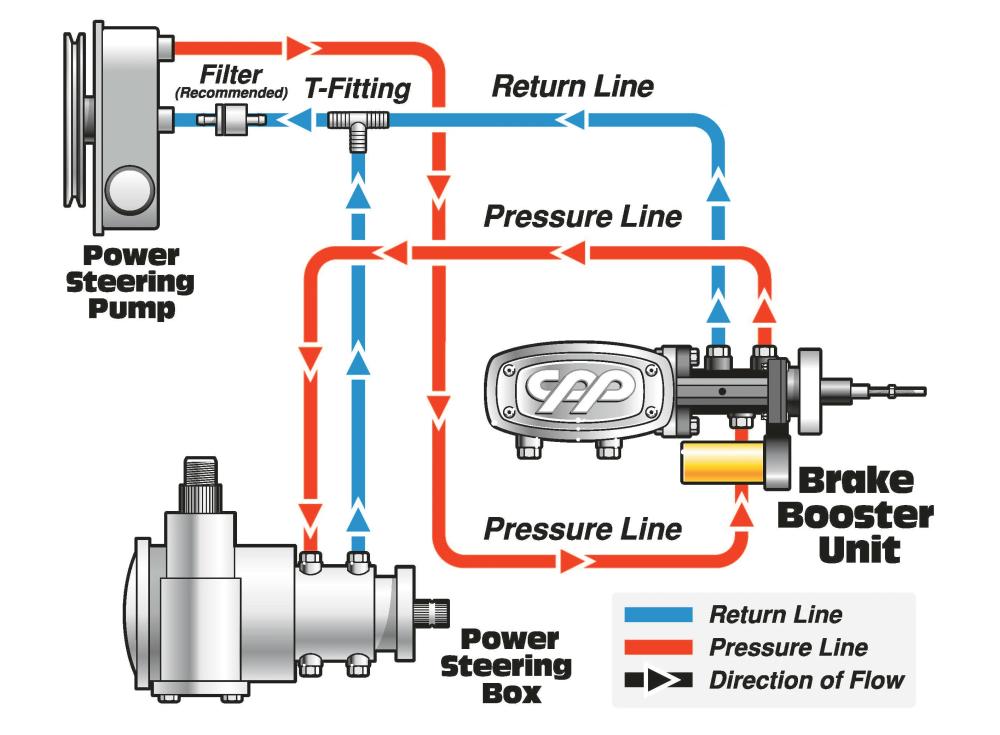
Image source: Web (Bing) / fity.club (Web image (fair-use with source credit))
Boosted engines add another wrinkle, since intake pressure behavior differs from a plain motor. Our comparison of turbocharging and natural aspiration is a useful primer if you're sorting out how your engine produces vacuum in the first place.

Similar Posts