Why Humidity Causes Morning Brake Noise
Your brakes squeal on the first stop of the morning, then go quiet. That's the classic fingerprint of overnight oxidation, and understanding how moisture and humidity cause morning brake surface rust noise starts with one fact: bare cast iron rusts fast when damp air sits on it. Your rotors are bare cast iron.
They cool down overnight, moisture condenses on the friction face, and by morning there's a thin film of iron oxide waiting to be scraped off.
The good news is that flash rust is cosmetic, and it usually clears in a handful of stops. The bad news is that identical noise can come from a stuck caliper or a pad worn to metal. FMVSS 135 sets the federal braking performance floor for light vehicles, and the National Highway Traffic Safety Administration is blunt about it: brakes are not a system to guess at.
Let's separate the harmless rust burn-off from the noise that means stop driving.
How Moisture and Humidity Cause Morning Brake Surface Rust Noise
Moisture and humidity cause morning brake surface rust noise by condensing on bare cast iron rotors overnight, forming a thin iron oxide film. The first few brake applications scrape that film off, which produces a light squeal or scrape. The noise fades once the rust clears.
If it doesn't fade, the cause is mechanical, not humidity.
Why That First-Stop Brake Squeal Is Usually Harmless — But Sometimes Isn't
Here's the honest split. Almost every driver in a humid climate hears brake noise on the first application of the day, and almost all of it is flash rust. The friction face oxidizes while the car sits, the pads scrub the film off, and by the third or fourth stop you'd never know it happened.
Manufacturer service documentation treats this as normal behavior, not a defect.
The stakes come from the exception. Persistent grinding, a scrape that never fades, or a low rumble under braking points at something else entirely. A seized caliper piston, a pad down to its backing plate, or a rotor pitted deep enough that the pads can't polish it clean all produce noises that sound similar on that first cold stop.
So the practical rule is this: if the noise clears, you're fine. If it doesn't, you've got a problem worth money.
What does flash rust on a rotor actually look like?
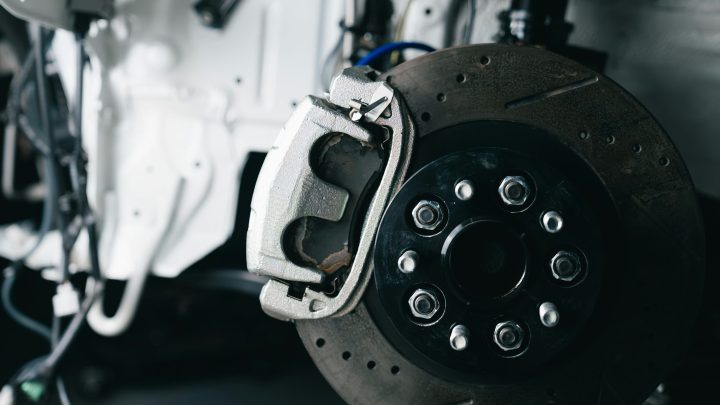
Flash rust is a thin, matte orange-brown film across the friction face, usually even and faint. You'll see it strongest after a damp night, a wash, or a rainy drive followed by parking. If the rust looks patchy, raised, or flaky, that's a different story and worth a closer inspection.
The one check to do before you leave the driveway
Start the car. Drive slowly. Apply the brakes gently from about 10 mph, three or four times.
If the noise drops each time and disappears by the fifth application, you're dealing with surface rust and nothing more.
If the sound stays the same, gets louder, or comes with a pull to one side, park it and investigate.
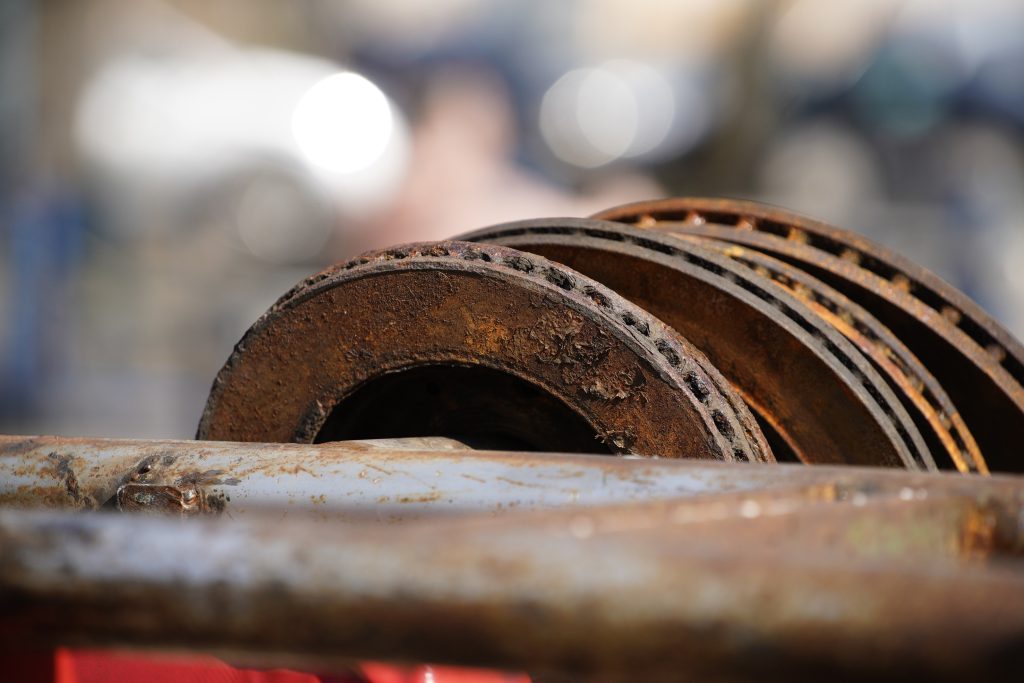
Image source: Web (Bing) / motorbiscuit.com (Web image (fair-use with source credit))
How Overnight Humidity Turns Cast Iron Rotors Rusty
Cast iron is roughly 90 percent iron, and iron loves oxygen. Give it moisture and a few hours, and you get iron oxide. The friction face of a rotor is the perfect victim: bare metal, no paint, no coating, and a huge surface area exposed to the air.
What surprises people is that rain isn't the main driver. Humidity is. On a clear night, the rotor radiates heat into the sky and cools below the ambient air temperature.
Once the metal drops under the dew point, water vapor in the air condenses straight onto it. That's the same mechanism that fogs up a cold glass of water, just slower and thinner.
Why vented rotors hold moisture longer
Vented rotors have internal vanes between the two friction faces. Those vanes pull air through for cooling while you drive, but they also trap damp air when the car sits. Solid rotors on lighter vehicles dry faster.
Large vented rotors on heavier cars and performance models can carry moisture in the vane channels well into the next morning.
Coastal air and road salt make everything worse. Salt is hygroscopic, meaning it pulls moisture out of the air and holds it against the metal. A car parked near the sea or driven on treated winter roads will rust faster than the same car in a dry inland garage.
How fast does flash rust form?
In our review of corrosion literature and OEM service guidance, the answer ranges from roughly one hour in high humidity to overnight in most temperate climates. Above 80 percent relative humidity, condensation on a cooling rotor is nearly guaranteed. Below 40 percent, a car left outside may not rust at all.
That's why the same car produces morning noise in November and stays silent in July.
What Morning Brake Noise Is Actually Telling You
Different noises mean different things. Learning to sort them is the fastest way to avoid an unnecessary brake job, and the fastest way to catch a real fault early. Here's how to read what you're hearing.
The Harmless Sounds
- Light squeal or squeak that fades within a few stops. That's the pad scrubbing rust off the friction face.
- A single groan on the first brake application after a damp night. Normal, especially on semi-metallic pads.
- A faint scrape at very low speed that disappears once the brakes warm up.
All three fall under flash-rust behavior. Drive normally and they clear.
The Sounds That Mean Trouble
- Low grinding that doesn't go away after ten stops. That's metal on metal, meaning the friction material is gone and the backing plate is chewing the rotor.
- A metallic scrape that follows wheel speed, not brake pressure. Something is dragging, possibly a stuck caliper or a stone trapped in the shield.
- Rumble or judder through the pedal when braking. Warped or unevenly corroded rotors produce this.
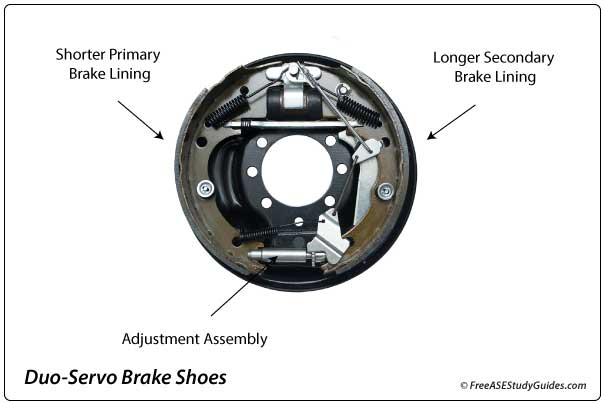
- A loud bang when you release the parking brake. The drum-in-hat shoes have rusted to the drum surface.
- An ABS or traction control light after a wet night. Rust on the tone ring can confuse the wheel speed sensor.
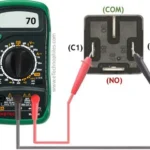
If you're chasing an electrical fault at the same time, a decent meter helps; our guide to the right diagnostic tool for car electrics covers what to look for. But don't let a warning light distract you from the physical inspection.
Why does my brake noise change with the weather?
Humidity and dew point drive how much rust forms overnight. Higher humidity means more condensation, which means more oxide, which means a louder first stop. Cold damp mornings in fall and spring produce the worst noise.
Dry summer nights often produce none at all.
Is It Surface Rust or Real Corrosion? A Decision Guide
This is where most people go wrong. They hear a grind, assume the worst, and book a full brake job. Or they hear a squeal, assume it's fine, and drive on a seized caliper for a month.
Use the checks below to sort it out before you spend anything.
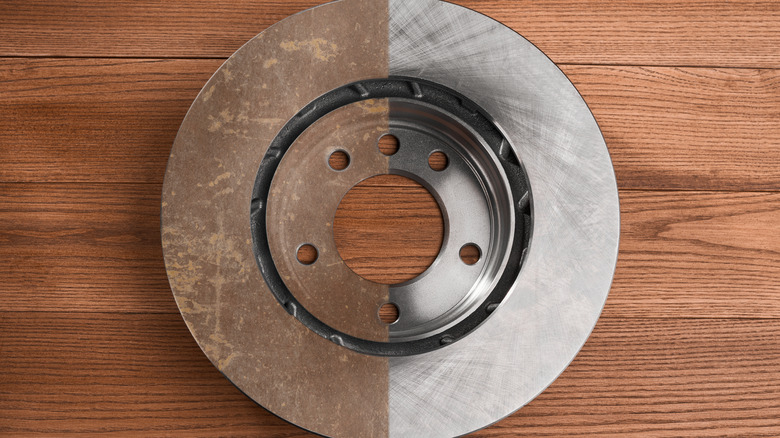
Image source: Web (Bing) / slashgear.com (Web image (fair-use with source credit))
The drive-and-listen test
Do this on a quiet road with light traffic. It takes two minutes.
- Start the car and drive at low speed, around 10 to 15 mph.
- Apply the brakes gently. Listen and note the sound.
- Repeat four to six times, allowing a short gap between stops.
- Note whether the noise fades, stays constant, or changes pitch.
If the noise fades to silence, you have surface rust. Nothing needs replacing. If it stays, move to the visual check.
The visual check
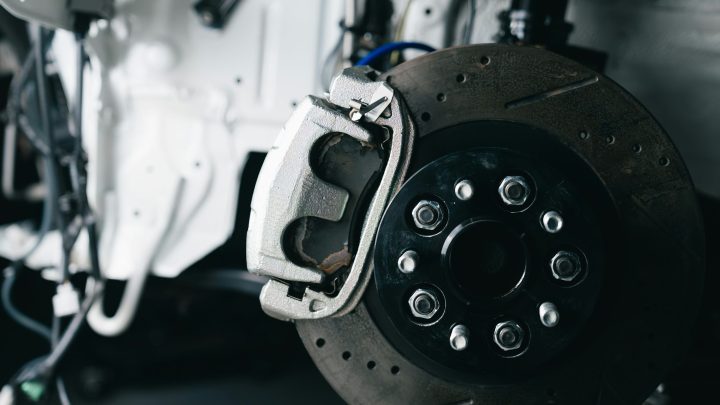
Park, chock the wheels, and look through the wheel spokes at the rotor face. You're looking for three things.
- Even, faint orange film: flash rust, no action needed.
- Patchy rust with visible pits or flaking: the rotor surface is degrading.
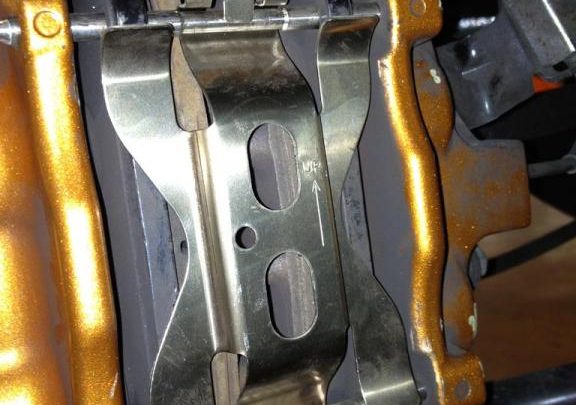
- One rotor rusty while the other side is clean: that's a caliper or slide-pin problem.
That last one matters. Humidity treats both sides of the car equally, so asymmetric rust is almost always mechanical. A caliper that isn't retracting holds the pad against the rotor, which keeps that face damp and prevents it from drying.
When the answer is "replace, not resurface"
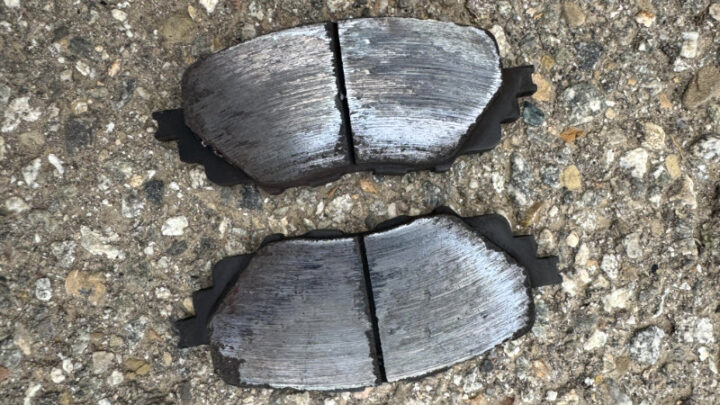
If pitting is deep enough to catch a fingernail, resurfacing won't save the rotor. Machining removes material, and every rotor has a minimum thickness stamped on the hat. Once you're near that number, there's nothing left to cut.
EVs and hybrids rust faster
Regenerative braking means the friction brakes do far less work in normal driving. Less work means less heat, and less heat means the rotor never dries out properly. Owners of hybrids and EVs in humid climates report rust-driven noise more often than owners of conventional cars.
If that's your situation, plan a deliberate hard stop every week or so.
What Causes Rust to Come Back — and Get Worse Over Time
Surface rust that clears each morning is annoying but harmless. Corrosion that keeps returning after a brake service is a symptom of something the service didn't fix. Here's what to look at.
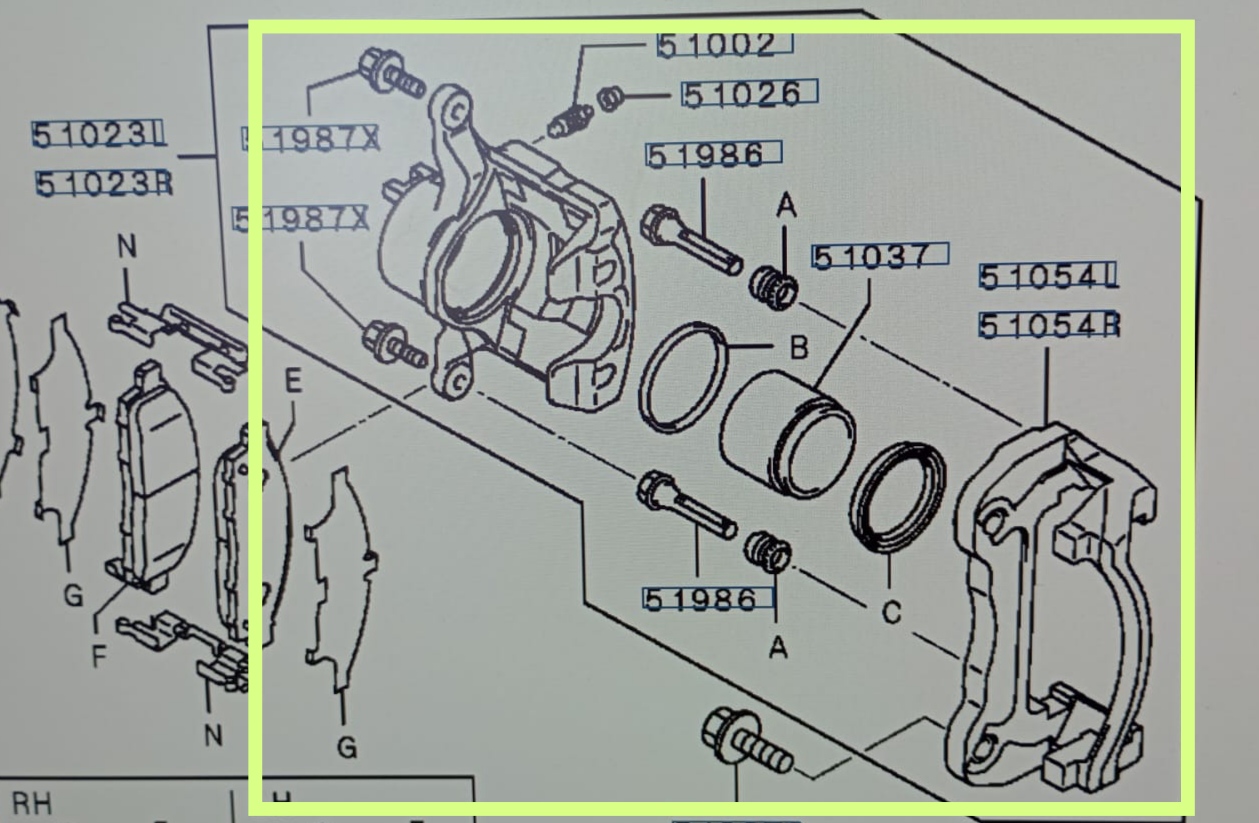
Image source: Bing (Web (fair-use with source credit))
Stuck slide pins and seized pistons
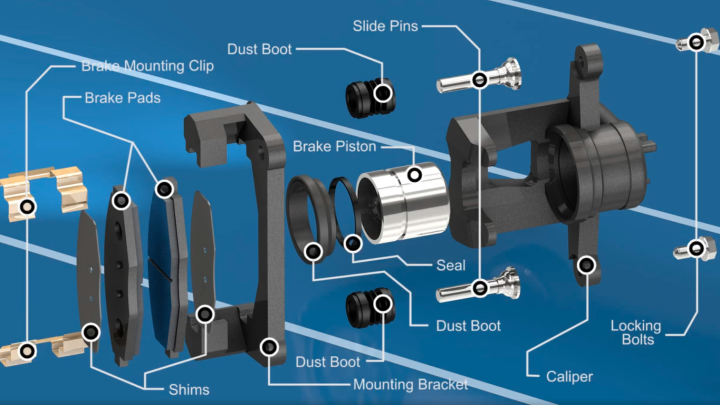
Floating calipers slide on greased pins. When those pins dry out or corrode, the caliper can't center itself, so one pad drags. That drag keeps the rotor warm and damp at the same time, and the rust comes back within days.
Seized pistons do the same thing from the inside.
Pad delamination
Corrosion can creep between the friction material and the steel backing plate. When that bond fails, the friction material can separate under braking. It's rare, but it's a genuine safety failure, and it's more common in cars that sit for long periods in damp conditions.
Glazed pads
Light braking on a damp surface polishes the pad instead of scrubbing it. The result is a glassy layer that squeals constantly, not just in the morning. Fixing it means re-bedding the pads or replacing them.
Long idle periods
A car that sits for weeks accumulates far more than overnight rust. Rotors can pit deeply enough to require replacement, and parking brake shoes can weld themselves to the drum. Weekend cars, trailers, and RVs are the usual victims.
Tone ring rust
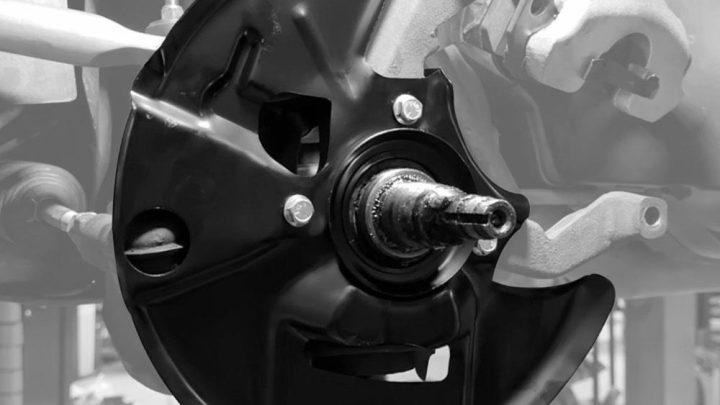
The ABS tone ring is a toothed steel ring on the hub. Rust buildup changes the air gap the sensor reads, which can trigger a false fault. A basic meter can confirm sensor continuity if you're diagnosing it yourself, and our roundup of the best affordable testing meters covers the budget options.
That's a diagnostic aid, not a fix, though. The ring itself needs cleaning or replacing.
Frequently Asked Questions
Does surface rust on rotors mean I need new brakes?
No, in most cases. A thin, even film of flash rust is cosmetic and clears within a few brake applications. You only need new rotors when the surface is pitted deeply, flaking, or below minimum thickness.
Check the stamped spec on the rotor hat before assuming replacement.
Why do my brakes only squeal in the morning?
Because the noise comes from overnight oxidation, not from a worn component. Moisture condenses on the cool rotor as it sits, and the first few stops scrub the film away. Once the friction face is clean, the squeal stops.
A worn pad would squeal all day.
Can humidity alone rust my rotors overnight?
Yes. Rain isn't required. When the rotor cools below the dew point, water vapor in the air condenses onto the bare cast iron.
Above roughly 80 percent relative humidity, that happens most nights. Coastal and tropical climates see it almost year-round.
Do EVs get rusty brakes faster?
They can. Regenerative braking handles most deceleration, so the friction brakes stay cool and rarely dry out. Rust builds faster and lingers longer.
A deliberate firm stop once a week, done safely, helps keep the friction face clean.
Is it safe to drive with grinding brakes?
No. Grinding that doesn't fade after a few stops usually means metal on metal. You're damaging the rotor with every application and extending stopping distances.
Get it inspected before driving further. Persistent grinding is a hard stop, not a wait-and-see.
How do I stop my rotors rusting every night?
Park in a garage or under a cover where possible. A dehumidifier in an enclosed garage helps a lot. Mostly, though, accept that some flash rust is normal and keep the brakes working regularly.
Cars that get driven properly rust less than cars that sit.
How to Check Your Brakes Safely in 10 Minutes
You don't need a lift to catch the obvious problems. A slow drive and a careful look through the wheel spokes will tell you most of what you need. What you can't do is skip the safety basics.
What tools do you actually need?
For the drive test, nothing. For a visual check, a flashlight and a tire pressure gauge are enough. For anything deeper, you need a torque wrench, a jack and stands, and a micrometer or caliper for rotor thickness.
The drive-and-listen test, step by step
- Find a quiet road with light traffic and no pedestrians nearby.
- Accelerate gently to 10 to 15 mph.
- Apply the brakes smoothly and listen.
- Release, drive on, and repeat five or six times.
- Note whether the noise fades, holds steady, or changes.
Fading equals flash rust. Holding steady means investigate. Changing pitch under light load often points at a glazed pad.
If it persists, do the cold visual inspection
Chock the wheels and look through the spokes. Check the friction face for an even film versus patchy pitting. Compare left and right rotors side by side.
Look at the pad thickness through the caliper window, not just the outer pad.
Then check the rotor edge for a raised lip. A pronounced lip means the rotor has worn down and is worth measuring against its stamped minimum.
When should you stop and hand it over?
Stop immediately if you see fluid at the caliper, a cracked hose, or a pad down to the backing plate. Stop if the pedal feels soft or sinks. Those are not DIY checks, and no amount of cleaning fixes a hydraulic fault.
Per NHTSA guidance, any brake concern that affects stopping distance or vehicle control belongs with a qualified technician. Guessing at brakes is how people end up in the back of the car in front.
Fixing It: From "It Clears Itself" to "Replace the Rotor"
Most morning rust needs no repair at all. The brake pads and normal driving do the work. The rest of the time, you're matching the fix to the fault.
Here's the ladder, cheapest first.
Image source: Web (Bing) / yumpu.com (Web image (fair-use with source credit))
Step 1: Re-bed the pads
Bedding (also called burnishing) lays a fresh transfer layer of friction material onto the rotor face. Manufacturer service procedures typically call for five to ten moderate-to-hard stops from around 50 mph, with cooling gaps between them. Do it on an empty road.
Don't hold the pedal at a standstill afterward, because hot pads can imprint on the rotor.
Step 2: Clean and relube the caliper
If one side rusts while the other stays clean, the caliper is dragging. Remove it, clean the slide pins, and relube with high-temperature silicone brake grease. Check that the piston retracts smoothly.
A piston that won't push back is a caliper replacement, not a cleaning job.
Step 3: Resurface or replace the rotor
Resurfacing only works if there's material left above the minimum thickness. On-car lathes cut both faces true, but they remove metal. Once you're close to the stamped minimum, replacement is the only correct call.
Coated rotors cost more upfront and resist edge and hat corrosion longer, which matters in coastal and salt-belt climates.
Step 4: Service the parking brake
A bang on release means the drum-in-hat shoes have bonded to the drum. Clean the drum surface, check the shoe lining, and adjust the mechanism. Electronic parking brakes need a service mode to retract the caliper, so check the procedure before you start.
Step 5: Check the brake fluid
DOT 3, 4, and 5.1 fluid is hygroscopic, meaning it absorbs moisture from the air over time. Above roughly 3 percent water by volume, the boiling point drops and pedal feel suffers. Most manufacturers specify a flush every two to three years regardless of mileage.
A moisture tester takes seconds and costs less than a tank of fuel.
Preventing Morning Brake Rust Before It Starts
You can't stop physics, but you can slow it down. These habits cut overnight condensation and keep the friction face dry.
- Park in a garage or carport where dew settles less.
- Run a dehumidifier in an enclosed garage during humid months.
- Avoid parking immediately after a wash. Take a short drive and use the brakes to dry them.
- Give a stored car airflow rather than a tight tarp, which traps moisture.
- Drive the car regularly. Short idle periods are the biggest single cause of heavy corrosion.
- Do a deliberate firm stop once a week, especially in hybrids and EVs.
What should you never put on a rotor?
Never apply oil, grease, anti-seize, or rust converter to a friction surface. That's not a fix, it's a loss of braking. Anti-seize belongs on hub faces and caliper abutment points, nowhere near the pad contact area.
Brake cleaner is the only thing that should touch the friction face.
How should you store a car for months?
Clean and dry the brakes first. Park on a dry surface, not damp grass or bare soil. Leave the parking brake off and chock the wheels instead, which prevents the shoes from bonding to the drum.
Expect some rust anyway, and plan a gentle re-bedding drive when you bring it back out.
Parts, Specs, and What It Costs
Prices vary by vehicle, but the shape of the bill doesn't. Here's what the numbers look like as of 2026, based on typical independent shop rates.
| Job | Typical parts cost | Typical labor | Notes |
|---|---|---|---|
| Inspection only | $0 | $50 to $100 | Often free with a service |
| Rotor resurfacing (pair) | $0 | $80 to $160 | Only above minimum thickness |
| Pads and rotors, one axle | $150 to $400 | $150 to $300 | Coated rotors sit at the top |
| Caliper replacement (one) | $80 to $200 | $100 to $200 | Plus fluid bleed |
| Brake fluid flush | $10 to $25 | $80 to $150 | Every 2 to 3 years |
What specs should you check before buying parts?
Check three numbers. The rotor minimum thickness is stamped on the hat. Pad friction material has a service floor around 3 mm.
The brake fluid spec (DOT 3, 4, or 5.1) is in the owner's manual, and mixing them is a mistake.
Is the cheapest rotor a false economy?
Often, yes. Budget rotors with thin corrosion protection rust at the edges and hat first, and that corrosion is what causes pad drag and noise later. Coated rotors cost maybe 20 to 30 percent more and last noticeably longer in wet climates.
In dry regions, the gap narrows.
When to Stop Guessing and See a Brake Specialist
Get it looked at if the noise survives ten stops. That's the single clearest signal that this isn't humidity. Everything below is a variation on the same advice.
- Grinding that continues after the brakes warm up.
- A pull to one side under braking, which points at a dragging caliper.
- Pedal pulsation, which usually means uneven rotor thickness or runout.
- A soft or sinking pedal, which suggests air or fluid loss.
- Any warning light that stays on after a dry drive.
- Visible fluid at a caliper, hose, or master cylinder.
What will a shop actually check?
A proper brake inspection measures pad thickness at all four corners, rotor thickness against spec, and rotor runout. It checks caliper operation, hose condition, and fluid moisture. It also looks at the parking brake mechanism.
Ask for the measured numbers, not just a verdict.
Does this affect inspection or compliance?
In most US states with safety inspections, brakes below specification fail. FMVSS 135 sets the federal performance baseline for new light vehicles, and DOT specifies brake fluid grades under FMVSS 116. A corroded, dragging caliper can fail a roadworthiness check even if the pads still have material left.
Real Scenarios: Three Drivers, Three Outcomes
Three drivers hear brake noise on the same damp morning. Same humidity, same flash rust, three different outcomes. Their stories show how the decisions above play out in practice.
The commuter in a coastal city
This driver parks outside, twenty metres from the sea, and hears a squeal every morning from October to March. The noise fades by the end of the street. Nothing is repaired, nothing needs to be.
The lesson: recurring noise isn't automatically a fault. Clearing behavior is the whole diagnosis.
The hybrid owner with one rusty rotor
This driver's car sits for five days at a time, and regenerative braking means the friction brakes barely warm up. One front rotor rusts heavily while the other three stay clean. That asymmetry is the tell: a dragging caliper, not the weather.
Cleaning and relubing the slide pins fixes it. Left alone, it burns through a pad unevenly and scores the rotor.
The stored weekend car
Twelve weeks parked on a damp driveway, and the brakes bang on release. The differential diagnosis here matters. A stuck parking brake shoe cleans up.
A deeply pitted rotor that survived the sit does not, and a light skim won't rescue it. This is the case where storage practice, not the morning commute, drives the whole repair bill.
What separates the three?
Duration and symmetry. Noise that clears in five stops is weather. Noise that persists, or hits one wheel only, is mechanical.
Storage length compounds both.
Maintenance and Long-Term Brake Health
Prevention beats repair every time with brakes, and the routine is short. These habits keep the friction face dry, clean, and working, which is the whole game.
The weekly routine
Drive the car. Use the brakes properly at least once a week, with a firm stop from moderate speed where it's safe. This heats the rotor, dries the friction face, and scrubs light oxidation before it has time to pit.
Cars that get driven rust less. That's the whole story.
The seasonal check
Before winter, inspect pad thickness and slide-pin condition. After winter, look for salt-driven edge corrosion and check the fluid moisture. The change of season is also the natural time to verify every lug is torqued to spec, because salt-belt winters punish fasteners too.
The annual service item nobody does
Test the brake fluid. It's hygroscopic, and absorbed moisture raises its boiling point and invites internal corrosion. Most manufacturers specify a flush every two to three years, regardless of mileage.
It's cheap, and it's one of the few brake jobs that genuinely prevents rather than repairs.
When to replace versus maintain
Replace when the numbers say so: rotor below minimum thickness, pad at the service floor, piston that won't retract. Maintain when the numbers still pass. That rule holds whatever the morning noise sounds like.
A noise can prompt a check, but it never overrides a measurement.
If all four rotors are heavily rusted and the car has sat a long time, be honest about the odds. Deep pitting rarely polishes out. Plan for replacement, not a free fix.
The through-line is simple. Moisture will always condense on cold cast iron, and surface rust noise is the cost of driving in humid air. Drying, driving, and regular inspection keep it from becoming anything worse.
When a noise outlasts a short drive, trust the measurement, not the calendar.
Similar Posts