Why Glazed Brake Pads Cause Loud High-Pitched Squeal
Brake squeal is one of those sounds that gets under your skin fast. You press the pedal, the car stops fine, but that sharp noise tells you something in the friction system has changed. So why do glazed brake pads make a loud high pitched squeal?
The short version: the pad surface has been baked into a hard, glassy layer that vibrates against the rotor at a frequency your ear picks up as a squeal.
Glazing is common, and it isn't always a death sentence for your pads. But it does point to heat, drag, or bedding-in problems you'll want to sort out. A 2023 SAE International review of friction-induced brake noise notes that squeal is a vibration problem first and a materials problem second, which is why fixing it means understanding both.
Here's how glazing actually works, how to tell it apart from other brake noises, and what to do about it.
Why Glazed Brake Pads Make a Loud High Pitched Squeal
Glazed brake pads squeal because the friction surface has turned glassy and hard. That hard layer grips and slips in rapid cycles. The stick-slip vibration hits thousands of cycles per second.
Your ear hears it as a high-pitched squeal.
What Glazing Actually Is, and Why It Squeals

Image source: Web (Bing) / manuals.plus (Web image (fair-use with source credit))
Glazing is what happens when the top layer of friction material gets cooked past its designed operating temperature. Semi-metallic, ceramic, and organic pads all contain a mix of metals, resins, ceramics, and binders. When those resins overheat, they break down and re-form into a hard, vitrified film on the pad face.
It looks shiny. It feels slick. It doesn't grab the way fresh friction material does.
That shiny film is the whole problem. Brake pads are designed to work through controlled friction, where a thin transfer layer of pad material sits on the rotor and lets both surfaces mesh together. When the pad face glazes, that transfer layer stops forming properly.
The pad then slides across the rotor instead of gripping it, and the friction turns into vibration. The vibration gets amplified by the caliper, the shims, and the rotor itself, and you get the classic squeal.
Why Glazed Pads Specifically Squeal and Not Grind
Grinding is usually metal-on-metal contact. You hear it when the friction material is gone and the backing plate is scoring the rotor. Squealing is different.
It's the sound of vibration, not destruction.
Brake squeal from glazing typically lands in the 1 kHz to 16 kHz range. That's right in the most sensitive part of human hearing, which is why glazed pads seem to cut through everything. The exact frequency depends on pad mass, caliper stiffness, rotor geometry, and where the pad sits relative to the piston.
What Glazing Does to Friction Coefficient
Friction coefficient is a number that describes how much grip a pad has against the rotor. A healthy semi-metallic pad usually runs somewhere between 0.35 and 0.45. Once it glazes, that number can drop into the 0.20 to 0.30 range.
Lower friction coefficient means longer stopping distances and more pedal effort. It also means the pad temperature balance shifts, which can make glazing worse on the next hard stop. It's a loop, and it's why glazed pads tend to stay glazed until you intervene.
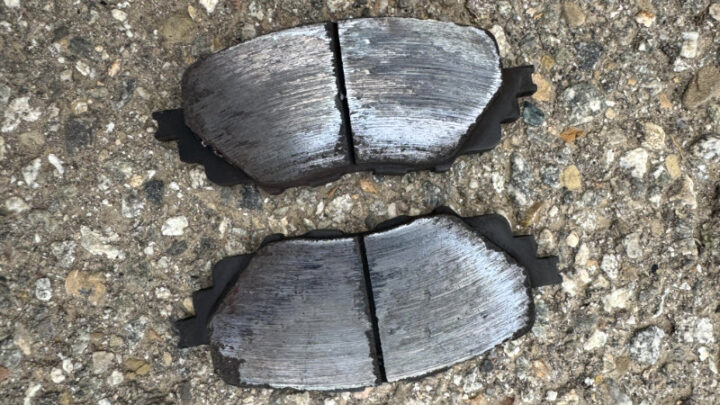
Image source: Bing (Web (fair-use with source credit))
Why This Isn't Just an Annoying Noise
The squeal is a symptom, not the problem. The real issue is heat management in your braking system, and what that heat is doing to friction material, rotors, and calipers over time. Ignore the squeal long enough and you start paying for it in other places.
The Heat Cycle That Keeps Making It Worse
Every time you brake hard, the pad surface heats up. On a healthy pad, heat dissipates through the rotor and caliper, and the friction material recovers. On a glazed pad, that heat has nowhere useful to go.
The glazed layer insulates the friction material underneath, trapping more heat at the surface.
That trapped heat keeps the resin layer baking. Each brake application reinforces the glaze. Over hundreds of miles, the pad's effective friction surface gets thinner and less grippy, and the temperature spikes get bigger.
Rotor Damage That Follows Glazing
Glazed pads don't just hurt themselves. They hurt rotors. The uneven transfer layer left behind creates hot spots on the rotor face.
Those hot spots become cemented carbide deposits, which are harder than the rotor iron itself. That's where disc thickness variation, often shortened to DTV, starts.
DTV is what causes pedal pulsation and judder later on. Manufacturer specs for many passenger cars put the DTV limit around 0.015 mm (0.0006 inch). Once a rotor crosses that, resurfacing or replacement is the only fix.
So what started as a squealing pad becomes a rotor job, and the bill roughly triples.
Braking Performance You Lose Without Noticing
Glazed pads don't fail dramatically. They fade in slowly. You might notice longer stopping distances in the wet or a mushy pedal after a hard stop.
In an emergency stop, that extra 10 to 15 feet of stopping distance can matter.
NHTSA crash data consistently shows that degraded brake performance is a contributing factor in a meaningful share of rear-end collisions. The point isn't to scare you. It's to explain why "just a squeal" is worth taking seriously.
When the Squeal Is a Safety Signal
Some squeals are harmless. Wear indicator tabs, which are small metal clips on the pad edge, squeal by design when pads get thin. Dust buildup can squeal too, especially at low speeds.
But if you've got a persistent metallic screech paired with longer stops, pedal pulsation, or a hot brake smell, stop driving and get it looked at.
The Real Reasons Pads Glaze in the First Place
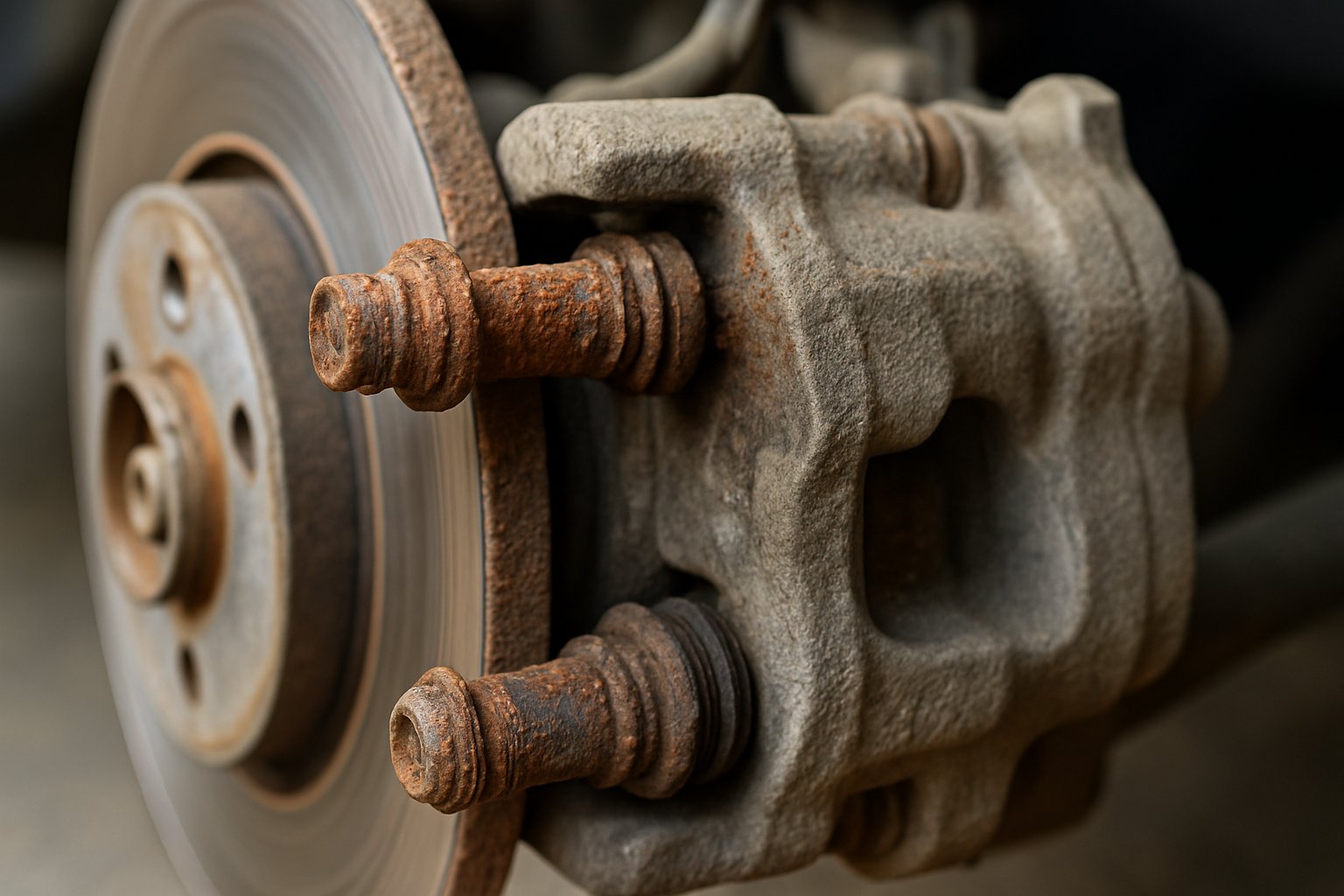
Image source: Web (Bing) / brakepadboss.com (Web image (fair-use with source credit))
Glazing almost never happens for no reason. It's a symptom of how the brakes are being used, how they were installed, or how the caliper is behaving. Understanding the cause matters, because if you just swap pads without fixing it, the new set glazes in a few thousand miles too.
Heat, Riding the Brakes, and Stop-and-Go Traffic
The number one cause is sustained heat. Long descents where you ride the brake instead of engine braking, heavy towing without trailer brakes, and stop-and-go city traffic all push pad temperatures up. Add a low-quality pad with a narrow temperature range and glazing happens fast.
Performance driving and track days are the extreme version. Pads rated for street use will glaze within a lap or two at track temperatures. That's why track pads exist as a separate product category with much higher thermal ceilings.
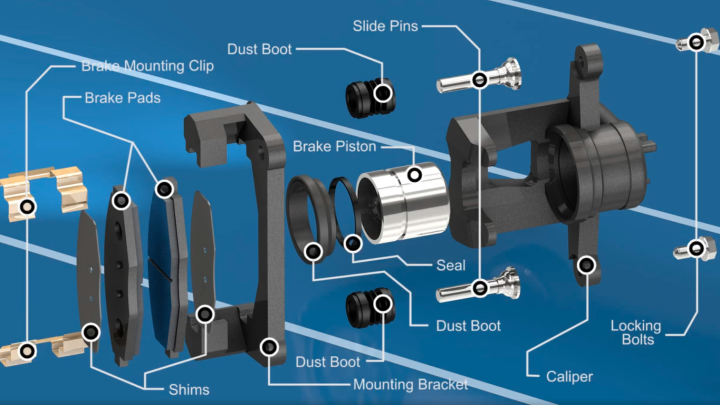
Caliper Drag and Sticking Slide Pins
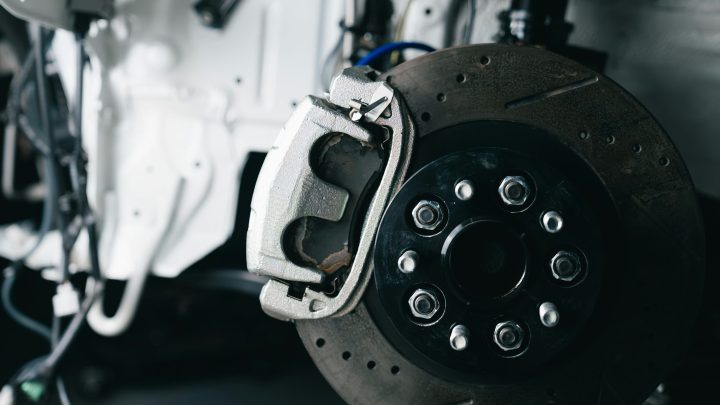
This is the one most people miss. A caliper that doesn't fully release keeps the pad kissing the rotor even when you're not braking. That constant light contact cooks the friction surface over time, and glazing shows up on one pad or one side of the car.
Common culprits:
- Seized or dry slide pins on floating calipers
- Sticking caliper pistons from corrosion or old fluid
- Swollen brake hoses trapping pressure in the caliper
- Rust jacking between the pad and the caliper bracket
If only one or two pads are glazed, caliper drag is a strong suspect.
Skipping Proper Bedding-In After Installation
Bedding-in, sometimes called burnishing, is the process of heating new pads and rotors in a controlled way so a proper transfer layer forms. Without bedding-in, pads can glaze on the very first hard stop. That's especially true for semi-metallic pads, which need a more careful break-in than many ceramics.
A typical bedding sequence is five to ten moderate-to-hard stops from around 45 to 55 mph, with cooling time between each. Manufacturer specs vary, so check the pad maker's instructions. Skip this step and you're rolling the dice on early glazing.
Contamination and Bad Installs
Brake grease on the friction face, oil from dirty hands, brake fluid drips from a leaking caliper, or even a bit of anti-seize in the wrong spot can all cause localized glazing and squeal. The fix isn't complicated. Keep the friction surface clean during install and only apply grease to the correct contact points, never the pad face.
Cheap or Mismatched Pad Compounds
Not all pads are built the same. Budget pads sometimes use binders that break down at lower temperatures than the resin system in premium compounds. Pair a low-temp pad with a heavy vehicle or aggressive driving and glazing is almost guaranteed.
Aggregate user reviews for budget semi-metallic pads frequently mention early squeal and short pad life. That pattern lines up with what we'd expect from a compound with a low thermal ceiling.
Glazed Pads vs. Everything Else That Squeals
Not every squeal is glazing. Before you commit to a fix, run through the other common causes. Treat this as an if/then guide.
| Symptom | Most Likely Cause | Quick Test |
|---|---|---|
| Squeal starts cold, fades after a few stops | Light surface glaze or dust film | Drive gently for 5 minutes, listen for change |
| Squeal is constant at low speed | Wear indicator tab contacting rotor | Check pad thickness |
| Squeal only on one wheel | Caliper drag or glazing on that corner | Feel for a hot wheel after a short drive |
| Squeal plus grinding | Pad worn to metal, rotor scoring | Stop driving, inspect immediately |
| Squeal plus pedal pulsation | Rotor DTV or hot spots from glazing | Measure rotor thickness variation |
If the Squeal Appears Cold and Fades
Cold squeal that vanishes after a few minutes is often light glazing or a dust film. The pad surface is vibrated clean as it warms. This is the least serious version, and often a light de-glaze plus a proper bedding-in resolves it.
If the Squeal Is Constant at Low Speed
Constant low-speed squeal points more toward wear indicators or dust buildup. Wear indicator tabs are tiny metal clips that intentionally contact the rotor when pad thickness hits the replacement threshold. If pad thickness is under about 3 mm (roughly 1/8 inch), you're due for new pads.
If the Squeal Only Happens on One Corner
Localized squeal almost always means a caliper problem. Feel each wheel after a short drive, being careful not to touch the rotor itself. A wheel that's noticeably hotter than the others is a warning sign.
That's caliper drag, and it needs attention before it wrecks the pad and rotor on that corner.
If You Also Feel Pulsation Through the Pedal
Pulsation through the pedal means rotor thickness variation, which is often the downstream result of glazing. Per SAE research on brake judder, DTV of around 0.015 mm or more is enough to produce a noticeable pedal pulse. At that point, you're looking at resurfacing or replacing rotors, not just cleaning pads.
If There's Grinding, Stop Driving
Grinding is not glazing, and it's not something to live with for a week. Metal-on-metal contact destroys rotors fast and can compromise stopping power in an emergency. Park the car and inspect before driving further.
Similar Posts