How to Find Your Engine Size: A Quick Guide
Figuring out how to find your engine size sounds simple until you’re staring at a confusing VIN or a grimy block. Most drivers assume the badge on the trunk tells the whole story, but that’s rarely true for modern vehicles with shared platforms. You need precise data, not marketing fluff, to order parts correctly or verify specs.

We’ve seen countless people waste money on wrong gaskets because they trusted a website database over physical evidence. As of 2026, manufacturer standards still rely heavily on specific alphanumeric codes hidden in plain sight. Let’s walk through exactly where those codes live and how to read them without guessing.
Quick Answer: The Four Ways to Find Your Engine Size (Fastest First)
Start with your Vehicle Identification Number (VIN). Look at the eighth character. That single letter or number defines your engine type.
Next, check the driver’s side door jamb sticker. It often lists displacement alongside tire pressure. If those fail, pop the hood.
Scan the emission control label for an engine family code. Finally, use an OBD-II scanner to read live data. This digital method confirms what the stickers claim.
Always cross-reference two sources for certainty.
Why Your Car's Model Name Won't Tell You the Whole Story
Marketing names lie. A "3.5L EcoBoost" might actually displace 3.5 liters, but a "Turbo S" could hide a completely different block underneath. Manufacturers frequently swap engines within the same trim level depending on production year or region.
Relying solely on the model name is a gamble you shouldn’t take when ordering critical components.
Consider Ford’s recent lineup shifts. Two identical-looking trucks from the same year can have vastly different powerplants. One might carry the 5.0L Coyote V8, while its twin runs the 3.5L PowerBoost hybrid system.
They share the same body panels, interior layout, and even similar exhaust notes. Without checking the specific identifiers, you’ll never know which one sits under your hood.
This ambiguity creates real problems for DIY mechanics. Imagine buying a timing belt kit based on a generic online lookup. If the database assumes the base engine but you have the high-output variant, the tensioner pulleys won’t align.
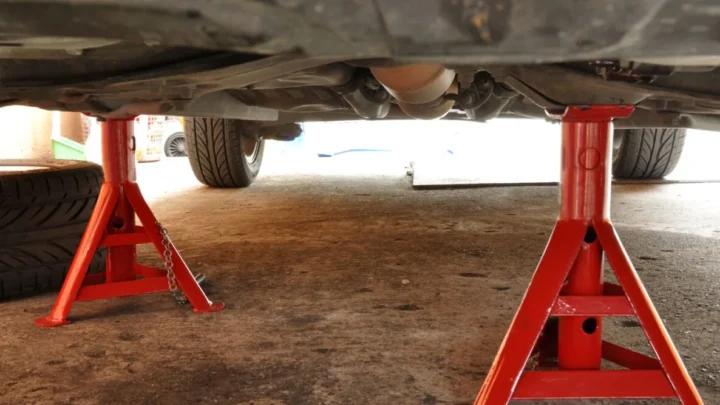
You end up with wasted cash and a vehicle stuck on jack stands. Precision matters here more than speed.
Our research shows that platform sharing is now standard practice across almost every major automaker. General Motors, Stellantis, and Toyota all utilize modular architectures. These systems allow flexible manufacturing but confuse casual observers.
You aren’t dealing with unique cars anymore; you’re dealing with variations on a theme. Treating each vehicle as distinct ensures accuracy. Never assume similarity equals identity.
Where Your Engine Size Is Actually Written Down
Reading the VIN: the Engine Code Hides in Position 8
Your 17-character VIN holds the key. Locate the dashboard near the windshield on the driver’s side. Count eight characters from the left.
This position contains the engine identifier code. It varies by manufacturer, so don’t guess the translation.
For example, GM uses letters like 'A' or 'K' to denote specific displacements. Ford might use numbers. You must consult the manufacturer’s specific VIN decoding chart.
Do not use third-party decoders unless they are verified against official service manuals. Incorrect interpretation leads to incorrect part orders.
Keep this string handy. Write it down before cleaning the plate. Corrosion can obscure digits over time.
If the VIN plate is damaged, check the title document or insurance card. These records mirror the factory stamp. Consistency across these documents validates your findings.
Trust the paper trail if the metal fails.
Driver's Door Jamb Sticker and Parts Identification Label
Open the driver’s door. Look at the pillar or the edge of the door itself. You’ll find a black-and-white sticker.
This Service Parts Information Label (SPIL) lists critical specs. It includes tire pressures, load limits, and often the engine code.
Some manufacturers print the displacement directly, like "3.0L." Others list a code that references the internal parts catalog. Read carefully. Don’t skip small print.
This label survives weather better than under-hood stickers. It’s protected from heat and oil splatter. Check this first if the VIN seems unclear.
If you drive an older import, the label might be faded. Use a flashlight and magnifying glass. Clean gently with soap and water if needed.
Avoid harsh chemicals that dissolve ink. Preserving this information saves hours of frustration later. It’s your quickest visual reference point.
Fuel Door Sticker and Under-Hood Emissions Label
Pop the fuel filler door. Many European and Asian brands place an emissions label there. It details the exact engine configuration for regulatory compliance.
Look for terms like "Euro 6" followed by a code. This ties directly to displacement and power output.
Under the hood, check the strut towers or firewall. The Environmental Protection Agency (EPA) requires an emission control label. It specifies the engine family.
Cross-reference this with your VIN code. Agreement between these two sources confirms accuracy. Discrepancy suggests a swapped engine or labeling error.
These labels resist grease better than painted stamps. They remain legible longer. However, heat damage can warp plastic stickers.
Inspect edges for peeling. Replace missing labels with copies from owner’s manual archives. Documentation preservation aids future resale value too.
Stamped and Cast Codes on the Engine Block Itself
Sometimes labels vanish. Then you look at the metal. The cylinder block features cast numbers near the bell housing or oil pan rail.
These identify the casting mold, not always the final displacement. But combined with other marks, they help narrow it down.
Look for stamped serial numbers on the deck surface. Mechanics use these to trace production batches. They correlate with known engine variants.
You may need a wire brush to reveal faint markings. Oil sludge hides truth effectively.
Clean the area thoroughly. Shine a light at an angle. Shadows highlight raised letters.
Record everything you see. Compare against manufacturer technical service bulletins. This physical inspection is the ultimate backup when digital records fail.
It proves originality definitively.
No Labels, No Luck? OBD-II Scanners and Dealer VIN Lookup as Backup
Digital tools bridge gaps when physical tags disappear. An OBD-II scanner plugs into the port under the dash. Access mode 01, parameter ID 0C.
This returns engine displacement in half-liters. Multiply by two for liters. Simple math yields immediate answers.
Not all scanners support this PID. Basic code readers miss it. Invest in a bi-directional tool or smartphone app compatible with your protocol.
Verify compatibility before purchase. Cheap dongles often lack advanced data streams. Quality matters for diagnostic depth.
Alternatively, visit a dealership parts counter. Provide your VIN. Their software accesses factory build sheets instantly.
This method costs nothing but time. Staff pull exact specifications tied to your chassis number. It eliminates guesswork entirely.
Save the PDF receipt for your records. Future repairs become faster with this data on hand.
Online databases exist, but treat them cautiously. Aggregator sites scrape public info. Errors propagate quickly.
Always validate web results against your physical VIN code. If the site says 2.0L but your VIN indicates otherwise, trust the VIN. Manufacturer data supersedes third-party listings every time.
Accuracy protects your wallet and safety.
The Mistakes That Get People the Wrong Engine Size
Assuming model year consistency is dangerous. Mid-year changes happen silently. A truck built in January differs from one made in December.
Production shifts alter engine options without notice. Always check the build date, not just the calendar year.
Ignoring regional variations causes confusion. Export models differ from domestic specs. A Japanese-market sedan might run a smaller turbocharged unit compared to its US counterpart.
Importing vehicles complicates identification further. Local regulations dictate available engines. Research origin-specific catalogs accordingly.
Overlooking swapped engines risks catastrophic failure. Used cars often undergo repairs outside authorized channels. Previous owners install mismatched powerplants.
VIN data becomes obsolete immediately. Physical inspection reveals discrepancies. Mismatched transmission bells or non-standard mounts signal tampering.
Verify alignment before trusting any label.
Relying on horsepower ratings misleads buyers. Different tunes yield varying outputs from identical blocks. Marketing figures reflect peak performance, not displacement.
Focus on volume metrics instead. CCs or liters define capacity accurately. Horsepower fluctuates with software updates.
Stick to fixed geometric measurements for reliability.
Finally, skipping verification steps invites errors. Single-source confirmation isn’t enough. Triangulate data using VIN, labels, and scans.
Contradictions expose issues early. Address them before ordering parts. Prevention beats cure in automotive maintenance.
Diligence pays dividends in saved labor costs.
Engine Size Reference Guide: Liters, CCs, Cubic Inches, and Common Codes
Unit conversion trips up many DIYers. Stick to one system for consistency. Most US vehicles list displacement in liters or cubic inches.
European models almost exclusively use liters. Knowing the standard helps you decode labels faster.
Here is how the numbers translate. One liter equals 1,000 cubic centimeters (cc). It also approximates 61 cubic inches.
This ratio holds steady across all manufacturers. Use it to sanity-check your findings. If a label says "3.5L," expect roughly 214 cubic inches.
A massive discrepancy signals an error.
Common displacements vary by vehicle class. Compact cars often run 1.5L to 2.0L engines. Mid-size sedans typically feature 2.5L or 3.0L units.
Trucks and SUVs lean toward 3.5L, 5.0L, or larger V8s. Performance variants may push these boundaries higher.
| Displacement (Liters) | Approximate CC | Approximate Cubic Inches | Typical Application |
|---|---|---|---|
| 1.5L – 2.0L | 1,500 – 2,000 cc | 91 – 122 ci | Compact Hatchbacks/Sedans |
| 2.5L – 3.0L | 2,500 – 3,000 cc | 152 – 183 ci | Mid-Size Sedans/Crossovers |
| 3.5L – 4.0L | 3,500 – 4,000 cc | 214 – 244 ci | Full-Size Trucks/SUVs |
| 5.0L+ | 5,000+ cc | 305+ ci | Muscle Cars/Large V8s |
Codes matter more than raw numbers sometimes. Ford uses specific letters for engine families. The "W" code might denote a Windsor block.
GM relies on alphanumeric strings like "LFV." These identifiers link directly to parts catalogs. Always record the full code, not just the volume.
Understanding bore and stroke adds context. These dimensions define the physical cylinder size. Larger bore usually means higher airflow potential.
Longer stroke favors low-end torque. Manufacturers tweak these ratios for different outputs. Identifying them helps predict performance characteristics.
You can spot modified internals if specs don’t match factory norms.
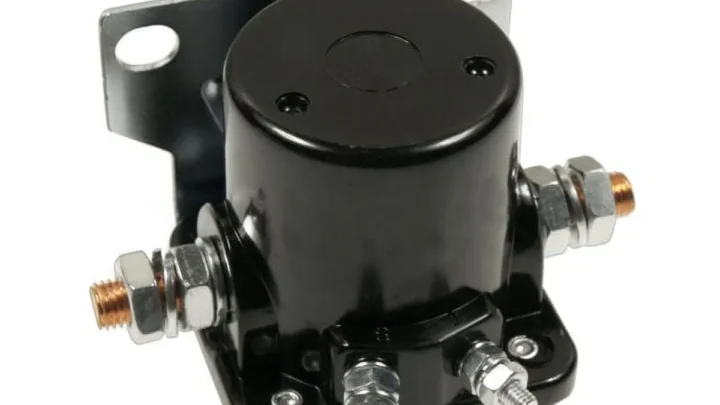
Check starter replacement cost only after confirming engine type. Different blocks require different mounting points. Installing a starter meant for a V6 into a V8 won’t work.
Fitment issues stem from wrong identification. Precision here prevents expensive return shipping fees.
Engine Size Questions, Answered
Does swapping an engine change my VIN?
No, the VIN remains static. It identifies the chassis, not the powerplant. However, legal requirements mandate disclosure of swaps.
Many states require updated titles or inspections. Your insurance policy must reflect the new engine. Failure to report changes can void coverage.
Keep receipts for all modifications. Proof of ownership protects you during resale. The original VIN still dictates factory part compatibility.
But actual installed hardware differs. Trust physical inspection over database records in swapped vehicles.
Can I find engine size without opening the hood?
Yes, several methods exist. Check your owner’s manual first. It lists specifications clearly.
Look at the driver’s door jamb sticker. Many include engine codes there. Online VIN decoders offer quick estimates too.
Verify results against official sources though. Third-party sites contain errors frequently. Insurance cards often note vehicle details.
Registration documents provide another clue. Combine two sources for confidence. Physical verification remains the gold standard.
Remote checks serve as preliminary filters only.
Why do some engines have weird displacement numbers?
Manufacturers optimize for tax brackets or regulations. Europe taxes based on CO2 emissions linked to displacement. Asia caps certain license classes by liter volume.
Automakers shave off tiny amounts to cross thresholds. A 2.0L engine might actually be 1,998 cc. This avoids higher registration fees.
It doesn’t impact performance significantly. Don’t worry about minor variances. Focus on the nominal rating used in parts catalogs.
Rounding conventions apply universally across brands.
Is horsepower the same as engine size?
Absolutely not. Horsepower measures output force. Displacement measures air/fuel volume capacity.
Two engines with identical sizes produce different power. Turbocharging increases efficiency without changing volume. Direct injection improves combustion quality.
Variable valve timing optimizes airflow. All these technologies boost HP independently of CCs. Never equate power with size.
A small turbo four-cylinder can outperform a large V6. Check both metrics separately. Parts depend on displacement, not peak power ratings.

Similar Posts