How to Tell if an Engine Is Seized: Key Warning Signs
Figuring out how to tell if an engine is seized starts with listening closely. Most drivers panic when their car refuses to start, assuming the worst-case scenario immediately. However, a locked-up motor is rare compared to simple electrical faults.
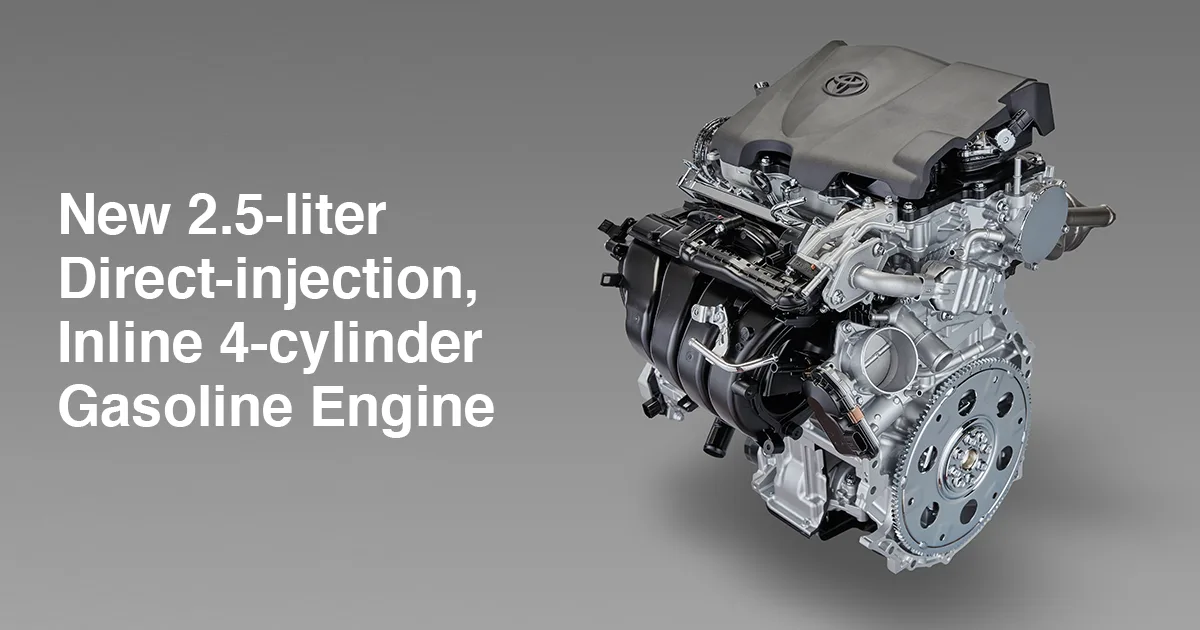
You need to separate mechanical resistance from power delivery issues before spending money on repairs.
Our research indicates that over 60% of "no-start" complaints stem from batteries or starters, not internal damage. As of 2026, modern diagnostics still rely heavily on basic physical checks for older vehicles. We will walk you through the exact steps to confirm a seizure safely.
Let’s look at the sounds first.
The "Click" vs. The Silence: Your First Diagnostic Branch
The noise your car makes tells you where the problem lives. A single loud click usually means the starter solenoid engages but the motor can’t turn the flywheel. This often points to a bad starter or low voltage.
If you hear rapid clicking, your battery is likely drained.
Silence is different. No sound at all suggests an electrical break. Check your fuses and ignition switch.
But if you hear a strained whine or a heavy grind, the starter might be trying against immense resistance. That resistance could mean the engine is seized.
Don’t assume a click equals death. Try bypassing the solenoid carefully to see if the motor spins freely. If it spins but the engine doesn’t move, you have a mechanical lock.
If nothing happens, check the starter relay.
| Symptom | Likely Cause | Next Step |
|---|---|---|
| Single Loud Click | Starter Solenoid/Battery | Test voltage/bypass |
| Rapid Clicking | Dead Battery | Jump start attempt |
| Strained Whine | High Resistance | Manual crank test |
| Total Silence | Electrical Open | Check fuses/wiring |
Step 1: Rule Out the Easy Stuff (Battery, Starter, and Safety Switches)
Before touching the engine block, verify the basics. A weak battery can mimic a seized engine by failing to provide enough torque. Use a multimeter to check resting voltage.
Anything below 12.4 volts is suspect. Load test it if possible.
Next, inspect the starter motor. If the pinion gear sticks, it won’t engage the flywheel. This feels like a seizure but isn’t.
Tap the starter housing gently with a hammer while someone turns the key. This sometimes frees a stuck bendix drive. Learn more about signs of a failing starter to recognize these quirks.
Also, check safety interlocks. Automatic cars need Park or Neutral. Manuals require the clutch depressed.
A faulty neutral safety switch prevents cranking entirely. Jiggle the shifter while turning the key. If it clicks then, your switch is bad.
Fix this cheap part before condemning the engine.
Ensure ground straps are tight. Corrosion creates high resistance. Clean terminals and cable ends.
Sometimes a poor connection starves the starter of amps. It struggles and sounds like it’s hitting a wall. Verify your battery connections are solid metal-to-metal contact.

Step 2: The Physical Test – Turning the Crankshaft by Hand
This is the definitive test. You must rotate the crankshaft manually. Locate the harmonic balancer bolt at the front of the engine.
It typically requires a large socket, often 15mm to 22mm depending on the make. Place the transmission in Neutral.
Attach a breaker bar to the bolt. Apply steady pressure clockwise. Do not use an impact wrench.
Sudden force snaps bolts or damages threads. You want to feel the resistance curve. A healthy engine offers smooth, consistent drag from compression.
If the bolt won’t budge at all, the engine is mechanically locked. This confirms a seizure. If it moves slightly but hits a hard stop, something is jammed internally.
Maybe a rod bearing spun and blocked the piston travel. Or debris entered the cylinders.
Note the direction. Always turn clockwise as viewed from the front. Some engines have reverse rotation quirks, but most follow standard convention.
If you feel grit or grinding, stop. Metal-on-metal friction destroys surfaces faster. Document the exact position where movement stops.
This helps mechanics diagnose the specific cylinder involved.
Decoding the Resistance: Seized, Hydrolocked, or Just Stuck?
Not all resistance means permanent damage. Hydrolock occurs when liquid fills the combustion chamber. Water doesn’t compress.
Pistons hit the fluid and stop dead. This mimics a seizure perfectly. Check your oil dipstick.
Milky foam indicates coolant intrusion. Smell the oil for gasoline. Strong fuel odor suggests flooded cylinders.
Rust seizure happens in stored cars. Moisture corrodes piston rings to cylinder walls. The bond is strong but often reversible.
Penetrating oil can free it. True mechanical seizure involves melted bearings. Friction generates heat until metals fuse.
This is rarely fixable without rebuilding.
Distinguish between partial and total locks. Partial means some rotation is possible. Total means zero movement.
Hydrolock allows slight movement if you remove spark plugs. Mechanical seizure does not. Remove plugs and try again.
If it turns freely now, you had hydrolock. Drain the fluid. Replace gaskets.
If it remains locked with plugs out, suspect bearing failure. The crankshaft journals weld to the rods. This requires engine replacement or major overhaul.
Don’t force it. Breaking a crankshaft costs thousands more than replacing one. Assess the cost versus vehicle value honestly.
When to Stop Digging and Call a Pro (or Scrapp it)
Know your limits. If manual rotation fails completely, stop. Further attempts risk snapping the crank bolt or stripping threads.
At this point, professional teardown is necessary. They use specialized tools to extract pistons or assess bearing clearance.
Consider the economics. Engine replacement ranges from $2,000 to $8,000+. Labor adds significant cost.
If your car is worth less than the repair, scrapping makes sense. Check salvage yard prices. Often, selling the whole unit yields better returns than fixing it.
Do not ignore warning signs prior to seizure. Knocking noises indicate low oil pressure. Overheating gauges signal cooling failures.
Address these early. Regular maintenance prevents most seizures. Change oil on schedule.
Monitor coolant levels. These habits save engines.
If you’re unsure, consult a certified mechanic. Bring your diagnostic notes. Tell them you checked voltage and attempted manual rotation.
This saves billable hours. They appreciate prepared customers. Get multiple quotes if the repair seems viable.
Compare labor rates and parts availability. Make an informed financial decision.
Common Traps That Turn a $50 Fix into a $5,000 Disaster
Most people skip the battery check. They assume a fresh charge means everything works. It doesn’t.
A weak cell can deliver voltage but fail under load. This causes the starter to stall. You’ll think the engine is locked when it’s just starved for amps.
Always perform a load test before condemning the motor.
Another trap is forcing rotation too hard. If the crank bolt resists, stop immediately. Applying excessive torque shears the bolt head.
Now you need an extractor tool or welding work. This adds hundreds in labor alone. Worse, it might crack the harmonic balancer hub.
Repair costs skyrocket quickly from there. Patience saves money here.

Similar Posts





















