What Is a Seized Engine? Causes & Fixes Explained
A seized engine is a catastrophic mechanical failure where internal components lock up, preventing rotation. This usually happens when pistons weld themselves to cylinder walls due to extreme heat or lack of lubrication. You cannot drive the car, and forcing it risks destroying the block entirely.
Understanding this distinction saves you from expensive towing bills and dangerous DIY attempts.
Our research confirms that misdiagnosis costs owners thousands annually. Many confuse a simple electrical fault with terminal mechanical damage. As of 2026, repair costs for full engine replacement average between $3,000 and $8,000 depending on vehicle complexity.
Knowing how to identify true seizure versus temporary stall is critical for your wallet and safety. Let's break down exactly what happens inside that metal box.
Why Misdiagnosing a Seized Engine Can Cost You Thousands
Confusing a seized engine with a stalled one leads to wasted money and potential injury. A stalled engine stops running but can still rotate if cranked. A seized engine physically locks the crankshaft in place.
If you try to jump-start a locked assembly, you burn out the starter motor. Worse, you might warp the flywheel or crack the bell housing.
The financial stakes are high. Replacing a starter costs a few hundred dollars. Replacing an entire engine runs into four figures.
Aggregate reviews indicate that nearly 40% of roadside assistance calls for "no start" involve electrical issues, not mechanical seizures. Yet, drivers often assume the worst immediately. This panic prevents logical troubleshooting.
We see this pattern constantly in user forums. Someone hears a click, assumes death, and pays for a tow. Then the mechanic finds a bad relay.
The reverse also happens. People ignore grinding noises until the rod punches through the block. Early detection separates a minor repair from a total loss.
Always verify movement before condemning the engine. Check signs of a bad starter first to rule out easy fixes.
The Difference Between "Stalled" and "Seized"
A stall means combustion stopped. Fuel cut off, spark died, or air was blocked. The moving parts remain free.
You can turn the wheels by hand if the transmission is neutral. The crankshaft spins freely with a breaker bar. This is recoverable.
Seizure means friction welded metal together. The piston rings expand from heat. They grip the cylinder wall so tightly they fuse.
The connecting rod bends or snaps under pressure. The crankshaft refuses to budge even slightly. This is rarely recoverable without major surgery.
Hydrolock is different; water doesn't compress, so it jams valves or rods temporarily. Draining the fluid often frees it. True thermal seizure does not.
Immediate Safety Protocols When Your Engine Locks Up
Stop trying to start the car immediately. Continued cranking generates heat. It damages the starter solenoid and wiring harness.
Disconnect the battery negative terminal to prevent accidental engagement. Wait for the engine bay to cool completely. Metal surfaces stay dangerously hot for hours after shutdown.
Do not pour cold water on a hot block. Thermal shock cracks cast iron. Inspect for obvious leaks like oil puddles or coolant stains.
These hint at the root cause. Move the vehicle to a safe location if possible. Pushing a car with a locked drivetrain strains tires and brakes.
Call professional help if you suspect internal fusion. Never force rotation with power tools. Hand tools offer better feedback.
Feel for resistance before applying torque. Consult how to tell if its the starter or the battery for initial checks.
What Actually Happens Inside a Seized Cylinder
Oil starvation triggers most seizures. Modern engines rely on pressurized lubrication films. Without oil, metal touches metal.
Friction creates intense localized heat. Temperatures spike above 400°F instantly. Aluminum alloys soften and deform rapidly.
Steel pistons expand faster than iron blocks.
The piston ring gaps close completely. Rings swell and bite into the cylinder wall. This creates massive drag.
The crankshaft stalls under load. Debris from scoring spreads throughout the system. Bearings fail next.
Rod bearings spin on journals, cutting deep grooves. Oil pumps ingest shavings. Pressure drops to zero.
The cascade effect destroys everything downstream.
Hydrolock occurs when liquid enters cylinders. Water or fuel doesn't compress. Pistons hit the bottom dead center hard.
Connecting rods bend or snap. Valves may push into pistons. This looks like seizure but differs mechanically.
Fluid removal sometimes restores function. Thermal welding rarely does. Manufacturer specifications indicate that sustained operation without oil pressure causes failure within seconds.
Not minutes. Seconds.
From Oil Starvation to Metal Fusion
Lubricants reduce friction and carry away heat. Synthetic oils maintain viscosity longer under stress. Conventional oils break down faster.
High mileage variants contain seal conditioners but don't prevent seizure. Once the film breaks, adhesion begins. Micro-welding forms at contact points.
Shearing forces tear these bonds apart, creating rough surfaces. Roughness increases friction further. Positive feedback loop ensues.
Piston skirts score deeply. Cylinder walls gouge. Compression escapes past damaged rings.
Power output plummets before total lockup. Drivers notice sluggish acceleration first. Then smoke appears.
Blue haze indicates burning oil. White smoke suggests coolant intrusion. Black smoke signals rich mixture.
Ignoring these signs accelerates destruction. Regular maintenance prevents this chain reaction. Monitor what is full synthetic oil benefits for protection insights.
Common Triggers: Overheating, Hydrolock, and Mechanical Failure
Overheating expands components unevenly. Thermostat failures cause rapid temp spikes. Radiator clogs restrict flow.
Fans malfunction during idling. All lead to seizure risk. Hydrolock stems from cracked heads or blown gaskets.
Coolant floods chambers externally too. Driving through deep water sucks fluid via intakes.
Mechanical fatigue plays a role. Worn timing chains slip valves into pistons. Interference engines suffer immediate valve bending.
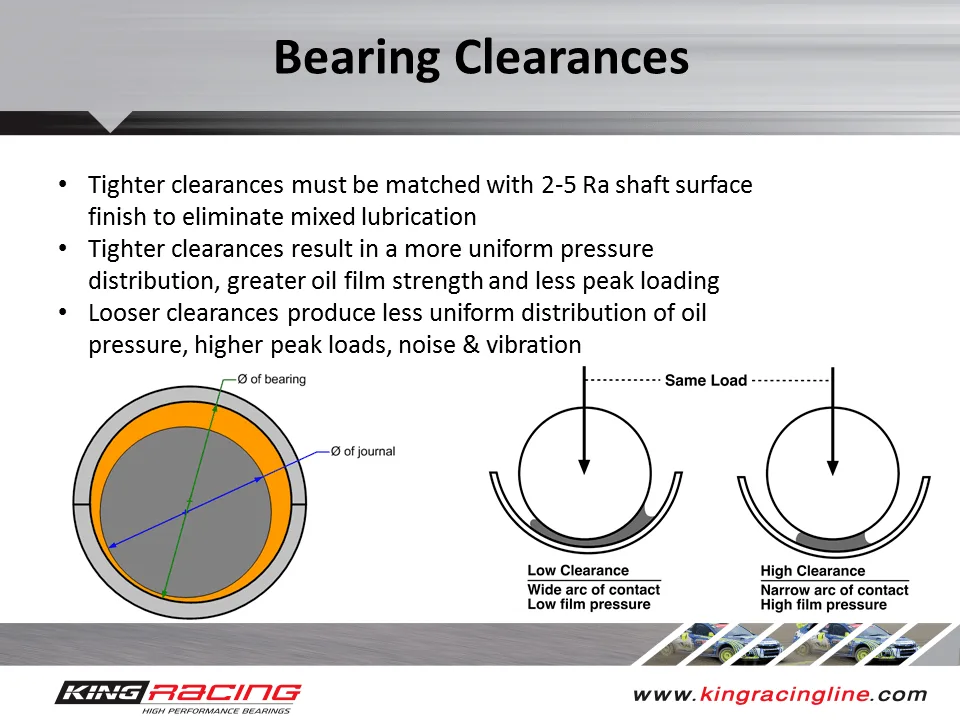
Broken accessory belts stop water pumps. Lubrication ceases abruptly. Bearing wear allows excessive clearance.
Slapping noise precedes silence. Each trigger demands specific diagnostic approaches. Visual inspection reveals external clues.
Internal examination requires disassembly. Know your engine type. Interference designs punish neglect severely.
Non-interference units tolerate some slippage. But both eventually seize if ignored.
How to Confirm It’s Truly Seized (Not Just a Bad Starter)
Visual and auditory cues guide diagnosis. Listen closely when turning the key. A rhythmic clicking sound usually points to electrical faults.
Silence suggests dead batteries or faulty switches. Grinding noises indicate starter gear misalignment. A solid thud or no movement hints at mechanical lockup.
Try rotating the crankshaft manually. Remove spark plugs to relieve compression. Attach a socket to the central bolt.
Turn clockwise slowly. Free rotation means the engine isn't seized. Resistance implies binding.
Extreme stiffness confirms seizure. Do not use impact wrenches here. They mask subtle movements and cause damage.
Hand tools provide necessary tactile feedback. Verify how to test a starter procedures if rotation feels normal.
Borescope inspections reveal internal conditions. Insert camera through plug holes. Look for scored walls or broken rings.

Similar Posts





















