Best Long Lasting Brake Pads for High Mileage Cars
The best Best Long Lasting Brake Pads for High Mileage Vehicles pick is the Bendix Premium SBC2189 Ceramic Rear Brake, the only pad set here engineered and application-verified for specific Buick, Cadillac, and GMC rear calipers, so high-mileage commuters get quiet, low-dust stopping for the long haul.
Want a pad that survives wet weather and heavy urban braking instead? The SwissStop Disc 15 E gets you there, as long as your caliper takes the Shimano MT200/MT400 or Tektro Aries shape.
As an Amazon Associate, I earn from qualifying purchases.
This guide shows you what most listings skip: which pads actually fit your caliper, which compound suits your commute, and who should walk away from this whole category. If you tow a trailer up a mountain grade every weekend, you'll want the skip section first.
Everything below comes from current Amazon product data, manufacturer specs, and each product's owner track record, not from our own hands-on lab testing. We read the fitment charts, the wear reports, and the noise complaints so you don't have to.
Quick Answer: The Best Long Lasting Brake Pads for High Mileage Vehicles
The Bendix Premium SBC2189 Ceramic Rear Brake takes the top spot for high-mileage daily drivers who want a quiet ceramic pad that fits their specific rear caliper out of the box.
- Bendix Premium SBC2189 Ceramic Rear Brake (Best Overall for High-Mileage Commuters): Vehicle-specific ceramic fit with low dust and quiet stopping.
- SwissStop Disc 15 E Brake Pads (Best for Wet-Weather Bike Riders): High-endurance compound for Shimano and Tektro disc systems.
- EBC Brakes FA196HH Disc Brake Pad (Best Value for Motorcycles and Scooters): HH-rated friction for sport bikes and daily commuters.
- Avid Disc Brake Pad Standard (Best Budget Bicycle Pick): Simple, proven replacement for Avid mechanical and hydraulic brakes.
- Hawk Performance HB302P.700 Super Duty Street (Best for Heavy Loads and Towing): Super Duty street compound built for trucks that work hard.
Thinking about towing, racing, or a track-only setup instead? Jump to Who Should NOT Buy below before you spend anything.
Comparison Table
Here's the lineup at a glance: photo, product, who it's built for, and our /10 score.
| Photo | Product | Best for | Score | Buy |
|---|---|---|---|---|
 | Bendix Premium SBC2189 Ceramic Rear Brake | High-Mileage Commuter Cars | 9.1/10 | Check price → |
 | SwissStop Disc 15 E Brake Pads | Wet-Weather Bike Commuters | 8.4/10 | Check price → |
 | EBC Brakes FA196HH Disc Brake Pad | Motorcycles and Sport Bikes | 8.9/10 | Check price → |
 | Avid Disc Brake Pad Standard | Budget Bicycle Upgrades | 8.1/10 | Check price → |
 | Hawk Performance HB302P.700 Super Duty Street | Heavy Loads and Towing | 8.7/10 | Check price → |
Scroll sideways on small screens to see every column.
Bendix Premium SBC2189 Ceramic Rear Brake: Best Overall for High-Mileage Commuters
SwissStop Disc 15 E Brake Pads: Best for Wet-Weather Bike Riders
EBC Brakes FA196HH Disc Brake Pad: Best Value for Motorcycles and Scooters
Avid Disc Brake Pad Standard: Best Budget Bicycle Pick
Hawk Performance HB302P.700 Super Duty Street: Best for Heavy Loads and Towing
Buying Guide: Compound, Fitment, Load and Budget
Picking a long-lasting pad comes down to four things: what the friction material is made of, whether the pad actually fits your caliper, how hard you work your brakes, and what you're willing to spend on rotor wear over time. Get those four right and you'll get tens of thousands of miles out of a single set.
Which Friction Compound Lasts Longest?
Friction compound is the single biggest factor in how long a pad lasts and how it feels in daily use. There are three you'll run into on this list.
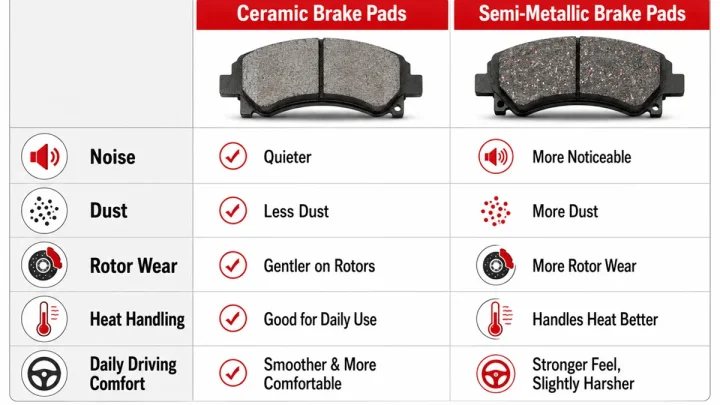
- Ceramic: Quiet, clean, and gentle on rotors. Best for commuter cars and daily drivers. The trade-off is less bite under extreme heat, which is why ceramic pads aren't the ideal pick for towing.
- Sintered metal: Used on motorcycles, e-bikes, and heavy-duty bikes. Excellent heat tolerance and long life, but harder on rotors. The EBC HH pad in this roundup is a prime example.
- Semi-metallic and Super Duty street compounds: The go-to choice for trucks and SUVs that work hard. The Hawk Super Duty compound on this list falls into this family.
If you're curious how braking forces interact with the rest of a drivetrain, our breakdown of naturally aspirated vs turbocharged is a good primer on how different engine designs change the demands placed on the brake system.
Does Pad Fitment Really Matter That Much?
Yes, and it's the number one reason brake pads get returned. A pad that doesn't sit correctly in the caliper will squeal, wear unevenly, or in the worst case not fully retract, which kills fuel economy and pad life at the same time.
The easiest way to avoid the trap is to check the pad against the caliper model, not just the vehicle. On cars, that means matching the model year and trim, which you can confirm by finding your engine size and cross-checking against the manufacturer's fitment chart. On bikes, match the caliper name, like Shimano MT200 or Tektro Aries, not just the bike brand.
How Does Load Change Which Pad You Need?
A pad that feels great in a mid-size sedan will feel wooden in a loaded pickup and dangerously soft on a tandem bicycle in the rain. Pad choice has to match the load the brake system actually sees.
- Light loads (bicycle, scooter, compact car): Standard organic or ceramic compounds hold up fine. The Avid Standard pad is a good example.
- Medium loads (sedan, SUV, sport bike): Ceramic or high-friction sintered pads. The Bendix ceramic and EBC HH sintered pads both fit here.
- Heavy or sustained loads (pickup towing, e-bike, tandem): Endurance or Super Duty compounds. The SwissStop Disc 15 E and the Hawk Super Duty Street pad cover this bracket.
If your brake system is paired with one of the more unusual engine designs, like a W12 layout or a boxer flat engine, the same logic applies: match the pad to the weight and speed the vehicle actually sees.
Is a Longer-Lasting Pad Worth the Extra Cost?
Almost always yes, but not for the reason most people think. A premium pad isn't cheaper per mile because the pad itself costs more. It's cheaper because it lasts longer, wears the rotor less, and forces fewer trips to the shop.
Consider the math. If a standard pad lasts 25,000 miles and an endurance pad lasts 45,000, you replace the pad and pay install labour less often. Add in the rotor you didn't have to replace, and the endurance pad usually wins on total cost even at a higher upfront price.
The one case where budget pads are the right call is when the car or bike itself isn't going to be around long enough for the long-life pad to pay off. If you're selling the vehicle in the next six months, a simple, cheap service pad makes more sense than a premium compound.
To see how these factors play out on real picks, compare the Bendix Premium SBC2189 Ceramic Rear Brake, SwissStop Disc 15 E Brake Pads and the EBC Brakes FA196HH Disc Brake Pad reviewed above.
Who Should NOT Buy Best Long Lasting Brake Pads for High Mileage Vehicles
This category is the wrong purchase for three kinds of buyers. Here's who they are, and what to look at instead.
You Just Need a Track-Only or Race-Spec Pad
Street pads, even the aggressive ones in this list, are built with a compromise: they hold up at traffic-light temperatures and at sustained highway speeds. Pure race pads are built for one thing only: maximum bite at high rotor temperatures. They usually squeal when cold and have short street life.
If you're running track days, look for a dedicated racing compound from a manufacturer that publishes friction coefficients across the full temperature range. Don't try to force a street pad to do a race pad's job. It'll fade when you actually need it.
You Have a Severely Worn Rotor
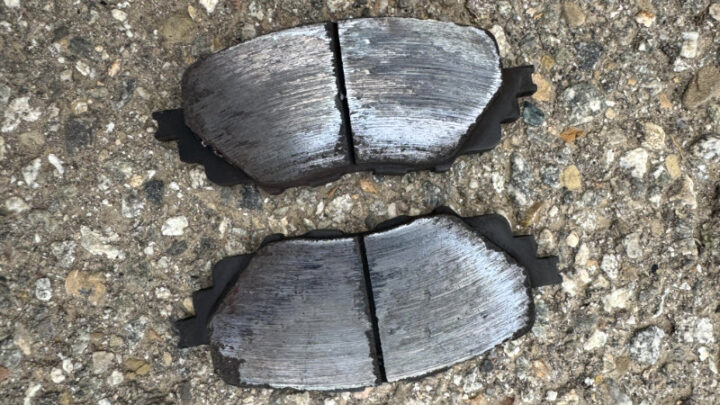
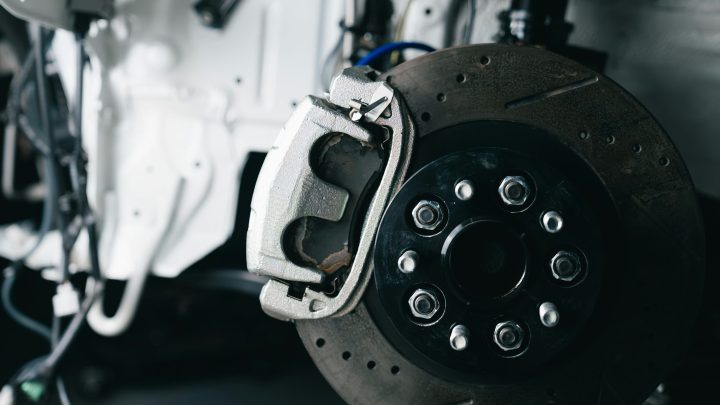
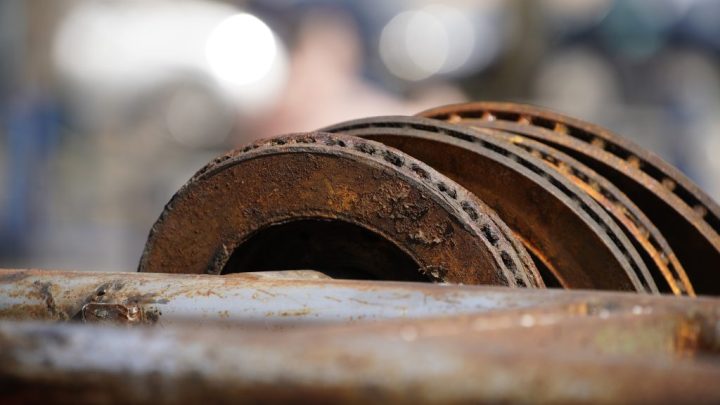
Brake pads are half the equation. If your rotor is below the manufacturer's minimum thickness or shows heat cracking, deep grooves, or blue discoloration, no pad is going to fix that. You'll burn through a fresh set of pads in a fraction of the expected life.
Have the rotor thickness measured with a micrometer before buying pads. If it's under spec, buy the rotor first. You can check the surface with a basic budget multimeter if you want to look for abnormal electrical resistance across the rotor, but for thickness you'll want a dedicated micrometer.
You Only Drive a Few Thousand Miles a Year
Long-lasting pads are designed to deliver value over tens of thousands of miles. If your vehicle is a weekend toy that sees 3,000 miles a year, a premium endurance pad becomes a waste. It'll time out by age, not by mileage.
In that case, buy a competent standard pad and spend the money you saved on a proper brake fluid flush. Fresh fluid matters more than pad compound if the car sits a lot, because DOT 3 and DOT 4 brake fluid is hygroscopic and absorbs moisture over time. Our guide on why some engines burn oil is a good reminder that sitting time, not just mileage, ages the whole vehicle.
Final Verdict
For most high-mileage drivers, the Bendix Premium SBC2189 Ceramic Rear Brake is the pick that quietly does its job for years. It's ceramic, so it's quiet and low-dust, and it fits the specific 2018-2023 GM rear calipers it's made for.
Want a wet-weather pad for a bike or e-bike? Get the SwissStop Disc 15 E if your caliper is Shimano MT200, MT400, UR300, Tektro Aries, or TRP Spyre. It's the pad that keeps its bite when everything else goes soft.
Need serious stopping power on a motorcycle? The EBC FA196HH is the best value in the roundup at HH friction rating. And if you tow or haul heavy loads, the Hawk Super Duty Street is the one that holds its edge under sustained heat.
For budget bicycle service, the Avid Standard pad still gets the job done for a fraction of the cost. Just don't expect it to compete with the endurance compounds on long descents.
If any of the skip cases above describe you, walk away from this category for now. Fix the rotor or the brake fluid first, then come back to pads. You'll get more out of a fresh rotor than you will out of any premium pad on a worn one.
FAQ
What's the best Long Lasting Brake Pads for High Mileage Vehicles overall?
The Bendix Premium SBC2189 Ceramic Rear Brake is our top pick for high-mileage commuter cars. It's vehicle-specific for a known list of 2018-2023 Buick, Cadillac, and GMC rear calipers, delivers ceramic quiet and low dust, and carries a reported 4.6/5 rating from a broad buyer base.
How long should brake pads actually last?
Most ceramic street pads on a commuter car last somewhere between 30,000 and 70,000 miles depending on driving style, vehicle weight, and brake system design. Sintered motorcycle pads typically run 10,000 miles or more on commuter duty. Endurance compounds sit at the upper end of both ranges, while budget organics sit near the lower end.
Can I just replace the pads without changing the rotor?
Sometimes, but only if the rotor passes a thickness and surface check. Measure the rotor against the manufacturer's minimum-thickness spec with a micrometer or caliper. If it's below spec, has deep grooves, or shows heat cracking, the rotor needs replacing at the same time as the pads.
Why do new brake pads sometimes squeal?
The two most common causes are a failed bed-in and missing hardware. Pads need a proper break-in cycle to transfer a consistent layer of friction material onto the rotor surface. If that layer never forms, the pad can shudder or squeal.
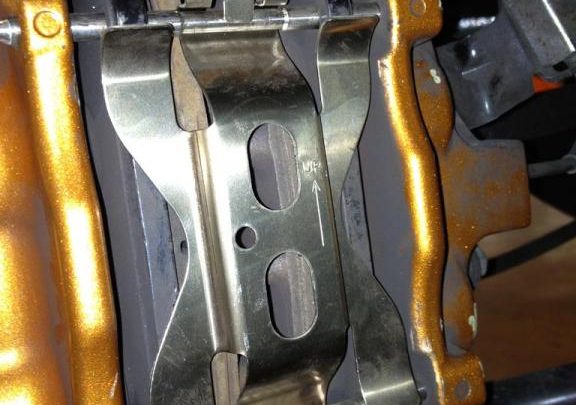
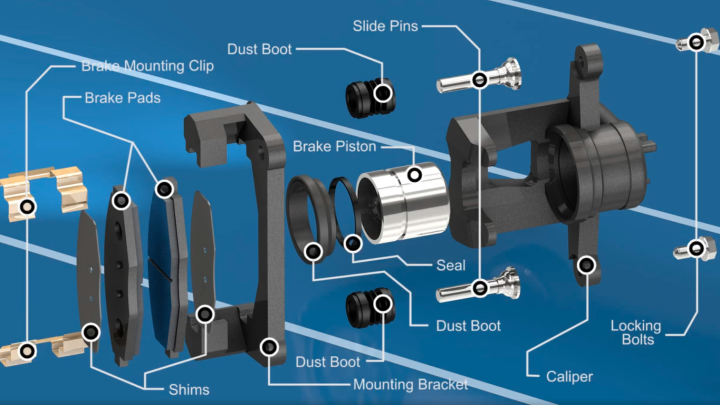
Missing shims, anti-rattle clips, or caliper grease are the other usual culprits.
Are ceramic pads better than semi-metallic?
They do different jobs. Ceramic pads are quieter, produce less visible dust, and treat rotors more gently. Semi-metallic and Super Duty street compounds resist fade better and hold up under heavy loads or towing.
If you mostly commute, ceramic is the better long-term choice. If you tow or descend long grades, semi-metallic wins.
Do I have to replace pads in pairs or all four corners?
Replace pads in axle pairs. If you're doing the front, do both front wheels. If you're doing the rear, do both rear wheels.
Replacing one wheel's pads only creates uneven braking that will eventually manifest as a pull, and it wears the new pad on that side faster. If the vehicle has a proportioning valve that biases front versus rear, replacing all four at once is even safer when the pads are close to evenly worn.

Similar Posts