Why Do Brakes Rattle Over Bumps? Causes & Fixes
Why do brakes rattle when driving over bumps? Nine times out of ten, something in the brake assembly has worked loose or worn out, and the bumps are just shaking it into audible contact. The usual culprits are missing anti-rattle clips, worn caliper slide pins, or loose caliper bracket bolts.
Sometimes the noise isn't the brakes at all, it's a worn sway bar end link or a tired strut mount.
The tricky part is that a brake rattle can sound almost identical to a suspension clunk. According to Federal Motor Vehicle Safety Standards (FMVSS) 135, brake systems must meet strict performance requirements, but they don't cover noise. That means a rattle is a diagnostic clue, not a compliance failure.
So let's walk through what your noise is actually telling you.
Why Do Brakes Rattle When Driving Over Bumps
Brakes rattle over bumps because loose or worn hardware lets brake parts vibrate against each other. Anti-rattle clips, slide pins, and caliper bolts keep everything tight. When they wear, rust, or vanish, bumps shake the assembly and you hear metal-on-metal chatter.
First, Rule Out What It Isn't
Before you buy a single brake part, rule out the stuff that isn't brake-related. Otherwise you'll throw pads and clips at a problem that lives in your suspension.
When the Noise Points Away From Your Brakes
If the rattle happens on every bump but vanishes the instant you touch the brake pedal, it's usually not the brakes. That's a classic sway bar end link or strut mount symptom. The brake pedal stops the noise because you've shifted load off the loose suspension part.
Here's the quick logic: if pressing the brakes silences it, suspect suspension first. If the noise stays or changes while braking, it's probably the brake hardware itself.
Rattles that show up only in cold weather tend to point at hardened bushings or dried-out grease. Warm weather rattles that appear after rough-road driving often mean something's physically loose.
Three Questions That Narrow It Down Before You Touch a Wrench
Answer these honestly and you'll cut your diagnostic time in half:
- Does the noise stop when you press the brake pedal? Yes points to suspension. No points to brake hardware.
- Does it happen only at low speed? That's often pad slap or a loose dust shield.
- Does turning make it worse? That suggests a worn strut mount or tie rod end.
Most people skip these questions and jump straight to replacing pads. That's the expensive mistake. In our research of common DIY brake complaints, misdiagnosis is the single biggest reason people overspend on a simple rattle.

Image source: Bing (Web (fair-use with source credit))
The Condition Test: Match Your Rattle to the Right Branch
This is where the decision tree pays off. Find your symptom, follow the branch. Each one points to a different cause and a different fix.
Branch 1 — Rattle Stops When You Press the Brakes
If the noise disappears when braking, your brake pads are rattling in the bracket. The pedal pressure pins them down, so the chatter stops. This is textbook pad slap, and it almost always traces back to worn or missing anti-rattle hardware.
The fix is cheap. A hardware kit with new clips and springs usually runs $10 to $40. Check that your slide pins move freely while you're in there.
Branch 2 — Rattle Only Happens While Braking Over Bumps
If it only rattles when you're braking and hitting bumps at the same time, suspect a loose caliper or a warped rotor. A caliper that's not bolted tight will shift under load change, and bumps amplify it.
This one deserves attention. A loose caliper bracket bolt is safety-critical. We'll cover the torque specs later, but don't ignore this branch.
Branch 3 — Rattle Happens on Every Bump, Brakes or Not
If the noise is constant regardless of braking, it's most likely suspension. Sway bar end links, strut mounts, and control arm bushings are the top three suspects. The good news is these are usually easy to check by hand.
Grab each front wheel at the top and bottom and shake it. Any clunk points to suspension play, not brakes.
Branch 4 — Rattle Gets Worse When Turning
If turning makes the rattle louder, a strut mount bearing or a worn tie rod end is the likely cause. Turning loads one side of the suspension, which exaggerates the play.
This type of noise often comes with vague steering or uneven tire wear as a bonus clue. If you notice those too, get it checked sooner rather than later.
The Usual Suspects, Ranked by Likelihood
Here's the honest ranking, based on how often each one shows up as the actual cause. Start at the top and work down.
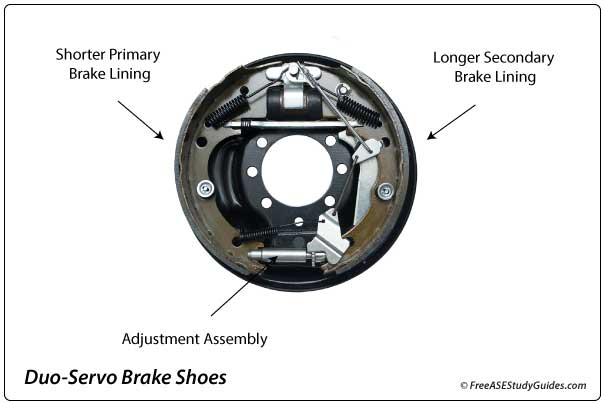
Missing or Broken Anti-Rattle Clips and Springs
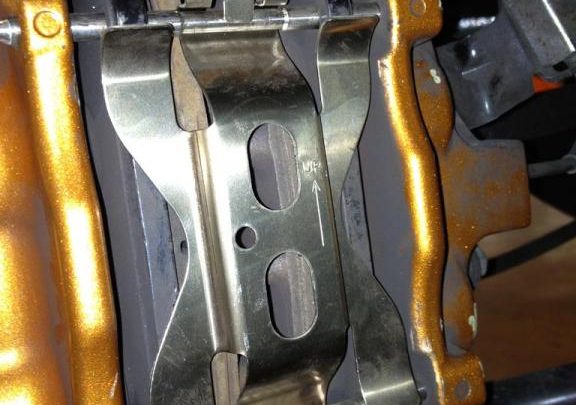
Anti-rattle clips and springs hold the brake pads snug against the caliper bracket. When they break or fall out during a pad change, the pads are free to vibrate. This is the number one cause of brake rattle over bumps.
Manufacturer specs confirm these clips are single-use in most applications. Reusing old ones, or skipping them entirely, is how a quiet brake job turns into a rattling one within a week.

Image source: Web (Bing) / chinanewmaterialtech.en.made-in-china.com (Web image (fair-use with source credit))
Worn Caliper Slide Pins and Dry Guide Pins
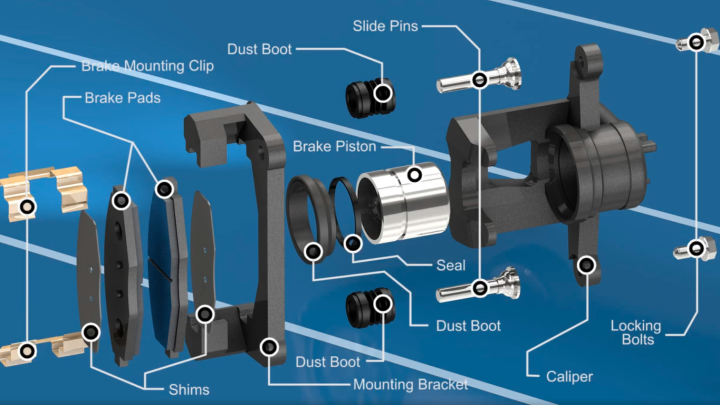
Slide pins let a floating caliper center itself over the rotor. When the grease dries out or the pins wear, the caliper stops sliding smoothly. That play shows up as a rattle over bumps.
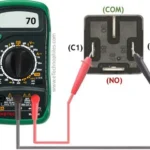
Pull the pins, clean them, and re-grease with high-temp silicone or synthetic brake grease. A slide pin boot kit costs under $15. If you want to check electrical components while you're under there, a good budget tester helps, and our guide to the best multimeter for automotive use covers what to look for.
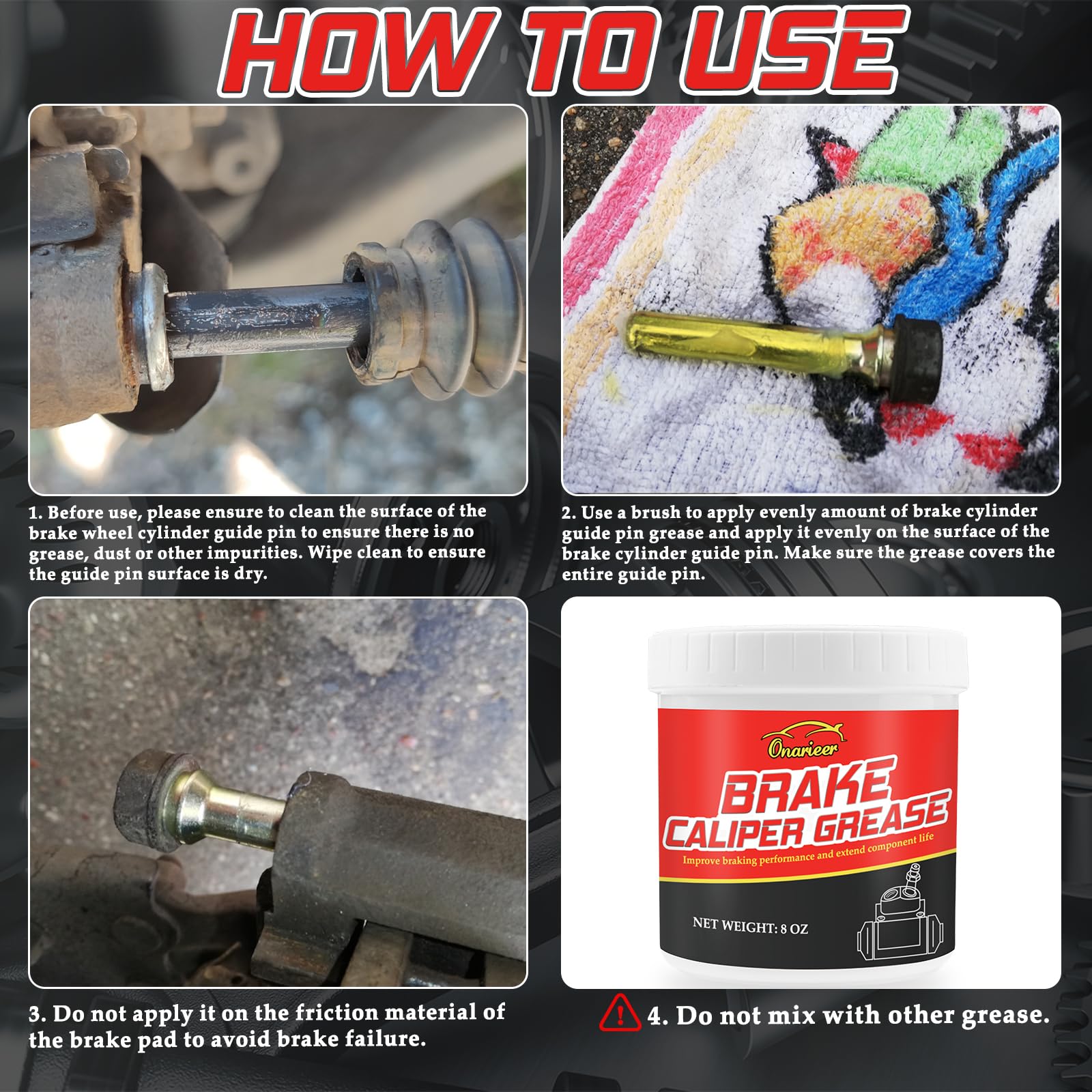
Image source: Web (Bing) / ar.inspiredpencil.com (Web image (fair-use with source credit))
Loose Caliper Bracket Bolts
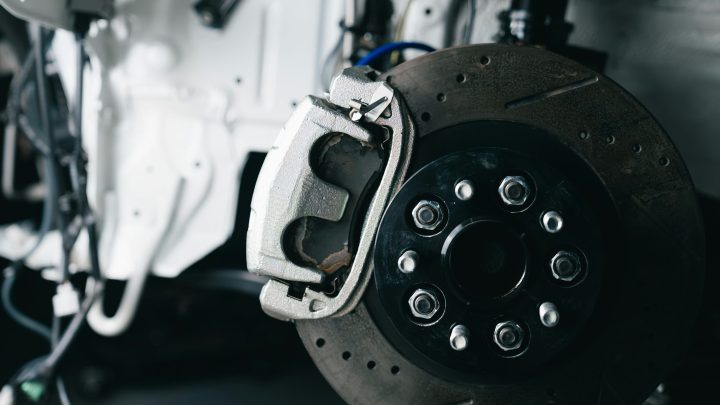
This is the dangerous one. Caliper bracket bolts hold the entire caliper assembly to the knuckle. If they loosen, the caliper can shift or, in worst cases, break free.
Manufacturer torque specs typically land between 60 and 100 ft-lbs, but this varies by vehicle. Always check your factory service manual. Never guess here.
Sway Bar End Links and Worn Bushings
Sway bar end links connect the anti-roll bar to the suspension. Their ball joints wear out, and then every bump makes them clack. It sounds exactly like a brake rattle.
A quick test: grab the end link and shake it. Any movement or clicking means it's done. Replacement pairs usually run $15 to $60.
If you're the type who likes understanding the hardware under the hood, our piece on how engine layouts work gives good context on how everything ties together.
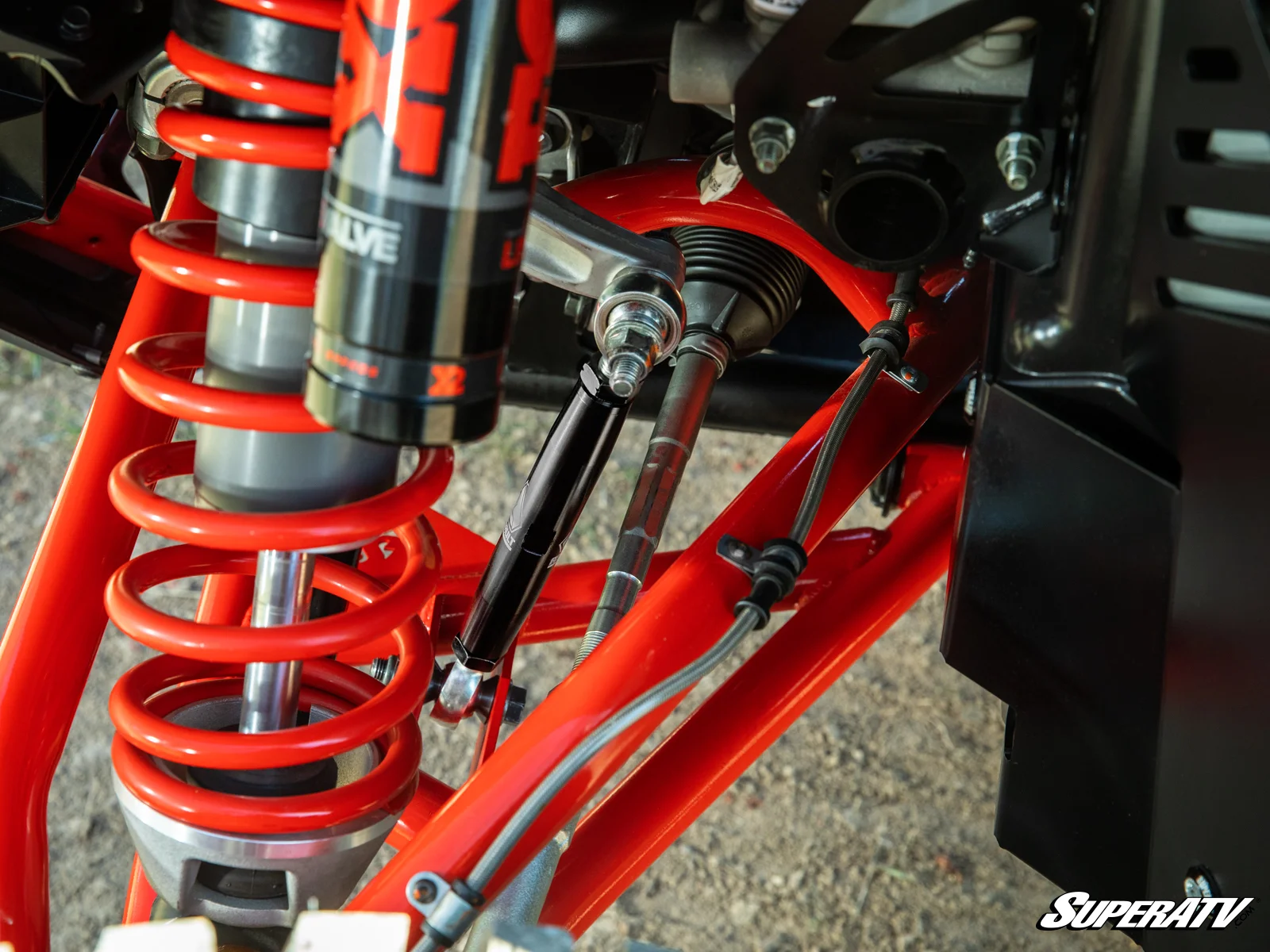
Image source: Bing (Web (fair-use with source credit))
Strut Mount Bearings and Failed Mounts
Strut mounts sit at the top of the strut and contain a bearing that allows steering rotation. When the bearing fails or the rubber mount cracks, you get a clunk or rattle over bumps.
This is common on cars past 80,000 miles. A strut mount usually costs $30 to $120 each, and you'll want an alignment after replacement.
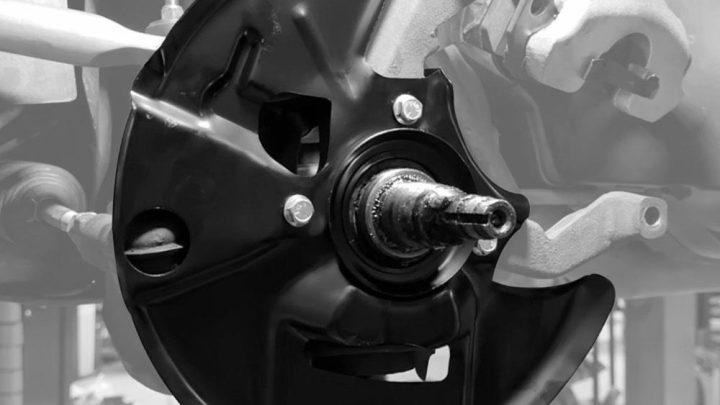
Dust Shields and Heat Shields Making Contact
Dust shields sit behind the rotor and protect it from debris. If one gets bent during a brake job, it can contact the rotor and rattle. Exhaust heat shields do the same thing under the car.
Bend the shield back for clearance, or re-tighten its mounting bolts. This is the cheapest fix on the list, often free.
Just make sure you're bending it away from the rotor, not toward it. A wrong-direction bend turns a free fix into a new rotor.
How to Diagnose It Yourself in Under an Hour
You don't need a lift or a shop to find this rattle. You need a floor jack, jack stands, a flashlight, and about 45 minutes of patience. Here's the workflow, in order.
The Bump Test: What to Listen For
Find a stretch of rough road or a speed bump and drive over it slowly with the windows down. Listen for where the noise originates, front or rear, left or right.
If it's a sharp metallic clack, think suspension link. If it's a lighter, tinny chatter, think brake pads or a dust shield. The quality of the sound narrows the branch fast.
Roll down the window on the suspect side. Sound location is half the diagnosis.
The Brake Press Test: Isolating Pad Slap
Drive over the same bump again, but this time rest your left foot lightly on the brake pedal. Just enough to load the pads, not enough to stop the car.
If the rattle vanishes, you've confirmed pad slap. That points straight to the anti-rattle hardware and slide pins.
If the noise stays, the brakes are innocent and you're chasing suspension.
The Grab-and-Shake Test: Checking Suspension Links
With the car safely on jack stands and the wheel off, grab the sway bar end link and try to move it. Any click or slop means it's worn out.
Do the same to the tie rod end and the ball joint. These should feel tight with zero play. Loose is loose, and loose equals noise.
While you're there, check for torn rubber on the control arm bushings. Cracked or crumbling rubber is a clear sign they need replacing.
Wheel-Off Inspection: What to Look at First
Once the wheel is off, you're looking for four things in this order:
- Missing or broken anti-rattle clips and springs
- Dry, rusty, or seized slide pins
- Any looseness in the caliper bracket bolts
- A dust shield that's bent or touching the rotor
Work top to bottom and don't skip steps. A caliper wobbling by hand is a serious find, so stop and address it before anything else.
If one side is worn, check the other side too. Brakes and suspension wear in pairs, and you'll save yourself a second teardown later.
What Each Fix Actually Costs (and Whether You Can DIY It)
Prices vary by vehicle, but here's a realistic range you can plan around. Parts costs are for common sedans and crossovers, not performance or luxury models where numbers climb fast.
| Cause | Parts Cost | DIY Difficulty | Typical Shop Cost |
|---|---|---|---|
| Anti-rattle clip / hardware kit | $10 to $40 | Easy | $60 to $120 |
| Slide pin clean and re-grease | $5 to $20 | Easy | $80 to $150 |
| Caliper bracket bolt re-torque | $0 to $15 | Moderate | $60 to $120 |
| Sway bar end link pair | $15 to $60 | Moderate | $120 to $250 |
| Strut mount (each) | $30 to $120 | Hard | $250 to $500 per pair |
| Dust or heat shield adjustment | $0 to $10 | Easy | $40 to $90 |
Cheapest Fixes First: Where Your Money Goes Furthest
Always start with the hardware. A $15 anti-rattle kit fixes the most common complaint and takes 30 minutes with basic hand tools.
Slide pin service is the next best value. It's free if you already own brake grease, and it silences a whole category of rattle.
Suspension and strut work costs more because you need an alignment afterward. Budget an extra $80 to $150 for that whenever you touch steering or suspension geometry.
Mistakes That Turn a $15 Fix Into a $600 Brake Job
Every one of these shows up constantly in DIY brake threads. Avoid them and you'll spend a fraction of what careless owners do.
Throwing Pads at a Suspension Problem
If the rattle is a sway bar end link, new pads change nothing. You've just spent $80 on parts that weren't the cause. Diagnose before you buy, every time.
Over-Greasing Slide Pins
Too much grease on a slide pin hydraulically locks the caliper. The piston can't retract, the pad drags, and you get noise plus premature wear. A thin, even coat is all you need.
Use high-temp silicone or synthetic brake grease. Never use standard chassis grease, which melts and runs under brake heat.
Reusing Stretched Caliper Bolts
Caliper bracket bolts stretch and corrode with age. Reusing them risks a loose or snapped bolt, which is a genuine safety hazard. Replace them if the manufacturer lists them as torque-to-yield or single-use.
Ignoring the Noise Because the Brakes Still Stop Fine
This is the most common mistake of all. A rattle today can be a seized caliper or a loose bracket next month. Noise is the system telling you something's loose, so listen.
When It's Safe to Keep Driving and When It Isn't
Not every rattle is a parked-car emergency. But some absolutely are, so you need to know the difference.
Red Flags That Mean Park It Now
Stop driving immediately if you feel a pulsing brake pedal, smell burning, or see brake fluid. A wheel that gets unusually hot after a short drive is another red flag.
Grinding metal plus a rattle is a serious combination. That usually means metal-on-metal contact and a rotor you'll be replacing.
Amber Flags: Book It This Week
A consistent rattle that's getting louder, or one that comes with vague steering, deserves attention within days. These symptoms rarely fix themselves.
If your brake warning light is on alongside the noise, treat it as urgent.
Green Flags: Monitor and Schedule
An occasional light chatter over big bumps, with normal braking and no other symptoms, can wait for your next service. Just don't let it drag on for months.
Set a reminder and get it looked at within a few weeks. Cheap insurance.
The Torque and Hardware Details Most People Skip
This is the part that separates a fix that lasts from one that comes back in a fortnight. Get these three things right and the rattle stays gone.
Why Manufacturer Specs Matter More Than Good and Tight
Good and tight isn't a spec. Caliper bracket bolts have a torque value for a reason, and it's usually between 60 and 100 ft-lbs depending on the vehicle.
Use a calibrated torque wrench, not feel. Too loose and the caliper shifts, too tight and you stretch the bolt. Check your factory service manual or an official manufacturer source like NHTSA for safety recalls and brake-related guidance.
Anti-Seize, Grease, and Where Each One Belongs
Brake grease goes on slide pins and pad contact points. Anti-seize goes on bolt threads that see heat and corrosion, never on friction surfaces.
Keep grease off the rotor face and pad friction material. Contamination there causes pulling, noise, and poor stopping.
Bedding In New Pads and Hardware After the Fix
After new pads or hardware, bed them in with a series of moderate stops from around 30 to 40 mph. This transfers a thin, even layer of friction material onto the rotor.
Skip bedding and you risk uneven deposits, which feel like warped rotors. Ten controlled stops is usually enough to seat everything.
Your Decision Guide: Match the Symptom, Take the Action
Here's the whole diagnostic tree in one table. Find your symptom, take the action, respect the urgency.
| Symptom | Most Likely Cause | First Move | Urgency |
|---|---|---|---|
| Rattle stops when braking | Pad slap / anti-rattle clips | Replace hardware kit | Low |
| Rattle only while braking over bumps | Loose caliper / warped rotor | Check bracket bolts | Medium |
| Rattle on every bump, brakes or not | Sway bar end link | Shake test, replace if loose | Low |
| Rattle worse when turning | Strut mount / tie rod end | Inspect and align | Medium |
| Continuous grind with rattle | Metal-on-metal pad wear | Stop driving, replace now | High |
| Hot wheel plus burning smell | Seized caliper / dragging brake | Park it, diagnose | High |
If you're not confident under the car, hand this table to a trusted mechanic. It gives them a head start and stops you paying for guesswork.
Frequently Asked Questions
Can brakes rattle and still be safe?
Sometimes yes, sometimes no. A light rattle from a missing anti-rattle clip is annoying but not dangerous. A loose caliper bracket bolt is a genuine safety risk.
If the pedal feels normal and braking is even, monitor it. If you feel pulsing or pulling, get it checked immediately.
Why does my car rattle over bumps but stop fine?
That pattern usually means suspension, not brakes. A worn sway bar end link or strut mount rattles on bumps but doesn't touch the braking system. Because stopping still feels normal, the brakes are likely fine.
Test by pressing the brake pedal over a bump, and if the noise stops, you've confirmed suspension play.
How much does it cost to fix a brake rattle?
Most brake rattles are cheap to fix. An anti-rattle hardware kit runs $10 to $40, and a slide pin service costs under $20 in grease and parts. Suspension fixes cost more.
Sway bar end links are $15 to $60 for a pair, and strut mounts run $30 to $120 each plus an alignment.
Can I drive with a rattling brake caliper?
A mildly loose caliper can often be driven short distances to a shop. But if the rattle comes with a hot wheel, burning smell, or pulling, park it. A caliper that shifts or seizes can damage the rotor and compromise braking.
When in doubt, don't drive it.
Why did the rattle start right after a brake job?
It almost always traces back to the hardware. Old anti-rattle clips get reused or dropped, slide pins get over-greased or left dry, and a dust shield gets bent. Any of these turns a quiet brake job into a rattling one.
Take it back and ask them to check the clips and pin service.
Is it brakes or suspension making the noise?
Use the brake press test. If the noise stops when you press the pedal, the pads were rattling and it's a brake issue. If the noise stays the same, it's suspension.
Turning noise that worsens on one side also points away from brakes and toward steering or strut components.
The Bottom Line: Diagnose the Condition, Not the Symptom
A brake rattle over bumps isn't one problem. It's a symptom with half a dozen possible causes, and the fix depends entirely on when the noise happens. That's the whole game.
Use the condition first: does it stop when you brake, only happen while braking, or rattle no matter what? That single question splits your diagnosis in two. Brake hardware on one side, suspension on the other.
From there, start with the cheapest, most likely culprit. Check the anti-rattle clips and springs first. Service the slide pins next.
Then move to the caliper bracket bolts, and only then to sway bar end links and strut mounts. Nine times out of ten, you'll find your answer in the first two steps.
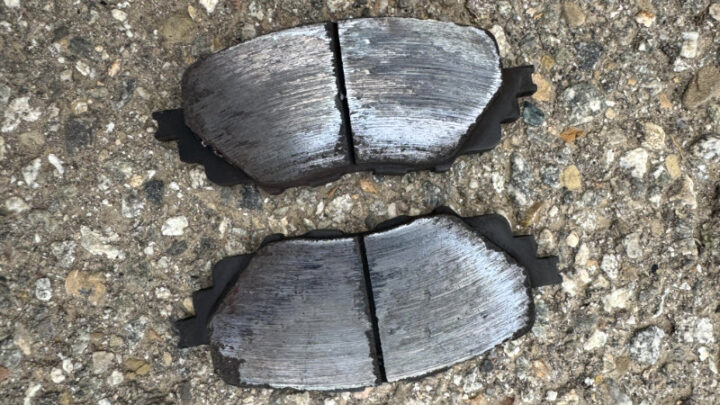
What you shouldn't do is assume worn pads. Pads wear out slowly and predictably, and they rarely cause a bump-specific rattle on their own. If your pads have plenty of material left, the noise is coming from something else in the assembly.
Throwing new pads at it just hides the real issue until it comes back louder.
One more thing worth saying plainly: never ignore a brake noise that comes with heat, smell, or a change in pedal feel. Those three symptoms together move the problem out of the "annoying but harmless" column and into the "park it and look at it now" column. A rattle alone is usually cheap to fix.
A rattle plus a dragging caliper is a rotor, a set of pads, and possibly a fluid flush.
If you take away one rule from all of this, make it this. Identify the condition, follow the branch, and fix the actual cause instead of the symptom you can hear. That's how a $15 hardware kit replaces a $600 guess, and how you keep your brakes quiet, safe, and stopping the way they should.
Similar Posts