Engine Displacement: Liters vs CC vs CI Explained
If you’ve ever stared at a spec sheet wondering what is engine displacement measured in (liters vs cc vs ci), you’re not alone. The confusion stems from decades of mixed standards across global markets. A European sedan might list 2.0L, while its American twin says 122ci.
Understanding these units helps you avoid costly parts mistakes or insurance errors. Manufacturer specifications indicate that precision matters more than marketing flair. Let’s break down exactly how these three systems interact and why they differ so wildly.
Why You’re Seeing Three Different Numbers for the Same Engine
Engine displacement measures the total volume swept by all pistons inside the cylinders during one complete cycle. It doesn’t measure power directly, but it sets the baseline for potential output. The variation in reporting comes from regional measurement traditions rather than engineering differences.
North America historically relied on Imperial units like cubic inches (ci). Europe and Asia adopted the Metric system, using liters (L) or cubic centimeters (cc). Today, most global manufacturers publish dual specs to satisfy both audiences.
However, rounding practices create slight discrepancies between the numbers.
For example, a 5.7-liter Chevrolet V8 is often called a 350-ci engine in classic car circles. These aren’t identical figures due to historical bore-and-stroke variations. Knowing which unit applies to your region prevents miscommunication with mechanics or suppliers.
As of 2026, digital catalogs still mix these formats inconsistently.
The Core Breakdown: Liters, CCs, and Cubic Inches Explained
Liters represent the most consumer-friendly metric for modern vehicles. One liter equals 1,000 cubic centimeters. This scale works well for engines ranging from 1.0L micro-cars to 7.0L supercars.
It offers enough granularity without overwhelming decimal places.
Cubic centimeters provide higher precision for smaller engines. Motorcycles and lawnmowers typically use cc because their volumes fall below 1.0L easily. A 125cc scooter engine is clearer than saying 0.125L.
Mechanics prefer cc when measuring minor modifications like boring out cylinders.
Cubic inches remain dominant in US muscle car culture. The term “big block” refers specifically to high-displacement V8s measured in ci. Ford’s 302ci Windsor and Chevy’s 350ci Small Block are legendary identifiers.
Converting these requires specific math factors defined by SAE International standards. Each unit serves a distinct audience and application need effectively.
Side-by-Side Comparison: Precision, Culture, and Practicality
Choosing the right unit depends on context, geography, and vehicle type. Here’s how they stack up against each other in real-world scenarios.
| Feature | Liters (L) | Cubic Centimeters (cc) | Cubic Inches (ci) |
|---|---|---|---|
| Primary Region | Global / Europe / Asia | Global / Motorcycles / Small Engines | USA / Classic Cars |
| Precision Level | Moderate (0.1L steps) | High (whole numbers) | Low (rounded integers) |
| Best For | Consumer Marketing | Technical Specs & Tuning | Heritage Identification |
| Conversion Factor | 1 L = 1,000 cc | 1 cc = 0.061 ci | 1 ci = 16.387 cc |
Liters dominate new car brochures because they simplify comparison shopping. You can instantly grasp that a 2.0L turbo beats a 1.5L naturally aspirated unit in torque density. Cubic centimeters shine in technical manuals where exact piston volume dictates fuel injection mapping.
Cubic inches carry emotional weight in the enthusiast community. Saying “my ’69 Camaro has a 350” signals heritage status. Using “5.7L” feels sterile to many old-school builders.
Understanding this cultural divide helps you communicate better with different automotive groups.
Real-World Use Cases: When to Trust Which Unit
Different situations demand specific units for accuracy and compliance. Misapplying them leads to wasted time or money. Here’s where each format proves essential.
- Buying Used Cars: Check the VIN decode for factory displacement. US imports may list ci, while JDM models show cc. Compare against local registration documents to ensure consistency.
- Ordering Performance Parts: Pistons and crankshafts are sold by exact cc or ci volume. A 0.030-inch overbore changes the total displacement significantly. Always verify the target unit before purchasing.
- Insurance Declarations: Some insurers categorize risk by engine size brackets. They may define “high performance” as anything over 3.0L or 183ci. Incorrectly stating your unit could void coverage.
- Racing Classes: Organizations like SCCA set strict displacement limits per class. Rules often specify maximum cc for safety and fairness. Exceeding these limits results in disqualification.
Motorcycle riders almost exclusively use cc. A 600cc sportbike is standard terminology globally. Car enthusiasts in the US still debate 5.0L versus 302ci distinctions.
Marine owners face similar splits between outboard horsepower ratings and internal combustion volume metrics.
Common Conversion Mistakes That Cost Money or Parts
Errors in unit conversion happen frequently among DIY mechanics. Rounding too early causes significant deviations in final calculations. Never assume 1 liter equals exactly 61 cubic inches.
The precise factor is 1 liter = 61.0237 cubic inches. Using 61 creates a small error that compounds with larger engines. On a 7.0L truck, that difference adds up to nearly 4 cubic inches.
This discrepancy affects compression ratios and head gasket sealing surfaces.
Another mistake involves confusing net vs. gross displacement definitions. Some older specs included accessory drive volumes incorrectly. Modern SAE J1349 standards clarify these measurements strictly.
Always cross-reference multiple sources before ordering custom components.
Finally, ignoring bore and stroke changes leads to mismatched parts. Increasing bore raises displacement differently than extending stroke. Both alter piston speed and valve timing requirements.
Verify the specific geometry, not just the total volume number.
Expert Tips for Reading Spec Sheets Like a Pro
Navigating dense technical data becomes easier with structured habits. Focus on these key indicators to extract accurate information quickly.
First, look for footnotes regarding measurement standards. Manufacturers sometimes adjust reported figures for tax purposes. A “2.0L” badge might actually cover a 1,998cc engine.
This subtle rounding helps meet regulatory thresholds in countries like Japan or France.
Second, check the cylinder count alongside displacement. A 2.0L inline-four behaves very differently from a 2.0L flat-six. Distribution of mass affects handling and vibration characteristics.
Don’t rely solely on total volume when assessing driving dynamics.
Third, verify whether the figure includes forced induction multipliers. Turbocharged engines don’t increase physical displacement. They force more air into the same volume.
Confusing boost pressure with larger cylinders leads to incorrect tuning expectations.
Lastly, use trusted converters for quick checks. Starter Replacement Cost isn’t relevant here, but knowing where to find reliable auto tech info is crucial. If you suspect a starter issue unrelated to displacement, consult guides on What Does A Starter Do to rule out electrical faults first.
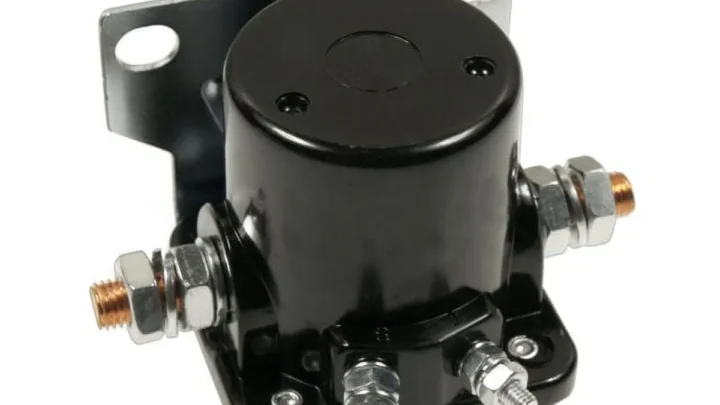
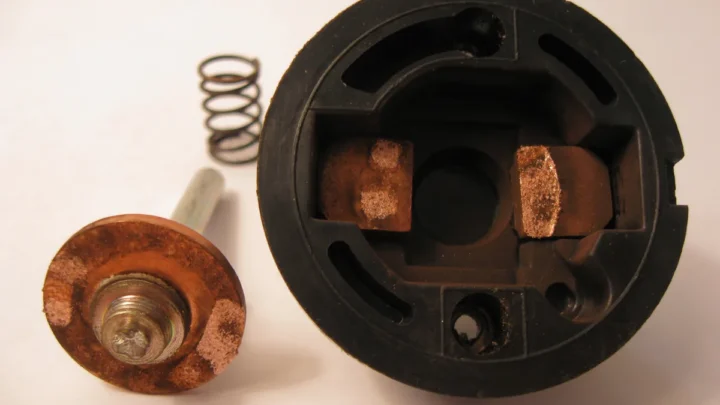
When diagnosing no-start conditions, remember that displacement doesn’t affect cranking amps. Issues usually stem from battery health or solenoid function. Reviewing Symptoms Of A Bad Starter Solenoid ensures you aren’t chasing ghost problems in the fuel delivery system.
For those modifying engines, understanding volumetric efficiency is key. Displacement sets the stage, but airflow determines the performance ceiling. Poor intake design wastes available cubic inches.
Optimizing flow paths yields better gains than simply adding capacity.
Always double-check legal registrations. Mixing units on titles causes administrative headaches. Ensure your paperwork matches the physical engine installed.
Inconsistent records trigger audits in some jurisdictions. Keep receipts for all major component swaps.
Finally, engage with community forums specific to your platform. Enthusiasts often share verified conversion charts for niche models. Generic online calculators miss brand-specific quirks.
Peer validation reduces the risk of expensive ordering errors.
Frequently Asked Questions
Is 1 liter exactly equal to 61 cubic inches?
No, it’s not precise. One liter equals approximately 61.0237 cubic inches. Using 61 creates a small error margin.
For most casual comparisons, this rounding is acceptable. However, precision machining demands the exact figure. Even a 0.02% deviation matters in high-performance racing applications.
Always use the full decimal for critical calculations.
Why do US cars still use cubic inches sometimes?
It’s largely cultural and historical legacy. American muscle car enthusiasts identify engines by their ci rating. Terms like "350 Small Block" carry emotional weight.
Changing to liters would alienate this core demographic. Manufacturers keep dual listings to satisfy both traditionalists and global buyers. It bridges the gap between heritage and modernity effectively.
Does higher displacement always mean more power?
Not necessarily. Technology plays a huge role here. A modern 2.0L turbo can outperform an old 5.0L V8.
Factors like forced induction, variable valve timing, and direct injection boost efficiency significantly. Displacement sets a potential ceiling, but engineering determines the actual output. Don’t judge performance solely by volume alone.
How do I convert cc to liters quickly?
Divide the cubic centimeter value by 1,000. For example, 1,998cc becomes 1.998 liters. This shifts the decimal point three places to the left.
It’s the simplest mental math trick for metric conversions. Most manufacturers round this to 2.0L for marketing purposes. Check the exact spec sheet for the unrounded number.

Similar Posts