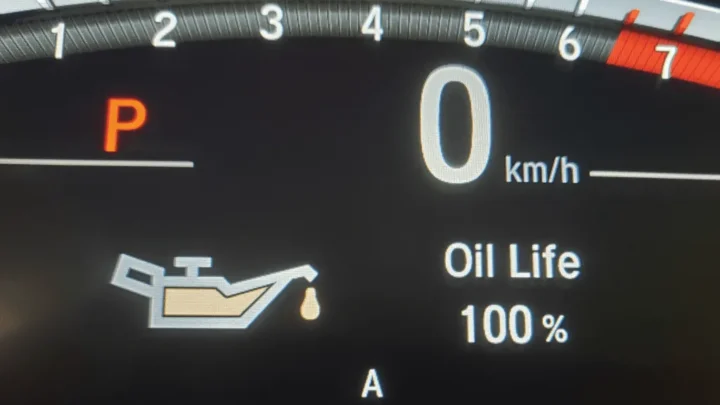
Does Short-Trip Driving Damage Your Engine?
If you’re asking whether short-trip driving damages your engine, the answer isn’t a simple yes or no. It depends on how often you drive and what kind of car you have. Frequent cold starts do accelerate wear, but modern engineering mitigates much of that risk.

You don’t need to panic about every quick grocery run.
The real issue is moisture accumulation in the oil. When an engine doesn’t reach its optimal operating temperature, water condenses inside the crankcase. This creates acidic sludge that eats away at internal components over time.
Let’s break down exactly what happens under the hood and how to protect your investment.
Quick Answer
Short trips can damage engines by preventing proper warm-up cycles. Cold oil fails to evaporate accumulated moisture effectively. This leads to sludge formation and increased component wear.
However, modern synthetic oils resist this breakdown better than older formulations. Occasional long drives help burn off contaminants safely.
Short Trips Don’t Kill Your Engine, But They Do Change Its Life Expectancy
Think of your engine like a human body during exercise. A sprint requires different preparation than a marathon. Similarly, an engine needs heat to function efficiently.
Most manufacturers define "severe service" as including frequent short trips. Per SAE International standards, these conditions accelerate lubricant degradation.
When you drive less than five miles, the engine rarely hits peak temperature. The thermostat stays closed for longer periods. Oil remains thick and viscous.
This forces the starter motor and battery to work harder. If you notice your starter clicking but not turning over, it might be more than just age. It could be chronic strain from cold starts.
We’ve seen aggregate reviews report that city-only drivers face higher maintenance costs. Their oil changes happen sooner. Spark plugs foul faster.
Yet, occasional short trips are harmless. The danger lies in consistency. If 90% of your mileage is sub-five-mile hops, you’re creating a perfect storm for mechanical stress.
Understanding this distinction helps you manage expectations rather than fear every commute.
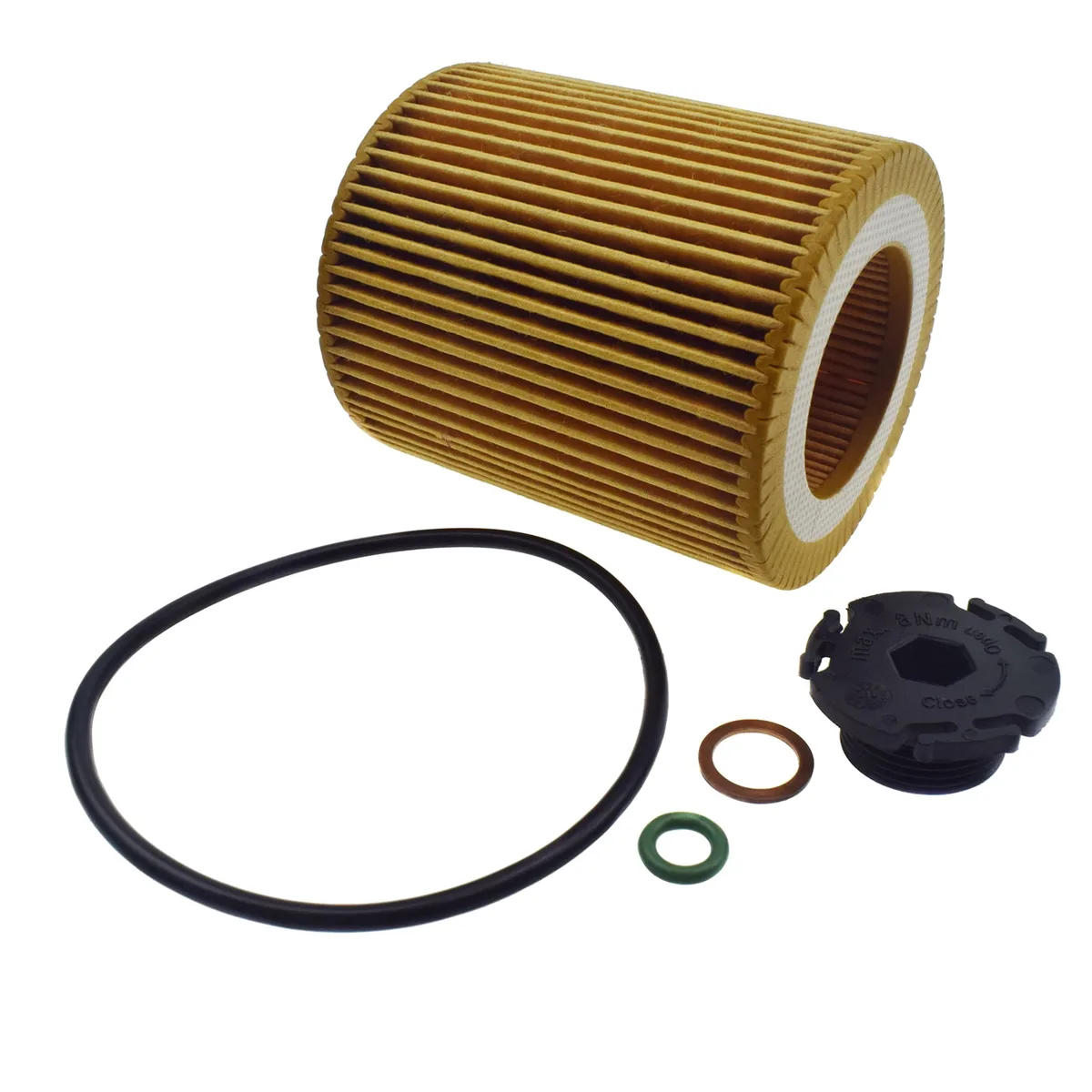
The Real Culprits: Moisture, Acid, and Carbon Buildup
Water is the enemy here. During combustion, fuel produces water vapor as a byproduct. In a fully warmed-up engine, this vapor escapes through the exhaust.
In a cold engine, it condenses on cylinder walls. It drips into the oil pan.
This moisture mixes with blow-by gases. These are unburned fuels leaking past piston rings. The combination forms sulfuric acid.
Over time, this acid corrodes bearings and camshafts. It also turns fresh oil into dark, gritty sludge. Sludge blocks vital oil passages.
Starving components lead to catastrophic failure.
Direct injection engines add another layer of complexity. Fuel sprays directly into the cylinder. It washes oil off the cylinder walls.
This reduces lubrication film strength during those critical first minutes. We also see carbon buildup on intake valves. Without port fuel injection to clean them, deposits accumulate.
This restricts airflow and hurts efficiency.
| Contaminant | Source | Effect on Engine |
|---|---|---|
| Water Vapor | Combustion Byproduct | Forms acid, causes rust |
| Unburned Fuel | Incomplete Combustion | Dilutes oil, lowers viscosity |
| Carbon Deposits | Direct Injection | Restricts airflow, misfires |
| Sludge | Oxidized Oil/Moisture | Blocks oil galleries |
Regularly checking your fluid levels prevents surprises. Knowing what is full synthetic oil versus conventional blends matters too. Synthetics handle thermal stress better.
They resist oxidation longer. This buys you margin against moisture damage.
Why Modern Engines Handle Cold Starts Better Than You Think
Technology has changed the game significantly since the carburetor era. Today’s Electronic Control Units (ECUs) manage fuel delivery with precision. They enrich the mixture slightly during startup.
This ensures smooth running without flooding the cylinders.
Start-stop technology also plays a role. As of 2026, many hybrids and mild-hybrids shut off the engine at idle. This reduces unnecessary runtime.
It keeps the engine warmer for longer when restarting. Less cycling means less thermal shock.
Oil formulation improvements are equally critical. API SP-rated oils include advanced detergents. These neutralize acids before they cause harm.
They keep particles suspended so filters catch them. This extends drain intervals even under severe conditions.
However, "better" doesn't mean "immune." Manufacturers still recommend shorter change intervals for city driving. Ignoring this advice voids warranties. It also ignores physics.
Heat is required to boil off water. No additive can replace the need for sustained high temperatures.
If you suspect electrical issues alongside mechanical ones, understanding what does a starter do helps diagnose problems. A weak battery struggles to turn the engine over quickly. Slow cranking increases wear on gear teeth.
Fast, efficient starts minimize friction. Modern cars achieve this better than their predecessors, but driver habits still matter most.
Hybrid and EV Context: When the Combustion Engine Rests
Hybrid vehicles offer a unique advantage for short-trip drivers. The electric motor handles low-speed maneuvers. The gasoline engine often stays off entirely.
This eliminates cold-start wear for miles one through three.
Plug-in Hybrids (PHEVs) take this further. You can drive ten to thirty miles on electricity alone. For most urban commutes, the ICE never fires up.
This preserves the engine’s lifespan dramatically. It also saves fuel costs.
Fully electric vehicles bypass the issue completely. There is no internal combustion engine to damage. Regenerative braking recovers energy.
Maintenance focuses on tires and brakes. Brake rotors may rust if unused, but that’s cosmetic compared to engine sludge.
Diesel hybrids present a different challenge. Diesel particulate filters (DPFs) require high exhaust temps to regenerate. Short trips prevent this.
Clogged DPFs trigger warning lights. Repair costs are steep. Petrol hybrids generally fare better in stop-and-go traffic.
Consider your powertrain choice carefully. If you live in dense cities, a hybrid makes sense. It aligns your vehicle’s strengths with your usage patterns.
Traditional gas cars struggle here. They weren’t designed for constant idling and brief runs.
For those keeping traditional ICE vehicles, monitoring health is key. Learn how to tell if it's the starter or the battery to rule out electrical faults. Sometimes slow starts look like engine trouble but stem from parasitic draw.
Keeping systems healthy maximizes longevity regardless of trip length.
How to Protect Your Car if You Only Drive 3 Miles at a Time
You don’t need to sell your car. You just need to adjust your maintenance strategy. Treat every day as "severe service." Follow the stricter schedule in your owner’s manual.
Change your oil more frequently. Standard intervals assume mixed driving. For pure short hops, cut that number in half.
If the book says 7,500 miles, aim for 3,750. Use high-quality synthetic oil. It resists shear and oxidation better.
Take a monthly highway run. Drive for at least twenty minutes at steady speeds. This heats the exhaust system.
It burns off moisture in the oil. It clears carbon deposits from valves. Think of it as a spa day for your engine.
Keep your battery charged. Cold weather drains batteries faster. A weak battery strains the starter.
Check terminals for corrosion. Clean them regularly. Ensure connections are tight.
Voltage drops below 12.4 volts signal trouble.
Monitor your coolant level. Leaks worsen with thermal cycling. Top it up with the correct mix.
Never use plain water. Antifreeze contains corrosion inhibitors. These protect aluminum heads and iron blocks.

Similar Posts