What Mileage Is Too High for a Used Car Engine?
Figuring out what mileage is considered high for a used car engine feels tricky because the answer isn't one single number. It depends heavily on how that engine was built and cared for over its life. A 100,000-mile Toyota might have plenty of road left, while a neglected luxury sedan could be nearing failure at 60,000 miles.
We've seen aggregate data show that modern engines routinely last past 200,000 miles with proper maintenance. The Bureau of Transportation Statistics tracks average vehicle age rising steadily, pushing typical ownership periods longer. Let's break down exactly where your specific car stands on this spectrum so you don't buy a lemon or miss a bargain.
Quick Answer
High mileage usually starts around 100,000 to 150,000 miles for most gas engines. Diesels and hybrids often remain reliable until 200,000 miles or more. Maintenance history matters far more than the odometer reading alone.
Always verify service records before making a final decision on any used vehicle purchase today.
The 100k Mile Myth: Why One Number Doesn’t Fit All Engines
For decades, mechanics warned buyers to avoid anything over 100,000 miles. That rule is outdated in 2026. Manufacturing tolerances have tightened significantly since then.
Modern materials resist wear better than those from the 1990s.
Think of mileage as a condition score, not a death sentence. An engine’s lifespan varies wildly by design. Naturally aspirated four-cylinders behave differently than complex twin-turbo V8s.
Hybrid systems add another layer of complexity entirely.
Defining "High" by Powertrain Type and Maintenance History
You need to categorize the engine first. This determines your baseline expectation for longevity. Here is how different powertrains typically hold up under normal driving conditions.
| Engine Type | Typical "High Mileage" Threshold | Key Longevity Factor |
|---|---|---|
| Gasoline (Naturally Aspirated) | 150,000–200,000 miles | Consistent oil changes prevent sludge buildup. |
| Turbocharged Gasoline | 100,000–140,000 miles | Heat stress degrades seals faster than NA engines. |
| Diesel | 250,000+ miles | Robust construction handles compression well long-term. |
| Hybrid | 200,000+ miles | Electric motor reduces strain on the gas engine. |
Notice how the turbo category sits lower. Forced induction creates intense heat and pressure. This stresses head gaskets and valve stem seals earlier.
If you see a turbo car with 120,000 miles, inspect it closely.
Maintenance history acts as a multiplier here. A well-documented service record can push a borderline car into safe territory. Conversely, missed oil changes ruin even the toughest engine quickly.
We always advise checking for gaps in service logs before trusting the odometer.
Your Personal High-Mileage Threshold Calculator
Don't rely on generic charts. You need to assess the specific vehicle in front of you. Use this three-step workflow to determine if the mileage is truly high for that particular car.
This method filters out noise and focuses on critical risk factors.
Step 1: Identify the Engine Architecture (NA, Turbo, Hybrid, or Diesel)
Look up the engine code online or check the VIN decoder. Determine if it uses forced induction. Turbocharged engines generally have shorter lifespans due to thermal cycling.
Hybrids often extend engine life because the electric assist reduces load during acceleration.
If it’s a simple naturally aspirated engine, raise your threshold. These designs are less stressed mechanically. They tolerate higher mileages provided fluids were changed regularly.
For turbos, keep your expectations conservative. Wear items like intercooler pipes and wastegates degrade sooner.
Step 2: Audit the Service Records for Critical Intervals
Pull the full history report. Look specifically for oil change frequency. Manufacturer specifications indicate synthetic oil intervals vary widely.
Some cars need changes every 5,000 miles; others stretch to 10,000.
Missed intervals are red flags. Sludge forms when oil breaks down. This clogs passages and starves bearings.
Check for timing component replacements too. Belts need changing every 60,000 to 100,000 miles depending on the model. Chains should last longer but still stretch over time.
Verify coolant flushes happened on schedule. Old coolant becomes acidic. This corrodes water pumps and radiator fins internally.
A lack of recent cooling system service suggests potential overheating issues ahead.
Step 3: Assess Driving Conditions (Stop-and-Go vs. Highway Cruising)
Miles driven in traffic wear engines faster. Frequent idling causes carbon buildup on valves. Stop-and-go cycles create heat spikes that highway cruising avoids.
Ask the seller about usage patterns. Mostly city commuting? Treat 80,000 miles as potentially high.
Mostly highway trips? 150,000 miles might still feel fresh. Highway miles allow consistent operating temperatures. This preserves seals and gaskets much better than urban stop-start driving.
Red Flags That Matter More Than Odometer Readings
Sometimes low mileage hides bigger problems than high mileage does. Cars sitting unused develop dry rot in rubber components. Seals shrink and crack without lubrication flow.
When you finally drive them, leaks appear everywhere.
Focus on symptoms rather than just numbers. Physical evidence of neglect outweighs a clean odometer display. We’ve seen 50,000-mile cars fail catastrophically due to storage damage.
Meanwhile, 180,000-mile vehicles run smoothly with proper care.
Compression Losses, Oil Consumption, and Timing Component Wear
Start with a cold start test. Listen for knocking or rattling noises. Persistent ticking often indicates worn lifters or hydraulic lash adjusters.
Deep knocking signals bearing failure. Both require expensive repairs soon.
Check the exhaust smoke color. Blue haze means burning oil. White sweet-smelling vapor suggests coolant leaking into cylinders.
Black smoke points to rich fuel mixture issues. Any colored smoke warrants immediate mechanical inspection before purchase.
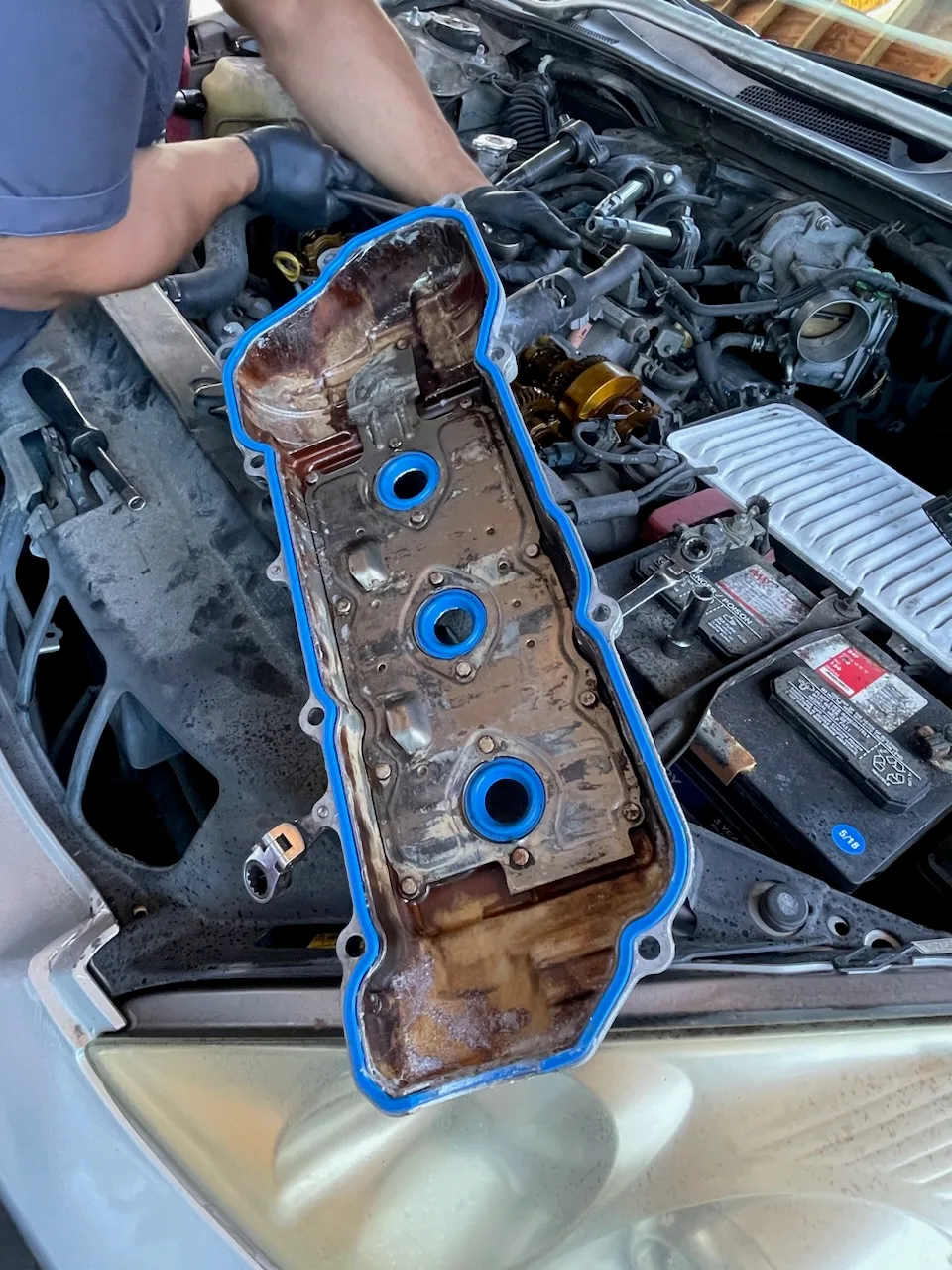
Inspect spark plugs if accessible. Fouled electrodes reveal combustion inefficiencies. Wet, oily plugs indicate valve cover gasket failures.
Dry, brittle insulation shows excessive heat exposure. These small details tell the true story of engine health.
When Low Mileage Is Actually Riskier Than High Mileage
Sealed components degrade with age, not just use. Rubber hoses become brittle after five years regardless of miles. Plastic intake manifolds warp from thermal expansion cycles.
Electronics suffer from moisture intrusion during idle periods.
A ten-year-old car with 30,000 miles faces these aging risks. Gaskets may leak simply because they hardened. Sensors drift out of calibration without regular operation.
High-mileage cars, conversely, have proven their durability through continuous use. Their parts are warmed up and expanded correctly.
Cost-Benefit Analysis: Buying High vs. Mid-Life Vehicles
Money drives decisions here. Depreciation hits hardest in the first three years. By year five, value stabilizes somewhat.
Buying high-mileage offers steep discounts upfront. But repair costs loom larger immediately after purchase.
Mid-life vehicles (80,000, 120,000 miles) balance price and reliability. You avoid the steepest depreciation curve. Yet major services aren't overdue yet.
This sweet spot often provides the best total cost of ownership.
Depreciation Curves and Immediate Repair Risks
Calculate potential repair bills against savings. A $2,000 discount isn't worth it if you face a $3,000 transmission rebuild next month. Review common failure points for that specific model year.
Forums and technical service bulletins list known weak spots.
Budget for preventative maintenance upon purchase. Change all fluids immediately. Replace filters and belts proactively.
This resets the clock on wear items. It costs money upfront but prevents unexpected breakdowns later. Think of it as an insurance policy for your new asset.
Strategic Investments in Preventative Maintenance
Prioritize spending based on risk severity. Timing belt replacement is non-negotiable if overdue. Water pump failures cause catastrophic engine damage.
Ignition coils and spark plugs affect drivability directly.
Skip cosmetic upgrades initially. Focus solely on mechanical integrity. Ensure brakes, tires, and suspension components meet safety standards.
These items protect occupants physically. Engine health protects your wallet financially. Balance both priorities carefully during your inspection phase.
Pre-Purchase Inspection Workflow for Used Cars Over 80k Miles
Never buy sight-unseen. Insist on an independent mechanic inspection. Seller-provided reports often gloss over minor leaks or codes.

Similar Posts