How to Inspect a Used Car Before You Buy: The Step-by-Step Checklist
I’ve bought seven cars in my life, and I’ve helped friends and family look at dozens more. And I can tell you the single most expensive mistake people make: they fall in love with a car before they’ve actually checked it.
A used car can be one of the best deals on the planet — or a money pit that drains your wallet for years. The difference usually comes down to twenty focused minutes in a parking lot, before any money changes hands.
This is the exact checklist I use every time. No special tools, no mechanic’s license — just your eyes, your ears, and a bit of patience. Print it out, take it with you, and don’t skip steps.
Before you go: do this first
Half the work happens before you ever see the car.
- Check the market price. Look up the same year, make, model, and mileage on a couple of listing sites so you know what a fair price actually is.
- Ask for the VIN. A seller who won’t give you the VIN before you visit is a seller to be careful with.
- Run a history report. Use the VIN to pull a vehicle history report (Carfax, AutoCheck, or the free NHTSA VIN lookup for recalls). Look for accidents, title problems, and odometer inconsistencies.
- Go in daylight, in dry weather. Rain hides paint problems and darkness hides everything. Never inspect a car at night.
Bring with you: a flashlight, a magnet (more on that below), a rag, your phone, and a friend if you can. A second set of eyes keeps you honest when you start getting excited.
Step 1: Walk around the exterior
Start with the car parked on level ground, engine cold. Slowly walk all the way around it.
- Check the panel gaps. The spaces between doors, hood, and fenders should be even. Uneven gaps often mean the car was in a crash and put back together.
- Look down each side in the light. Stand at the front and look down the body toward the back. Ripples, waves, or slightly different paint shades point to bodywork or a respray.
- Use the magnet trick. A magnet sticks to steel but not to the body filler used to patch dents. If it won’t stick somewhere it should, that spot was repaired.
- Hunt for rust. Check the wheel arches, door bottoms, and the frame underneath. Surface rust is normal; flaking or bubbling rust on the frame is a walk-away.
- Test every light. Headlights, brake lights, turn signals, reverse lights — all of them.
Step 2: Check the interior
- Match the wear to the mileage. A car showing 40,000 miles shouldn’t have a shiny worn steering wheel, sagging seats, and worn pedals. If the wear looks like 120,000 miles, trust the wear — not the odometer.
- Turn the key to “on” (before starting). Every warning light should light up, then go out once the engine runs. If the check-engine or airbag light never comes on at all, someone may have hidden a problem by removing the bulb.
- Test everything electrical. AC and heat, all windows, locks, wipers, radio, cameras, and every button. Electrical gremlins are expensive and annoying.
- Smell the cabin. A musty or moldy smell can mean a water leak or flood damage. A heavy air-freshener smell can mean someone’s hiding one.
Step 3: Look under the hood
You don’t need to be a mechanic here — just look for the obvious.
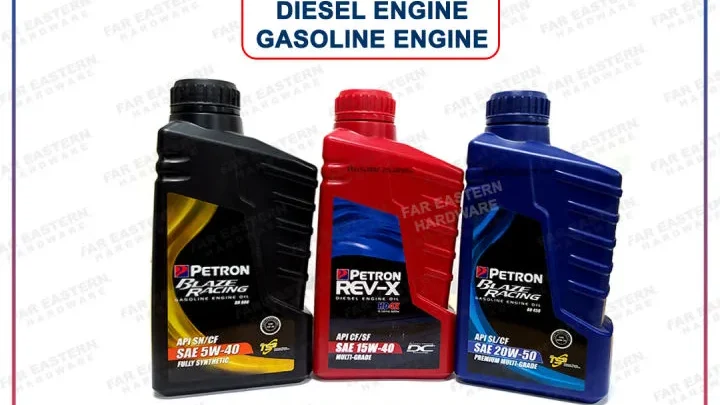
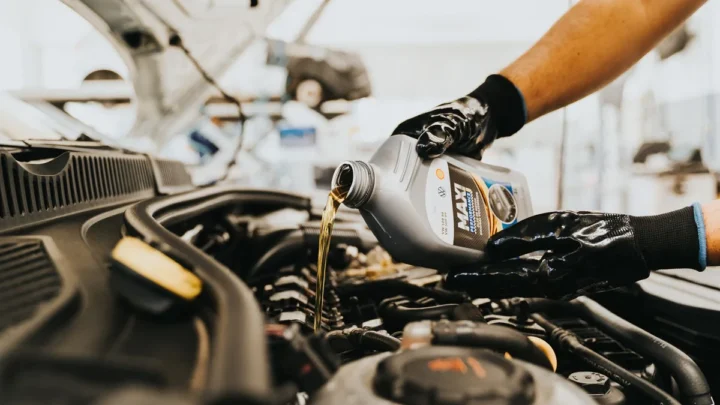
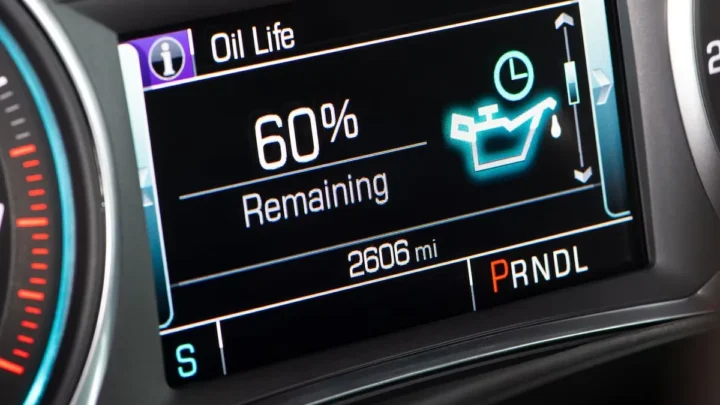
- Check the oil. Pull the dipstick. The oil should be brownish and smooth. Gritty, milky, or foamy oil is a serious red flag.
- Look for leaks. Wet, oily, or crusty buildup around the engine and on the ground under the car means something is leaking.
- Inspect belts and hoses. They should be firm, not cracked, brittle, or soft and spongy.
- Check the coolant and fluids. Low or dirty fluids suggest the car wasn’t maintained.
Step 4: Tires and brakes
- Read the tire wear. All four tires should wear evenly. Wear on just the inner or outer edge points to alignment or suspension problems.
- Check they match. Four different tire brands can mean the owner cut corners everywhere else too.
- Look at the brakes. Through the wheels you can often see the brake discs — deep grooves or a thick lip of rust mean brake work is coming.
Step 5: The test drive (don’t skip this)
This is where most problems reveal themselves. Drive for at least 15 minutes on different roads — not just around the block.
- Cold start it yourself. Start the engine cold and watch the exhaust. Blue smoke means burning oil; white smoke that lingers can mean a head gasket problem.
- Listen with the radio off. Knocks, ticking, whining, or grinding are all clues. The car should idle smoothly.
- Feel the brakes. They should stop straight and firm, with no pulling, grinding, or a pulsing pedal.
- Test the steering. No vibration, pulling, or clunks over bumps. The car should track straight when you briefly loosen your grip on a flat, empty road.
- Watch the transmission. Shifts should be smooth. Hard jerks, slipping, or a delay when you put it in gear can mean a very expensive repair.
Step 6: Check the paperwork
- Match the VIN. Confirm the VIN on the dashboard and door jamb matches the title and the history report.
- Read the title carefully. A “salvage,” “rebuilt,” or “branded” title means the car was once written off. It can still be fine — but the price should be far lower, and you should know exactly why.
- Ask for service records. A folder of receipts is one of the best signs you can find. It means someone cared.
The red flags that mean “walk away”
No single item below is worth ignoring your gut. Any one of these is a good enough reason to leave — there’s always another car.
- The seller won’t let you take it to a mechanic.
- The title is missing, or the name on it isn’t the seller’s.
- Milky oil or coolant, or heavy blue/white exhaust smoke.
- Frame rust, or panel gaps that scream past accident.
- The odometer and the wear don’t match.
- The seller is rushing you or pressuring you to decide “today.”
Get a pre-purchase inspection
If the car passes everything above and you’re serious, spend the money on a pre-purchase inspection (PPI). For around $100–$200, an independent mechanic puts it on a lift and tells you what you can’t see from a parking lot. A seller with nothing to hide will say yes. One who refuses just told you everything you need to know.
Now you can negotiate
Here’s the real payoff: every issue you found is a bargaining chip. Worn tires, upcoming brakes, a small leak — add up what they’ll cost to fix and use that number, calmly, to bring the price down. Facts win negotiations. Emotions lose them.
Buy right, and a used car will serve you faithfully for years. Skip the checklist, and you’re gambling with thousands of dollars. Twenty minutes of patience is the cheapest insurance you’ll ever buy.
Got a car you’re looking at right now? Drop the year, make, and mileage in the comments and I’ll tell you what to watch out for on that specific model.
Drive smart. 🔧
— Ryan Carter, founder of AutoVerse Authority

Similar Posts