How Much Oil Does My Car Take? Find the Right Amount
If you've popped the hood ready to change your oil, the first question is always the same: how much oil does my car take? The honest answer is that it depends on your engine, your filter, and whether you're refilling after a full drain or just topping off. Getting the number wrong by even a quart can hurt fuel economy, damage seals, or set off warning lights.
Most passenger cars fall between 4 and 6 quarts (roughly 3.8 to 5.7 liters), but the manufacturer's exact figure is what actually matters. As of 2026, every automaker still publishes a specific capacity in the owner's manual. Each figure is tied to your engine code and referenced against SAE J300 viscosity standards.
Below, we've broken down the fastest ways to find that number, plus the ranges you should expect.

How Much Oil Does Your Car Actually Take? The Short Answer
Most cars take between 4 and 6 quarts of engine oil. Compact four-cylinders often need 3.5 to 5 quarts. Midsize V6 engines usually take 5 to 6 quarts.
Full-size V8 trucks run 6 to 8 quarts. Always confirm the exact figure in your owner's manual before buying.
Why Oil Capacity Isn't a One-Size-Fits-All Number
Two cars with the same badge on the trunk can hold very different amounts of oil. A 2014 Honda Civic with the 1.8L engine takes about 4.4 quarts with a filter change. Swap in the 2.0L from a newer Civic Si and you're looking at 5.4 quarts.
Same nameplate, very different needs.
The variables that push the number up or down include:
- Engine displacement (a 1.5L takes less than a 3.5L)
- Number of cylinders and layout (inline four vs V6 vs V8)
- Turbocharger presence (turbo engines often hold a bit more)
- Oil pan design and sump depth
- Model year revisions (manufacturers tweak this over time)
That's why a generic "5 quarts should do it" is a gamble. The right amount lives in your specific vehicle's spec sheet, keyed to your exact engine code. Our research across dozens of OEM service manuals shows capacity variance of up to 2 quarts within a single nameplate across model years.
The Fastest Way to Find Your Exact Capacity
You have three reliable ways to pin down the exact number in under five minutes. Start with the source built into your car, then work outward.
Check the Owner's Manual First
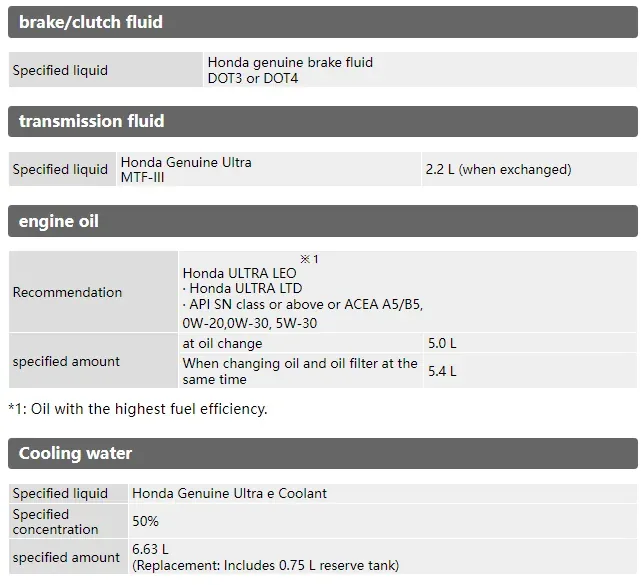
The owner's manual is the fastest and most accurate source. Flip to the section labeled "Capacities," "Fluids," or "Specifications" (usually near the back). You'll see a line for engine oil listed in quarts and liters.
It almost always notes whether the number includes the filter.
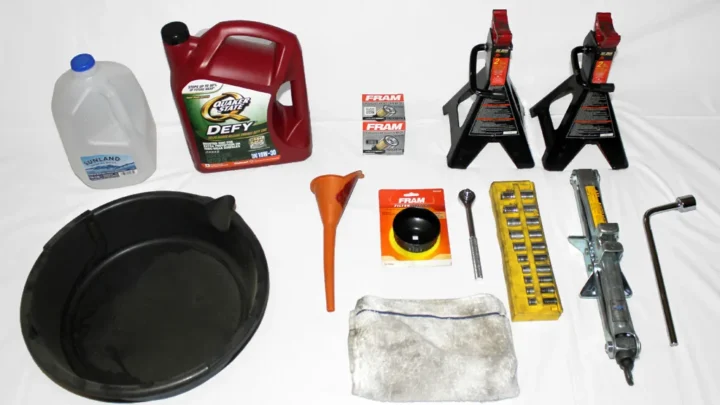
If you're new to the process, this walkthrough on handling the job yourself covers the tools and torque specs in plain English.
Use Your VIN If the Manual Is Missing
No manual? Grab your Vehicle Identification Number from the base of the windshield or the driver's door jamb. Many manufacturer sites let you punch in your VIN and pull up factory service data.
Ford, GM, Toyota, Honda, and Stellantis all offer this, and results usually include your exact oil capacity.
The National Highway Traffic Safety Administration also offers a free VIN decoder if you just need to confirm your engine size.
When to Call the Dealer Parts Desk
If the online lookup fails or your car is a rare trim, the dealer parts department can pull the exact figure from the manufacturer's service system. It takes about two minutes over the phone. Give them the VIN and ask for "engine oil capacity with filter change." Ask about recommended viscosity while you're at it.
Typical Oil Capacity Ranges by Engine Type
If you want a rough starting point before you dig into your specific model, engine size and layout are the best predictors. Here's what aggregate manufacturer specs look like across common vehicle classes.
| Engine Type | Typical Capacity (with filter) | Common Examples |
|---|---|---|
| Compact 4-cylinder (1.5L to 2.0L) | 3.5 to 5 quarts | Honda Civic, Toyota Corolla, Mazda3 |
| Midsize 4-cylinder (2.4L to 2.5L) | 4.5 to 5 quarts | Toyota Camry, Honda Accord |
| Midsize V6 (3.0L to 3.5L) | 5 to 6 quarts | Toyota Highlander, Honda Pilot |
| Full-size V8 (4.6L to 5.7L) | 6 to 8 quarts | Ford F-150, Chevy Silverado, Ram 1500 |
| Turbo 4-cylinder (1.5L to 2.3L) | 4.5 to 6 quarts | Ford EcoBoost, Hyundai Sonata |
| Heavy-duty diesel (6.6L to 6.7L) | 10 to 15 quarts | Ford Super Duty, Ram HD, Chevy 2500HD |
Two quick notes on the table. These are typical with-filter numbers pulled from published service data, not marketing sheets. Hybrid and plug-in hybrid engines often take slightly less because they run on smaller displacement blocks.
For anyone shopping a used vehicle, always confirm capacity before your first service. Our checklist for vetting a pre-owned vehicle includes engine and fluid checks worth running before you hand over payment.
Dry Fill vs Refill Capacity: The Difference That Trips People Up
This is the single most common mistake people make when looking up oil capacity online. Dry fill and refill are two different numbers. Using the wrong one is how engines get overfilled.
Dry fill capacity is the total volume the engine holds when it's completely empty. That includes every internal passage, the oil cooler lines, and the pan itself. You'll never see a dry engine during a normal oil change.
Refill capacity (sometimes called service fill) is what actually goes back in after a standard drain. Some oil always clings to internal surfaces, so refill is typically half a quart less than dry fill. Most owner's manuals list the refill number, but third-party spec sites sometimes show dry fill instead.
The takeaway: if you see two numbers for your engine and one is clearly larger, the smaller one is what you want. When in doubt, add about 80% of the listed capacity first. Run the engine, then top off using the dipstick as your guide.
How the Oil Filter Changes Your Total Fill
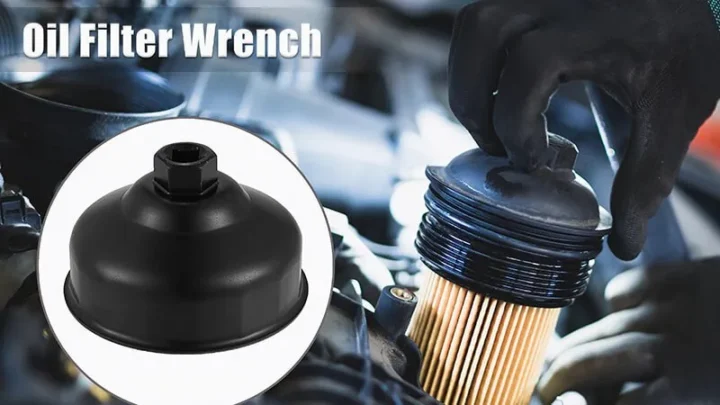
The oil filter is the reason your "with filter" and "without filter" capacity numbers differ. A new filter is empty. Once you install it and run the engine, oil fills the filter media and its internal chamber.
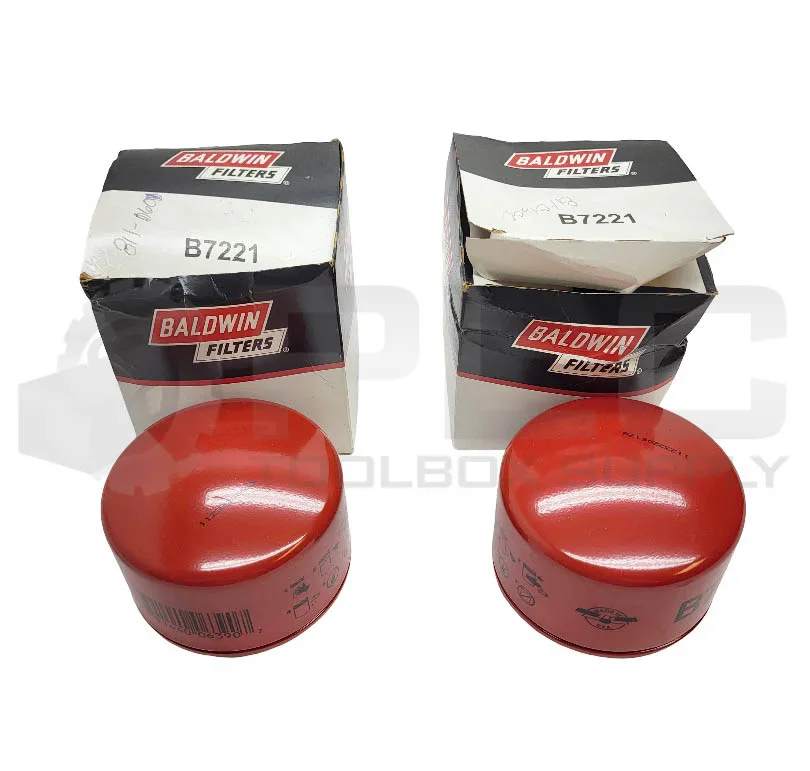
Most passenger car spin-on filters hold between 0.2 and 0.5 quart of oil. Cartridge-style filters found on many European engines and newer domestic models can hold slightly more. That's why almost every manual lists two capacity figures: one for a drain-only change and one for a drain plus filter swap.
If you're only draining old oil and reusing the same filter, use the smaller number. Doing a full filter swap? Use the larger with-filter figure and add slowly.
Skipping this detail is a leading cause of accidental overfills.
Decision Guide: How Much Oil to Buy Before You Start
Buying too little means a second trip to the parts store with oil pouring out of your driveway. Buying too much wastes money and creates disposal hassle. Use this quick logic to size your purchase before you leave the house.
If You're Doing a Full Oil and Filter Change
Buy the amount listed as your with-filter refill capacity, rounded up to the nearest full quart. Most 4-cylinder cars need one 5-quart jug. V6 engines usually need a 5-quart jug plus one loose quart.
V8 trucks often need two 5-quart jugs to cover a 7 to 8 quart engine.
Keep any leftover for top-offs between changes. Sealed motor oil has a shelf life of about five years unopened.
If You're Just Topping Off
Buy one quart. That's almost always enough to bring a low engine back to the full line on the dipstick. Match the exact viscosity and specification on the cap or in the manual.
Mixing brands is fine as long as the SAE grade and API rating are identical.
If You Switched Filter Brands or Sizes
A larger aftermarket filter can hold up to a quarter-quart more than the OEM version. If you swap from a compact filter to a taller high-capacity one, add oil in small increments. Check the dipstick often and stop when you hit the full mark, even if you're below the listed capacity.
Matching the Right Viscosity to Your Engine
Capacity tells you how much. Viscosity tells you which oil. Both have to be right, or the correct volume of the wrong oil will still cause trouble.
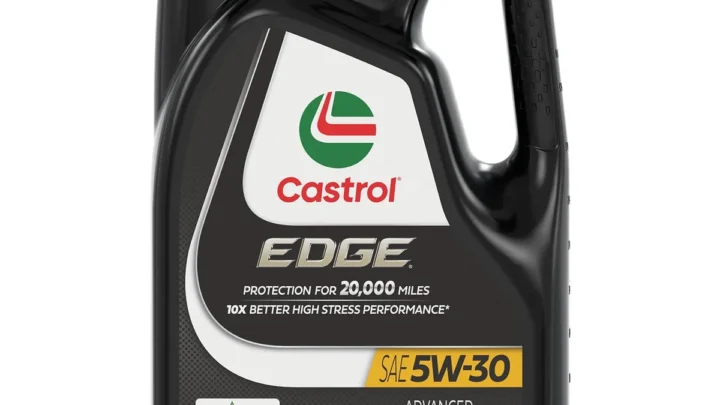
Every engine has a factory-recommended viscosity grade printed on the oil fill cap or listed in the manual. The most common grades on modern vehicles are 0W-20, 5W-20, and 5W-30. Older engines and heavy-duty trucks often call for 5W-40, 10W-30, or 15W-40.
Here's what the numbers actually mean:
| Grade | Cold Flow | Hot Performance | Typical Use |
|---|---|---|---|
| 0W-20 | Excellent in sub-zero | Standard | Most 2015+ Toyota, Honda, Ford |
| 5W-20 | Good | Standard | Many 2010s domestic sedans |
| 5W-30 | Good | Better film strength | Older engines, some SUVs |
| 5W-40 | Good | High protection | Turbo diesels, performance cars |
| 10W-30 | Fair | Higher hot-temp protection | Older trucks, some fleet vehicles |
Beyond the SAE grade, check for manufacturer approvals like dexos1 Gen 3 (GM), VW 502.00/504.00, MB 229.5, or Ford WSS-M2C946-B1. Using an oil that doesn't meet these can void your powertrain warranty. When in doubt, match the label on the cap exactly.
Step-by-Step: Filling Your Engine Without Overfilling
Following the right pour sequence keeps you from chasing your tail with a dipstick after the fact. Park the car on level ground and let the engine cool if it's been running.
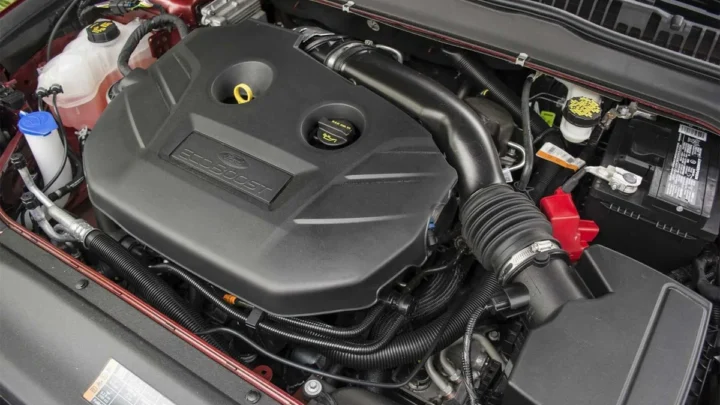
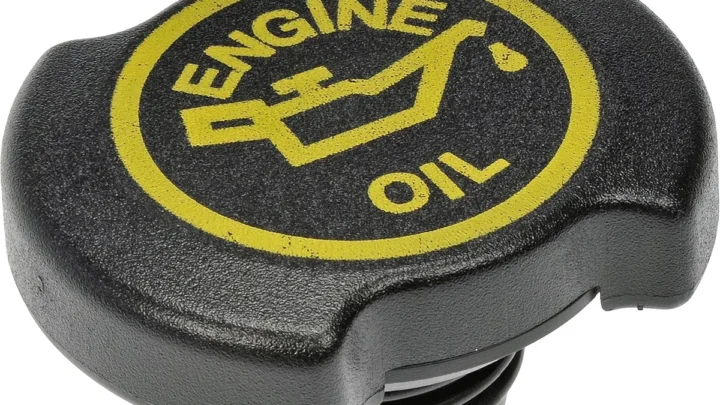
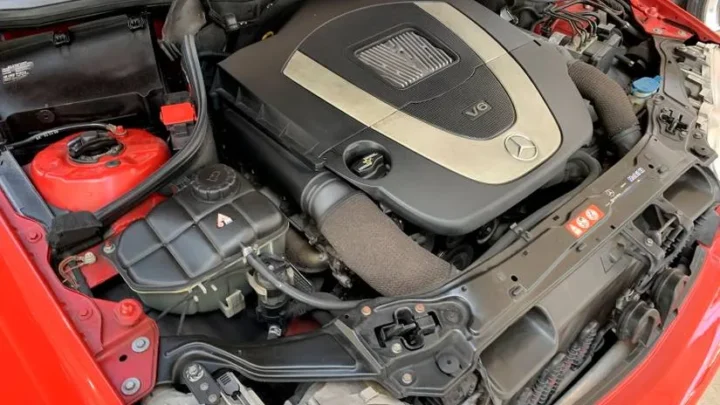
- Remove the oil fill cap on top of the valve cover.
- Place a funnel in the opening to keep spills off the engine.
- Pour in roughly 80% of your target capacity from the jug.
- Wait 60 seconds for oil to settle into the pan.
- Start the engine and let it idle for 30 to 60 seconds.
- Shut it off and wait another two minutes.
- Pull the dipstick, wipe it clean, reinsert fully, then pull again.
- Add oil in quarter-quart increments until you reach the full mark.
- Replace the dipstick and fill cap. Check for leaks under the car.
The reason for the 80% start is simple. Manufacturer capacity numbers assume perfect drainage, which rarely happens. Trapped oil in the head, cooler lines, and pan floor means your engine may actually need slightly less than the listed figure.
Never dump the full quart count in blind and walk away. Every experienced tech we've spoken with treats the dipstick as the final authority, not the label on the jug.
Overfilling and Underfilling: What Actually Goes Wrong
Both extremes cause real damage, and the warning signs aren't always obvious right away. Here's what to watch for and why it matters.
Overfilling by half a quart is usually harmless on most engines. Push past a full quart over the max line and the crankshaft starts churning oil into foam. Aerated oil can't lubricate properly, and pressure spikes can blow the front or rear main seal.
In severe cases, oil gets pushed past the valve seals, fouls spark plugs, and damages the catalytic converter.
Signs of overfilling include:
- Blue-white exhaust smoke on startup
- Oil leaks around the valve cover or main seals
- Rough idle or misfire codes
- Oil residue in the intake or on the spark plugs
Underfilling is more immediately dangerous. Oil pressure drops, bearings run hot, and metal-to-metal contact begins within minutes at highway speeds. A modern engine can be destroyed in under 30 miles running two quarts low.
Signs of underfilling include:
- Low oil pressure warning light
- Ticking or knocking from the top of the engine
- Elevated engine temperature under load
- Burning smell from the engine bay
If you suspect either issue, stop driving. Check the dipstick on level ground and adjust the level before restarting for any long trip.
Reading the Dipstick the Right Way
The dipstick is your final quality check, and reading it wrong is easier than it sounds. Always check on a cold engine parked on a flat surface, or wait five minutes after shutdown so oil drains back into the pan.
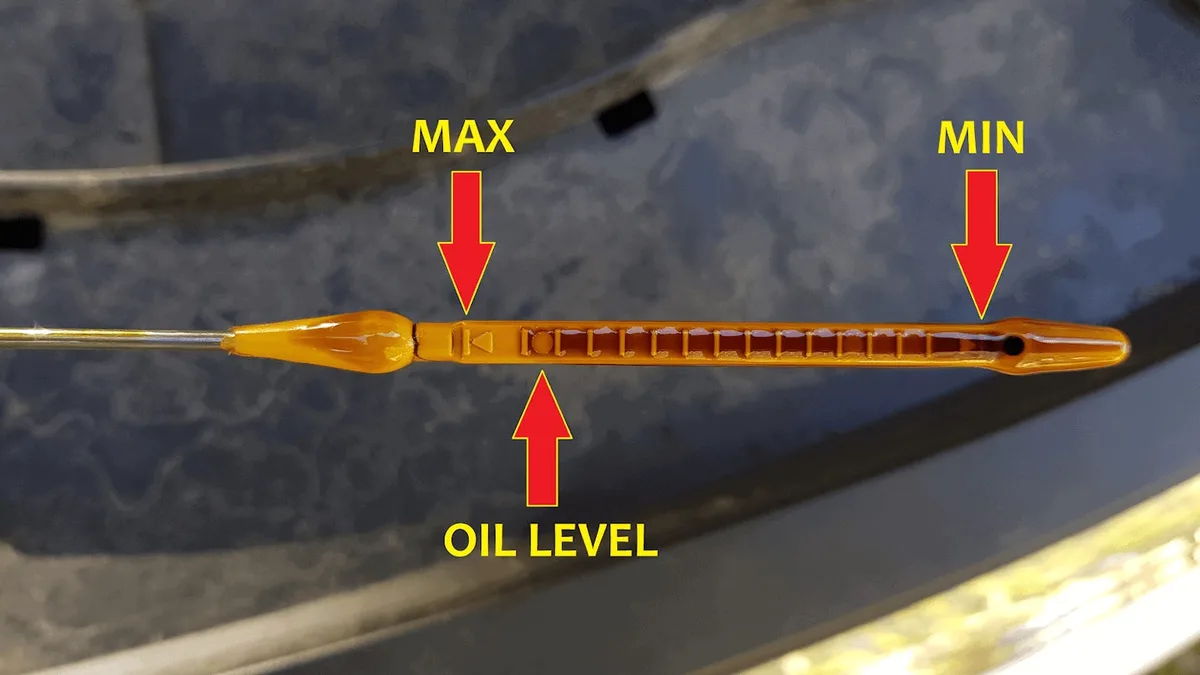
Pull the dipstick, wipe it clean with a lint-free rag, push it fully back in, then pull it out again. That second reading is the real one. The first pull is usually contaminated with splash oil from the crankcase and reads high.

Similar Posts