Best Ceramic Brake Pads for Low Dust & Smooth Stops
The best Best Ceramic Brake Pads for Low Dust and Smooth Stopping overall is the PowerStop Z17 Replacement Brake Pads Front (17-1363). It's the only set here that pairs a low-dust ceramic formula with stainless steel shims and hardware you don't have to hunt down separately, and it fits a huge range of popular front axles.
Want a full front-and-rear swap in one box instead? The 8PCS Front & Rear Ceramic Brake set covers both ends of a Honda CR-V in one purchase, as long as your SUV falls inside the 2017-2022 model window it was built for.
As an Amazon Associate, I earn from qualifying purchases.
This guide skips the sales pitch other roundups lean on. It tells you which buyers should walk away entirely (toe-dragging track drivers and drum-brake classics get their own section below), plus the real trade-offs ceramic formula buyers report after thousands of miles.
Everything here comes from current Amazon product data, manufacturer specs, and each set's owner track record, not hands-on lab testing. We compared fitment data, hardware kits, and thousands of verified buyer reports to rank them.
Quick Answer: The Best Ceramic Brake Pads for Low Dust and Smooth Stopping
The PowerStop Z17 for the 1363 application takes the top spot because it combines low-dust ceramic compounds with included stainless steel hardware.
- PowerStop Z17 Replacement Brake Pads Front (Best Overall for Daily Drivers): Coated backing plates, stainless shims, hardware included, low-dust compound.
- 8PCS Front & Rear Ceramic Brake (Best Full-Set Value): Front and rear pads in one box for 2017-2022 Honda CR-V owners.
- PowerStop Z17 Replacement Brake Pads Front (Best for Ford Escape): Tailored fitment for 2013-2019 Escape, same low-dust formula.
- PowerStop Z17 Replacement Brake Pads Front (Best for Toyota RAV4): Built for 2019-2026 RAV4 front axles with fresh hardware.
- SCITOO D1815 D1816 Ceramic Brake Pads (Best Budget Front & Rear): D1815/D1816 fitment for Kia Sorento 2016-2020 in one kit.
Thinking about track days or a classic with drum brakes instead? Jump to Who Should NOT Buy below before you spend anything.
Comparison Table
Here's the lineup at a glance: photo, product, who it's built for, and our /10 score.
| Photo | Product | Best for | Score | Buy |
|---|---|---|---|---|
 | PowerStop Z17 Replacement Brake Pads Front | Daily drivers, many fitments | 8.9/10 | Check price → |
 | 8PCS Front & Rear Ceramic Brake | Full CR-V brake refresh | 8.7/10 | Check price → |
| PowerStop Z17 Replacement Brake Pads Front | Ford Escape 2013-2019 | 8.6/10 | Check price → |
| PowerStop Z17 Replacement Brake Pads Front | Toyota RAV4 2019-2026 | 8.6/10 | Check price → |
 | SCITOO D1815 D1816 Ceramic Brake Pads | Kia Sorento 2016-2020 | 8.2/10 | Check price → |
Scroll sideways on small screens to see every column.
PowerStop Z17 Replacement Brake Pads Front: Best Overall for Daily Drivers
8PCS Front & Rear Ceramic Brake: Best Full-Set Value for CR-V Owners
PowerStop Z17 Replacement Brake Pads Front: Best for Ford Escape Owners
PowerStop Z17 Replacement Brake Pads Front: Best for Toyota RAV4 Drivers
SCITOO D1815 D1816 Ceramic Brake Pads: Best Budget Front & Rear for Sorento
Buying Guide: Pad Compound, Fitment, Hardware and Cost
Choosing a ceramic brake pad isn't just about picking the biggest brand name. Here are the four factors that actually decide whether you'll be happy a year from now.
What Does Ceramic Compound Actually Change?
Ceramic pads are made from a mix of ceramic fibers, copper-free binders, and filler materials. That combination is the whole reason people hunt for "low dust" brake pads in the first place.
- Less dust: ceramic pads typically produce lighter, less clingy dust than semi-metallic, so your wheels stay cleaner longer.
- Quieter: they tend to run quieter than semi-metallic, especially at low speeds.
- Cooler running: ceramic material generally transfers less heat to the rotor, which can extend rotor life.
- Trade-off: initial bite is softer than semi-metallic, especially before the pads warm up.
As of 2026, most manufacturers have shifted to copper-free ceramic formulations to meet state-level copper reduction rules in places like California and Washington. If you care about what's in your pads, look for a copper-free or low-copper callout on the listing.
Fitment Is Everything (Check This Before You Buy)
A ceramic pad that doesn't fit your caliper bracket is a doorstop. Fitment varies by model year, trim, engine, and even axle, and the listings here are all application-specific.
The five picks above span five different fitments: 17-1363, 17-1044, 17-2076, the CR-V 2017-2022 set, and the Sorento D1815/D1816 kit. Every one is a direct replacement for a specific vehicle range, not a universal pad.
Three quick ways to confirm fitment before ordering:
- Cross-check the part number against your vehicle's OEM pad reference.
- Decode the 8th digit of your VIN where applicable to confirm the engine and trim.
- Verify the year and model range on the listing itself, since even nearby years can use different pads.
Our walkthrough on what the eighth VIN character tells you walks through the decoding basics if you've never done it.
Hardware, Shims and Rust Resistance
Every pad on this list comes with some combination of shims, abutment clips, or coated backing plates. That matters more than most buyers realize.
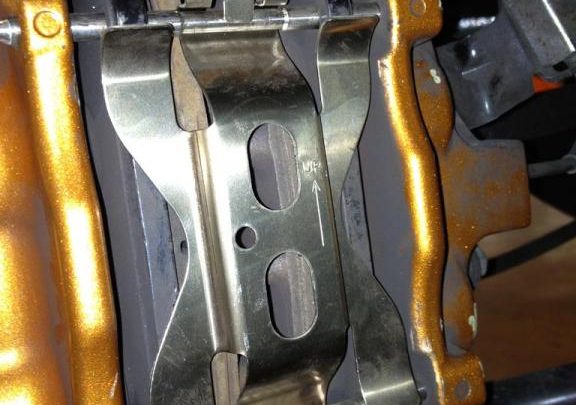
Stainless steel shims damp the vibration that causes squeal. Coated backing plates stop the pad from rust-welding itself into the caliper bracket after a salty winter. And fresh abutment clips keep the pad from chattering as it slides.
If you live somewhere with road salt or heavy winter rain, prioritizing shimmed, coated pads is worth paying a little more for. A cheap pad that welds itself into a seized bracket costs more in labor than it saves at checkout.
Hardware quality is also why the PowerStop Z17 kits consistently outrank cheaper alternatives in owner reports. Buyers rarely praise shims until they drive a car without them.
Value, Brand Track Record and When Cheap Is Fine
Not every driver needs premium pads. If you're doing a simple front-axle swap on an older commuter, a budget set like the SCITOO D1815/D1816 is a reasonable choice. The material is ceramic, the fitment matches, and the price keeps the job affordable.
The math shifts when you drive a newer vehicle, tow occasionally, or put a lot of miles on the car each year. In that case, a longer-wearing pad with more verified buyer history usually pays you back. That's where the PowerStop Z17 family, with its reported 4.6 out of 5 ratings and thousands of reviews, gives you more confidence.
Also factor in the rest of the job: rotors, brake fluid, and the tools to do the swap. If you're doing your own work and want to check electrical circuits while you're under there, our garage-ready meter overview covers the basics without overspending.
To see how these factors play out on real picks, compare the PowerStop Z17 Replacement Brake Pads Front, 8PCS Front & Rear Ceramic Brake and the PowerStop Z17 Replacement Brake Pads Front reviewed above.
Who Should NOT Buy Best Ceramic Brake Pads for Low Dust and Smooth Stopping
Ceramic pads are the wrong purchase for a few specific kinds of drivers. Here's who they are, and what to look at instead.
You Need Maximum Cold Bite or Track Performance
If you're chasing lap times or want maximum bite from the very first cold stop, ceramic pads will frustrate you. Semi-metallic and performance-compound pads trade dust and noise for stronger friction and better heat tolerance.
If that's your priority, buy a dedicated performance pad set and accept the extra dust and rotor wear. Ceramic is for the daily driver who wants quiet, clean stopping, not a lap record.
You Drive Heavy Loads or Tow Regularly
Ceramic pads run cooler under normal driving, but they don't deal well with sustained heavy braking. Towing a trailer down a mountain pass or hauling a loaded work van up and down hills can overwhelm them.
For towing and heavy loads, look at a semi-metallic or a purpose-built heavy-duty pad rated for higher temperatures. The dust and noise trade-off is worth it when you're pushing real weight.
You Drive a Vehicle Layout Where Ceramic Pads Are a Bad Match (Or You Have Rear Drum Brakes)
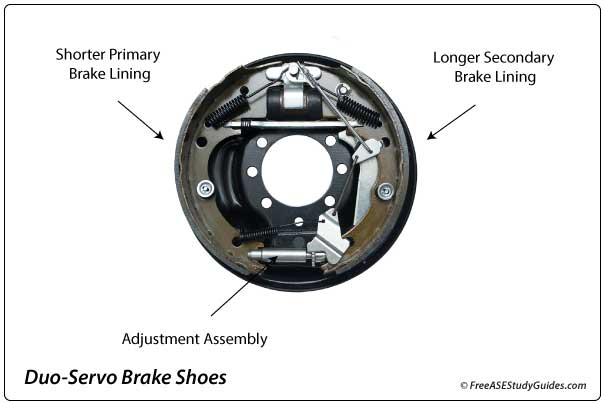
Some vehicles, especially older trucks and classics, still run rear drum brakes. Drum brake shoes are a completely different component, and ceramic disc pads simply don't apply there. You'd be buying a part that has nowhere to go.
Similarly, certain heavy-duty or off-road vehicles use caliper setups that prefer semi-metallic pads for reasons of heat and bite. If your vehicle falls into that group, ignore the ceramic recommendations entirely and buy the pad type your manufacturer specifies.
Final Verdict
For most buyers searching for low-dust brake pads, the PowerStop Z17 Replacement Brake Pads Front is the pick. It hits the balance most daily drivers actually want: quiet ceramic stopping, coated backing plates that survive winter, and a hardware kit in the box.
Want full front-and-rear coverage in one order and drive a Honda CR-V? The 8PCS Front & Rear Ceramic Brake set saves you a second purchase and matches the 2017-2022 fitment exactly.
Ford Escape owner? Grab the 17-1044 PowerStop Z17 variant for the same formula in the fitment your Escape needs. RAV4 driver?
The 17-2076 version delivers the same low-dust ceramic behavior for the current-generation platform.
And if you're looking for a budget-friendly way to cover both axles on a Kia Sorento, the SCITOO D1815/D1816 kit keeps the wallet happy without dropping the ceramic compound.
Just remember the "Who Should NOT Buy" section above. If you tow heavy loads, chase track performance, or own a vehicle with rear drum brakes, ceramic pads aren't the right tool for the job, and no amount of low dust makes up for the wrong stopping behavior.
FAQ
What's the best Ceramic Brake Pads for Low Dust and Smooth Stopping overall?
The PowerStop Z17 Replacement Brake Pads Front 17-1363 is the best overall pick because it pairs a low-dust ceramic formula with shims, hardware, and coated backing plates for a wide range of popular applications. It's the most complete front-pad package in this lineup.
Do ceramic brake pads really produce less dust?
Yes, ceramic pads are formulated to produce lighter, less clingy dust than semi-metallic pads. That means you clean your wheels less often, and the dust that does form usually wipes off more easily.
Are ceramic brake pads quieter than semi-metallic?
In general, yes, ceramic pads run quieter at low and moderate speeds. Some buyers report occasional squeal in cold, damp weather, but overall the ceramic compound plus shims and abutment hardware tends to keep noise down.
How long do ceramic brake pads last?
It depends heavily on driving style, vehicle weight, and terrain. Most ceramic pads on a daily driver will last tens of thousands of miles, but aggressive braking, towing, and stop-and-go city traffic all shorten pad life. Check pad thickness every 12,000 to 15,000 miles.
Can I install ceramic brake pads myself?
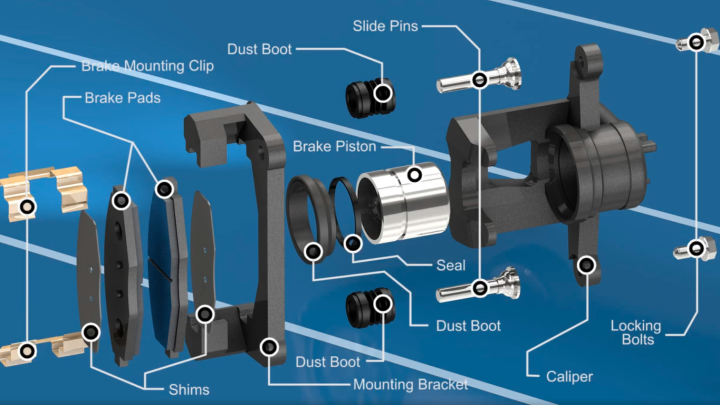
Yes, if you have basic tools and a torque wrench, a pad-only swap on a front axle is manageable. You'll need to lift the car safely, remove the caliper, compress the piston, and install the new pads with any supplied hardware. If you're not comfortable doing brake work, use a qualified mechanic.
Do I need to replace rotors when I change ceramic brake pads?
Not always. Rotors should be replaced or machined if they're scored, warped, below minimum thickness, or if they've developed a noticeable lip. If your rotors are still in spec and flat, a normal pad swap works fine, but new pads and new rotors are often paired for a reason.
Why do ceramic pads feel softer on the first stop?
Ceramic friction material generates full bite once it reaches a moderate operating temperature. On the first cold stop of the morning, the pads haven't warmed yet, so the initial bite feels a bit gentler than a semi-metallic pad would. After a few stops, feel returns to normal.

Similar Posts