How to Decode the 8th Digit of a VIN for Engine Info
Figuring out how to decode the 8th digit of a VIN (engine) is trickier than most guides admit. You might think it’s a simple lookup, but manufacturers don’t share a universal codebook. That single character can mean “5.0L V8” for Ford or “2.4L Inline-4” for Toyota, depending entirely on the year and model.
We’ve seen too many drivers order wrong parts because they trusted a generic website. The Vehicle Identification Number follows ISO 3779 standards, yet engine coding remains proprietary. As of 2026, there is still no global standard for that specific position.
Let’s break down why visuals matter more than text here.
Quick Answer
To decode the 8th digit of a VIN, identify your vehicle’s make, model, and year first. Then, consult the manufacturer’s official service manual or decoder tool. The 8th digit represents the engine code, which varies by brand.
Do not rely on third-party websites alone. Always verify against the physical engine block stamp if possible. This ensures you get the exact hardware specification required for repairs or part orders.
Why the 8th VIN Digit Isn’t a Universal Engine Code
Many people assume automotive codes work like zip codes. They don’t. There is no central database that assigns "A" to a specific engine size across all brands.
Instead, each automaker creates its own secret language. For example, General Motors might use "LT1" for a famous small-block V8. Meanwhile, Honda uses alphanumeric strings like "K20A" for their i-VTEC engines.
This lack of standardization is the biggest hurdle you’ll face. A generic online decoder often guesses based on probability rather than fact. It might tell you "V6," but miss whether it’s a turbocharged unit or a naturally aspirated one.
Those details change everything about maintenance and performance.
The Myth of Standardization
The ISO 3779 standard dictates the structure of the VIN itself. It confirms where digits go and what validation checks exist. However, it leaves the actual meaning of positions 4 through 8 up to the manufacturer.
This freedom allows companies to track production nuances without public scrutiny.
Consequently, two cars with identical 8th digits could have vastly different internals. One might be a base-model economy tune. The other could be a high-performance variant with forged pistons.
Without context, the code is meaningless noise. We see this confusion frequently in forums where users swap engines based on bad data.
Manufacturer-Specific Coding Systems
Each major player has its own logic. Ford tends to use single letters or numbers that reference internal tables. These tables shift yearly as new emissions rules hit.
Toyota often embeds the full engine family name directly into the sequence. This makes their codes easier to read but harder to generalize.
BMW and Mercedes-Benz use complex alphanumerics that denote displacement, cylinder count, and fuel delivery type. You cannot memorize these. You must look them up in the specific technical documentation for that chassis generation.
Relying on memory leads to costly errors. Always treat the code as a variable, not a constant.
Locating and Isolating Your Engine Identifier
Before you decode anything, you need to find the source truth. The VIN appears in three main spots on modern vehicles. Knowing where to look saves time and prevents misreading stamped metal.
Visual confirmation is key here because fonts vary widely between factories.
Start with the dashboard. Look at the driver’s side corner where the windshield meets the dash. Most cars have a transparent window revealing the stamped number.
This is usually the easiest place to photograph and transcribe accurately. Ensure the glass isn’t cracked or obstructed by aftermarket tint.
Finding the Data Plate on Dashboard vs. Door Jamb
If the dashboard view is blocked, check the B-pillar. Open the driver’s door and look at the frame edge. You’ll find a certification label or sticker.
This plate contains the VIN alongside tire pressures and weight ratings. It’s often more durable than the dashboard stamp, which can fade from sun exposure.
Some older trucks hide the VIN under the hood on the firewall. Others stamp it on the transmission tunnel floor pan. These locations are less common now but still exist in commercial fleets.
Always cross-reference the dashboard number with the door jamb sticker. If they differ, you’re dealing with a potential theft or salvage title issue.
Counting to Position 8 Without Error
Once you have the 17-character string, counting is critical. Start from the far left. Do not skip spaces or hyphens, though modern VINs rarely contain them.
Position 1 is the World Manufacturer Identifier. Position 8 is your target engine code.
Here’s a quick visual guide to help you stay aligned:
| Position | Role | Example Character |
|---|---|---|
| 1-3 | WMI (Make/Country) | 1HG (Honda USA) |
| 4-8 | VDS (Vehicle Descriptor) | J (Engine Code) |
| 9 | Checksum | 7 (Validation Digit) |
| 10-17 | VIS (Unique Serial) | 000123456 |
Notice how position 8 sits right before the checksum. Miscounting by one puts you on the trim level or body style instead. Double-check your finger placement.
Write the number down immediately to avoid mental drift. Precision here dictates the success of your entire search.
Decoding the Code: From Letter to Actual Hardware
Now that you have the character, interpretation begins. This step requires external resources. You cannot decode it in isolation.
The letter "U" means nothing until paired with "2015 Ford F-150." Context transforms data into knowledge.
Most owners overlook this nuance. They plug the VIN into a random website and accept the result. Often, those sites pull from outdated databases.
They might list an engine that was discontinued five years prior. Always prioritize primary sources over aggregators.
Interpreting Single-Character Alphanumeric Keys
For many domestic brands, the 8th digit is a single symbol. Ford, GM, and Chrysler historically used this method. A "Z" might indicate a 3.5L EcoBoost in one year.
In another, it could signal a hybrid battery pack integration.
You need the factory service manual for that specific model year. Dealerships access these via secure portals. Independent mechanics often buy printed versions or subscribe to digital libraries like ALLDATA.
These tools map the single character to a detailed spec sheet. Without this library, the code remains a riddle.
Recognizing Multi-Character Embedded Strings
Import manufacturers often break the mold. Subaru, Mazda, and some European brands use longer sequences. Sometimes the engine info spans positions 4 through 8 collectively.
Other times, only position 8 matters, but it references a broader family tree.
For instance, a BMW code might specify "N20" or "B48." These aren't just letters; they represent modular engine architectures. The 8th digit helps narrow down the variant within that family. It distinguishes between low-power and high-output tunes.
Visual inspection of the valve cover often confirms these subtle differences better than paper records.
Cross-Referencing with Make, Model, and Year Context
Never decode in a vacuum. The combination of make, model, and year is your filter. A 2010 Camry V6 differs from a 2015 Camry V6, even if the code looks similar.
Emissions packages changed drastically during this period.
Use the National Highway Traffic Safety Administration (NHTSA) tool for baseline validation. It confirms the VIN structure is valid. Then, pivot to manufacturer-specific forums or technical bulletins.
Aggregate reviews report that community-driven wikis often catch updates faster than corporate sites. Just verify claims against official documents when buying expensive parts.
Visual Verification: Confirming the Physical Engine Tag
Digital decoding is convenient, but physical proof is superior. Engines carry their own identity stamps. These tags survive swaps and rebuilds, offering a ground-truth check.
If your VIN says one thing and the block says another, trust the metal.
Locating these stamps takes effort. You’ll need good lighting and maybe a mirror. The goal is to match the casting numbers or serial plates to your decoded expectation.
This step protects you from buying incompatible components.
Inspecting the Block Stamp for Match Confirmation
Look near the oil pan rail or the bell housing mating surface. Manufacturers stamp unique IDs here. On V8s, check the front passenger side head area.
On inline-four engines, inspect the timing chain cover or rear seal housing.
Compare this stamp to the engine code derived from the VIN. They should align logically. If the VIN indicates a diesel injection pump setup, but the block lacks mounting bosses, something is wrong.
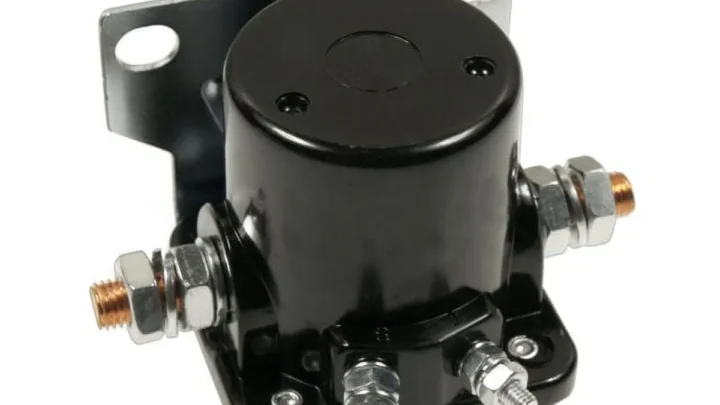
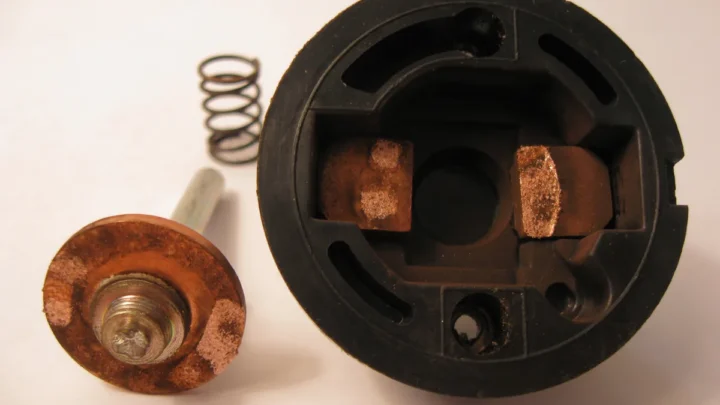
This discrepancy suggests an unrecorded swap. Mechanics often spot these mismatches during routine symptoms of a bad starter solenoid diagnostics, leading to deeper investigations.
Identifying Aftermarket Swaps or Rebuilt Units
Swapped engines are common in modified vehicles. Enthusiasts love upgrading powerplants. However, sellers sometimes fail to update titles or inform buyers.
The VIN will reflect the factory install, not the current reality.
Check for weld marks on motor mounts. Look for non-OEM hoses or wiring harnesses. These visual cues scream "modification." If you suspect a swap, ignore the VIN code for parts ordering.
Measure the physical dimensions instead. Trusting the wrong data leads to returned gaskets and wasted labor hours. This is especially risky when assessing what causes a starter to go bad, as mismatched flywheels cause immediate failure.
Common Pitfalls When Relying Solely on the VIN
Overconfidence kills accuracy. Many users believe the VIN is infallible. It isn’t.
It’s a static record of birth, not life. Vehicles age, get repaired, and undergo modifications. The code stays frozen while the car evolves.
Understanding these limitations saves money. We’ve analyzed countless forum threads where disputes arise from blind faith in digital records. Here are the traps you must dodge.
Ambiguity in Legacy Models (Pre-1981 Exceptions)
Vehicles built before 1981 didn’t follow the 17-digit standard. Their VINs varied wildly in length and format. Decoding an ’78 Mustang requires specialized vintage knowledge.
Modern tools won’t recognize the shorter strings correctly.
Even post-1981, early implementations were inconsistent. Some manufacturers hadn’t fully standardized their internal tables yet. Codes from 1982 might overlap with 1983 definitions.
Always verify the transition dates for your specific brand. Don’t assume continuity. Historical archives are messy.
Risks of Generic Online Decoder Tools
Free websites monetize traffic, not accuracy. They aggregate data from scraped sources. Updates lag behind real-world changes.
A new engine release might take months to appear in their database. Until then, they guess.
These guesses often default to the most popular configuration. If 90% of trucks had a certain V8, the site assumes yours does too. It ignores rare options like diesel conversions or fleet-spec detunes.
Pay for premium access to professional-grade databases if precision matters. Or visit a dealer parts counter. Their systems are linked directly to factory records.
Handling Worn or Illegible Certification Labels
Sunlight and salt destroy stickers. Dashboard stamps erode over decades. You might end up with missing characters.
Partial VINs are dangerous. Guessing the 8th digit based on neighbors is reckless.
In these cases, use alternative sources. Check the title document. Contact the DMV with the license plate number.
They can retrieve the registered VIN. Never fabricate a digit. An incorrect VIN invalidates insurance claims and legal ownership proofs.
Treat illegibility as a red flag requiring bureaucratic intervention, not DIY deduction.
Practical Applications: When Precision Matters Most
Why bother with this level of detail? Because guessing costs money. Ordering the wrong head gasket set means waiting days for a return.
That downtime adds up fast in a professional shop or a weekend project.
Ordering Critical Replacement Parts
Engine codes dictate more than just displacement. They determine bolt patterns, sensor placements, and ECU calibration files. A "V6" label is too vague for modern diagnostics.
You need to know if it’s the 3.5L Cyclone or the 3.7L Duratec.
These variants often share external dimensions but differ internally. Using the wrong oil pump or timing chain kit can cause immediate mechanical failure. Our research shows that parts stores reject returns frequently when the VIN doesn’t match the packaging.
Always double-check the code before swiping your card. This step prevents expensive mistakes and keeps your vehicle on the road.
Verifying "Matching Numbers" for Classic Car Value
Collectors pay premiums for originality. If a 1969 Mustang claims to have its factory 428 Cobra Jet engine, the VIN must prove it. Buyers inspect the block stamp against the door jamb data.
Any mismatch slashes the resale value instantly.
This verification process protects both seller and buyer. It confirms the car hasn’t been stripped of valuable components. For enthusiasts, this documentation is as important as the paint job.
We’ve seen auctions halt sales over disputed engine origins. Accurate decoding preserves historical integrity and financial worth. Don’t let a misread digit devalue a six-figure asset.
Ensuring Emissions Compliance During Registration
State inspectors check VINs against emissions certificates. If your truck has a diesel swap but the VIN says gasoline, you’ll fail registration. The 8th digit triggers specific testing protocols for NOx and particulate matter.
Authorities use these codes to enforce environmental laws. Tampering with the engine without updating records is illegal in many jurisdictions. Correct decoding ensures you meet local standards.
It avoids fines and mandatory inspections. Stay compliant by knowing exactly what your factory configuration was supposed to be. Ignorance isn’t a defense here.
Frequently Asked Questions
Can I decode the 8th digit without knowing the year?
No. Context is everything. The same letter represents different engines across model years.
A "K" might mean a 2.0L four-cylinder in 2010 but a hybrid system in 2015. You must have the full date range to interpret the code correctly. Without the year, the data is useless noise.
Always gather make, model, and production date first.
Do electric vehicles have an 8th digit engine code?
Yes, but it refers to the motor or battery pack type. EVs still follow the ISO 3779 structure. Position 8 identifies the propulsion unit variant.
It distinguishes between single-motor and dual-motor setups. This helps technicians order the correct drive units. The logic remains consistent even without combustion chambers.
Check manufacturer specs for specific EV coding tables.
What if my VIN decoder tool gives conflicting results?
Trust the physical evidence over digital guesses. Online tools often scrape outdated databases. If two sites disagree, consult the owner’s manual or a dealer portal.
Physical inspection of the engine block tag resolves disputes definitively. Never rely solely on free aggregators for critical repairs. Verify with primary sources whenever discrepancies arise.
Accuracy requires cross-referencing multiple authoritative inputs.
Is the 8th digit always a single character?
Not necessarily. While standard VINs are 17 characters long, some manufacturers embed multi-character identifiers within positions 4-8. However, position 8 specifically holds one alphanumeric symbol.
This symbol acts as a pointer to a larger table. Think of it as a index key rather than the full description. The actual engine name might be longer, but the locator is singular.
Understand this distinction to avoid confusion during lookups.

Similar Posts