Why Brakes Squeak in the Morning (But Not Later)
Your car squeals at the first press of the brake pedal, then goes quiet a minute later. That pattern is the whole clue. If you're wondering Why Brakes Squeak First Thing in the Morning But Stop Later, the short version is this: moisture and surface rust build up on the rotors overnight, and the first few brake applications scrub them off.
The squeak isn't a failing brake by default. In our research, morning-only squeal that disappears after a short drive almost always traces back to a thin film of condensation or flash rust on the friction face. Per Federal Motor Vehicle Safety Standard 135, brakes must stop the car reliably in all conditions, and they do.
The noise sits on top of that performance, not underneath it. Here's how to sort the harmless squeak from the expensive one.
Why Brakes Squeak First Thing in the Morning But Stop Later
Morning brake squeak happens because moisture settles on the brake rotor overnight and creates a light rust film. The first few stops scrub it off, so the noise fades. It's usually harmless.
Cold pads also grip differently at first. Most cases clear within two or three brake applications.
Why Morning Squeak Happens at All: Moisture, Flash Rust, and Cold Friction
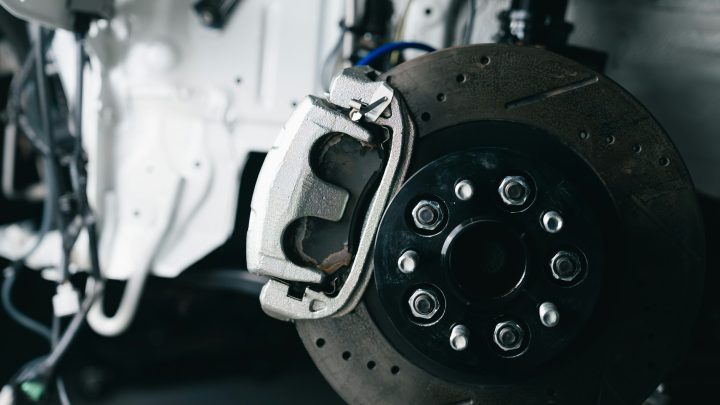
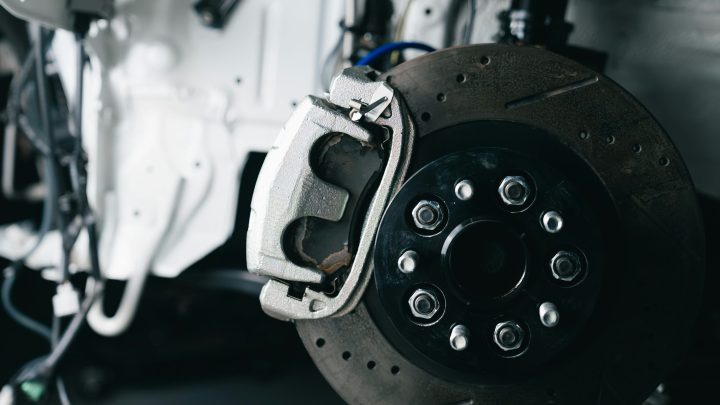
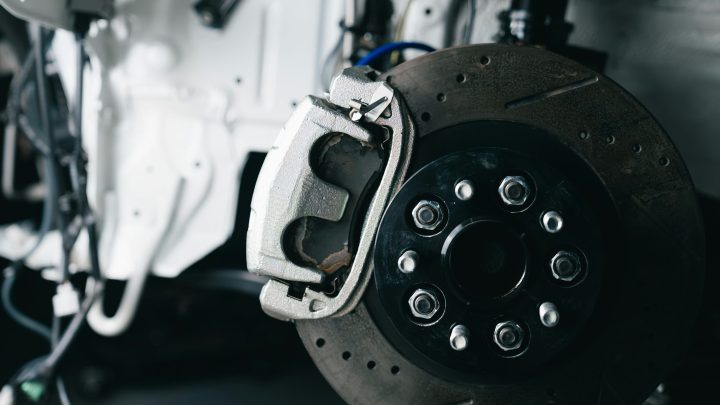
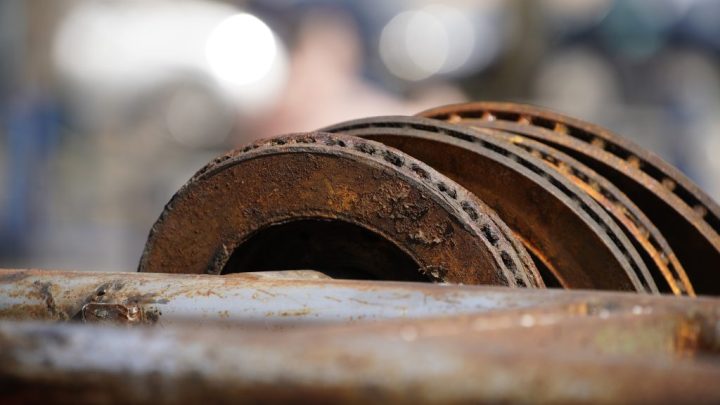
Your brake rotor is a big slab of cast iron sitting out in the air. Overnight, as the metal cools, moisture from the surrounding air condenses on its surface. Add a little oxygen and you get flash rust, a paper-thin layer of surface oxidation that forms in hours, not weeks.
That rust layer is rough. When you first press the pedal, the pad grinds across it and squeals. Two or three stops later, the pad has polished the rotor face clean again and the noise vanishes.
That's the entire mechanism behind a morning-only squeak.
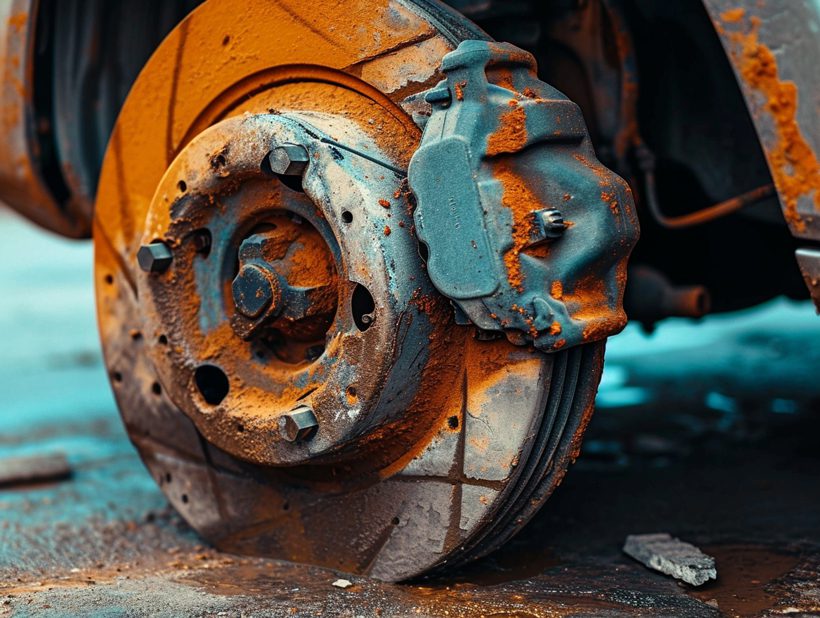
Image source: Web (Bing) / carproblemsolved.com (Web image (fair-use with source credit))
What conditions make it worse
A few factors push flash rust formation into overdrive:
- High overnight humidity. Coastal areas, river valleys, and rainy seasons are prime territory.
- Large day-night temperature swings. Cold metal plus moist evening air equals condensation.
- Parking outdoors. Dew settles directly on exposed rotors.
- Driving through puddles or rain before parking. Wet rotors rust overnight.
- Washing the car and parking it. Same result, just from a hose.
- Long sit times. A car parked for two or three days rusts more than one driven daily.
In our research, the single biggest variable is overnight dew point relative to metal temperature. If the dew point sits near or above the rotor's cooled surface temperature, you get condensation. That's meteorology, not a mechanical fault.
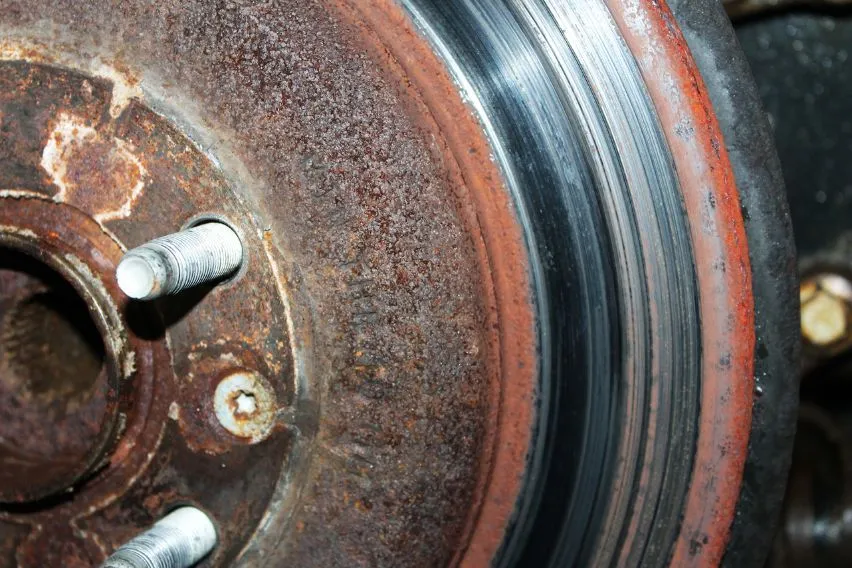
Image source: Web (Bing) / zigwheels.ph (Web image (fair-use with source credit))
Cold friction is a second factor
Brake pads are made from friction compounds that behave differently cold versus hot. Semi-metallic and organic pads often squeal slightly until they warm up, then settle down. Ceramic pads tend to be quieter cold, which is one reason they're popular on daily drivers.
If you've ever wondered about the friction pair itself, think of it like piston and ring behavior inside an engine. Materials change character with temperature. The same principle applies here, and a cold pad simply hasn't reached its quiet operating window yet.
That's why a few measured stops quiet it down.
Why it's not (usually) a real brake problem
Real brake problems don't politely go away. A worn pad keeps squealing until you replace it. A seized caliper keeps dragging and overheating.
A warped rotor keeps pulsing and rumbling. If your noise disappears within minutes, the brake is functioning correctly. The rust was surface-level, not structural.
What Your Squeak Pattern Is Telling You: Single Wheel vs. All Four, One Stop vs. Ten Minutes
The timing and location of the squeak are your best diagnostic tools. Read the pattern before you pick up a wrench.
All four wheels squeak on the first stop
This is the classic flash-rust pattern. Every rotor faces the same overnight air, so every rotor rusts equally. If all four quiet down after the first or second stop, you're looking at condensation, nothing more.
One wheel squeaks, the others don't
A single squealing corner points to something local to that wheel. It could be a worn pad on that side, a dry caliper slide pin, a missing shim, or a rotor with more rust buildup from sitting near a sprinkler. One-wheel squeak deserves a closer look.
Squeak lasts ten seconds vs. ten minutes
Ten seconds means surface rust coming off. Ten minutes means something is dragging or misaligned. If the squeal survives ten minutes of normal driving, that's past the "harmless" line.
Squeal only when braking vs. squeal all the time
If the noise only appears when you press the pedal, it's friction-related. If it squeals constantly while rolling, you likely have a stuck caliper or dragging pad, and that's a stop-driving-now situation. This ties into the same careful-cold-start logic we'd use on piston and valvetrain wear issues: fix the symptom, then verify the fix.
Squeal that gets worse after warm-up
This flips the pattern and is a real red flag. Heat increasing the noise suggests pad glazing, a seized slide pin, or a warped rotor. Rare, and worth a shop visit.
The Diagnostic Decision Tree: Walk Through It Step by Step
Run this sequence before assuming you need a brake job. It takes twenty minutes and saves money.
Step 1: Note the Conditions (Temp, Humidity, Sit Time)
Write down the morning temperature, whether it rained overnight, and how long the car sat. If it's a damp morning after a wet night and the car sat twelve hours, you've already found your likely answer.
Step 2: Test Drive and Time the Squeak
Drive normally and count the stops. Note when the noise disappears, whether it's at one stop or five, and which wheel it comes from. This takes five minutes and is the most useful data you'll collect.
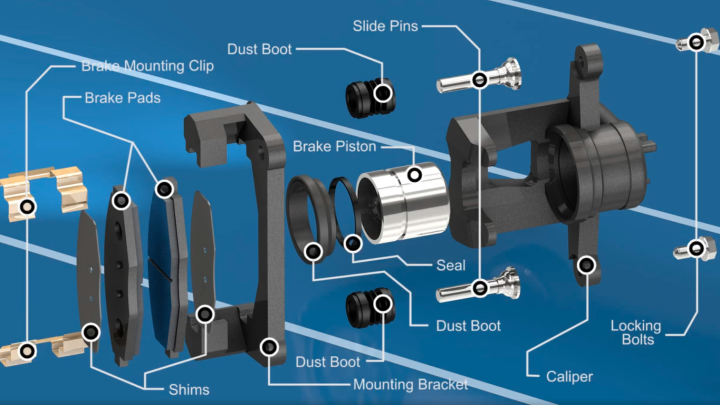
Step 3: Inspect Rotor, Pads, Shims, and Caliper at Each Wheel
Lift the car safely on jack stands and check each corner. You'll need:
| Tool or Item | Why You Need It |
|---|---|
| Flashlight | Inspecting rotor face and pad thickness |
| Torque wrench | Reinstalling wheels to spec |
| Caliper grease | Lubricating slide pins |
| Brake cleaner | Cleaning contaminated surfaces |
| Digital caliper or ruler | Measuring pad and rotor thickness |
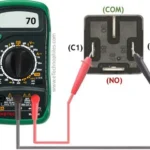
If you're diagnosing electrical symptoms on a brake wear sensor, a decent automotive multimeter earns its keep. For most brake noise, though, your eyes and a flashlight do the work.
Step 4: Match Your Findings to the Right Branch
Compare what you found against the branches below. Each branch has a clear next step.
Branch-by-Branch: What Each Cause Looks Like and What to Do
Match your symptom to a branch, then follow the action.
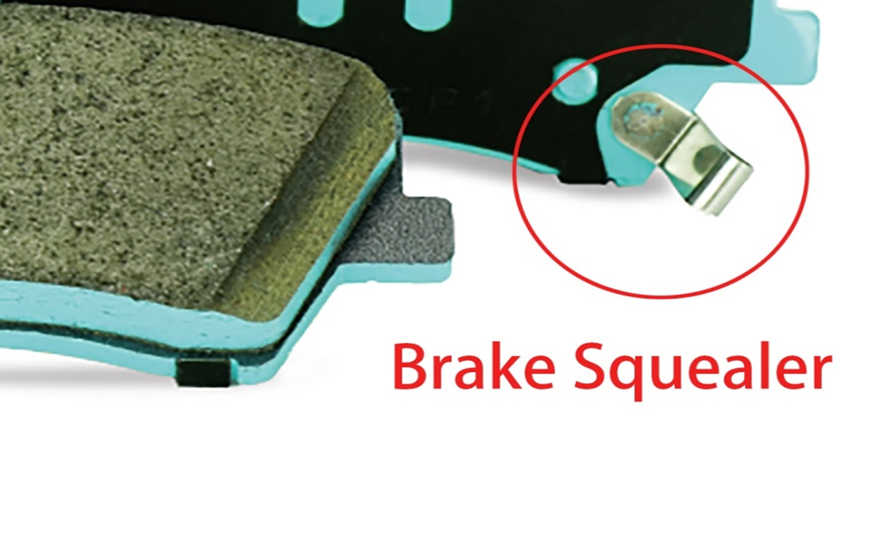
Image source: Web (Bing) / aduibrake.com (Web image (fair-use with source credit))
Harmless Branches: Flash Rust and Moisture Film
If the squeak is all four wheels, appears on the first stop, and vanishes in under five minutes, then you have flash rust. Action: drive normally. The rust scrubs off. No repair needed.
Coatings on some rotors (like geomet-coated or zinc-coated faces) reduce this, but most OE rotors are bare cast iron.
Cheap-Fix Branches: Glazed Pads, Dry Slide Pins, Worn Shims
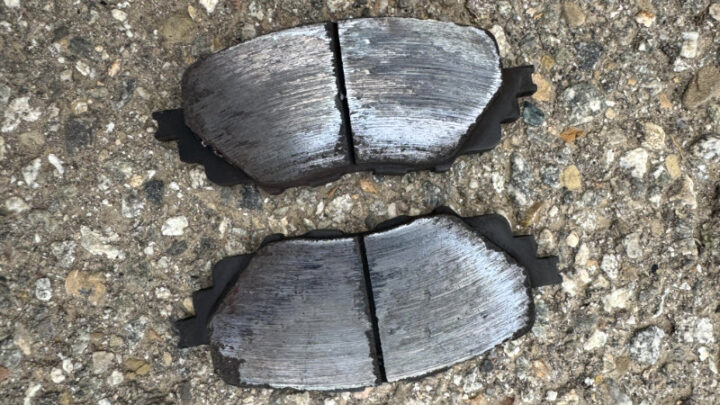
If the pad face looks shiny and glassy, then it's glazed. Action: rough up the pad face lightly with 120-grit sandpaper and re-bed the pads.
If the caliper slide pins feel dry or stiff, then you have dry pins. Action: clean them and apply high-temp silicone brake grease sparingly.
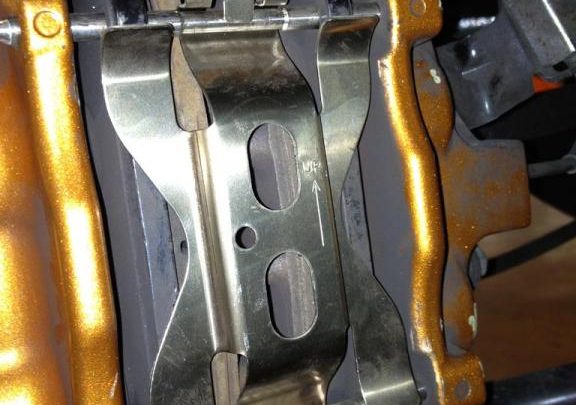
If the shims are missing, cracked, or loose, then the pad is vibrating against the caliper. Action: replace the shims.
Fix-It-Now Branches: Wear Indicator, Seized Caliper, Warped Rotor, DTV
If the pad friction material is under 3 mm, then replace the pads. The metal squealer tab is designed to make noise at exactly that point.
If the wheel is hot after a short drive or the pad is dragging, then the caliper is seizing. Action: rebuild or replace it, or you'll cook the rotor.
If the steering wheel shudders on braking, then disc thickness variation or rotor warp is present. Action: measure runout, resurface, or replace the rotor.
The Red-Flag Branch: Squeak That Doesn't Go Away
If the squeak is still there after ten minutes of driving, then stop treating it as cosmetic. Noise that persists signals a real fault, and it needs diagnosis this week, not next month.
When It's Safe to Wait vs. When You Park the Car
Some squeaks clear up in thirty seconds. Others mean you shouldn't move the car far.
Safe to drive on
- Squeak clears in under five minutes of normal driving
- Squeak appears only on cold, humid mornings
- Braking feel is solid and straight
- Pedal is firm, no pulsing through the wheel
These are moisture and flash-rust cases. Keep driving.
Park it and get it looked at
- Grinding or metal-on-metal noise
- Pedal feels mushy, soft, or drops toward the floor
- Car pulls to one side under braking
- Steering wheel shudders or pulses
- Burning smell after a short drive
- Wheel hub is hot to the touch after a short drive
Any one of these is a stop-and-diagnose situation. According to NHTSA, brake faults are among the most common safety-related vehicle complaints. Don't gamble.
For context, brakes are a consumable system like tires or belts. We cover wear and systems the same way we'd look at engine internals and cylinder count; the same principle applies here. Any wearable component has a service window, and you learn to read the symptoms.
Similar Posts