What Is High Mileage Oil and Does Your Car Need It?
If your car's climbing past 75,000 miles and you're staring at the oil aisle wondering what is high mileage oil, here's the short version. It's a motor oil formulated for older engines, built with extra additives that help worn seals, gaskets, and rings work better. The bottle looks similar to regular oil, but the chemistry inside is tuned for engines that have already put in serious work.
Per the American Petroleum Institute (API) service categories current as of 2026, most high mileage oils meet the same API SP or SN Plus ratings as standard oils. The real difference lives in the additive package, especially seal conditioners like esters that swell shrunken rubber. Whether you actually need it depends on your engine's condition, not just the number on your odometer.

Quick Answer
High mileage oil is motor oil designed for engines with 75,000 miles or more. It contains seal conditioners, extra detergents, and reinforced anti-wear additives. These help reduce oil leaks, slow oil burn-off, and clean sludge.
Most brands offer it in conventional, synthetic blend, and full synthetic. It meets standard API and ILSAC ratings, just with a different additive mix.
What High Mileage Oil Actually Is
High mileage oil is a motor oil blended for engines with real wear on them. The base oil can be conventional, synthetic blend, or full synthetic. What separates it from regular oil is the additive package.
Manufacturers add seal conditioners, higher levels of detergents, and sometimes slightly heavier viscosity modifiers.
The core idea is simple. As engines age, rubber seals shrink and harden. Metal parts develop micro-wear.
Sludge builds up in tight oil passages. High mileage oil tries to address all three problems at once.
You'll find it labeled clearly on the front of the bottle. Look for wording like "High Mileage," "MaxLife," "HMX," or "for engines with 75,000+ miles." The API donut and ILSAC starburst on the back still confirm the base spec your engine needs.
When a Car Is Considered "High Mileage"
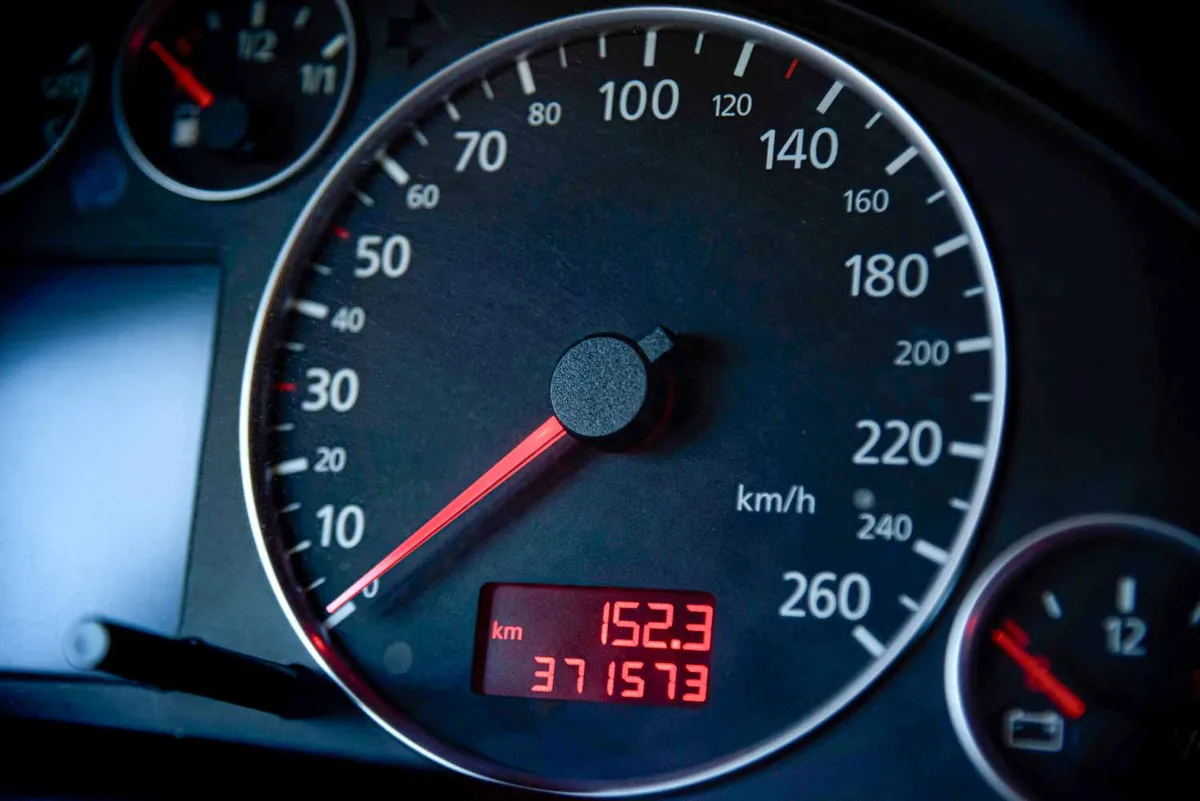
The industry benchmark is 75,000 miles. That's where most oil manufacturers draw the line. But mileage alone doesn't tell the full story of engine wear.
A well-maintained highway car at 120,000 miles can be in better shape than a neglected commuter at 60,000. Short trips, skipped oil changes, and stop-and-go traffic age an engine faster than steady highway cruising.
Better indicators than mileage alone:
- Oil consumption between changes
- Visible leaks or seepage
- Blue smoke on cold start
- Ticking or lifter noise at idle
- Age of the vehicle (10 years or more often shows seal wear)
If you're buying used, our pre-purchase inspection walkthrough covers the physical checks that reveal engine condition before you sign anything.
What's Inside a Bottle of High Mileage Oil
The base oil does most of the heavy lifting. The additive package does the rest, and that's where high mileage formulas differ from standard oils.
Seal Conditioners and Why They Matter
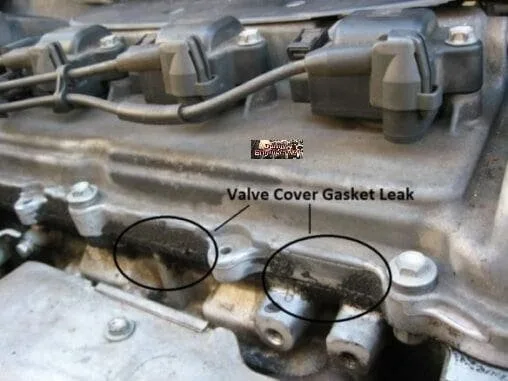
Seal conditioners are typically ester-based compounds. They cause rubber seals to swell slightly and regain flexibility. Over years of heat cycles, valve cover gaskets and crankshaft seals shrink.
That shrinkage is what causes those small drips on your driveway.
Ester chemistry doesn't magically rebuild damaged rubber. It just restores some of the lost pliability. Aggregate user reviews across major brands report a noticeable reduction in minor leaks within two to three oil changes.
Extra Detergents, Anti-Wear, and Anti-Oxidation Additives
Older engines carry sludge and varnish deposits in narrow oil passages. High mileage blends run higher detergent and dispersant levels to keep working on that buildup.
You'll also see boosted anti-wear compounds like ZDDP (zinc dialkyldithiophosphate). ZDDP forms a protective film on metal-to-metal contact points like cam lobes and lifters. Anti-oxidation additives slow the rate at which the oil breaks down under sustained heat.
Signs Your Engine Is Ready for High Mileage Oil
Mileage is a hint. Symptoms are the real signal. If your engine shows any of the patterns below, a switch is worth considering.
- Oil consumption: You're topping off between oil changes.
- Visible leaks: Fresh spots under the car after it sits overnight.
- Blue exhaust smoke: Especially on cold start or after long idling.
- Lifter tick that fades: A rattle at start that quiets after 30 seconds.
- Occasional low oil pressure warnings: Brief, usually at hot idle.
A rough benchmark: if the engine burns more than one quart per 1,000 miles, switching is worth trying. That's the threshold many manufacturers use to define abnormal consumption.
Small leaks are often the easiest win. If you handle your own service, our DIY oil change walkthrough shows what to check at the drain plug and filter that confirms wear.
When You Should NOT Switch to High Mileage Oil
Not every older car needs it. Using it too early can cause its own problems.
Skip it if:
- The engine already runs clean with no leaks or consumption
- The car is still under manufacturer warranty
- Your owner's manual specifies an oil approval that the high mileage version doesn't carry
- The engine is fresh from a rebuild (it needs standard break-in oil first)
Seal conditioners work by swelling rubber. On a healthy engine with good seals, that swelling can soften seals that were fine, potentially shortening their life. It's not dramatic, but it's why manufacturers don't recommend it as a default for newer cars.
Warranty is the bigger concern for cars under 60,000 miles. Automakers spec specific approvals (dexos1 Gen 3, VW 502.00, MB-Approval, Ford WSS-M2C). Not every high mileage product carries every approval.
Check the bottle against your manual before you make the switch.
High Mileage vs Conventional vs Full Synthetic
The label "high mileage" isn't a base oil type. It's an additive package that gets bolted onto any base oil. That's why you'll see high mileage versions of conventional, synthetic blend, and full synthetic on the same shelf.
Here's how they stack up for an older engine:
| Oil Type | Change Interval | Best For | Typical Price (5 qt) |
|---|---|---|---|
| Conventional High Mileage | 3,000 to 5,000 miles | Older domestic V6/V8, low-tech engines | $22 to $32 |
| Synthetic Blend High Mileage | 5,000 to 7,500 miles | Most daily drivers over 75k miles | $28 to $40 |
| Full Synthetic High Mileage | 7,500 to 10,000 miles | Modern engines with variable valve timing, turbos, direct injection | $38 to $55 |
If your car originally shipped from the factory with full synthetic, stay on full synthetic. Downgrading to a conventional high mileage oil to save money can accelerate wear on tighter modern tolerances. If your engine is a straightforward pushrod design from the early 2000s or older, a synthetic blend high mileage is often the sweet spot on cost and protection.
Picking the Right Viscosity for an Older Engine

Start with your owner's manual. The SAE grade printed there (5W-20, 5W-30, 0W-20, 10W-30) is what your engine was engineered around. Deviating from it can hurt fuel economy and, on some engines, mess with variable valve timing solenoids.
That said, a modest viscosity bump can help a truly worn engine. If your car's manual calls for 5W-20 and it's burning oil, some techs will step up to 5W-30 to slow consumption. This is a judgment call, not a default move.
Rules of thumb worth following:
- Never change the "W" number. The winter rating (5W, 0W, 10W) controls cold flow. Going higher can starve the engine on startup.
- Only bump the second number by one grade, and only when you have real symptoms.
- Check the API service category on the back of the bottle. Modern engines need API SP or SN Plus.
- Cold climate? Stick to lower "W" numbers (0W or 5W) even in a high mileage formula.
Manufacturer specifications trump internet advice every single time.
Real Benefits You Can Expect (and What It Won't Fix)
Aggregate user reviews and manufacturer testing agree on a fairly narrow list of real, measurable benefits. Managed expectations save disappointment later.
What high mileage oil can realistically do:
- Reduce or stop minor seal seepage within 2 to 3 oil changes
- Slow oil consumption by roughly 10 to 30 percent in many worn engines
- Quiet cold-start lifter noise caused by drain-back through worn seals
- Clean varnish and light sludge over multiple change intervals
- Add wear protection for cam lobes, lifters, and bearings
What it won't do:
- Fix a blown head gasket
- Stop a major leak from a cracked oil pan or failed rear main seal
- Rebuild damaged piston rings or restore compression
- Repair timing chain stretch or worn tensioners
- Replace neglected maintenance
If your engine is losing more than a quart every 500 miles, you're past the point where oil chemistry can help. That's a mechanical issue, and no additive package solves it.
Common Mistakes Drivers Make With High Mileage Oil
The wrong assumptions cause the most problems. Here are the ones that come up most often in aggregate user forums and shop feedback.
Switching too early. Pouring high mileage oil into a healthy 40,000-mile engine can soften seals that were doing fine. Wait for symptoms or the 75,000-mile mark, whichever comes first.
Assuming thicker is always better. High mileage oil isn't defined by viscosity. Jumping from 5W-30 to 10W-40 without a reason can hurt fuel economy and cold-start protection.
Using it instead of fixing a real problem. A visible external leak from a failing rear main seal needs a mechanic, not thicker oil. High mileage formulas buy time, not a permanent fix.
Skipping the oil filter upgrade. As deposits loosen, your filter works harder. Match every oil change with a fresh filter.
Ignoring OEM approvals. Some engines demand dexos1 Gen 3, VW 502.00, or a similar approval. Not every high mileage bottle carries these. Check the back label.
Extending the change interval beyond what the base oil supports. Full synthetic high mileage can go 7,500 to 10,000 miles. Conventional high mileage should not.
Step-by-Step: How to Switch Your Engine Over Safely
Switching to high mileage oil isn't complicated, but a few small habits make the transition cleaner. If you handle service yourself, our beginner-friendly service guide covers the mechanics of a standard drain and refill.
- Confirm the right grade. Check your owner's manual for viscosity and API/OEM approvals. Match the bottle to those specs.
- Warm the engine. Run it 5 to 10 minutes. Warm oil drains cleaner and takes more suspended contaminants with it.
- Drain fully and replace the filter. Never reuse an old filter with new high mileage oil. Detergents will lift deposits the filter needs to catch.
- Refill to the correct capacity. Consult the manual. Overfilling can foam the oil and reduce lubrication.
- Run the engine 2 to 3 minutes. Check for leaks at the drain plug and filter. Shut down and recheck the dipstick after 5 minutes.
- Log the mileage. Note the date and odometer reading. Track oil level every 500 to 1,000 miles for the first change interval.
- Shorten your first interval. For the very first change on high mileage oil, drop to 3,000 to 5,000 miles. Detergents will lift buildup you'll want to flush out sooner.
Dispose of the used oil at a certified recycling center. Per U.S. Environmental Protection Agency rules, one gallon of improperly dumped motor oil can contaminate a million gallons of fresh water.
How Often to Change High Mileage Oil
The change interval depends on the base oil, not the "high mileage" label. Follow the manufacturer's stated interval for the base type, then shorten it slightly if your engine shows heavy wear or you drive in tough conditions.
- Conventional high mileage: 3,000 to 5,000 miles
- Synthetic blend high mileage: 5,000 to 7,500 miles
- Full synthetic high mileage: 7,500 to 10,000 miles
Cut those numbers by 20 to 30 percent under severe service. Severe service means short trips under 10 miles, extended idling, towing, dusty roads, or extreme heat. Check your dipstick every other fuel stop for the first 1,000 miles after switching.
That's when detergent action peaks and level changes tell you what the engine is doing.
What High Mileage Oil Costs Compared to Regular Oil
Expect to pay roughly 10 to 25 percent more than the equivalent standard oil in the same base type. As of 2026, that gap is smaller than it was five years ago because additive costs have leveled off.

Similar Posts