3-Cylinder Engines: What They Are & Are They Good?
If you’re wondering what is a 3-cylinder engine and are they good, the short answer is yes, but only if your driving habits match its strengths. These engines aren’t just smaller versions of four-pot motors; they represent a specific engineering compromise designed for efficiency and agility. They shine in urban environments where stop-and-go traffic dominates.
However, they struggle when you need sustained highway power or heavy towing capacity.
Modern manufacturing has largely solved the vibration issues that plagued early designs. As of 2026, most new inline-three engines feature sophisticated balance shafts and active noise cancellation to mask mechanical imperfections. Manufacturer specifications indicate these units often deliver 15% better fuel economy than their four-cylinder counterparts.
To understand if this technology fits your life, we need to break down exactly how it works and where it fails. Let’s look at the mechanics first.
The Short Answer: Are 3-Cylinders Actually Good?
Yes, they are excellent for city commuting and hybrid applications. No, they are poor choices for towing or high-speed cruising. The verdict depends entirely on your primary use case.
If you drive mostly under 40 mph with frequent stops, an inline-three saves money and reduces emissions. It offers snappy acceleration off the line due to low rotational mass. This makes merging into traffic feel immediate and responsive.
However, if you regularly carry passengers or cargo, the lack of cylinder volume becomes apparent. You’ll find yourself working the throttle harder to maintain speed. This negates some fuel savings and increases wear on the turbocharger.
Aggregate reviews report that drivers who prioritize quiet refinement over efficiency often dislike the characteristic hum. But for budget-conscious buyers seeking maximum miles per gallon, the trade-off is worth it.
Why "Good" Depends Entirely on Your Driving Life
There is no universal "good." There is only "fit for purpose." A 3-cylinder engine is a tool optimized for light loads and low speeds. Using it outside those parameters causes frustration. Think of it like a bicycle versus a motorcycle.
Both have two wheels, but one is built for leisurely parks while the other handles highways.
You must assess your weekly mileage distribution. Do you spend 80% of your time in gridlock? Then the 3-cylinder is likely your best friend.
Do you commute 50 miles on open roads daily? Stick with a four-cylinder or consider electric. The decision tree starts here, not at the dealership lot.
Understanding your own usage patterns prevents buyer’s remorse later.
How a 3-Cylinder Engine Works (And Why It’s Not Just Missing a Cylinder)
An inline-3 configuration arranges three cylinders in a straight line within a single block. Unlike an inline-4, which fires every 180 degrees, the inline-3 fires every 240 degrees. This creates an uneven firing interval.
Mechanically, this imbalance generates secondary vibrations that engineers must counteract. Without intervention, these engines would shake apart quickly.
Manufacturers solve this using counter-rotating balance shafts. These weighted rods spin in opposite directions to cancel out harmonic forces. Additionally, modern mounts isolate the engine from the chassis more effectively.
The result is a unit that feels smoother than older generations suggested possible. Yet, physics still dictates some residual noise remains.
The Physics of Imbalance and Modern Fixes
The core challenge is inherent to the odd number of pistons. When one piston moves up, the others don’t perfectly offset the force. This creates a rocking couple along the crankshaft axis.
Early attempts ignored this, leading to rough idles. Today, software-controlled ignition timing helps smooth transitions between power strokes.
Turbocharging plays a huge role too. Small displacement engines rely on forced induction to make power. This adds complexity to the thermal management system.
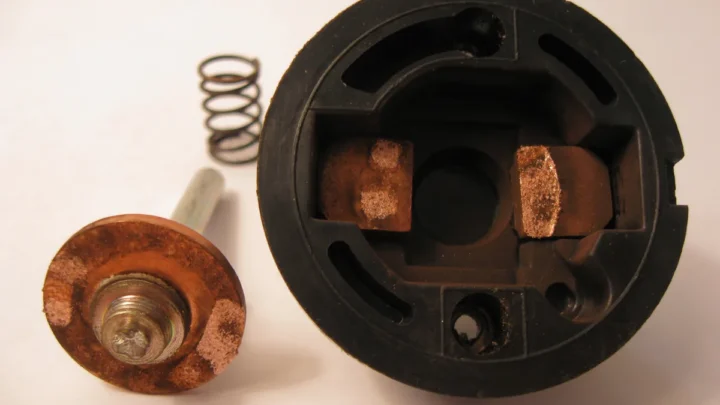
Coolant lines run closer to hot exhaust manifolds. Proper insulation is critical to prevent heat soak. If you ignore basic upkeep, such as checking for leaks near what does a starter do connections during cold starts, you risk premature failure.
The starter motor engages frequently in stop-start systems, placing extra demand on electrical components.
Decision Branch 1: Choose It If You Prioritize City Commuting and Fuel Economy
Select a 3-cylinder if your average trip is under ten miles. These engines excel at rapid warm-ups because there is less metal to heat. This means fewer pollutants released during cold starts.
Per EPA testing standards, many compact cars with inline-threes achieve top-tier city MPG ratings. You save significantly at the pump over five years of ownership.
The lightweight nature also improves handling dynamics. Less weight on the front axle allows for sharper steering response. Drivers often notice easier maneuvering in tight parking spots.
This agility is valuable in dense urban areas. You gain confidence knowing the car reacts instantly to input.
Real-World MPG Gains vs. The Trade-Offs in Refinement
While efficiency is high, refinement varies by manufacturer. Some brands tune the exhaust note to sound sporty. Others aim for silence using active noise control.
If you hate drone, test drive specifically on the highway. Many 3-cylinders resonate at specific RPM bands, typically around 2,000, 3,000 rpm.
| Feature | Benefit | Drawback |
|---|---|---|
| Low Rotational Mass | Snappy acceleration | Limited top-end power |
| Fewer Parts | Lower production cost | Higher stress per component |
| Compact Size | Better cabin space | Complex turbo plumbing |
Maintenance costs can be slightly higher due to specialized parts. Always use full synthetic oil as specified. Conventional oils break down faster under high boost pressures.
Neglecting this leads to sludge buildup. Check your owner’s manual for strict intervals. Ignoring signs of a bad starter or irregular cranking might seem minor, but it strains the engine control unit.
Ensure your battery holds charge well to support start-stop features efficiently.
Decision Branch 2: Skip It If You Tow, Haul, or Crave Highway Passing Power
Avoid 3-cylinders if you tow trailers over 1,000 lbs. The small displacement struggles against aerodynamic drag at speed. You will constantly downshift to maintain momentum.
This burns through transmission fluid and overheats the clutch packs. Long-term durability suffers under continuous load.
Highway passing requires reserve power. Four-cylinders offer broader torque curves above 4,000 rpm. Three-cylinders peak earlier and fall off sharply.
Merging onto fast-moving traffic becomes stressful. You cannot rely on inertia alone. Constant throttle adjustment fatigues the driver.
Where the Torque Curve Hits Its Ceiling
Torque delivery is linear but limited. Once the turbo spools, power arrives abruptly. This can catch inexperienced drivers off guard.
Traction control systems intervene frequently to manage wheel spin. While safe, it disrupts flow. For enthusiasts wanting engagement, this feels artificial.
Consider alternative drivetrains if performance matters. Hybrid systems pair small gas engines with electric motors. The electric assist fills the torque gap seamlessly.
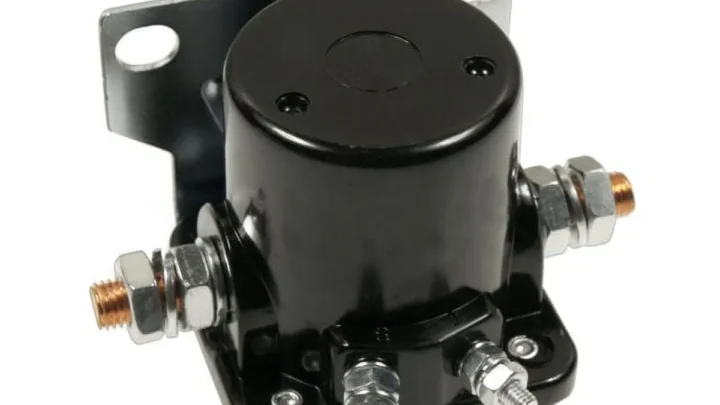
Pure gasoline 3-cylinders lack this buffer. If you already face starting issues, verify your battery health before assuming engine fault. Sometimes symptoms of a bad starter solenoid mimic engine hesitation, confusing diagnosis.
Rule out electrical gremlins first.
Decision Branch 3: Consider It If You Want Agility Over Raw Speed
Choose this path if you value cornering stability. Reduced front-end weight lowers the center of gravity. This minimizes body roll during turns.
Sports compacts benefit greatly from this setup. Drivers report feeling more connected to the road surface.
It suits minimalist lifestyles. Smaller engines mean simpler maintenance schedules. Fewer spark plugs to replace.
Less oil to change annually. Over time, these savings add up. You spend less on consumables and more on experiences.
Weight Distribution and Handling Benefits
Packaging efficiency frees up interior room. Engineers place the engine further back. This balances the car better front-to-rear.
Braking distances improve slightly due to reduced mass. Stopping requires less kinetic energy dissipation. Tire wear decreases marginally over long periods.
However, NVH (Noise, Vibration, Harshness) remains a factor. Sound deadening materials add weight back. Manufacturers walk a fine line between quietness and efficiency.
If you hear grinding noises, investigate immediately. Starter grinding noise indicates flywheel damage, unrelated to cylinder count but critical for overall vehicle health. Address mechanical anomalies promptly to preserve resale value.
Common Myths and Mistakes That Sink the Reputation
The biggest myth is that 3-cylinders are inherently unreliable. This stems from early, poorly engineered units from decades past. Modern turbocharged versions undergo rigorous durability testing.
They often outlast older naturally aspirated four-cylinders in city driving. The key is proper maintenance, not cylinder count.
Another misconception involves noise. People assume all small engines sound like lawnmowers. Manufacturers now use active sound cancellation to fix this.
You hear a refined hum, not a rattle. If your car sounds rough, check for mechanical faults first. Don’t blame the design immediately.
Debunking the "Cheap Sound" and Reliability Fears
Verify the source of any unusual vibrations. Loose heat shields cause rattles more often than engine imbalance. Check mounting bolts during routine inspections.
A worn starter relay can also create clicking noises mistaken for engine trouble. Always rule out electrical issues before condemning the motor.
Reliability data shows mixed results by brand. Some manufacturers push boost pressures too high for longevity. Stick to models with conservative tuning records.
Avoid heavily modified used cars. Factory settings ensure balanced wear on bearings and seals. Ignoring oil change intervals kills these engines faster than vibration ever could.
Maintenance Nuances: Keeping a Small, High-Stress Engine Alive
Treat the oil system as sacred. High boost generates extreme heat inside the combustion chamber. Synthetic oil resists breakdown better than conventional blends.
Change it strictly according to severe service schedules. Do not wait for the standard 10,000-mile interval if you drive aggressively.
Coolant levels matter even more here. The compact block leaves little room for thermal expansion. Overheating warps heads quickly.
Inspect hoses for cracks every six months. Leaks lead to catastrophic failure faster in aluminum blocks than iron ones. Keep the radiator cap sealed tight.
Oil Changes, Turbo Care, and Longevity Tips
Let the engine idle for thirty seconds after hard driving. This cools the turbo bearing via oil circulation. Shutting off immediately cooks the lubricant into sludge.
This clogs tiny passages in the manifold. Regular owners who follow this step report fewer turbo failures. It costs nothing but patience.
Watch for signs of parasitic draw on the battery. Start-stop systems strain electrical components. A weak battery causes slow cranking, stressing the starter gear.
If you notice dimming lights or sluggish starts, test the charging system. Replace the battery proactively every four years. Preventative care beats expensive repairs.
Final Verdict: A Quick Checklist for Your Next Car
Buy a 3-cylinder if you want efficiency and agility. Skip it if you need towing power or silent highways. Your decision rests on three questions.
First, do you mostly drive in cities? Second, will you haul heavy loads regularly? Third, does slight engine drone bother you?
If you answered yes, no, and no respectively, go ahead. The technology has matured significantly since 2015. Resale value remains stable for well-maintained examples.
Just keep up with fluids and filters. Neglect turns a smart choice into a money pit.
Decision Guide Summary
| Priority | Recommendation | Reason |
|---|---|---|
| City Commuting | Strong Buy | Best MPG and maneuverability |
| Highway Cruising | Weak Buy | Drone and limited passing power |
| Towing/Hauling | Avoid | Strain exceeds design limits |
| Budget Focus | Strong Buy | Lower purchase and fuel costs |
Check local incentives for hybrid models. Many 3-cylinders pair with electric motors for better performance. This combination solves most traditional drawbacks.
Verify warranty coverage for turbo components specifically. Extended warranties often exclude wear items. Read the fine print before signing.
Make an informed choice based on facts, not fears.

Similar Posts