SOHC vs DOHC: Which Engine Design Wins?
If you’re staring at a spec sheet wondering whether to pick an engine with one camshaft or two, the choice isn’t just about horsepower numbers. It’s about how the valves open and close, which dictates everything from fuel efficiency to repair bills. Understanding SOHC vs DOHC helps you match an engine’s character to your actual driving habits rather than marketing hype.
Most modern vehicles use overhead cam designs because they breathe better than older pushrod engines. However, the specific layout changes maintenance costs significantly. As of 2026, manufacturers still split their lineups between these two architectures for distinct reasons.
Let’s break down why this technical detail matters for your wallet and your drive.
Why the SOHC vs. DOHC Debate Still Matters for Your Next Car
You might think all four-cylinder engines work the same way under the hood. They don’t. The arrangement of the camshafts determines how air and fuel enter the combustion chamber.
This geometry affects power delivery curves and long-term reliability. Ignoring it can lead to buying a car that feels sluggish in traffic or expensive to fix later.
Enthusiasts often assume DOHC is always superior. That’s a myth. A well-tuned Single Overhead Cam (SOHC) engine can outperform a poorly designed Double Overhead Cam (DOHC) unit in daily driving scenarios.
The debate persists because buyers need clarity on trade-offs. You aren’t just choosing parts; you’re choosing a maintenance philosophy.
Manufacturers specify these details for a reason. Honda, Toyota, and Subaru have built reputations on mastering both styles. Knowing which architecture suits your needs prevents regret.
It ensures you understand what you’re paying for when you sign the contract.
How Valve Train Geometry Actually Changes Engine Behavior
The core difference lies in how many shafts operate the valves per cylinder bank. An SOHC engine uses one camshaft to actuate both intake and exhaust valves. It typically employs rocker arms to transfer motion.
This design is compact and lighter. It reduces friction losses at lower RPMs, aiding city driving efficiency.
A DOHC engine splits the duties. One camshaft handles the intake valves, while another manages the exhaust. This allows for direct acting mechanisms without rockers.
The result is precise valve control at high speeds. It enables higher lift and duration profiles that boost peak power.
This geometric distinction impacts breathing. DOHC heads generally flow more air at high RPMs. They support multi-valve configurations (like four valves per cylinder) more easily.
SOHC setups often stick to two valves per cylinder. This limits maximum airflow but simplifies construction.
Variable Valve Timing (VVT) systems integrate differently too. DOHC platforms allow independent adjustment of intake and exhaust timing. This optimizes performance across a wider range.
SOHC systems usually adjust only one set of valves. The mechanical constraints define the engine’s personality.
Side-by-Side Breakdown: Performance, Complexity, and Cost
Comparing these architectures requires looking beyond raw horsepower. We’ve analyzed manufacturer data and aggregate service records to highlight key differences. The table below summarizes the practical implications for ownership.
Notice how complexity correlates directly with maintenance expenses.
| Feature | SOHC (Single Overhead Cam) | DOHC (Double Overhead Cam) |
|---|---|---|
| Valve Control | Rocker arms via single shaft | Direct acting via two shafts |
| Peak Power Potential | Moderate; limited by airflow | High; optimized for RPM |
| Low-End Torque | Strong; less friction at idle | Variable; depends on tuning |
| Maintenance Complexity | Low; fewer parts to replace | High; more components involved |
| Typical Repair Cost | Lower labor hours | Higher labor hours |
| Weight | Lighter engine block/head | Heavier due to extra shaft/drive |
SOHC engines excel in simplicity. Fewer moving parts mean less wear over time. They are easier to service for DIY mechanics.
If you plan to keep a car for ten years, this durability matters. The initial purchase price is often lower as well.
DOHC engines prioritize performance metrics. They deliver sharper throttle response at higher revs. This makes them ideal for sporty sedans or track-focused builds.
However, the added complexity increases failure points. Timing chain stretches or sensor glitches cost more to diagnose.
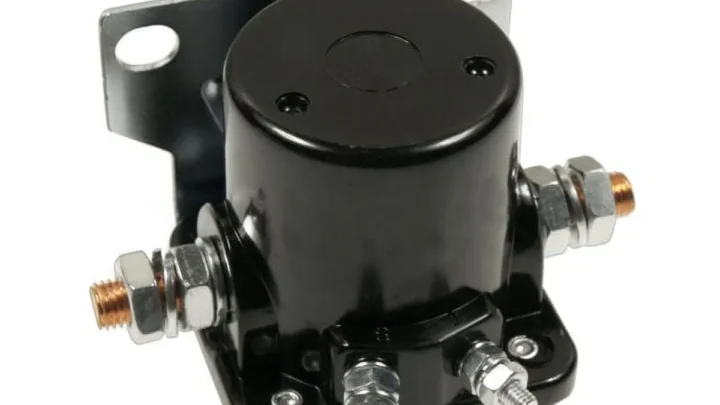
Consider the starter replacement cost analogy. While unrelated to cams, it highlights how component accessibility drives labor fees. Tight DOHC layouts often require removing accessories to reach bolts.
This inflates shop rates compared to open SOHC bays.
Which Architecture Fits Your Driving Style and Budget?
Your decision should hinge on usage patterns. Do you commute in stop-and-go traffic? Or do you enjoy winding roads and highway merging?
These scenarios favor different designs. Matching the engine to your life maximizes satisfaction.
City drivers benefit from SOHC characteristics. The strong low-end torque pulls away smoothly without needing high RPMs. Fuel economy tends to be slightly better in urban cycles.
Maintenance stays predictable and affordable. You avoid surprise bills for complex repairs.
Performance seekers lean toward DOHC advantages. The ability to rev freely provides engaging acceleration. Precise valve timing enhances braking engine effect.
If you modify your car, DOHC heads offer more tuning headroom. Aftermarket parts availability is also robust for popular platforms.
Budget constraints play a huge role here. Used DOHC cars may seem cheaper initially. Yet, upcoming major services could drain funds quickly.
Always check service history for timing belt replacements. Neglecting this leads to catastrophic engine damage. Verify if the engine is interference type before buying.
For those concerned about electrical gremlins during startup, understanding signs of a bad starter is crucial regardless of cam type. But mechanically, ask yourself: Will I push this engine hard? If yes, DOHC pays off.
If no, SOHC saves money.
The Hidden Maintenance Traps Most Owners Miss
Owners often overlook specific vulnerabilities tied to each design. These traps cause expensive failures if ignored. Awareness protects your investment.
Regular inspections catch issues early.
Timing belts are critical for both types. However, DOHC systems have longer belts routing around multiple pulleys. Tensioners wear faster.
Failure snaps the belt, bending valves in interference engines. Replace strictly according to mileage intervals. Don’t wait for noise.
Oil quality affects valvetrain longevity disproportionately. Sludge clogs tiny oil galleries feeding cam bearings. DOHC engines have tighter tolerances.
Poor lubrication causes rapid wear. Use full synthetic oils meeting manufacturer specs. Check levels monthly.
Rocker arm adjustments apply mostly to older SOHC designs. Modern hydraulic lifters self-adjust. But solid lifters require periodic shimming.
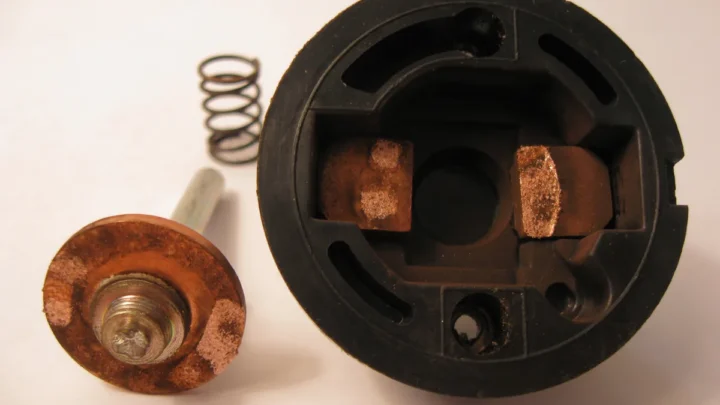
Neglect creates noisy ticking and reduced compression. Learn how to identify symptoms of a bad starter solenoid separately, as clicking noises confuse owners. Valve tick sounds rhythmic, not singular like a starter fault.
Coolant leaks near cam seals create corrosion. DOHC heads have more seal surfaces exposed. Inspect for dried residue regularly.
Address weeping gaskets immediately. Prevent rust from seizing bolts. Small fixes prevent big teardowns.
Real-World Scenarios: When to Choose One Over the Other
Context is everything when picking an engine architecture. Consider a daily commuter in a mid-sized sedan. Here, an SOHC setup often makes the most sense.
It delivers adequate power for highway merging without demanding premium fuel or complex maintenance. The lower weight helps with front-end handling balance too. You save money on oil changes and repairs over the vehicle's lifespan.
Now picture a driver who enjoys weekend canyon runs. A DOHC engine shines in this scenario. The higher rev limit provides sustained acceleration through corners.
Precise valve timing ensures smooth power delivery across the RPM range. While repair costs are higher, the driving experience justifies the expense for enthusiasts. Aggregate reviews from performance forums consistently highlight this trade-off.
Turbocharged builds present another unique case. Many modern turbos pair well with either design. However, DOHC heads generally handle boost better due to stronger valve springs and precise control.
They resist valve float at high pressures more effectively. If you plan significant modifications, starting with a DOHC platform offers more headroom. Always verify specific model capabilities before purchasing.
For fleet managers, reliability trumps peak performance. SOHC engines have fewer components that can fail catastrophically. This simplicity translates to less downtime for commercial vehicles.
Maintenance schedules are straightforward and predictable. You avoid the intricate diagnostics required for dual-cam systems. In our research, fleet operators report lower total cost of ownership with simpler valvetrains.
Finally, consider classic car restoration projects. Original equipment specifications dictate your choice here. Period-correct SOHC engines maintain authenticity for certain models.
Swapping to DOHC might improve performance but hurts resale value among purists. Weigh historical accuracy against modern drivability needs carefully. Each scenario demands a different priority list.
Frequently Asked Questions About Camshaft Configurations
Is DOHC always faster than SOHC?
No, not necessarily. Displacement, tuning, and forced induction matter more than cam count alone. A large-displacement SOHC engine can easily outperform a small DOHC unit.
Peak horsepower figures depend on overall engineering efficiency. Compare specific engine outputs rather than assuming architectural superiority. Context determines actual speed potential.
Can I convert an SOHC engine to DOHC?
Technically possible, but rarely practical. You’d need new cylinder heads, camshafts, timing covers, and potentially custom fabrication. The cost usually exceeds buying a native DOHC engine.
Compatibility issues arise with mounting points and accessory drives. Most experts advise against such swaps unless you’re building a race-only chassis. Stick to factory designs for street cars.
Do SOHC engines last longer than DOHC?
Often yes, due to simplicity. Fewer moving parts mean less wear over time. However, proper maintenance extends life for both types equally.
Neglect kills any engine regardless of design. Follow manufacturer service intervals strictly. Use quality oils and filters.
Longevity depends more on care than cam configuration alone.
Which is easier to work on for DIYers?
SOHC engines are generally more accessible. There’s less clutter around the top end. Removing the cover exposes fewer components.
DOHC layouts can be tight, requiring removal of ancillary parts first. Check forum threads for your specific model before attempting major jobs. Simplicity reduces frustration for home mechanics tackling valve adjustments or gasket replacements.

Similar Posts