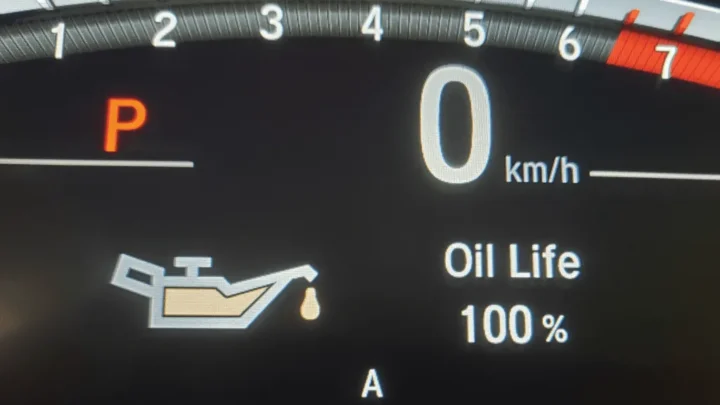
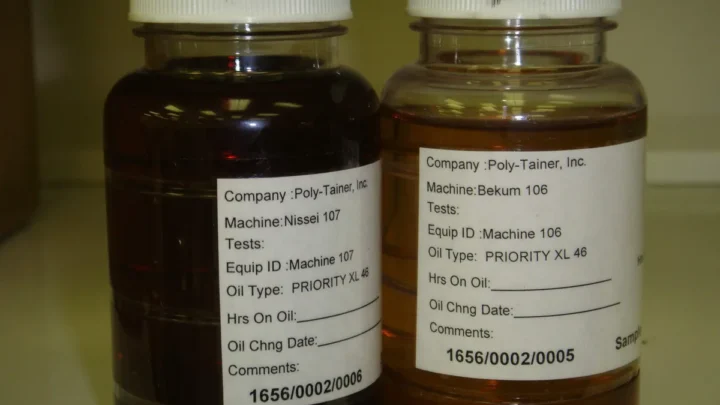
When Should You Switch to High Mileage Oil? Key Signs
Deciding when should you switch to high mileage oil comes down to what your engine is telling you, not just the number on the odometer. The 75,000-mile rule you've heard for years is a rough guideline, and treating it as gospel can cost money or leave a leaky engine unprotected.
Per API and ILSAC guidance current as of 2026, high mileage motor oils use extra seal conditioners and slightly heavier base stocks to help worn engines hold pressure and burn less oil. Our research across manufacturer technical data sheets and aggregate mechanic feedback points to the same conclusion. Symptoms matter more than mileage.
Here's how to read yours.

When High Mileage Oil Actually Matters (and When It Doesn't)
Most drivers get told to switch at 75,000 miles and left to figure out the rest. That number came from a marketing threshold, not an engineering one. Some engines need the extra seal conditioners at 60,000 miles.
Others cruise past 150,000 on standard synthetic with no issue.
The real question is whether your engine is showing wear that the added additives can actually help. Small leaks. Rising oil consumption.
A bit of cold-start lifter tick. Minor sludge. Those are the problems this oil was formulated to address.
If your engine is clean and dry, you're paying a premium for benefits you don't need yet. Skipping the switch on a healthy motor isn't neglect. It's the right call.
The Short Answer: Symptoms Beat the Odometer
Switch to high mileage oil when your engine shows wear symptoms, not at a fixed mile count. The 75,000-mile guideline is only a starting point. Watch for small leaks, oil consumption, cold-start noise, or blue smoke.
Any of those means the seal conditioners and thicker film can help. A clean engine under 100,000 miles rarely benefits from switching early.
What Makes High Mileage Oil Different From Regular Oil
High mileage oil isn't repackaged regular oil. The chemistry is genuinely different, and the differences matter once your engine has some wear on it. Meeting the American Petroleum Institute SP service category is the baseline.
What's added on top is where it earns its price.
Seal Conditioners and Why They Swell Worn Gaskets
High mileage oils include ester-based seal conditioners and alkylated naphthalenes. These agents cause aged rubber seals to swell slightly and regain flexibility. That's what quiets a weepy valve cover or slows a seeping rear main.
It's chemistry, not magic. The seal doesn't heal itself. It just seats better against the shaft.
The Additive Package: ZDDP, Detergents, and Friction Modifiers
Formulators bump up anti-wear additives like zinc dialkyldithiophosphate (ZDDP) to protect worn cam lobes and lifters. Detergents and dispersants keep old varnish from breaking loose in chunks. Friction modifiers, often molybdenum-based, reduce metal-to-metal contact where clearances have opened up.
Viscosity and Film Strength on Worn Tolerances
High mileage formulas often sit at the thicker end of their grade. A 5W-30 high mileage may behave closer to a fresh 30-weight at operating temperature than a standard 5W-30 does. That extra film strength cushions looser bearing clearances and reduces oil slipping past worn rings.
The 6 Real Signs Your Engine Is Ready for the Switch
Any one of these on its own is a fair reason to try high mileage oil at your next change. Two or more, and you're overdue.
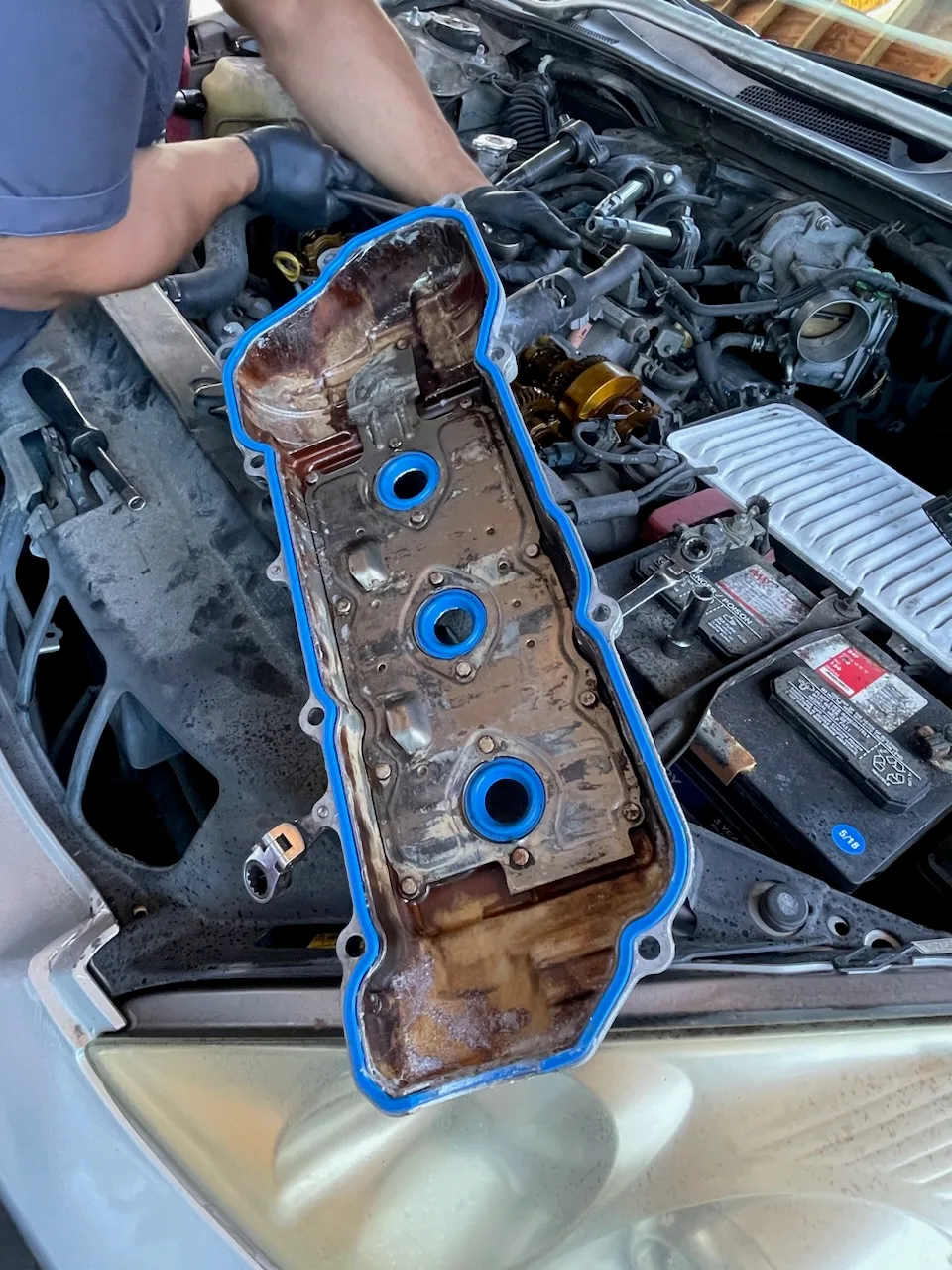
Burning a Quart Between Oil Changes
Losing about a quart every 1,000 to 1,500 miles is the industry benchmark for high consumption. Worn rings and valve seals are usually the cause. Thicker, seal-swelling oil often cuts that loss in half.
Small Seepage at the Valve Cover, Oil Pan, or Rear Main
If you're wiping oil off the block or finding drips on the driveway, your seals have hardened. High mileage oil can slow or stop the weep in two or three change cycles. It won't fix a torn gasket, but a shrunken seal often responds within 1,000 miles.
Blue Smoke at Startup or Under Load
Blue smoke at cold start means oil is leaking past valve seals overnight. Under acceleration, it points to worn piston rings. A higher-viscosity high mileage oil often reduces both, especially when paired with a fresh PCV valve.
Timing Chain Rattle or Lifter Tick on Cold Start
A brief rattle in the first two seconds after startup often means oil drained back overnight and pressure takes a moment to build. Heavier base oils hold pressure longer, softening that noise. Persistent rattle past 10 seconds is a mechanical problem, not an oil one.
Sludge, Varnish, or a History of Missed Changes
If the fill cap shows brown gunk or the dipstick smells burnt, extra detergents can help clean the engine gradually. Do not use a flush chemical to speed it up. High mileage oil works over multiple changes without dumping deposits into narrow oil galleries.
Crossing 75,000 Miles With Any of the Above
The mileage number only counts when paired with a symptom. A dry, clean engine at 90,000 miles doesn't need the switch. A leaking one at 55,000 does.
If you're buying a used car, our full walkthrough on checking a vehicle before purchase covers what to look for under the hood.
The Decision Tree: Should You Switch Right Now?
Match your situation to the right branch. Then act at the next scheduled change, not sooner.
If Your Engine Is Clean and Under 75,000 Miles
Stay on the oil your owner's manual specifies. Switching early gives you no measurable benefit and may push viscosity above spec. Reassess at your next service.
If you plan to keep the car long-term, our beginner-friendly guide on handling your own oil service can save you the shop premium.
If You're Between 75k and 150k With No Symptoms
Optional. Switching now is a hedge, not a fix. A high mileage synthetic blend is a reasonable middle ground and typically costs 10 to 25 percent more than standard oil.
If your engine is dead quiet and dry, standard synthetic is still fine.
If You Have Leaks, Consumption, or Noise at Any Mileage
Switch at your next oil change. Match the viscosity your manufacturer specifies. Recheck in 3,000 miles.
If leaks or consumption improve, stay on it. If nothing changes after two full cycles, you likely have a mechanical issue that oil alone cannot address.
If You're Past 150k and Running Strong
High mileage oil is the safer default. The added anti-wear and seal conditioners help you keep the win. Do not jump two viscosity grades hoping for extra protection.
A 5W-30 high mileage protects a worn engine better than a 20W-50 that never reaches full flow at cold start.
Choosing the Right Viscosity When You Switch
Do not use switching brands as an excuse to change viscosity. The grade on your owner's manual cap or the underside of the hood is the one your engine was engineered for. Manufacturer specs confirm that going a full grade heavier can starve tight bearing clearances at cold start.
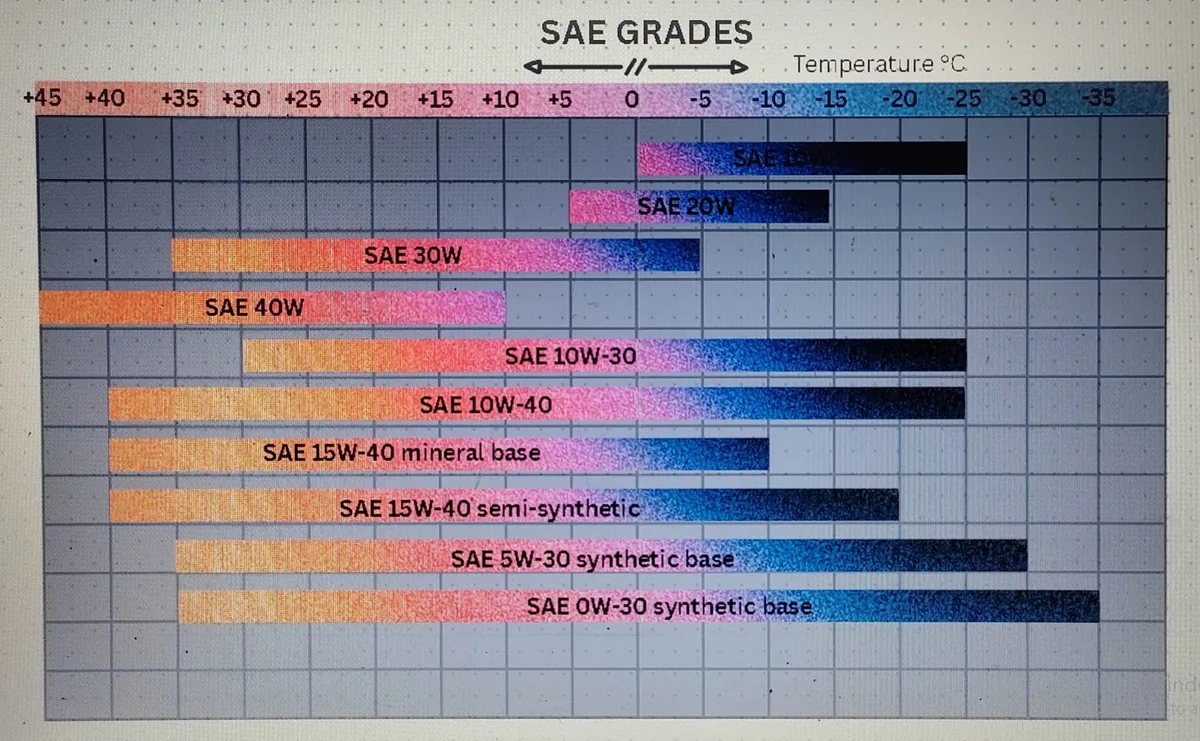
The one exception is a known factory allowance. Some Toyota, Ford, and GM engines list an alternate grade for hot climates or heavy towing. If your manual says 0W-20 primary and 5W-30 acceptable for towing, a 5W-30 high mileage is fair game.
If your engine is burning oil badly, a common temptation is to jump from 5W-30 to 10W-40. Skip that move. The winter number matters more than you think.
A thicker cold rating means slower flow at startup, right when most engine wear happens.
High Mileage Conventional vs. Synthetic Blend vs. Full Synthetic
The three tiers exist for real reasons, not marketing tiers. Match the tier to how the car is used and how much longer you plan to keep it.
| Type | Best For | Typical Change Interval | Price vs. Standard |
|---|---|---|---|
| High Mileage Conventional | Older engines under 100k, mild climate, short trips | 3,000 to 5,000 miles | +10 to 15% |
| High Mileage Synthetic Blend | Mixed driving, 75k to 150k, some leaks or consumption | 5,000 to 7,500 miles | +15 to 20% |
| High Mileage Full Synthetic | Modern engines past 100k, hot climates, towing, turbo | 7,500 to 10,000 miles | +20 to 25% |
Full synthetic high mileage is the default recommendation for anything built after roughly 2010. Modern engines run tighter tolerances and hotter combustion. They punish thin conventional oil.
Aggregate reviews from oil analysis labs suggest synthetic blends bridge the gap well for older domestic V6 and V8 engines. If your engine originally shipped with conventional, a blend is often the smart middle ground.
High Mileage Oil vs. Stop-Leak Additives and Engine Flushes
High mileage oil already contains what stop-leak bottles promise, in a balanced dose. Pouring a stop-leak product on top can over-swell seals, cause them to distort, and turn a slow drip into a real leak weeks later.
Engine flushes are a bigger risk. They dissolve varnish that was quietly sealing worn areas. On engines with heavy sludge, that varnish is holding back oil consumption.
Strip it in ten minutes and you can double the burn rate overnight.
Here's the safer approach:
- Skip aftermarket stop-leak on any engine you plan to keep long term.
- Skip chemical flushes on any engine over 100,000 miles unless a shop has verified light sludge only.
- Let high mileage oil clean gradually across three to four change cycles.
- If a leak keeps growing after two cycles on the new oil, replace the gasket instead.
How to Make the Switch the Right Way
There's no complex procedure. It's a normal oil change with a few extra checks. Done in the right order, you'll actually know whether the switch is helping.
Confirm the OEM Spec Before You Change Formulas
Open the owner's manual or check the underside of the hood for the required viscosity and API service category. Most 2015 and newer engines require API SP or ILSAC GF-6. Match those markings on the bottle.
A wrong spec can void powertrain warranty coverage on newer used cars.
The First Oil Change and What to Watch For
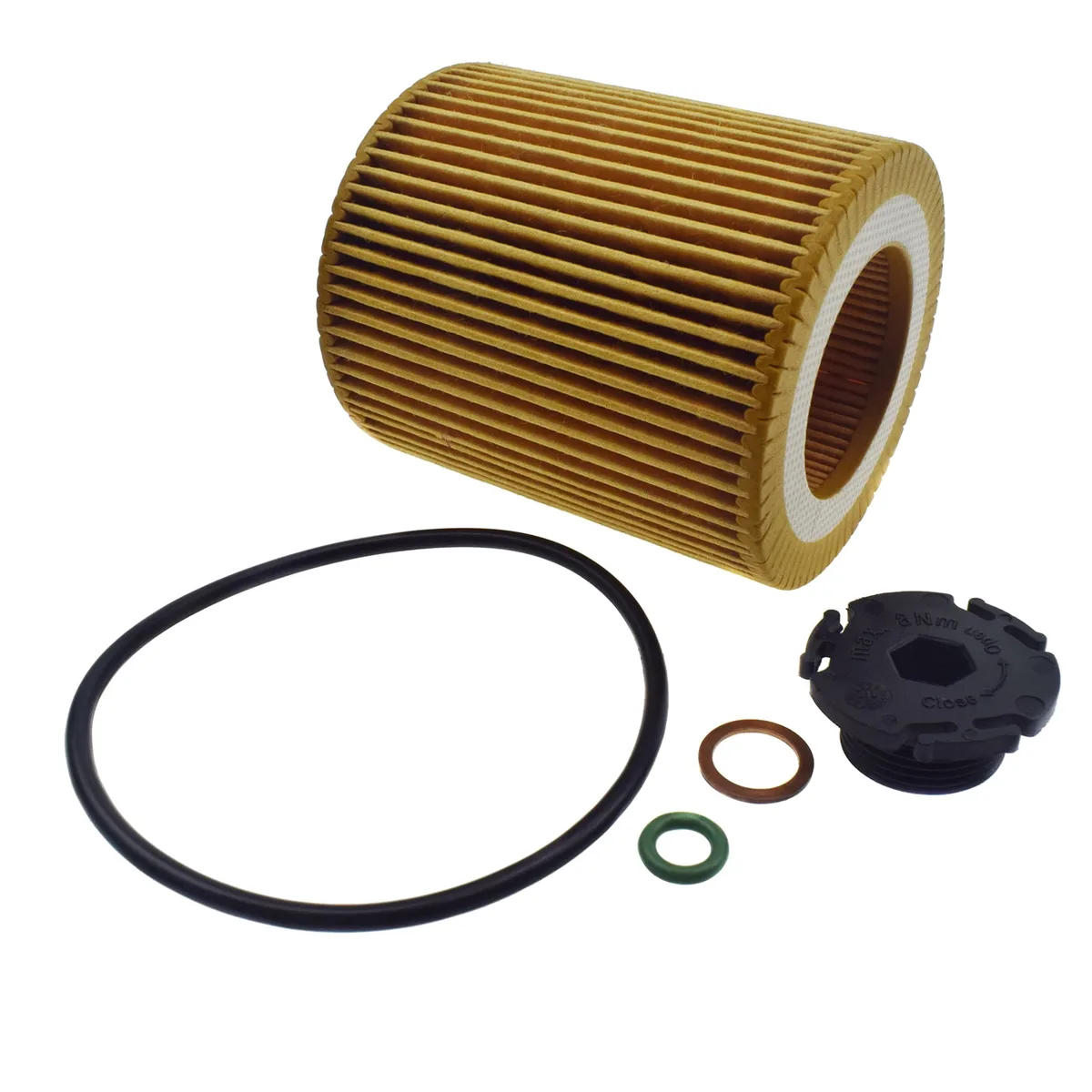
Drain the old oil warm, replace the filter, and refill to the middle of the dipstick hash marks. Do not overfill. Excess oil foams under crankshaft rotation and pushes past seals faster.
Run the engine for one minute, shut it off, wait five, and recheck the level.
Monitoring Consumption and Leaks Over the Next 3,000 Miles
Check the dipstick every fill-up for the first two tanks, then weekly. Note the level, any drops, and driveway spots. Real improvement shows up between miles 500 and 2,000 as seals rehydrate.
If consumption drops from a quart every 1,000 miles to a quart every 2,500, the switch is working.

Similar Posts