Which Engine Oils Actually Meet the BMW LL-01 Spec?
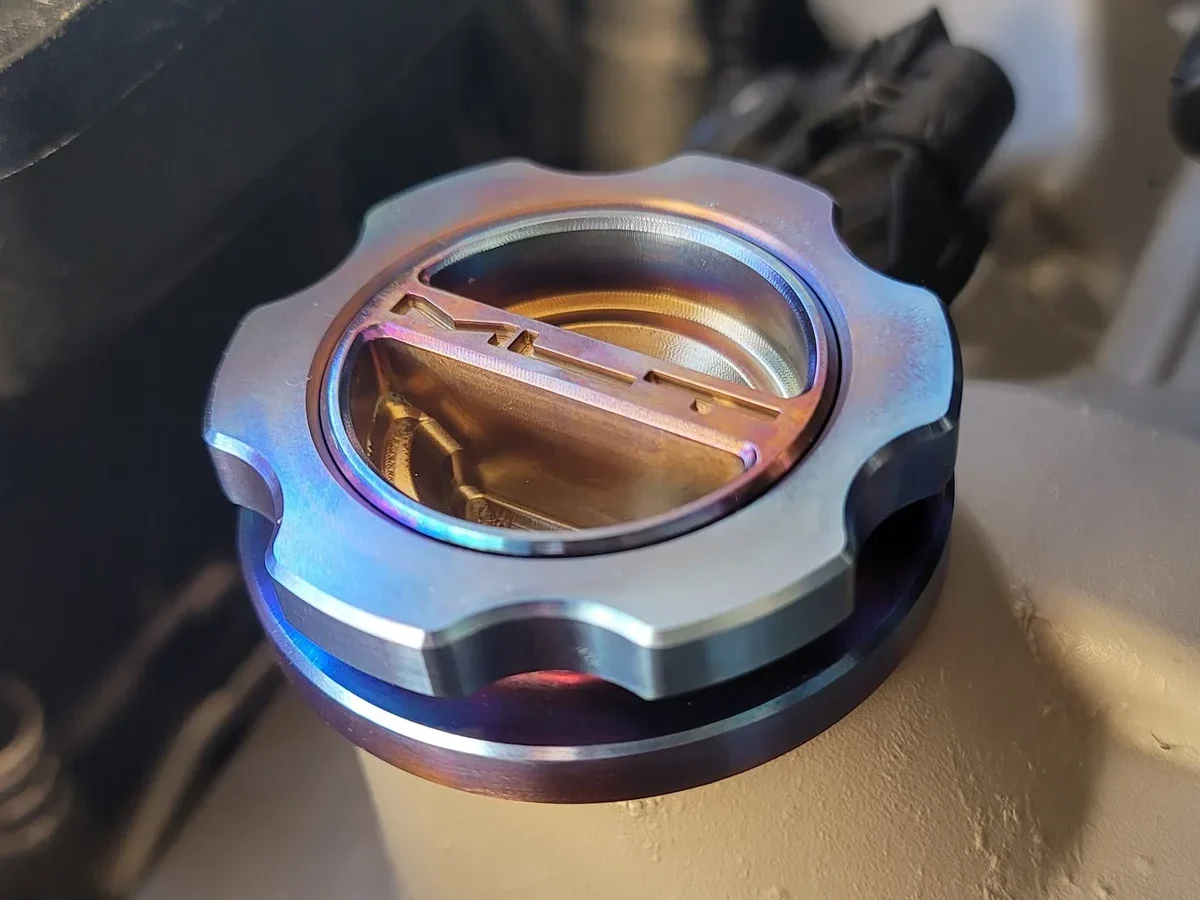
If you own a BMW, you've probably stared at the shelves at your local parts store wondering exactly what oil meets BMW LL-01 spec. The label wording gets confusing fast, and a wrong pick can quietly damage your engine over time. LL-01 isn't a viscosity grade or a marketing badge.
It's a strict factory approval BMW hands out only to oils that pass their in-house testing.
Per BMW Group Standard GS 91140, an LL-01 oil must meet ACEA A3/B4 performance, hold an HTHS viscosity of at least 3.5 mPa·s, and survive drain intervals up to 15,000 miles. As of 2026, only a handful of oils on shop shelves carry genuine approval. Here's how to tell the real thing from the pretenders.
Quick Answer
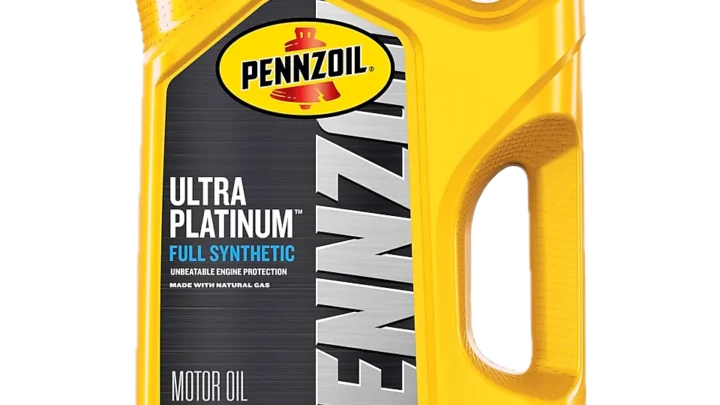
Several oils meet BMW LL-01 spec. Top picks include Castrol Edge 0W-40, Mobil 1 0W-40 FS, and Shell Helix Ultra 5W-40. All are full-SAPS synthetics approved under BMW Group Standard GS 91140.
LL-01 is required for most petrol BMWs built before 2018. Always cross-check BMW's official approved-oil database before buying.
Why Getting BMW LL-01 Right Actually Matters
BMW engines are engineered around very specific oil chemistry. Skip the correct spec and you're not just risking a warranty dispute. You're feeding a precision engine the wrong fluid.
LL-01 oils protect three vulnerable areas in older BMW petrol engines. The VANOS solenoids, the timing chain guides, and the high-pressure fuel pump lobes all rely on stable film strength at high temperatures. A generic 5W-30 with a lower HTHS number thins out under load, and wear accelerates fast.
Our research into aggregate technician reports and BMW service bulletins shows a clear pattern. Owners who use unapproved oils on 15,000-mile intervals frequently see premature timing chain stretch on N20, N54, and N63 engines. The oil looked cheap upfront.
The repair bill starts north of $3,500.
If you'd rather handle basic servicing yourself, our step-by-step DIY oil change walkthrough covers the mechanical side. What matters here is picking the right bottle before you unscrew the drain plug.
What BMW LL-01 Really Means (And What It Doesn't)
BMW Longlife-01, abbreviated LL-01, is a factory oil approval defined by BMW Group Standard GS 91140. It's not an industry-wide spec. It's BMW's own internal engineering standard.
To earn the approval, a lubricant has to pass BMW's own bench tests plus a fleet trial in real BMW engines. The oil must:
- Meet ACEA A3/B4 as a baseline performance class
- Carry a High-Temperature High-Shear (HTHS) viscosity of 3.5 mPa·s or higher
- Retain full-SAPS chemistry (sulphated ash, phosphorus, sulphur)
- Withstand extended drain intervals under BMW's Condition Based Service (CBS) system
- Show low NOACK volatility, typically under 13%
LL-01 is designed for naturally aspirated and turbocharged petrol engines without a gasoline particulate filter (GPF). It's not the same as LL-01 FE, which is a lower-HTHS "fuel economy" variant. And it's definitely not LL-04, which targets diesel engines with DPFs.
Mixing them up is one of the most common mistakes we see in owner forums.
The Engines That Require LL-01 Oil
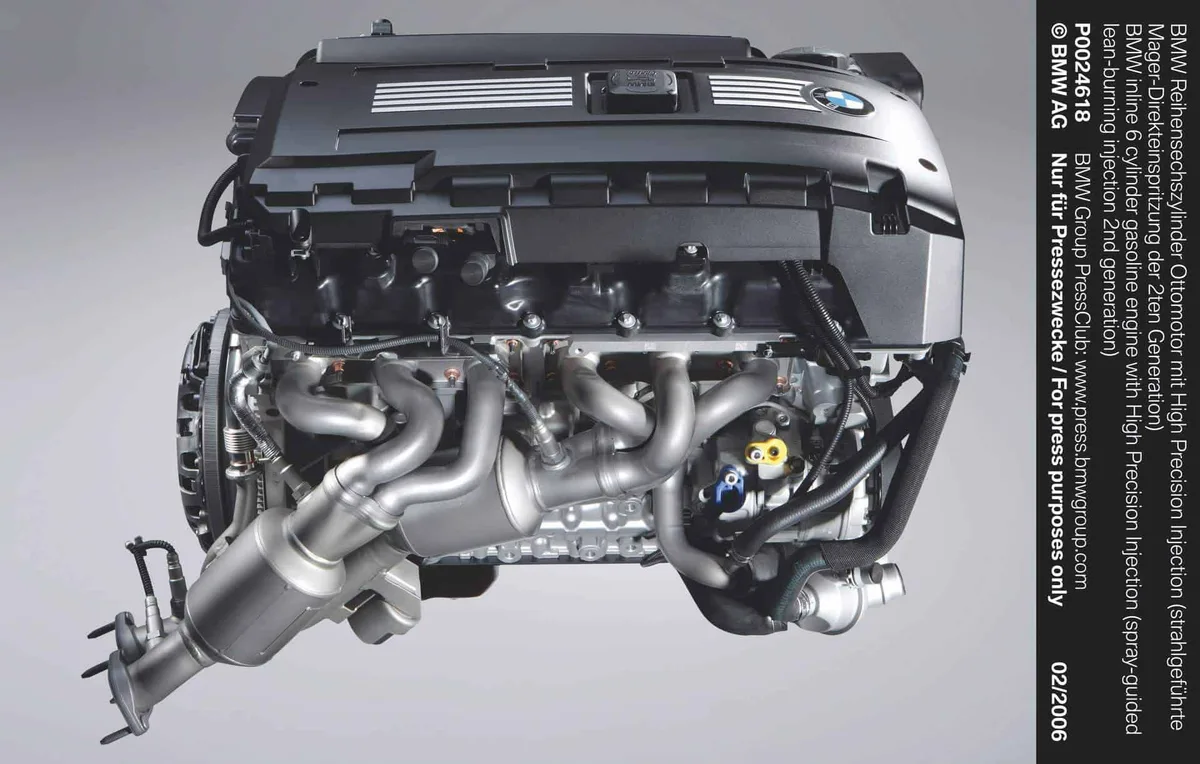
LL-01 was BMW's default petrol engine oil spec from around 2002 until the mid-2010s. If your BMW was built in that window and doesn't have a gasoline particulate filter, LL-01 is almost certainly what the manual calls for.
Engines that typically require LL-01 include:
- N-series petrol engines: N40, N42, N45, N46, N52, N54, N55, N62, N63
- M-series petrol: M52TU, M54, M56
- S-series performance: S54, S65, S85 (confirm in your owner manual)
- MINI Cooper engines in R50, R52, R53, R55, and R56 platforms
- Rolls-Royce Phantom early V12 (shared BMW architecture)
Newer BMWs with GPFs, mostly 2018 and later, moved to LL-14 FE+ or LL-17 FE+. Older 1990s BMWs sometimes list LL-98 or LL-01 as acceptable. Always check your specific VIN against BMW's official approved-oil database rather than trusting a shelf label.
How to Tell If an Oil Truly Meets LL-01 Spec
The single most important skill here is reading the bottle correctly. Oil manufacturers use precise legal wording, and one word changes everything.
Approved By vs Meets: The Label Trick That Fools Buyers
"Approved by BMW Longlife-01" means the oil went through BMW's testing, passed, and sits on the current approved list. "Meets BMW LL-01 requirements" is a self-certified claim. The manufacturer thinks their oil hits the spec, but BMW hasn't verified it.
That distinction matters for two reasons. First, warranty coverage. BMW dealers can and do reject claims when unapproved oils are used during the warranty period.
Second, real-world performance. Self-certified oils sometimes cut corners on additives that fail long before the 15,000-mile drain interval ends.
Watch for these red flags on any bottle:
- Vague phrasing like "suitable for" or "compatible with"
- No batch number or approval code printed on the label
- Listings on marketplace sites well below the going rate (counterfeits are rampant)
- Bottles labeled LL-01 FE when your engine calls for straight LL-01
Cross-Checking BMW's Official Approved Oils List
The only authoritative source for what carries current LL-01 approval is BMW's own portal. You can find the live approved-oil database on the official BMW Group engineering site. Approvals get updated as formulations change, and oils occasionally get delisted when their chemistry drifts.
To verify a candidate oil:
- Note the exact brand, product name, and viscosity grade
- Search the BMW approved-oil database for that exact product
- Confirm LL-01 is listed under current approvals, not just historical ones
- Check the manufacturer's own Technical Data Sheet for the matching claim
If the oil appears on both BMW's list and the manufacturer's own TDS, you're safe. If it only shows on the bottle but not in BMW's database, walk away.
Current Oils That Carry Genuine BMW LL-01 Approval
As of 2026, the approved list is smaller than most owners expect. Formulations change, and a few once-popular oils have quietly dropped off. Here are the ones aggregate technical data sheets and BMW's active database currently confirm:
| Oil | Viscosity | Notable Traits |
|---|---|---|
| Castrol Edge 0W-40 A3/B4 | 0W-40 | Long-standing BMW factory fill favourite |
| Mobil 1 0W-40 FS | 0W-40 | High PAO content, strong cold-crank performance |
| Shell Helix Ultra 5W-40 | 5W-40 | Wide availability, stable at high loads |
| Liqui Moly Molygen 5W-40 | 5W-40 | Molybdenum additive package for friction reduction |
| BMW TwinPower Turbo 5W-30 LL-01 | 5W-30 | The genuine BMW-branded factory fill |
| Total Quartz 9000 Energy 5W-40 | 5W-40 | European-market approval |
| Motul 8100 X-cess 5W-40 | 5W-40 | Popular with independent BMW specialists |
Viscosity choice depends on climate and engine type, which we'll cover next. Any oil not on BMW's live database, no matter how good it looks, isn't LL-01 approved. And if you're servicing a car you just picked up, our pre-purchase vehicle checklist covers the fluid checks worth running before your first oil change.
LL-01 vs LL-01 FE, LL-04, LL-12, LL-14, and LL-17 Explained
BMW's oil approval family looks like alphabet soup on first glance. Each code targets a different engine generation and emissions setup. Grabbing the wrong one is easier than it should be.
Here's how the current specs compare:
| Spec | Best For | HTHS | SAPS Level |
|---|---|---|---|
| LL-01 | Petrol engines, no GPF (2002 to ~2018) | ≥ 3.5 mPa·s | Full |
| LL-01 FE | Fuel-economy variant, only if manual states | ~2.9 mPa·s | Full |
| LL-04 | Diesels with DPF, some petrol Euro market | ≥ 3.5 mPa·s | Mid |
| LL-12 FE | Diesels needing low-SAPS + fuel economy | ~2.9 mPa·s | Mid |
| LL-14 FE+ | Petrol turbos 2014 onward | ~2.6 mPa·s | Mid |
| LL-17 FE+ | Newer B-series petrol with GPF | ~2.6 mPa·s | Mid |
The rule of thumb: LL-01 and LL-01 FE aren't interchangeable. LL-04 works in some LL-01 engines only when explicitly listed in the owner manual. Newer FE and FE+ oils are backwards-incompatible with older LL-01 engines because their HTHS is too thin.
Choosing the Right Viscosity: 5W-30, 0W-40, or 5W-40
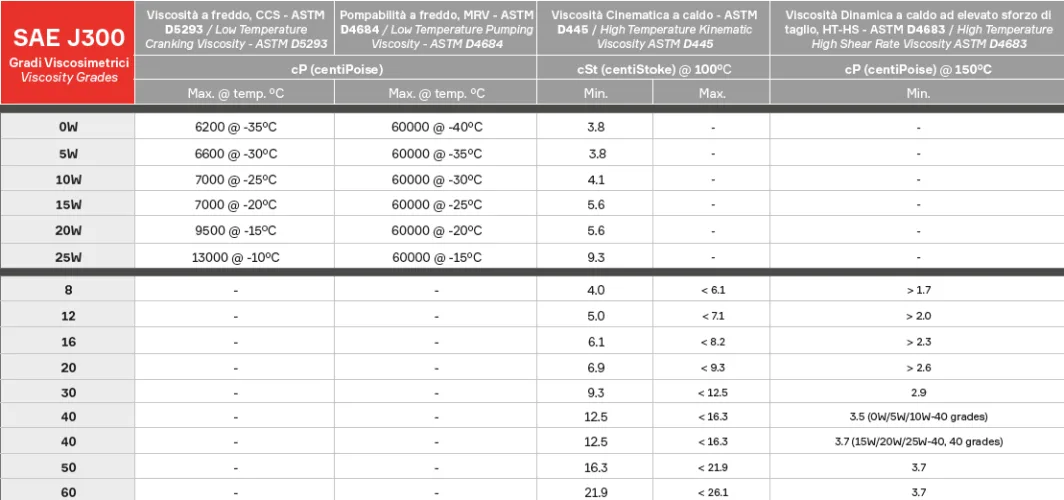
Viscosity is defined by the SAE J300 standard. The first number (0W or 5W) describes cold-flow performance. The second (30, 40) describes viscosity at operating temperature.
For LL-01 engines, three grades are commonly approved:
- 5W-30: Original factory fill for many N52, N54, and N55 engines. Best fuel economy and still hits HTHS 3.5 when approved
- 0W-40: Preferred for cold climates and older M-engines. Excellent cold-start protection down to around minus 40 degrees Celsius
- 5W-40: The all-rounder. Slightly thicker cold, robust film strength for high-load driving
If your car spends winters below freezing, 0W-40 is the safer pick. If you drive hard, tow, or live somewhere hot, 5W-40 holds up better under sustained load. Only use 5W-30 when the manual specifically calls for it and the bottle carries LL-01 approval.
Risks of Using the Wrong Oil in an LL-01 Engine
Wrong-spec oil doesn't announce itself. Damage builds slowly, then shows up as an expensive repair years later. Our review of BMW dealer service data and independent technician forums points to five recurring failure modes.
- Timing chain stretch: Common on N20, N54, and N63 engines running oils that thin out under high RPM
- VANOS solenoid clogging: Cheap oils leave varnish deposits that jam the solenoid pintles
- HPFP wear: The high-pressure fuel pump lobes score when film strength drops
- Turbocharger coking: Turbo bearings need heat stability that low-HTHS oils can't sustain
- Sludge buildup: Extended 15,000-mile drains with unapproved oil cause thick sludge in the sump and oil galleries
Repair estimates in our aggregate research land between $2,000 for a VANOS refresh and $8,000+ for a timing chain job on a 4.4L V8. That's a serious cost for saving $20 on a jug. Sticking to genuine LL-01 fluid is cheap insurance, and pairing it with our engine oil replacement guide means the fresh oil actually gets into the engine correctly.
Common Mistakes BMW Owners Make When Buying Oil
Even experienced BMW owners slip up here. The mistakes are almost always about label reading, not mechanical knowledge.
- Assuming "European Formula" means BMW-approved. It doesn't. Look for the exact LL-01 approval wording.
- Buying LL-01 FE for an engine that calls for straight LL-01. The lower HTHS puts wear components at risk.
- Mixing viscosity grades between top-ups. Stick to one grade per drain interval.
- Trusting online marketplace sellers for premium brands. Counterfeit Castrol, Mobil 1, and Liqui Moly bottles are common. Buy from authorised dealers.
- Using LL-04 in an LL-01 gasoline engine that doesn't list LL-04 as compatible. Mid-SAPS chemistry lacks additives the engine expects.
- Skipping the oil filter change. Even the best LL-01 oil gets contaminated fast if the filter is old.
If your car is a recent private-party purchase, a full fluid audit before the first service is smart. Our pre-buy inspection walkthrough covers exactly what to check under the bonnet.
Climate and Driving Style Considerations
The same LL-01 approval can behave differently depending on where and how you drive. Two owners running identical engines can benefit from different viscosity grades within the LL-01 family.
Cold-climate drivers (Northern Europe, Canada, upper US Midwest) get more value from 0W-40. Cold cranks pull oil to the top end faster, which cuts the dry-start wear that happens in the first 20 seconds after ignition. Sub-zero winter starts are where thin cold-flow numbers earn their keep.
Hot-climate or heavy-duty drivers (Middle East, Australia, US Southwest, or anyone who tows or tracks) usually favour 5W-40. The thicker high-temperature grade holds film strength when oil sump temperatures climb past 130 degrees Celsius. Track-day owners often shorten drain intervals to 5,000 miles regardless of the CBS estimate.
Short-trip city drivers face a different risk. Repeated cold cycles never let the oil fully burn off fuel dilution or moisture. Cutting the CBS interval roughly in half is a smart move, no matter which LL-01 grade you run.
How to Verify the Spec Before You Pour It In
Once you've picked a candidate oil, run through a five-second checklist at the counter. This catches almost every counterfeit and every accidental grade mismatch.
- Read the back label. Confirm it says "Approved" not just "Meets" or "Suitable for" BMW Longlife-01.
- Match the viscosity to your owner manual or the oil filler cap marking.
- Check the batch number and manufacture date. Anything older than three years may have shelf-degraded additives.
- Compare the label wording against the manufacturer's current Technical Data Sheet online.
- If buying online, verify the seller is an authorised distributor for that brand.
For added confidence, note the exact product name on your phone and search BMW's approved-oil portal before opening the jug. If the product isn't there under current LL-01 approvals, return it. A five-minute check beats a five-figure repair.
Expert Tips for Long Engine Life on LL-01 Oil
Approved oil is only half the equation. How you service and monitor the engine matters just as much.
- Change the oil filter every service, not every other. Filter cost is trivial compared to bypass-valve wear.
- Replace the oil filter housing gasket every 60,000 miles or at the first sign of a leak. It's a common failure on N-series engines.
- Reset the CBS oil service indicator via iDrive or a scan tool after every change. This keeps the algorithm calibrated.
- Log the batch number and change date in your service book. Warranty claims and future resale both benefit.
- Cut CBS intervals in half if you do mostly short trips, tow regularly, or track the car.
- Warm the engine to full operating temperature before draining. Warm oil carries suspended contaminants out with it.
- Check oil level weekly on N54, N63, and S65 engines. All three are known for measurable consumption between services.
For the mechanical side of the drain, refill, and reset process, our guide on handling your own oil service walks through the sequence.
Frequently Asked Questions About BMW LL-01 Oil
Is BMW LL-01 the same as ACEA A3/B4?
No. ACEA A3/B4 is the baseline performance class that LL-01 oils must meet, but LL-01 requires additional BMW-specific fleet testing and approval. Every LL-01 oil is A3/B4, but not every A3/B4 oil is LL-01 approved.
Only oils on BMW's official database carry the true LL-01 stamp.
Can I use LL-04 instead of LL-01?
Only if your owner manual specifically lists LL-04 as an approved alternative for your engine. LL-04 uses mid-SAPS chemistry designed for diesel DPFs, which lacks some additives LL-01 petrol engines expect. Substituting the wrong direction can accelerate wear on VANOS solenoids and timing chain components.
Does LL-01 oil expire on the shelf?
Yes, though slowly. Sealed LL-01 oil is typically good for around five years from the manufacture date, per most oil-maker Technical Data Sheets. After that, additive packages start to separate and cold-flow performance degrades.
Always check the batch date on the bottle before purchase.
Why was LL-01 phased out on newer BMWs?
Newer BMWs added gasoline particulate filters (GPFs) to meet Euro 6d emissions rules. Full-SAPS LL-01 oil clogs GPFs over time, so BMW moved to low-SAPS LL-14 FE+ and LL-17 FE+ for post-2018 petrol engines. LL-01 remains correct for pre-GPF engines.
Can I mix LL-01 oils from different brands?
You can top up with a different LL-01 approved oil in an emergency, but avoid making a habit of it. Different additive packages can interact unpredictably over a full drain interval. For scheduled changes, stick to one brand and viscosity across the whole service.
The Bottom Line on Meeting BMW LL-01 Spec
BMW LL-01 isn't a marketing suggestion. It's a specific factory approval tied to full-SAPS chemistry, HTHS of at least 3.5 mPa·s, and BMW's own fleet testing under GS 91140.
Stick to oils listed on BMW's live approved-oil database. Confirm the bottle says "Approved by" not "Meets." Match viscosity to your climate and driving style, and reset the CBS indicator after every change. Do that consistently, and your N-series or M-series engine will comfortably outlast the odometer.

Similar Posts