What Is Engine Hydrolock? Causes & How to Fix It
If you’ve ever heard a sickening clunk when trying to start your car after driving through deep water, you’re likely dealing with hydrolock. This isn’t just a minor glitch; it’s a critical mechanical failure where liquid fills the combustion chamber, preventing the piston from moving up. Because liquids don’t compress like air does, the engine locks solid instantly.
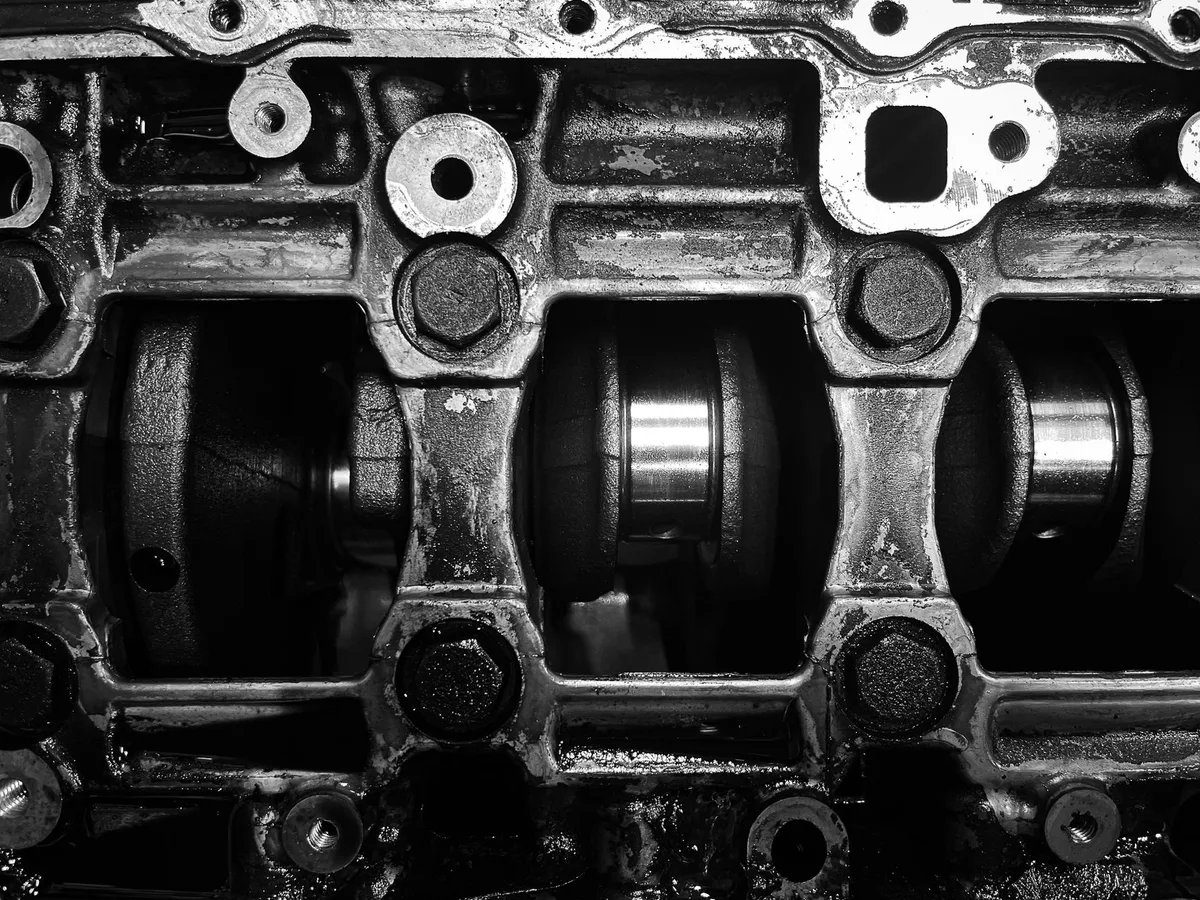
Understanding what is engine hydrolock helps you avoid costly repairs. As of 2026, automotive data shows that attempting to restart a locked engine causes bent connecting rods in over 90% of cases. The damage happens in milliseconds.
Knowing the signs and immediate steps can save your drivetrain from total destruction. Let’s break down exactly why this happens and how to handle it safely.
Quick Answer
Engine hydrolock occurs when water enters the cylinders. Liquids cannot be compressed by pistons. This stops the crankshaft from turning.
Trying to force rotation bends connecting rods. It often cracks the engine block. Immediate shutdown prevents further damage.
Professional recovery requires removing spark plugs. Never attempt to restart the vehicle.
Why Hydrolock Isn’t Just “Water in the Engine”
Many drivers think water in the intake is merely an inconvenience. It’s actually a physics problem waiting to explode. Air is compressible.
You can squeeze it into a smaller space. Water is not. It holds its volume rigidly under pressure.
When a piston rises during the compression stroke, it expects to push against soft air. Instead, it hits a column of unyielding water. The energy has nowhere to go.
That kinetic force transfers directly into the weakest metal components. Usually, those are the connecting rods or the crankshaft journals.
This event creates a shockwave through the entire bottom end. Manufacturer specifications indicate that even small amounts of fluid can generate thousands of pounds of instantaneous torque. This exceeds the yield strength of standard steel alloys.
The result is permanent deformation. It’s not a clog you can blow out later. It’s structural trauma.
The Physics of Incompressibility vs. Rotating Mass
Think of it like slamming a hammer into concrete versus foam. Foam squishes. Concrete doesn’t.
Your engine parts rely on controlled movement. Hydrolock removes that control. The rotating mass of the flywheel and transmission adds momentum.
That momentum tries to keep the crank spinning. But the locked cylinder refuses to budge. The conflict tears metal apart.
This is why speed matters. Driving fast through water forces more liquid into the intake. Slow crawling might allow drainage.
High-speed entry guarantees disaster.

Immediate Red Flags: How to Spot a Locked Cylinder Before You Turn the Key
You usually know something is wrong before you try to start the car. If you’ve been wading through floodwaters, pay attention to sensory cues. The most obvious sign is resistance.
When you turn the key, the starter motor struggles.
It sounds labored. It might click repeatedly without engaging the flywheel properly. Or it turns very slowly, as if fighting a heavy load.
This is distinct from a dead battery. A weak battery gives slow, consistent cranking. Hydrolock feels like hitting a brick wall.
Another red flag is visible water intrusion. Check your oil dipstick. If the oil looks milky or frothy, water has mixed with lubricants.
This emulsification indicates significant breach. Also, inspect the air filter housing. Wetness there confirms the path of entry.
Sensory Cues and Starter Motor Resistance
Listen closely to the sound profile. A healthy starter spins freely until combustion begins. A hydrolocked starter stalls immediately upon contact.
If you hear grinding, stop instantly. That noise means teeth are stripping.
Do not confuse this with signs of a bad starter. A failing solenoid clicks but doesn’t engage. Hydrolock engages but won’t move.
The distinction saves your diagnostic time. If the engine physically resists rotation, assume liquid presence.
Visual inspection is equally vital. Look for water droplets on spark plug wires. Check for puddles in the wheel wells near the exhaust.
These clues help confirm the severity. Early detection allows for gentler recovery methods. Ignoring these signs leads to aggressive, damaging attempts.
The One Rule That Saves Your Engine: Never Crank It
This is the single most important piece of advice we can give. Do not touch the ignition again. Not once.
Not twice. Every attempt to crank increases damage exponentially. The first bend might be slight.
The second snaps the rod completely.
A snapped rod can pierce the engine block. This turns a $3,000 repair into a $10,000 replacement. It also risks safety.
Shrapnel inside a running engine can cause fires. Keep your hands off the key.
Some drivers think tapping the starter helps. It doesn’t. Tapping works for stuck brushes in electric motors.
It does nothing for hydraulic lock. In fact, it vibrates loose debris into sensitive bearings. Avoid myths about how to tap a starter to start a car in this context.
Why Attempting to Start Causes Catastrophic Failure
The starter motor applies massive torque. It’s designed to overcome static friction, not hydraulic pressure. When the piston meets water, the force reflects back.
This shocks the crankshaft seals. It damages main bearings.
Bearings are precision-fit. Even microscopic scoring ruins their function. Once scored, they fail quickly under heat.
You’ll lose oil pressure within minutes of driving. This cascades into seized engines. Prevention is cheaper than cure.
Insurance adjusters often deny claims for "negligent operation." Restarting a known flooded engine falls squarely into this category. Document everything. Take photos of the water level.
Prove you didn’t restart it. This protects your financial interests.
Safe Recovery Protocol: From Diagnosis to Drying Out
Recovery starts with patience. You need to remove the water manually. This requires basic tools and care.
First, disconnect the negative battery terminal. Safety comes first when working near live electrical systems.
Next, remove all spark plugs or glow plugs. This opens the combustion chambers. Use a socket wrench appropriate for your plug size.
Be gentle. Stripped threads make removal impossible. Inspect each plug well for standing water.
Once plugs are out, rotate the engine by hand. Use a breaker bar on the crankshaft pulley bolt. Turn it clockwise slowly.
Watch for water squirting out of the plug holes. Continue until flow stops.
Removing Plugs, Manual Rotation, and Fluid Evacuation
After draining, clean the area. Blow out residual moisture with low-pressure air. High pressure can force water deeper into crevices.
Dry the plug wells thoroughly. Moisture here causes misfires later.
Replace the spark plugs with new ones if old ones were submerged. Corrosion affects conductivity. Prime the fuel system if necessary.
Reconnect the battery. Try starting briefly while holding the throttle wide open. This clears any remaining mist.
If the engine runs rough, check for vacuum leaks. Water displaces gaskets temporarily. Monitor oil pressure immediately.
If it drops, shut down. You may need professional assistance for internal inspections. DIY fixes have limits.
Know when to call experts.

Similar Posts





















