Why Ceramic Brake Pads Squeal in Cold Weather
Why Do Ceramic Brake Pads Squeal in Cold Weather? It's one of those questions that hits every winter, usually at 7 a.m. when you're backing out of the driveway and the whole street hears you coming. Short answer: cold squeal from ceramic pads is usually a normal friction-material trait, not a sign your brakes are failing.
Ceramic compounds simply need heat to grip quietly, and until they get it, they hum, squeak, or squeal.
Here's the context that matters. Ceramic pads are engineered to run at a coefficient of friction around 0.35 to 0.45 once they reach roughly 200°F to 400°F of operating temperature. Below about 40°F, that friction curve drops and the pad skips across the rotor instead of gripping it smoothly.
Per FMVSS 135, the US federal brake performance standard, your brakes must still stop the car safely in the cold. They will. But "safe" and "silent" are two different things, and that gap is what we're going to walk through.
Why Do Ceramic Brake Pads Squeal in Cold Weather
Ceramic pads squeal in cold weather because the friction compound hardens and needs heat to grip smoothly. Until they warm up, the pads vibrate against the rotor at high frequency, which you hear as squeal. Cold rotor rust and worn shims make it worse.
Most cold squeal fades after a few stops.
How Ceramic Pads Actually Behave When the Mercury Drops
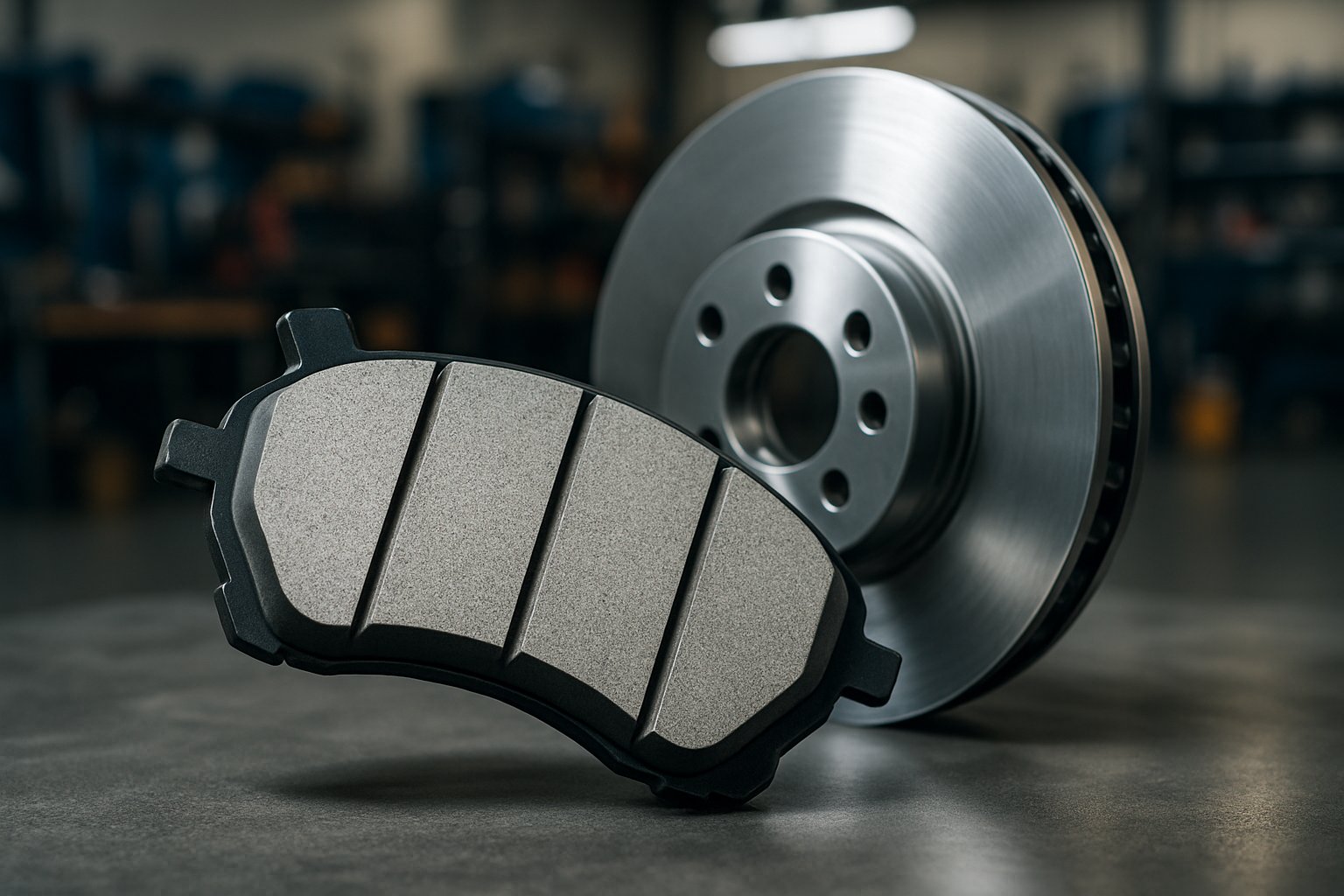
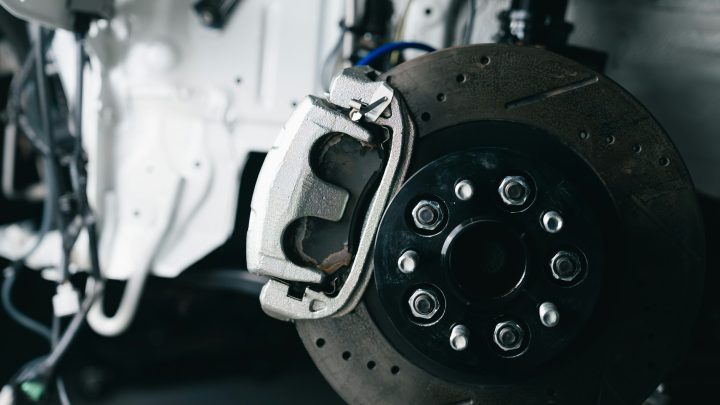
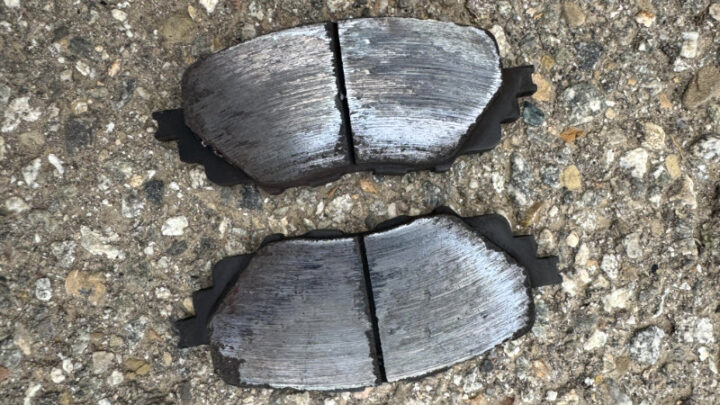
Image source: Web (Bing) / brakepadboss.com (Web image (fair-use with source credit))
Ceramic brake pads are a mix of ceramic fibers, binding resins, and friction modifiers pressed into a backing plate. That blend is designed to be quiet, low-dust, and rotor-friendly at normal operating temps. What it is not designed to be is instantly warm.
Heat is the trigger that softens the surface and lets the pad conform to the rotor. Without it, the pad behaves more like a hard, glassy puck.
Think about what happens in the first mile of a cold morning drive. The rotor is 20°F, the pad is 20°F, and both surfaces have a thin layer of overnight moisture or rust flash on them. The first few brake applications scrape that layer off.
Until it clears, the pad and rotor interface is uneven, and uneven contact equals vibration.
Friction Compound Chemistry in the Cold
Ceramic friction material includes binders that soften as temperature rises. At cold temps those binders stay stiff. The pad face can't micro-conform to the rotor surface, so contact pressure spreads unevenly across a smaller area.
That localized pressure is what generates the high-frequency oscillation your ear hears as squeal.
Why Ceramic Is Quieter Than Semi-Metallic at Temp, and Noisier at Start-Up
Semi-metallic pads contain steel and copper, which conduct heat fast and warm up quickly. That's why they often grab quietly on the first stop. Ceramic pads trade that warm-up speed for low dust, long life, and quieter steady-state operation.
It's a genuine engineering trade-off, and cold squeal is the tax you pay for the other benefits.
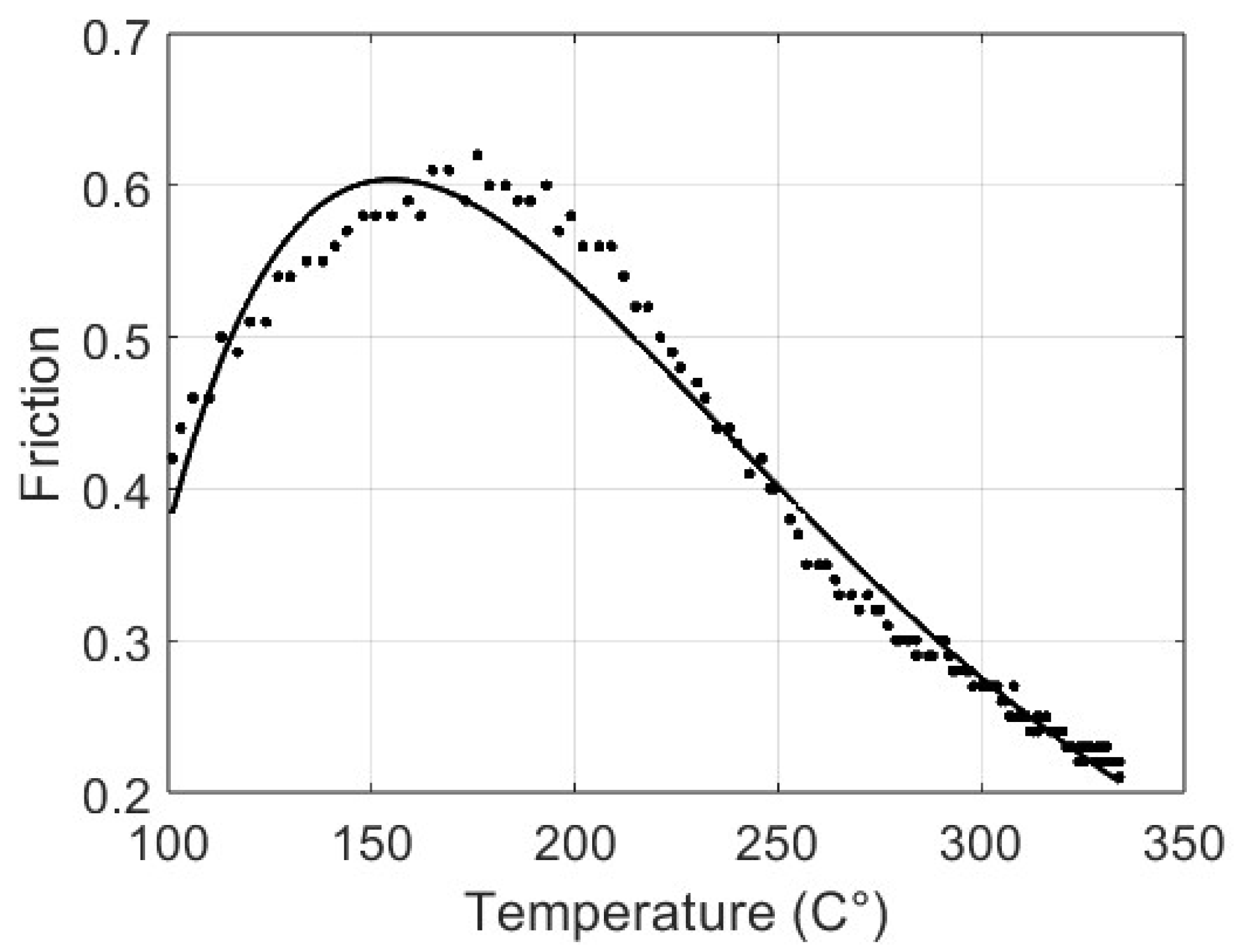
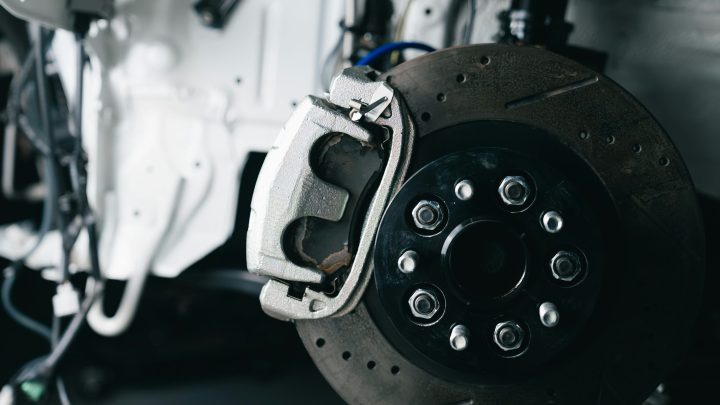
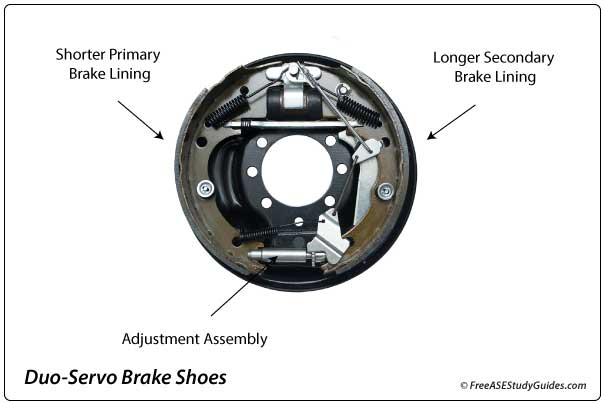
Image source: Web (Bing) / mdpi.com (Web image (fair-use with source credit))
The Transfer Layer: Why Your Rotor Needs a Warm-Up Too
Here's the part most people miss. A healthy brake system has a thin, even layer of pad material transferred onto the rotor face, called the transfer layer. That layer is what actually does most of the stopping and most of the quieting.
It takes heat to build and heat to refresh. In cold weather, that layer is thin, patchy, or coated with rust. Until it rebuilds during the first few stops, you get noise.
If you've ever wondered how engine tolerances and material chemistry affect the way a drivetrain behaves when cold, the same principle applies here. Sealing surfaces, friction surfaces, and fluid films all behave differently before they hit operating temperature. That general pattern shows up across automotive systems.
The 5 Real Causes of Cold-Weather Ceramic Squeal
Cold squeal isn't one problem. It's at least five, and the fix depends on which one you're dealing with. Diagnose the cause first, then act.
Guessing wastes money and rarely shuts the noise up.
Cause 1: Cold Friction Coefficient Drop (Normal Behavior)
If the squeal starts cold, fades within five or six stops, and never comes back during the drive, this is your answer. Ceramic pads just do this. Manufacturer technical literature from major pad makers confirms that cold friction is lower than hot friction by design.
Nothing is broken. You can reduce the noise with bedding, but you can't eliminate it entirely without switching compounds.
Cause 2: Rotor Rust Flash and Morning Condensation
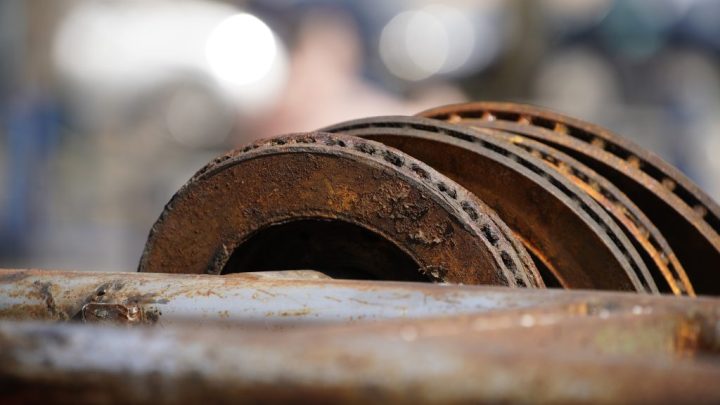
Overnight, bare cast-iron rotors flash over with surface rust. In humid or coastal climates this happens in hours. That rust layer is abrasive and uneven, and it makes cold pads chatter.
You'll see it as a fine orange-brown film on the rotor face after rain or a cold, damp night.
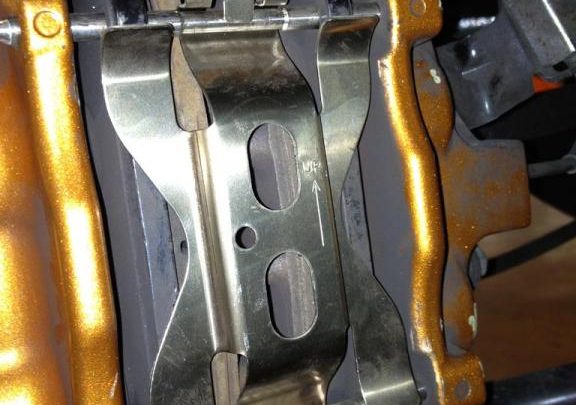
Cause 3: Worn, Missing, or Cheap Shims
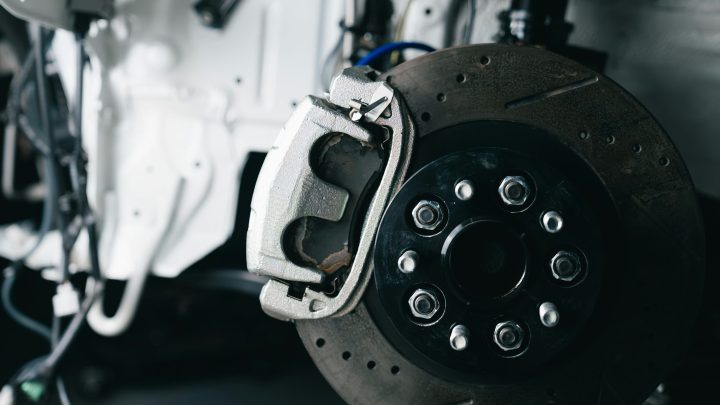
Brake pad shims sit between the pad backing plate and the caliper piston. They absorb vibration and stop it from reaching the air as sound. Rubber, layered, or stainless shims all work.
What doesn't work is a shim that's corroded away, missing, or a flimsy piece of foil from a bargain pad set.
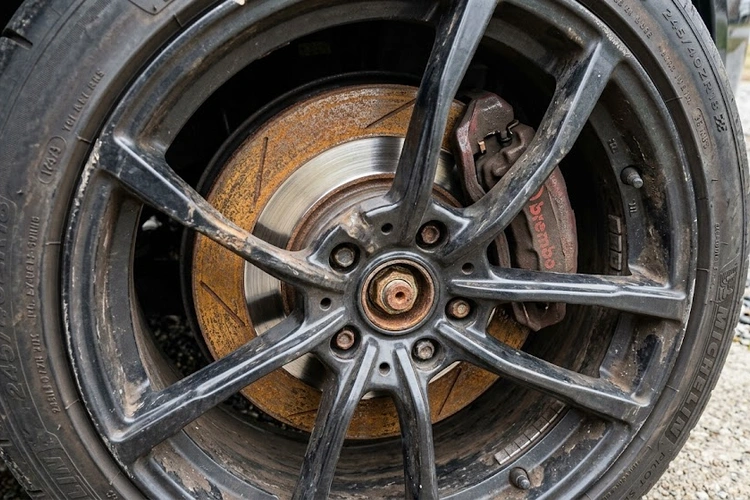
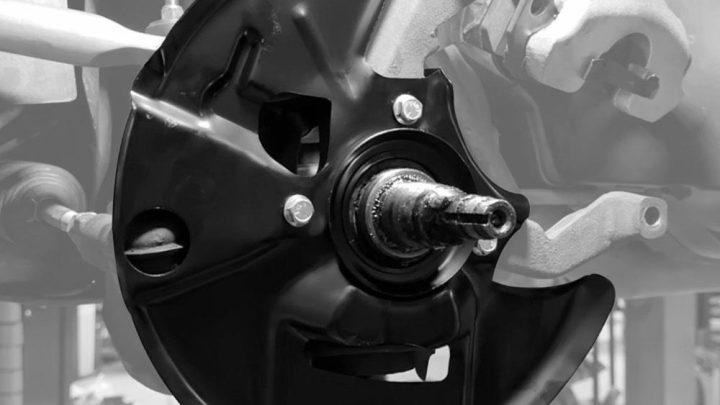
Image source: Web (Bing) / carcaretotal.com (Web image (fair-use with source credit))
Cause 4: Glazed Rotors From a Skipped Bed-In
Glazing happens when new pads are driven gently for weeks instead of being properly bedded in. The rotor surface gets a hard, shiny, uneven finish. A glazed rotor won't hold a proper transfer layer, so the pad skips instead of gripping.
This kind of squeal doesn't fully go away once the pads are warm. It just changes pitch.
Cause 5: Chamfer Wear and Square-Edge Contact
New pads have a beveled edge, called a chamfer, that eases contact with the rotor. As the pad wears, the chamfer disappears. A square-edged worn pad bites the rotor at a sharper angle and can set up a squeal that wasn't there when the pads were new.
If the noise started months after installation, chamfer wear is worth checking.
Diagnose It Yourself: A Cold-Squeal Decision Tree
You don't need a mechanic to sort out which of those five causes you're facing. You need five minutes and a quiet street. Work through these questions in order.
Stop at the first one that matches your situation.
Step 1: Does the Squeal Stop After a Few Stops?
If yes, you're looking at Cause 1 (normal cold behavior) or Cause 2 (rust flash). Those two overlap and both self-resolve. If no, and the squeal continues after 10 minutes of driving, move to Step 2.
Step 2: Does It Happen Only When Turning or Braking Gently?
If yes, suspect a shim problem or a sticking caliper. Light, low-pressure braking is when a loose or worn shim vibrates most. Pull a wheel off and inspect the shims.
Look for corrosion, missing clips, or a shim that's come loose from the backing plate.
Step 3: Does It Persist Regardless of Temperature?
If the squeal is constant, hot or cold, move past the cold-weather explanation entirely. You're likely dealing with glazed rotors, a worn chamfer, or metal-on-metal contact from a pad at end of life. Check pad thickness against the stamped minimum on the rotor hat.
Step 4: What the Answer Tells You to Do Next
Here's the short version in a table.
| Your Symptom | Most Likely Cause | Recommended Action |
|---|---|---|
| Squeals cold, quiets in 5 stops | Cold friction drop | Live with it or re-bed the pads |
| Squeals cold, after rain or damp nights | Rotor rust flash | Normal. Clears in a few stops |
| Squeals only on light braking | Worn or missing shims | Replace shims, grease contact points |
| Squeals hot and cold | Glazed rotor or worn chamfer | Resurface rotor or replace pads |
| Grinding, not squealing | Pad worn to metal | Stop driving. Replace pads and rotors |
If you're already chasing electrical gremlins while you're under the car, it helps to have the right diagnostic tool. Our roundup of the best meter for chasing faults covers the models worth keeping in the toolbox.
What Actually Fixes Cold Ceramic Squeal (and What Doesn't)
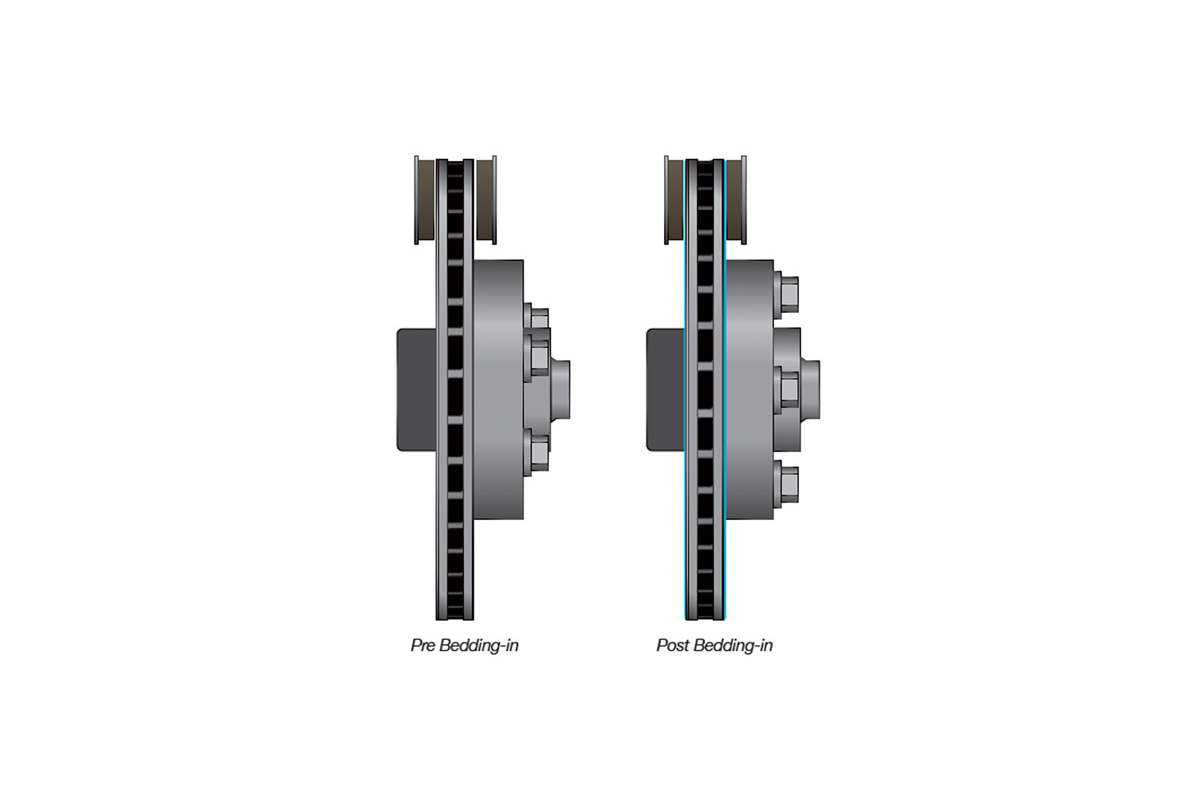
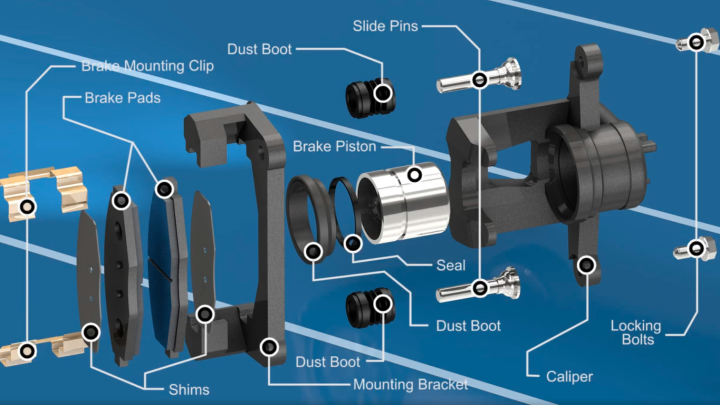
Image source: Web (Bing) / askmyauto.com (Web image (fair-use with source credit))
Some fixes work. Some are internet folklore. Let's separate the two.
DIY Fixes: Bed-In, Grease Points, and Shim Replacement
Bedding in your pads is the single highest-value fix. It rebuilds the transfer layer and re-seats the pad to the rotor. If your pads were installed without a proper bed-in, this alone can cut cold squeal dramatically.
Here's the standard procedure per most pad manufacturer guides:
- Drive to a safe, empty road with no traffic.
- Accelerate to 40 mph.
- Brake firmly, not hard, down to 10 mph. Don't come to a full stop.
- Repeat this 8 to 10 times in a row without letting the brakes cool.
- Drive normally for 10 minutes to let the brakes cool down.
- Avoid heavy braking for the next 100 miles.
Second fix: shim and contact-point service. Remove the pads, apply a high-temp silicone brake grease to the backing plate edges, caliper slide pins, and pad ears. Never grease the friction face.
Never use copper anti-seize on the pad ears of a modern ABS-equipped car. That's outdated advice that can interfere with sensors.
When to Resurface or Replace the Rotors
If the rotor face is scored, glazed, or below minimum thickness, resurfacing or replacing is the only real fix. Minimum thickness is stamped on the rotor hat, usually around 22mm to 26mm depending on the vehicle. Below that, replace.
Resurfacing below minimum is unsafe and illegal in most jurisdictions.
When to Swap the Pads (and Which Compound to Pick)
If you've bedded, serviced, and resurfaced and you still get cold squeal every morning, the honest answer is that ceramic isn't the right compound for your climate. Semi-metallic pads warm faster and squeal less in the cold. They cost you more dust and slightly faster rotor wear.
For drivers in Minnesota, Alberta, or northern Scandinavia, that's often the better trade.
If you want to understand how different engine configurations behave differently under load, the same principle applies to friction compounds. The differences between two common valvetrain layouts are a good example of how small design choices drive big behavioral differences in the real world.
What Doesn't Work: Anti-Squeal Sprays and Warranty Gambits
Anti-squeal spray is a temporary bandage at best. It can gum up shims and attract grit. Skip it.
Warranty claims for "normal cold-weather squeal" get denied constantly. Dealerships will tell you it's a characteristic of the compound, and they're often right. Save the trip.
Ceramic vs. Semi-Metallic in Cold Climates: Which Pad Wins?
Semi-metallic pads tend to win on cold-morning quiet, while ceramic pads win on dust, rotor life, and steady-state noise once warm. That's the honest trade-off in one sentence. Which one is right for you depends on how you drive and what you're willing to live with.
Cold-climate drivers who park outside overnight and do short trips are the group that benefits most from semi-metallic. Long-haul commuters and EV owners get more value from ceramic, because their brakes spend most of the drive at temperature. If your daily trip is under 10 minutes and never gets the pads hot, ceramic will squeal at you every single morning from November to March.
NVH, Dust, and Rotor Wear Side by Side
Here's how the two compounds line up on the metrics that actually matter in winter.
| Factor | Ceramic | Semi-Metallic |
|---|---|---|
| Cold-weather noise | Higher (common squeal) | Lower (warms fast) |
| Warm-weather noise | Lower | Moderate |
| Brake dust | Low, light-colored | High, dark, sticky |
| Rotor wear rate | Gentle | More aggressive |
| Friction when hot | Consistent | Stronger bite |
| Best suited to | EVs, luxury, normal driving | Cold climates, towing, sport |
The dust point matters more than people expect. Dark semi-metallic dust sticks to wheels and binds to paint over time. Ceramic dust is lighter and rinses off with less work.
For anyone who cares about clean wheels, that's a real advantage.
Who Should Stick With Ceramic, and Who Shouldn't
Stay with ceramic if you drive an EV or hybrid, do mostly highway miles, or value low dust and long rotor life. Regenerative braking means your friction brakes rarely get hot, so ceramic's low wear rate is a genuine win.
Switch to semi-metallic if you live somewhere that regularly drops below freezing, park outdoors, and take short trips. The faster warm-up and better cold bite will hear-silence your mornings. You'll trade quieter brakes for dirtier wheels.
That's the deal.
If you're weighing different configurations for the whole vehicle, some of the same logic applies to how an engine's design limits its behavior. A closer look at how a straight six layout compares to V-shaped alternatives shows how geometry drives real-world feel. Friction compounds work the same way.
Mistakes That Turn a Minor Squeal Into a $600 Brake Job
Most cold-squeal complaints that escalate into expensive repairs trace back to a handful of preventable mistakes. Here are the ones we see most in owner forums and service records.
Skipping Bed-In on Brand-New Pads
Skipping bed-in is the single most common install error. Owners fit new ceramic pads, drive gently for weeks, and never get the transfer layer to form properly. The rotors glaze, the pads never seat, and the squeal becomes permanent.
A proper bed-in takes 20 minutes. It saves you a rotor replacement.
Greasing the Wrong Surfaces
Put grease on the pad ears, backing plate edges, and caliper slide pins. Never touch the friction face or the rotor. Copper anti-seize on pad ears is outdated advice.
It can interfere with ABS sensors on modern cars. High-temp silicone brake grease is the correct product.
Ignoring the Copper-Free Regulation Shift
As of 2026, several US states, including California and Washington, restrict copper content in brake pads to reduce runoff into waterways. Most major brands now sell compliant formulations. When you buy, check the box.
Non-compliant pads can't legally be sold in those states, and older stock may still be floating around.
Misreading Pad Thickness
Pads should be replaced around 3mm (about 1/8 inch) of friction material. Many owners eyeball the pad and guess. Use a brake pad thickness gauge or a ruler.
If you can't see at least 3mm of friction material above the backing plate, it's time. Below that, you risk metal-to-metal contact and rotor damage.
Safety, Specs, and the Legal Side of Brake Pad Replacement
Brakes are a safety-critical system. There's no room for shortcuts. Here's what the standards and regulations actually require.
FMVSS 135 and ECE R90 in Plain English
FMVSS 135 is the US federal standard for brake system performance. It sets minimum stopping distances and fade resistance requirements. Every brake pad sold for street use in the US must perform within it.
ECE R90 is the European equivalent for aftermarket pads. It requires replacement pads to match OE performance within a tight tolerance, usually plus or minus 15 percent.
If you buy cheap unbranded pads with no R90 or FMVSS compliance mark, you're gambling on stopping distance. Don't. The couple of dollars you save isn't worth the risk on a wet highway.
Copper-Free Pad Laws: What's Changing in the US
California's SB 346 and Washington's HB 6334 phased in copper limits for brake pads. By 2025, most pads sold in those states had to meet a 5 percent copper threshold. As of 2026, that's largely the norm.
Federal legislation has been proposed but not fully enacted. If you're buying for a car registered in one of those states, verify the pad box has a Copper-Free or low-copper marking.
Torque Specs, Brake Fluid, and Wear Sensors
Follow the manufacturer's torque specs for caliper bolts and lug nuts. Under-torquing causes vibration. Over-torquing stretches bolts.
Neither is safe.
Check brake fluid when you replace pads. Fluid absorbs moisture over time, which lowers its boiling point and can cause fade under heavy braking. Flush it every two to three years.
If your car has wear sensors, replace them with the pads. A worn sensor will trigger a dashboard warning even after new pads go on.
Cold-Climate Brake Maintenance That Prevents Winter Squeal
A little seasonal prep goes a long way. These habits keep ceramic pads quiet through the worst of winter.
Seasonal Prep Before the First Freeze
Do a brake inspection in late autumn before the salt trucks come out. Check pad thickness, rotor condition, and shim integrity. Bed the pads in one last time on a dry day.
Clean the calipers and re-grease the slide pins. This five-step routine prevents most cold-season complaints.
- Inspect pad thickness (target: 5mm or more for winter)
- Check rotor surface for scoring or heavy glazing
- Confirm shims are intact and properly seated
- Re-grease caliper slide pins with high-temp silicone
- Do one final bed-in cycle on a dry, quiet road
Overnight Habits That Save Your Rotors
Park in a garage if you can. That alone reduces rust flash, which kills morning squeal. If you don't have a garage, park facing away from prevailing wind and moisture.
Avoid parking directly over damp grass or snowmelt.
Long-Term Pad and Rotor Care in Salt and Humidity
Road salt is brutal on rotors. Rinse the wheel wells and rotors after every salt exposure if you can. A garden hose works fine.
Don't power-wash directly at the rotor face, just around it. Clean rotors last longer and hold their transfer layer better.
If your winter prep includes checking the whole drivetrain, engine identification comes up more often than you'd think. Knowing how to read the casting marks on your block can save you a parts counter headache when you're ordering the right bits.
Cold Ceramic Brake Squeal: Questions We Hear Most
Is it safe to drive with squealing ceramic pads in winter?
Yes, cold squeal alone is not a safety issue. Per FMVSS 135, your brakes still meet federal stopping distance requirements even with cold ceramic pads. The noise is a comfort complaint, not a failure warning.
Grinding, pulling, or a soft pedal is a different story. Get those checked immediately.
How long should the squeal last after a cold start?
Typically 3 to 6 brake applications, or roughly the first half-mile of driving. Once the pad and rotor reach around 100°F to 150°F, the noise usually fades. If it persists past 10 minutes of driving, the cause isn't temperature alone.
Check shims, pad thickness, and rotor condition.
Do OEM ceramic pads squeal less than aftermarket?
Often yes, but not because OEM pads are magically better. OE pads are matched to your specific rotor and caliper, and shims are tuned for that exact system. Aftermarket pads sometimes ship with generic shims.
Manufacturer specs confirm OE fitment reduces NVH complaints in aggregate warranty data.
Will dealerships fix cold squeal under warranty?
Rarely. Most manufacturers classify cold-weather squeal as a normal characteristic of ceramic friction material. Warranty claims get denied unless there's a measurable defect.
If you push back, ask for the specific NVH criteria the dealer uses. That usually ends the conversation fast.
Can I mix ceramic pads with old rotors?
You can, but you shouldn't unless the rotors are within spec and properly resurfaced. Old rotors carry the transfer layer from the previous pad compound. A new ceramic pad needs its own layer to sit quiet.
Mismatched transfer layers are a common source of persistent squeal after a pad-only swap.
Do I need to replace rotors every time I do pads?
No. Rotors are reusable if they're above minimum thickness and the surface is clean and true. Measure with a micrometer at several points.
If the surface is glazed, scored, or below the stamped minimum, replace. Otherwise, a light resurface works fine.
Final Verdict: When to Live With It, When to Fix It, When to Swap Compounds
Live with cold squeal if it fades within a few stops, only happens on cold mornings, and your pads are above 3mm. That's normal ceramic behavior, and it's not worth chasing. Re-bed the pads once a season and move on.
Fix it if the squeal continues after warm-up, shows up on light braking, or arrived right after a pad install. Those point to shims, glazing, or a skipped bed-in. All three are cheap to correct.
Swap compounds if you've bedded, serviced, and verified everything, and the noise still ruins your mornings. Semi-metallic pads warm faster and quiet down quicker in deep cold. You'll trade clean wheels for quiet starts, and in places like Minnesota, Alberta, or northern Scandinavia, that's usually the right call.
Similar Posts