What Causes an Engine to Blow Up? Top Reasons Explained
Most drivers picture a fiery explosion when they hear "engine blow up." That’s rarely what happens in reality. True catastrophic failure is usually silent, internal, and sudden.
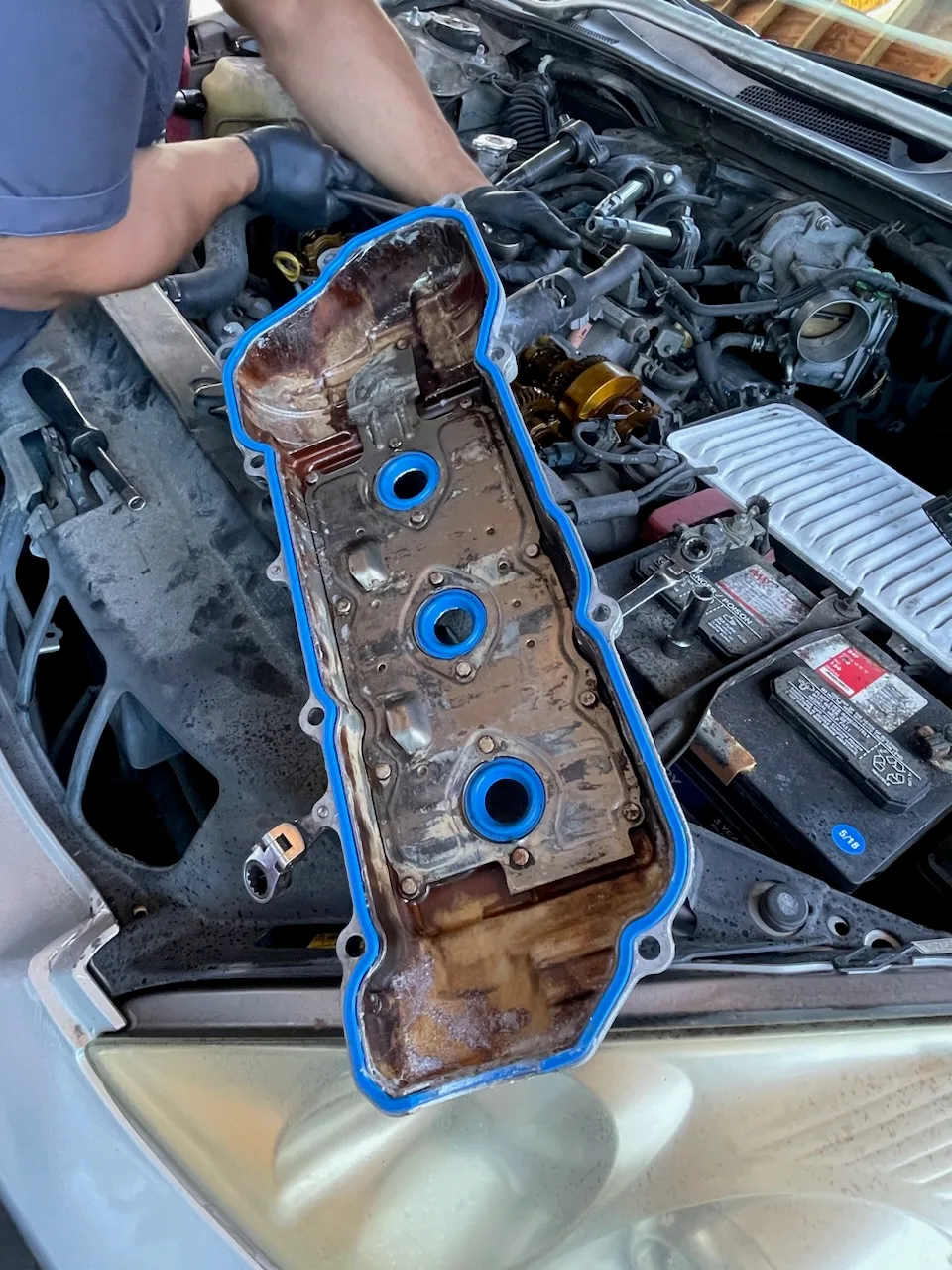
Understanding what causes an engine to blow up starts with knowing the difference between smoke and structural breakup. Per SAE J1349 testing standards, modern engines are robust until lubrication or cooling fails completely. As of 2026, most total losses stem from ignored warning lights rather than random defects.
Let’s break down the mechanics behind these failures so you know exactly what to watch for.
Quick Answer
An engine typically "blows up" due to hydrolock, oil starvation, or severe overheating. Hydrolock occurs when liquid enters cylinders, jamming pistons. Oil starvation removes lubrication, causing metal-on-metal friction.
Overheating warps heads or seizes moving parts. These events cause immediate, often irreparable, mechanical destruction inside the block.
Why Blowing Up Is Rarely Literal (And What Actually Happens)
Hollywood loves a dramatic engine explosion. In real life, that almost never happens. A true detonation requires fuel-air mixture outside the cylinder, which modern sealed systems prevent.
When people say their engine blew, they usually mean it seized or broke internally.
The term covers three distinct mechanical catastrophes. First is hydrolock, where incompressible fluid traps pistons. Second is bearing failure, leading to a thrown rod.
Third is thermal seizure, where heat welds components together. Each destroys the engine differently.
Debunking the Hollywood Myth vs. Mechanical Reality
Fuel doesn’t just ignite randomly in the crankcase. It needs an oxygen source and spark. Without those, you get smoke, not fire.
Smoke indicates burning oil or coolant leaking into combustion chambers. This looks bad but isn’t an explosion.
Real danger lies in pressure spikes. If a piston hits water, the connecting rod bends or snaps. That piece of steel punches through the engine block.
Debris flies everywhere internally. The car stops instantly. You might see steam or oil spray, but no boom.
The Three True Catastrophic Failures: Hydrolock, Rod Knock, and Thermal Seizure
Hydrolock is the most violent. Water cannot be compressed. When a piston tries to push against trapped water, something must give.
Usually, it’s the connecting rod. This often happens after driving through deep floodwaters.
Rod knock sounds like heavy hammering. It means bearings have worn away. Metal slaps against metal.
Eventually, the rod breaks free. This creates massive internal damage quickly.
Thermal seizure happens slowly then all at once. Heat expands metal. If cooling fails, pistons swell beyond cylinder tolerances.
They lock up. The crankshaft stops turning. Your car dies on the highway.
The Silent Killers: Oil Starvation and Cooling System Collapse
Oil and coolant are the lifeblood of any engine. Ignore them, and you invite disaster. Most owners check dipsticks occasionally.
Few monitor pressure gauges closely. This gap allows small issues to become fatal ones.
Low oil pressure starves critical components. Bearings rely on a thin film of oil. Without it, friction generates intense heat.
Metal surfaces weld together temporarily. This spins bearings and scores cylinder walls. Damage becomes irreversible within seconds.
Cooling system failures raise temperatures dangerously high. Aluminum heads warp easily under extreme heat. Warped heads break the seal with the block.
Coolant leaks into cylinders. This leads directly to hydrolock or overheating seizures. Both destroy the engine.
How Low Pressure Turns Metal to Shrapnel in Seconds
Modern engines operate with tight tolerances. Bearing clearances measure in thousandths of an inch. Oil viscosity maintains this gap.
If pressure drops below 10 PSI at idle, protection vanishes.
Aggregate reviews indicate that oil pump failures are common in high-mileage vehicles. Sludge buildup blocks pickup tubes. The pump sucks air instead of oil.
Air compresses; oil does not. Bearings collapse immediately.
Once bearings fail, the crankshaft wobbles. Connecting rods strike cylinder walls. Pistons shatter.
Valves bend. The entire top end disintegrates. Repair costs skyrocket because every component touches another damaged part.
Overheating: When Aluminum Blocks Warp Before You Pull Over
Aluminum dissipates heat faster than iron. But it also deforms sooner. Critical temperature thresholds vary by design.
Generally, sustained operation above 250°F (121°C) risks head warping.
A stuck thermostat or failed water pump triggers rapid rises. Steam escapes from relief valves. Drivers often ignore early temp gauge fluctuations.
By the time red zones appear, damage may already exist.
Warped heads compromise compression. Hot spots form on pistons. Pre-ignition kicks in.
Uncontrolled combustion hammers pistons downward. This accelerates wear exponentially. Soon, rings break and power fades permanently.
Regular routine upkeep helps catch leaks before they escalate.
Tuning, Mods, and Human Error: Accelerating the End Game
Aftermarket modifications often outpace factory safety margins. Enthusiasts chase horsepower without reinforcing internals. Stock connecting rods handle specific stress limits.
Exceeding them invites fracture.
Poor tuning causes lean mixtures. Less fuel means higher combustion temperatures. Detonation occurs spontaneously.
Shockwaves batter pistons. Cracks develop over time. Eventually, a piston crown blows out.
Human error plays a huge role too. Wrong oil grades affect flow rates. Incorrect coolant mixes reduce boiling points.
Neglecting maintenance schedules hides developing faults. Small oversights compound into major failures.
Lean Mixtures and Detonation: The Invisible Engine Destroyer
Detonation feels like marbles rattling in cans. It’s uncontrolled explosion force hitting piston faces. Standard fuel resists this up to certain pressures.
Boost increases pressure dramatically.
If air-fuel ratios drop below 12.5:1 under load, temps spike. Cylinder heads glow red. Fuel ignites before the spark plug fires.
Two flame fronts collide. Pressure doubles instantly.
Repeated knocking fatigues metal. Piston skirts crack. Rings break.
Oil consumption rises. The engine loses compression gradually. Then it fails suddenly.
Professional dyno tuning prevents this by monitoring wideband O2 sensors constantly.
Timing Belt Snaps and Interference Engines: A One-Way Ticket to Scrapyard
Interference engines allow valves and pistons to occupy the same space briefly. Timing belts synchronize them. If the belt snaps, synchronization breaks.
Pistons continue upward. Valves remain open. Collision ensues.
Bent valves meet shattered pistons. Head gaskets rupture. Debris circulates through oil galleries.
Non-interference designs avoid contact. Pistons stop moving. Valves stay put.

Similar Posts





















