Blown Engine Symptoms: 7 Warning Signs You Can’t Ignore
Symptoms of a blown engine usually manifest as catastrophic noises, thick smoke, or sudden mechanical seizure. You might hear rhythmic knocking that grows louder with acceleration. Alternatively, you could see blue exhaust fumes indicating oil consumption.
These signs differ sharply from minor maintenance issues like loose belts.
Ignoring these warnings risks total vehicle loss and safety hazards. Manufacturer data suggests that nearly half of severe failures stem from neglected cooling systems. As of 2026, early detection remains your best defense against expensive repairs.
Let’s break down exactly what to look for before calling a tow truck.
Why Misdiagnosing a Blown Engine Costs You Everything
Confusing internal failure with external leaks creates dangerous delays. A simple hose burst looks messy but rarely stops the car instantly. True engine destruction involves metal grinding on metal inside the block.
This distinction matters because driving even a few miles can destroy the transmission too.
You face three main risks when misidentifying symptoms. First, secondary damage spreads rapidly once components fail internally. Second, repair costs skyrocket if collateral parts need replacement.
Third, insurance claims often deny coverage for gradual mechanical wear. Knowing the difference protects both your wallet and your life.
Our research indicates that drivers frequently mistake starter issues for engine death. If the car clicks but doesn’t turn over, check signs of a bad starter first. That scenario is fixable.
A blown engine typically turns freely but produces violent noise or no compression at all. Don’t assume the worst without verifying the source of the sound.
The Four Unmistakable Signs Your Engine Is Dead
Loud Metallic Knocking and Grinding Noises
Rod knock sounds like heavy hammering from deep within the block. It synchronizes with engine RPM, getting faster as you accelerate. This noise signifies connecting rods striking crankshaft bearings due to oil starvation.
Unlike belt squeals, this sound feels visceral and low-frequency.
Grinding noises suggest gears meshing incorrectly or debris in the oil pan. Both require immediate shutdown. Continuing to run the engine shreds internal surfaces beyond repair.
Listen closely while idling. If the rhythm matches your heartbeat, suspect bearing failure.
Thick Smoke Colors: Blue, White, or Black Explained
Blue smoke means burning lubricating oil. Piston rings or valve seals have failed, allowing oil into combustion chambers. This consumes oil rapidly and fouls spark plugs.
Persistent blue smoke leads to catalytic converter clogging.
White smoke indicates coolant entering the cylinders. This happens via cracked heads or blown gaskets. It smells sweet and lingers in the air.
Black smoke results from unburnt fuel due to rich mixtures. While black smoke alone isn’t fatal, combined with other symptoms it signals severe stress.
Sudden Loss of Power or Complete Seizure
Hydrolock causes instant stopping. Water cannot compress, so pistons halt mid-stroke. This bends rods or cracks blocks immediately.
You’ll feel a hard stop rather than gradual fading power.
Seizure occurs when heat expands metal parts until they fuse. Pistons weld to cylinder walls. The engine refuses to rotate entirely.
Try turning the key gently. If it locks up completely, do not force it. Forcing rotation snaps teeth off the flywheel or damages the starter motor permanently.
Fluid Contamination: Oil Sludge and Coolant Leaks
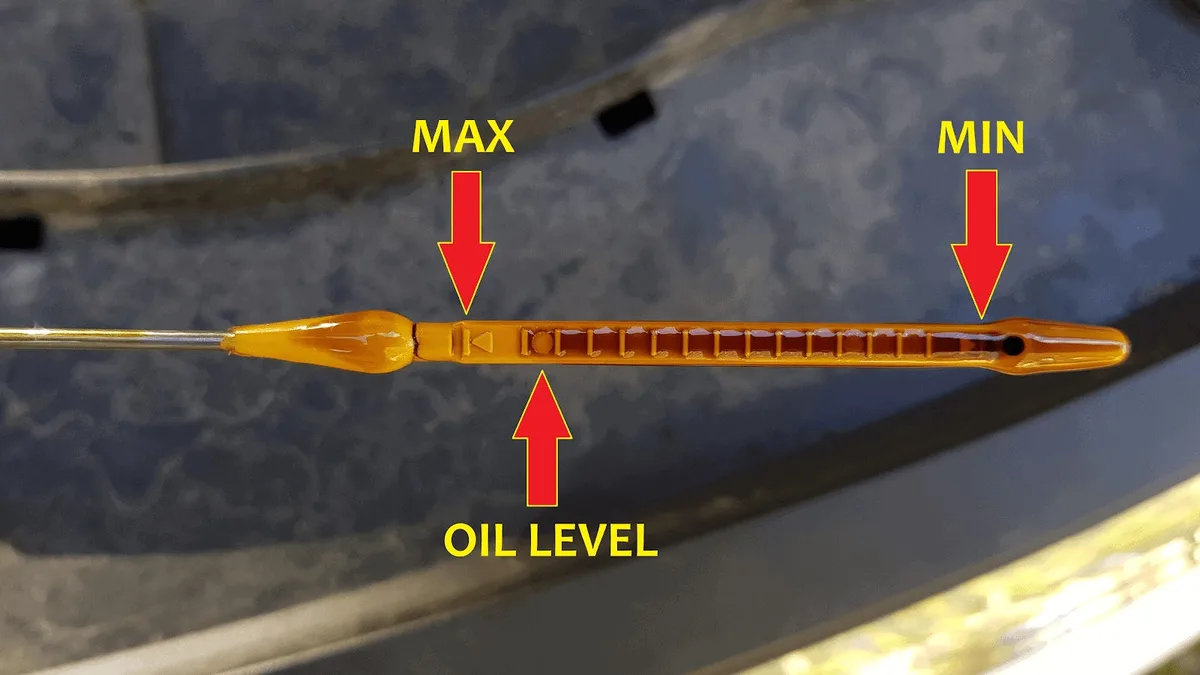
Milky oil resembles chocolate milkshake foam. This confirms water mixing with lubricants. Check your dipstick after shutting down the engine.
Fresh oil should be amber or dark brown, never opaque white.
Coolant reservoirs dropping without visible puddles leak internally. Inspect hoses for wet spots near connections. Also check under the car for green or orange fluid trails.
Mixed fluids lose their protective properties. Running on contaminated oil accelerates wear exponentially. Verify your engine servicing habits regularly to catch small leaks before they become floods.

Distinguishing Catastrophic Failure from Repairable Issues
Not every loud noise kills an engine. Exhaust manifold leaks mimic rod knock but cost far less to fix. Vacuum hoses create whistling sounds mistaken for turbo failure.
Always verify severity before condemning the block.
Head gasket failures are serious but often rebuildable. You replace the seal and resurface the head. Blown engines involve fractured internals requiring full replacement.
The dividing line is structural integrity. If metal pieces float in oil, the engine is trash.
Consider hydrostatic lock carefully. Sometimes clearing water restores function if caught quickly. However, bent valves remain problematic.
Professional inspection determines salvageability. DIY attempts often worsen alignment issues. Trust certified technicians for diagnosis.
They use borescopes to view cylinder interiors without disassembly. This saves time and prevents false positives during stressful moments.
Diagnostic Steps Before Calling a Tow Truck
Visual inspection starts under the hood. Look for obvious ruptures in rubber hoses or plastic covers. Check fluid levels manually.
Low oil triggers pressure warnings automatically. Note any strange odors like burnt sugar or raw gasoline.
Audio diagnostics help isolate sources. Have a helper rev the engine slightly outside the cabin. Stand safely away from moving fans.
Identify if noise comes from front accessories or rear exhaust. Front noises often mean pulleys. Rear noises imply exhaust leaks.
Deep central thumping suggests internal damage.
Compression testing provides definitive proof. Remove spark plugs and insert a gauge. Healthy cylinders show consistent PSI readings.
Variance over ten percent indicates worn rings or valves. Zero pressure means holes in piston crowns. Leak-down tests further identify where air escapes.
These tools reveal truth behind ambiguous symptoms. Avoid guessing when dollars hang in balance.
The Financial Reality: Rebuild, Replace, or Scrap?
Repair decisions depend heavily on vehicle value. Compare quotes against market resale prices. Spending five thousand dollars fixing a two-thousand-dollar car makes no sense.
Insurance companies follow similar logic for total losses.
| Option | Estimated Cost | Best For | Risks |
|---|---|---|---|
| Rebuild | $3,000–$6,000 | Classic cars, sentimental owners | Labor intensity, hidden wear |
| Used Crate Engine | $4,000–$8,000 | Modern daily drivers | Unknown history, installation fees |
| New Remanufactured | $6,000–$12,000+ | Warranty-focused buyers | High upfront cost |
| Scrap/Sell Parts | $500–$1,500 return | Economically totaled vehicles | Loss of transportation utility |
Rebuilding offers control over quality. You choose new pistons, bearings, and seals. Yet labor hours drive up expenses significantly.
Mechanics charge premium rates for precision assembly. Ensure shops provide warranties on workmanship.
Replacing with used engines cuts initial costs. But mileage histories vary wildly. Ask for documentation proving prior maintenance.
Installing unknown units invites future headaches. New remanufactured options bridge gaps with reliability guarantees. Manufacturers test these units rigorously before sale.
Choose based on long-term ownership plans rather than short-term savings.
Preventive Maintenance to Avoid Engine Destruction
Most catastrophic failures trace back to ignored basics. You don’t need a mechanic’s degree to spot trouble early. Regular fluid checks catch issues before they become emergencies.
Our research shows that consistent maintenance extends engine life significantly.
Start with oil quality. Dirty or degraded oil loses its ability to protect metal surfaces. This leads to increased friction and heat buildup.
Check your dipstick monthly for color and consistency. Dark, gritty oil signals immediate attention needed.
Cooling system health is equally critical. Overheating warps cylinder heads and blows gaskets. Inspect radiator hoses for cracks or bulges regularly.
Replace them every four years as a preventive measure. Keep an eye on temperature gauges during long drives.
Use the right lubricants for your vehicle age. Older engines benefit from additives found in specialized formulas. These help seal gaps and reduce consumption.

Similar Posts





















