Is Thicker Oil Really Better for High-Mileage Engines?
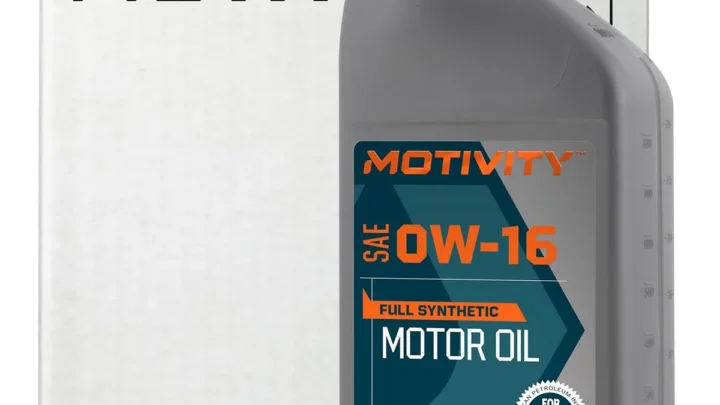
Is thicker oil better for high mileage engines? Short answer: sometimes yes, often no, and the honest call depends far more on your engine's actual condition than on the number on the odometer. The old garage rule about jumping from 5W-30 to 10W-40 at 100,000 miles has cost more engines than it's saved.
The SAE J300 viscosity standard behind every grade on the shelf was built around specific bearing clearances that vary from engine to engine. As of 2026, most late-model engines are still spec'd for 0W-20 or 5W-20 by manufacturers like Toyota, Honda, and Ford. Go thicker without a real reason and you can starve the top end at cold start.
Here's what actually happens inside a worn motor, and when a grade change makes sense.
Quick Answer
No, thicker oil is not automatically better for high-mileage engines. It helps only in specific cases like measurable oil burn, low hot-idle pressure, or minor seal leaks. Modern tight-tolerance engines with variable valve timing can suffer damage from going too thick.
Always start with the viscosity in your owner's manual. Move up a grade only when your engine shows real symptoms.
Why "Just Use Thicker Oil" Is the Most Repeated Myth in High-Mileage Engine Care
The "go thicker" rule is old-school gospel, and for good reason back then. Engines built before the 1990s ran bearing clearances of 0.003 inches and up, plus looser piston-to-wall tolerances. As those parts wore, a heavier oil film genuinely helped maintain pressure and quiet things down.
That's where 20W-50 built its reputation.
Modern engines don't play by those rules. Bearing clearances now sit closer to 0.0015 to 0.002 inches. Oil galleries feed VVT solenoids, hydraulic lifters, and turbo cores that need fast flow at startup.
Push thicker oil through those tight passages and lubrication arrives late. That's how a well-meaning viscosity bump ends up costing a timing chain, a cam lobe, or a turbo bearing.
What Actually Happens Inside a High-Mileage Engine as It Wears
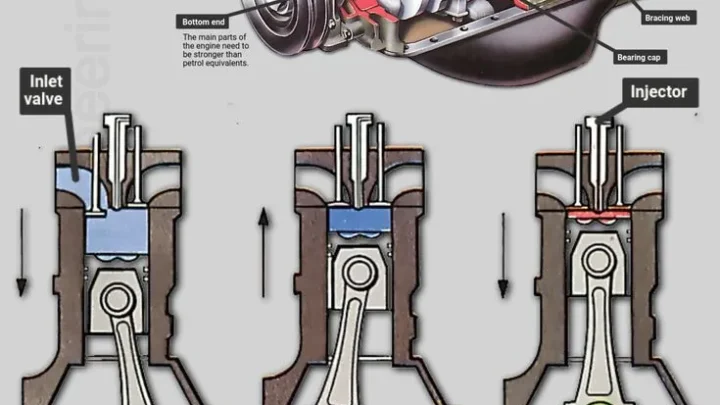
Engines wear in predictable places. Rings lose tension and let combustion pressure sneak past into the crankcase, which is what techs call "blow-by." Valve stem seals harden and crack, so oil weeps down the guides and burns on the exhaust stroke. Bearing surfaces polish and open up a hair, dropping oil pressure at hot idle.
Sludge quietly builds if any oil changes were skipped. None of this happens on a fixed mileage schedule. A garaged Camry with 5,000-mile synthetic changes at 180,000 miles can measure tighter than a neglected pickup at 90,000.
That's why smart used-car shoppers rely on a proper pre-purchase mechanical checklist instead of trusting the odometer. Your wear pattern drives the oil decision, not your mileage number.
The Real Job of Oil Viscosity (And Why the Numbers on the Bottle Matter)
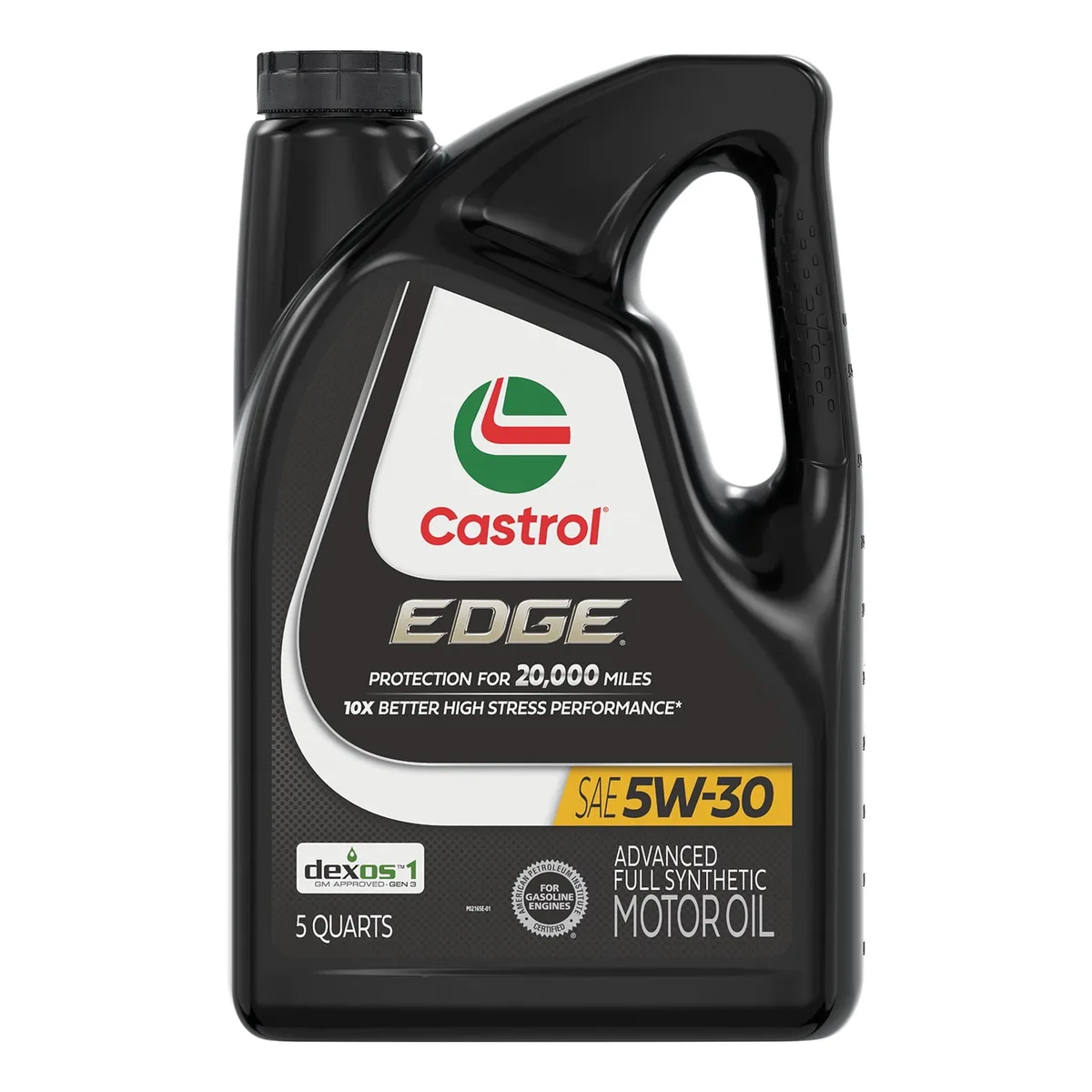
Every motor oil label carries two numbers separated by a W, like 5W-30. Those aren't random. They tell you how the oil flows cold and how it holds up hot.
Getting them right is the whole game.
What the "W" Number Really Controls
The W stands for winter. The number in front of it (0, 5, 10, 20) measures how easily the oil pumps at cold temperatures. A 0W flows almost like water at minus 35 degrees Celsius.
A 20W turns to molasses at the same temperature. Lower W numbers protect the top end during those first critical seconds after a cold start.
What the Second Number Does at Operating Temp
The number after the W (20, 30, 40, and up) describes viscosity once the oil reaches 100 degrees Celsius. That's where your engine actually lives most of the time. A 5W-30 and a 10W-30 protect identically at temp.
The difference shows only at startup. Higher second numbers mean a thicker hot film, which matters for load, heat, and worn clearances.
Why HTHS Rating Matters More Than Most People Think
HTHS stands for High Temperature High Shear. It measures oil film strength under the actual conditions inside your bearings at high load. The SAE J300 standard sets a 2.9 cP minimum for a 30-grade oil.
European ACEA A3/B4 oils push that to 3.5 cP or higher. If your engine sees towing, mountain grades, or track days, HTHS matters more than the number on the front label.
| Grade | Cold flow at -30°C | Hot film at 100°C | Best fit |
|---|---|---|---|
| 0W-20 | Excellent | Light | Modern tight-tolerance engines |
| 5W-30 | Very good | Medium | Most cars, mixed climates |
| 10W-30 | Good | Medium-heavy | Older engines, warmer climates |
| 10W-40 | Fair | Heavy | High-mileage, hot climate, load |
| 20W-50 | Poor cold | Very heavy | Classic engines, race, hot only |
When Thicker Oil Genuinely Helps (And When It Doesn't)
Thicker oil earns its keep in a few specific situations. If your engine burns more than a quart per 1,000 miles, a heavier grade often slows consumption by improving the seal at worn rings and valve guides. If hot-idle pressure has dropped below 15 psi, a viscosity bump can restore the safety margin your oil pump was designed for.
Both are measurable symptoms, not gut calls.
Where it doesn't help: a healthy 120,000-mile engine spec'd for 0W-20 that runs quiet and doesn't drip a drop. Bumping to 5W-30 there costs you fuel economy, cold-start protection, and sometimes VVT response. The oil isn't broken.
Don't fix it.
The Decision Tree: Should You Move Up a Viscosity Grade?
Work through these conditions in order. If one applies, a viscosity change may be worth trying. If none do, stay with your factory spec.
Condition 1: Your Engine Burns More Than a Quart Every 1,000 Miles
Measure it before you switch. Top the oil off to full, note the trip odometer, then check again at 1,000 miles. If you're adding more than a quart, moving from 5W-20 to 5W-30, or 5W-30 to 10W-30, can cut consumption noticeably.
Anything worse than a quart per 500 miles points to a real mechanical issue.
Condition 2: You See Blue Smoke on Startup
Blue smoke at the first crank almost always means valve stem seal leakage. Oil pooling in the head drains past hardened seals overnight and burns off when combustion starts. A high-mileage formula with seal conditioners, paired with one grade up, often quiets it within a few hundred miles.
Condition 3: Oil Pressure Drops at Hot Idle
If your gauge shows pressure below 15 psi at hot idle, or if the low-pressure light flickers in traffic, bearing clearances have likely opened up. A thicker oil restores film strength and hydrodynamic lift. Verify the dash gauge is accurate first using a mechanical tester at the sender port before you commit to a grade change.
Condition 4: You Have Minor Seal Leaks or Weeping Gaskets
Small drips at the rear main, valve cover, or oil pan often slow with a high-mileage blend. The seal conditioners swell aged rubber slightly, closing off the leak path. Thicker viscosity also flows past worn seals more slowly.
Neither approach fixes a fully failed seal.
Condition 5: Your Engine Runs Fine but Just Has High Miles
Don't change anything. Stick with the manufacturer's viscosity, run a quality synthetic, and hold your change interval. Aggregate oil analysis data from independent labs shows that a well-maintained engine on factory-spec oil outlasts one that got a viscosity "upgrade" too early.
Miles alone aren't a symptom.
Engines Where Going Thicker Can Actually Cause Damage
Some engines punish a viscosity change hard. If your car falls into any category below, stay locked to the factory grade unless a certified tech says otherwise.
GDI and Turbocharged Engines
Gasoline direct injection and turbo engines run oil galleries sized for thin, fast-flowing oil. The turbo center bearing spins above 100,000 RPM and needs immediate lubrication at startup. Push a 10W-40 through a turbo spec'd for 0W-20 and you'll cook the bearing over time.
Cold-start shear also accelerates timing chain wear on GDI motors.
Engines with Variable Valve Timing (VVT)
VVT solenoids are hydraulic. They actuate cam position using oil pressure through tiny passages inside the cam phaser. Thicker oil delays that response, throws timing codes, and can trigger a rough idle or check-engine light.
Toyota, Honda, Ford EcoBoost, and Hyundai Theta engines are especially picky here.
Tight-Tolerance Modern Designs Spec'd for 0W-20 or 5W-20
Any engine designed around 0W-20 or 5W-20 has narrow oil galleries and low-tension rings that need thin oil to build a proper hydrodynamic wedge. Going thicker doesn't add protection. It reduces flow to critical parts and often increases wear at the cam and lifter interface.
High-Mileage Oil vs. Simply Using a Thicker Grade
These two options often get lumped together, but they solve different problems. A high-mileage formula uses your factory viscosity, or one step up, and adds seal conditioners, extra detergents, and a beefier anti-wear package. It targets leaks, sludge, and slightly worn seals without changing flow characteristics.
Going up a straight viscosity grade, say from 5W-30 to 10W-30, changes cold-flow behavior. It's about pressure and film strength, not seal chemistry. If you have leaks and consumption together, a high-mileage oil in the manufacturer's grade is usually the smarter first move.
| Approach | Best for | Downside |
|---|---|---|
| High-mileage oil, same grade | Minor leaks, light oil burn | Won't rescue very low oil pressure |
| One grade thicker, same base | Low hot-idle pressure, heavy burn | Slower cold flow, mild MPG hit |
| High-mileage oil, one grade up | Combined leaks and pressure loss | Overkill on healthy engines |
Climate, Driving Style, and Load: How They Change the Answer
Where and how you drive matters as much as your mileage. Phoenix summers, Louisiana humidity, or hauling a trailer up a mountain pass all push oil temps past 120 degrees Celsius. That's where a heavier hot-side viscosity or an ACEA A3/B4 oil with higher HTHS earns its money.
Short trips in a warm climate are the friendliest scenario for thin factory oil.
Cold-climate drivers should be careful the other way. In Minnesota or northern Ontario, jumping from 5W-30 to 10W-30 can push cold-crank time past what the starter and battery like at minus 25 degrees Celsius. The W number protects the top end when the engine is stone cold.
Never sacrifice cold-start flow to chase a hotter operating film.
Common Mistakes People Make When Switching Oil Viscosity
Most viscosity mistakes come from acting on hunch instead of data. Walk through this list before you touch the parts counter.
- Jumping two grades at once, like 5W-20 straight to 10W-40. Always move one grade at a time.
- Ignoring the W number and only thinking about the hot side. Cold flow protects your top end at startup.
- Assuming "high mileage" oil automatically means thicker. Most brands sell high-mileage oil in every common grade, including 0W-20.
- Switching oil to hide symptoms of real failure like rod knock, blown head gasket, or PCV blockage.
- Skipping a proper DIY oil change routine and running the new viscosity twice as long between drains.
- Trusting a random forum post over your owner's manual and manufacturer TSBs.
How to Verify You Made the Right Choice After Switching
Switching oil isn't the end of the job. It's the start of a short verification window. Run the new grade for about 500 miles under mixed driving, then check the signs below.
Checking Oil Pressure Hot and Cold
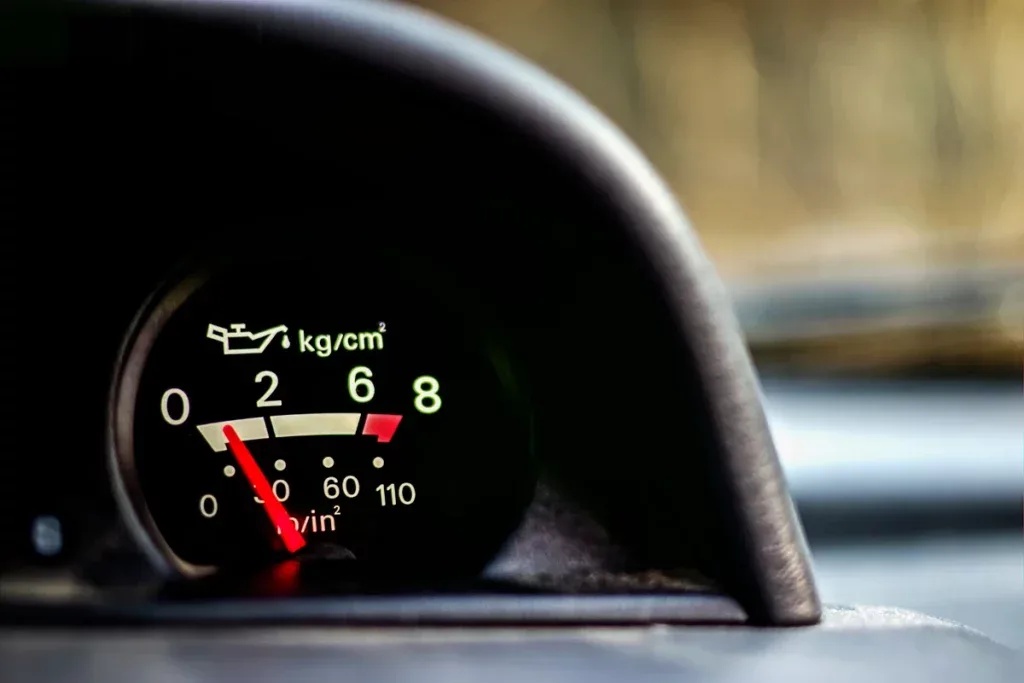
Warm the engine to full operating temp, let it idle, and read the gauge. On most modern engines, hot idle should sit between 20 and 30 psi. Cold start should peak around 60 to 80 psi and drop as things warm up.
If numbers stay low with the new viscosity, the pump or bearings need attention.
Tracking Oil Consumption Over 1,000 Miles
Top the dipstick to the full mark, log the odometer, and drive normally. At 1,000 miles, check again. A drop of less than half a quart means the new grade is doing its job.
If you're still adding more than a quart, the leak or burn is mechanical and won't be solved by another viscosity step.
Watching for New Leaks, Noise, or Rough Cold Starts
Thicker oil sometimes pushes past weak seals it never bothered before. Watch the driveway for fresh drips. Listen for extended crank time or lifter tick during the first 10 seconds of a cold start.
Any of those is a signal you went too thick for this engine and should step back down.
When Thicker Oil Is Masking a Problem You Should Actually Fix
Thicker oil is a bandage, not a repair. Some symptoms it quiets are warning lights for damage that only gets worse.
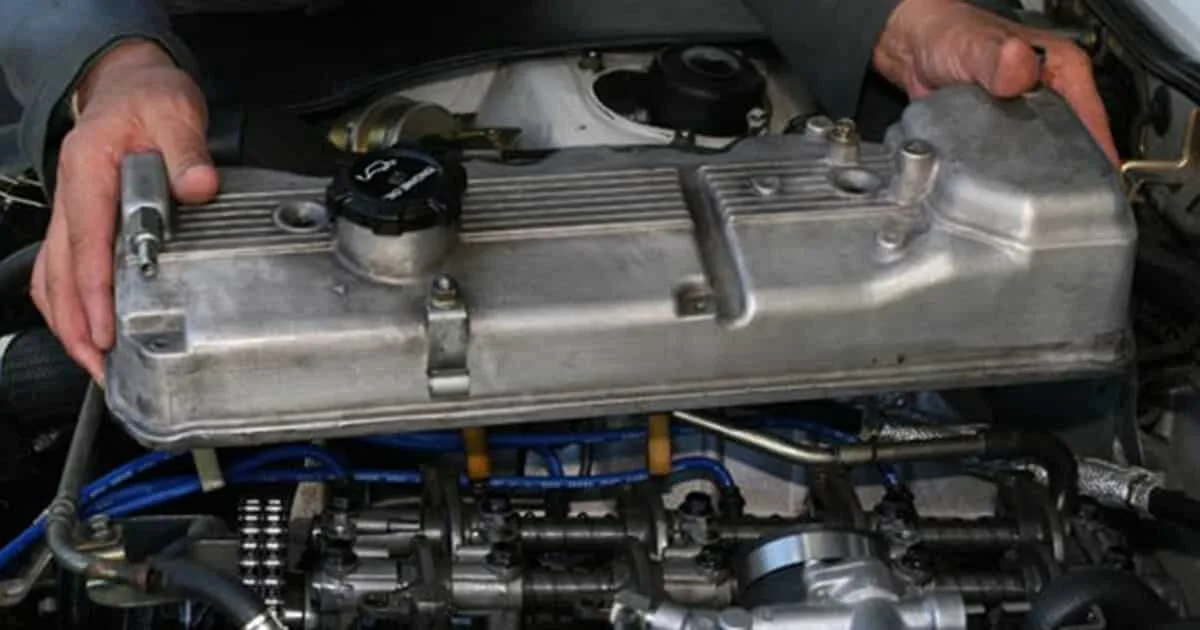
Rod knock, main bearing rumble, and timing chain rattle all soften with heavier oil for a few thousand miles. That's the trap. The parts keep wearing while you feel like the problem is solved.
A blown head gasket, PCV failure that pressurizes the crankcase, or fuel dilution from a leaking injector won't respond to viscosity at all.
If you notice metal shavings in the filter, coolant mixing with oil, or a persistent misfire, park the car and get a diagnosis. A disciplined DIY oil service routine also lets you inspect the drain plug magnet for wear debris. Catch it early and you save the engine.
Cover it with 15W-40 and you lose it slowly.
Expert Tips from Techs Who've Rebuilt Hundreds of High-Mileage Engines
A few habits separate techs who nurse engines past 300,000 miles from the ones chasing the same problems every year.
- Change oil on time, every time. Interval discipline outperforms viscosity choice by a wide margin.
- Run used oil analysis every second change. Labs like Blackstone show wear metals long before symptoms surface.
- Prewarm cold engines with 30 seconds of gentle idle before hard throttle, especially with thicker grades in winter.
- Service the PCV valve every 60,000 miles to keep crankcase pressure and oil vapor in check.
- Match the API SP or ILSAC GF-6 rating your engine calls for. The certification matters more than the brand.
- During a pre-purchase vehicle walkthrough, always pull the oil cap for milky residue and sniff the dipstick for fuel.
Frequently Asked Questions
Does thicker oil really extend engine life?
Only when your engine has symptoms that thicker oil addresses, like measurable oil burn or low hot-idle pressure. On a healthy engine, thicker oil often shortens life by slowing cold flow to the top end. Match the grade to the wear condition, not the mileage on the dash.
Can I use 10W-40 instead of 5W-30 in a high-mileage car?
Sometimes. If your engine burns oil, leaks, or shows low hot-idle pressure, 10W-40 can help in warm climates. In cold weather it delays startup lubrication and stresses the battery and starter.
Check your manual and factor in your winter lows before making that switch.
At what mileage should I switch to high-mileage oil?
There's no fixed number. Most drivers consider it around 75,000 to 100,000 miles, or sooner if leaks or oil burn appear. High-mileage oil in your factory viscosity is the safest first step.
It adds seal conditioners without changing flow characteristics.
Will thicker oil fix an oil leak?
It slows some leaks but never truly fixes them. Heavier viscosity moves past worn seals more slowly. High-mileage additives can swell aged rubber back into shape and buy time.
Any drip from a hard-failed seal still needs a proper mechanical repair.
Does thicker oil hurt fuel economy?
Yes, slightly. Moving one grade up typically costs one to three percent in fuel economy from extra pump load and drag. Whether that trade is worth it depends on the wear problem you're solving.
On a healthy engine, it's pure loss with no gain.
Your Final Decision Guide: Matching Oil Viscosity to Your Engine's Real Condition
Start with what your manufacturer specified. That's the baseline for every engine, high mileage or not. Move up a grade only when your engine tells you to with real data: burning more than a quart per 1,000 miles, hot-idle pressure below 15 psi, blue smoke on cold start, or a small seal leak you don't want to tear the engine down for.
If none of those apply, a high-mileage formula in your factory viscosity is almost always the right call. Skip the thick-oil shortcut on turbo, GDI, and VVT engines unless a trusted tech confirms it. Verify every change with a 1,000-mile consumption check and a hot-pressure reading.
Pair a steady drain-and-fill habit with the right grade, and your engine will outlive most of the trims around it.

Similar Posts