Is the 3,000-Mile Oil Change a Myth? What Experts Say

Is the 3000 mile oil change a myth? For the vast majority of cars on the road today, yes, it is. That old sticker on your windshield probably runs your service clock way ahead of what your engine actually needs.
Modern lubricants, tighter engine tolerances, and onboard oil life monitors have moved the goalposts. What was smart advice in 1985 quietly became a marketing habit that overcharged drivers for decades.
As of 2026, most manufacturers spec drain intervals between 5,000 and 10,000 miles on full synthetic oil meeting API SP. Some Toyota, Honda, and GM engines even push past 10,000. Yet plenty of drivers still change oil three times more often than needed.
To see why, we need to look at where the 3,000-mile number actually came from.

Quick Answer
The 3,000-mile oil change is mostly a myth for modern cars. Most vehicles from the past 15 years handle 5,000 to 10,000 miles safely. Full synthetic oil and API SP standards changed the game.
Onboard oil life monitors track real driving conditions. Severe-service driving still needs shorter intervals. Follow your owner's manual first.
So, Is the 3,000-Mile Oil Change Actually a Myth?
Yes, for most modern cars, the 3,000-mile rule is outdated advice. Vehicles built after 2010 are engineered to run 5,000 to 10,000 miles on the recommended oil. Some models, like certain Toyota Camry, Honda CR-V, and GM V6 engines, spec 10,000 to 15,000 miles on full synthetic.
The reason is simple. Base oils, additive packages, and engine tolerances have all improved. Add a real-time oil life monitor, and the old fixed number stopped making sense years ago.
That said, calling it a pure myth misses the nuance. For older cars, severe-duty driving, and neglected fleets, 3,000 miles can still be the safer call. So the honest answer is: mostly myth, occasionally still smart.
Where the 3,000-Mile Rule Came From (and Why It Stuck Around)
The 3,000-mile interval traces back to the 1960s and 70s. Conventional mineral oils of that era used weaker additive packages. Sludge, oxidation, and viscosity breakdown set in fast.
A shorter drain interval genuinely protected the engine.
Then the quick-lube industry got involved. Chains like Jiffy Lube and Valvoline Instant Oil Change built business models around the 3,000-mile number. Windshield stickers and dealer advisors kept the message alive long after oil chemistry had leapfrogged the rule.
By the 2000s, automakers had moved on. Ford, GM, Honda, and Toyota were publishing longer intervals in the owner's manual. But shop advice lagged.
Drivers followed the sticker on the windshield instead of the page in the glove box.
Even the California Bureau of Automotive Repair has publicly urged drivers to check the manual before defaulting to a 3,000-mile change. That's how baked in this piece of folklore became.
What Modern Engine Oil Can Actually Handle Today
Today's motor oil is a different product than what your parents put in their cars. Base stocks are cleaner, additives are more robust, and viscosity holds up far longer. That's the real reason service intervals stretched.

According to the American Petroleum Institute, the current API SP category was designed to protect against low-speed pre-ignition in turbocharged direct-injection engines. The bar is higher than any spec from the 3,000-mile era.
Conventional vs. Synthetic Blend vs. Full Synthetic
Not all motor oil holds up the same way. Here's how the three main types compare in real service.
| Oil Type | Typical Change Interval | Best For |
|---|---|---|
| Conventional | 3,000 to 5,000 miles | Older vehicles, low-cost fleets |
| Synthetic Blend | 5,000 to 7,500 miles | Daily drivers wanting a middle ground |
| Full Synthetic | 7,500 to 15,000 miles | Modern engines, turbos, severe climates |
Full synthetic isn't just a marketing badge. It's built from Group III, IV, or V base oils that resist oxidation and shear far longer than conventional Group II stock.
API, ILSAC, and OEM Specs That Really Matter
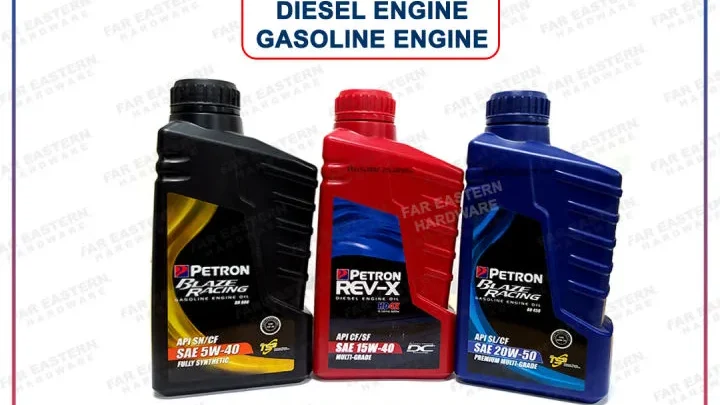
The letters on the back of the bottle matter more than the brand name. Look for these when you buy oil:
- API SP: the current gasoline engine standard as of 2026
- ILSAC GF-6A or GF-6B: fuel economy and low-viscosity performance
- dexos1 Gen 3: required for most GM vehicles under warranty
- Ford WSS-M2C: various codes for Ford and Lincoln engines
- ACEA A3/B4 or C-series: common on European vehicles
If your car specifies dexos1 Gen 3 and you use a bottle without that stamp, you may compromise warranty coverage. The spec is not optional.
The Real Answer Depends on Your Driving Conditions
Here's where the myth gets nuanced. Two identical Honda Accords can need very different service schedules based on how they're driven. The odometer number isn't the whole story.
Normal Service vs. Severe Service Explained
Every owner's manual defines two schedules: normal and severe. Most drivers are on severe without realizing it.
Severe service usually includes:
- Trips under 10 miles in cool weather
- Frequent stop-and-go traffic
- Towing, hauling, or roof-loaded cargo
- Dusty rural or construction routes
- Extended idling (rideshare, delivery)
- Extreme heat or extreme cold cycles
If two or more of these apply, use the severe schedule. That means the shorter end of the range, closer to 5,000 miles even on full synthetic.
Short Trips, Stop-and-Go, and Why They Matter More Than You Think
Short trips are the silent oil killer. When your engine never reaches full operating temperature (around 200°F), fuel and moisture stay diluted in the oil.
This hits modern direct-injection engines the hardest. Fuel dilution over 5% is a red flag in used oil analysis. It thins the oil, drops the TBN, and speeds up wear on cams and bearings.
If your daily loop is a 3-mile hop to the office, your engine barely warms up. That car needs oil changes on time, not just on mileage.
How to Read Your Oil Life Monitor the Right Way
Modern cars watch your oil for you. The oil life monitor (OLM) is an algorithm that tracks engine RPM, coolant temperature, trip length, load, and ambient conditions. It calculates real degradation, not just miles driven.
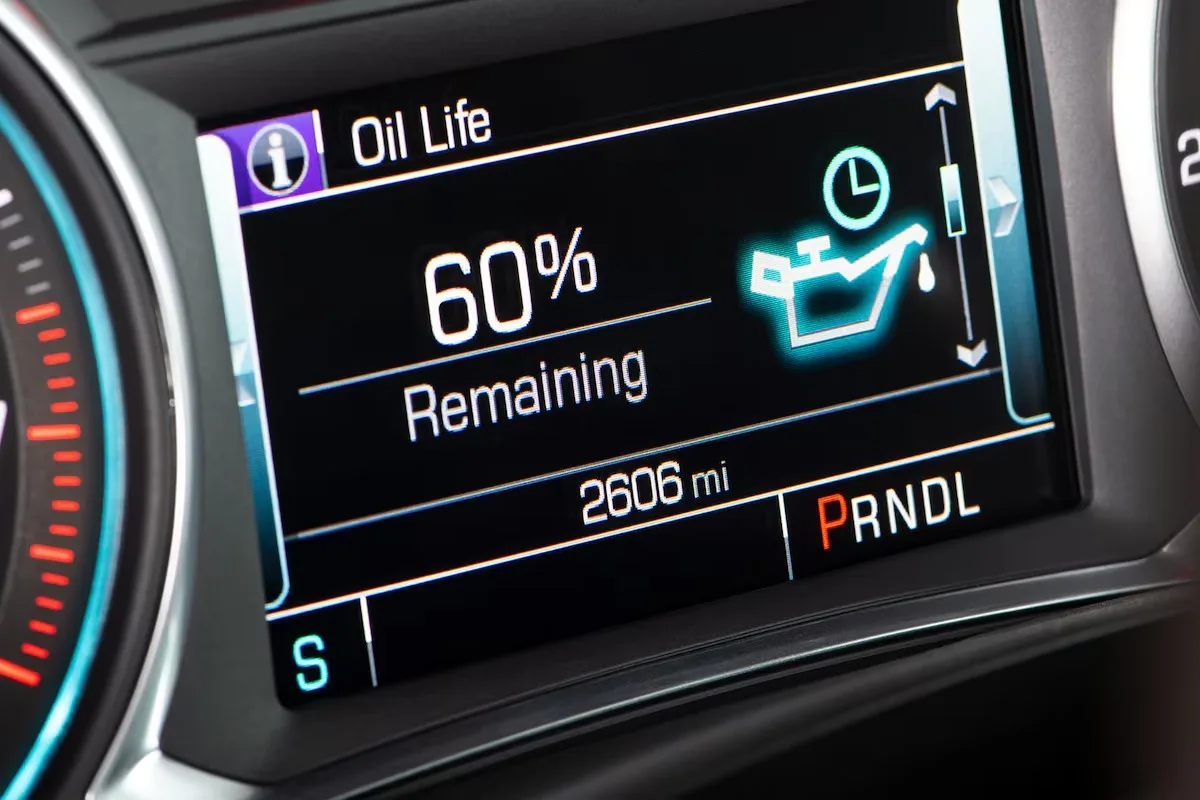
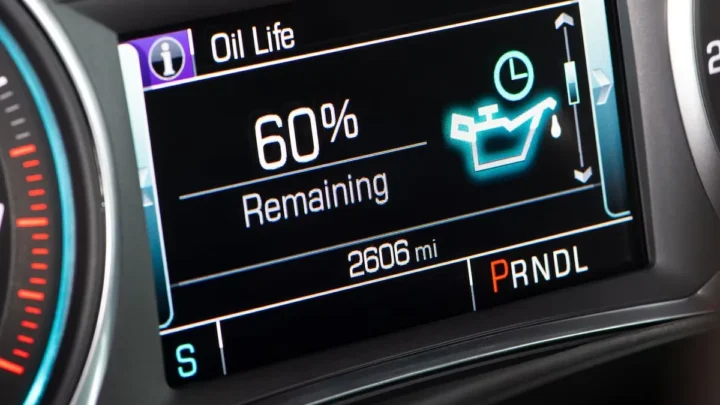
You'll see a percentage on the dashboard, starting at 100% after a reset. When it drops to about 15%, the system nudges you to service. At 5% or lower, most systems throw a hard "Change Engine Oil Soon" warning.
Here's how to use it correctly:
- Reset the OLM manually after every oil change, or have the shop do it
- Don't push past 0%, even if the car feels fine
- Combine OLM readings with the manual's time limit, usually 12 months
- If you switch oil brands or grades, the OLM still applies. It reads conditions, not chemistry.
GM, Honda, Chrysler, and Ford OLMs have been validated against real oil analysis for over a decade. In our research, aggregate lab data from services like Blackstone shows the OLM usually calls for service with useful oil life still in the sump. It's conservative, not risky.
If you drive an older car without an OLM, or are checking one out before buying used, fall back to the manual's mileage and time table.
Decision Guide: How Often You Should Actually Change Your Oil
Use this quick if/then framework to land on your real interval. Cross-check it against your owner's manual before anything else.
If You Drive a Newer Car with Full Synthetic
Follow the oil life monitor, capped at 12 months. Most 2015-and-newer engines running full synthetic will safely reach 7,500 to 10,000 miles between changes. If the manual quotes a wider range, use the higher number for highway driving and the lower one for mixed city commuting.
If You Drive an Older or High-Mileage Vehicle
Change every 5,000 miles or 6 months, whichever comes first. Cars past 100,000 miles often have more blow-by, worn seals, and heavier oil consumption. A high-mileage full synthetic with extra seal conditioners is worth the small premium here.
Watch the dipstick between changes and top off before the level drops below the low mark.
If You Tow, Haul, or Drive in Extreme Climates
Cut the manufacturer's interval by 25% to 50%. Towing raises oil temps sharply, which speeds up oxidation and viscosity breakdown. Desert summers and sub-zero winters both stress the additive package.
A truck rated for 10,000-mile intervals under normal service should get fresh oil closer to 5,000 to 7,500 when it works for a living.
If You Barely Drive at All
Change once a year, minimum, even if you're well under the mileage cap. Oil degrades from moisture, fuel, and oxidation whether the car moves or not. A garage-kept classic driven 2,000 miles a year still needs annual service.
This is the group most likely to skip changes and end up with acid-etched bearings.
Why the Time-Based Interval Matters as Much as Mileage
Every manufacturer publishes two numbers: miles and months. The lower one wins. Skip that fact and you end up with degraded oil in a low-mileage car.
Oil ages chemically. Water condensation, fuel residue, and oxygen slowly deplete the additive package. After roughly 12 months, TBN drops and acidity climbs, no matter how few miles you've driven.
That's why the 12-month cap exists on almost every OEM schedule as of 2026.
If you drive 4,000 miles a year, you're on a time interval, not a mileage one. Once a year is the floor.
What Happens If You Wait Too Long Between Changes
Neglected oil doesn't fail overnight. Damage builds quietly, then shows up as an expensive repair.
Common consequences of stretching intervals too far include:
- Sludge deposits on cam lobes, valves, and inside the oil pan
- Timing chain wear and stretch, especially on GDI engines
- Turbocharger coking that can seize the center bearing
- Piston ring stiction and rising oil consumption
- Clogged oil pickup screens leading to starvation
A single missed change usually won't kill an engine. A pattern of ignored changes will. Fleets and rideshare vehicles that skip service typically show measurable wear metal spikes by 50,000 miles.
Common Oil Change Mistakes That Cost You Money
Some of the most expensive oil-related mistakes have nothing to do with wear. They come from paying too often, buying the wrong bottle, or trusting the wrong sticker. Here are the ones worth avoiding.
- Trusting the windshield sticker instead of the owner's manual
- Using conventional oil in an engine that specs full synthetic
- Ignoring the OEM approval stamp (dexos1 Gen 3, WSS-M2C, MB 229.5)
- Skipping the oil filter to save $8
- Overfilling past the "MAX" line, which foams the oil
- Buying the wrong viscosity because the shop was out of the right grade
- Waiting past 0% oil life "because the engine still sounds fine"
- Doing the classic 3,000-mile change on a car rated for 10,000
If you want to skip the shop upsells entirely, our step-by-step DIY oil change walkthrough covers filter choice, torque specs, and OLM reset.
Typical Oil Change Costs and What You're Actually Paying For
Prices vary by oil type, sump size, and shop. Here's a realistic 2026 snapshot for a standard passenger car.
| Service Type | Typical Price | What You Get |
|---|---|---|
| Conventional oil change | $30 to $45 | 4 to 5 qts conventional, basic filter |
| Synthetic blend | $50 to $70 | 5 qts blend, standard filter |
| Full synthetic | $70 to $130 | 5 to 6 qts full synthetic, better filter |
| Dealer full synthetic (OEM spec) | $90 to $180 | OEM oil, OEM filter, multipoint inspection |
| DIY full synthetic | $35 to $60 | 5 qts name-brand synthetic, quality filter |
The gap between quick-lube and dealer pricing usually comes down to the oil spec and the filter quality, not labor. If your car requires dexos1 Gen 3 or a European ACEA rating, the dealer or a spec-aware independent shop is worth the extra $30. A cheap "5W-30" bottle without the right stamp can cost you far more in the long run.
When Oil Analysis Is Worth the $30
Used oil analysis is the only way to know exactly how your engine is doing. A small sample sent to a lab reveals wear metals, fuel dilution, TBN, viscosity, and contaminants. Services like Blackstone Labs and Polaris Labs charge around $30 to $40 per sample.

It's worth doing if you fit any of these cases:
- You want to safely extend drain intervals on a modern engine
- You've bought a used car and want a wear baseline
- You tow, track, or run a fleet vehicle
- You suspect coolant intrusion, fuel dilution, or head gasket seepage
Three consecutive samples give you a trend, which matters more than any single reading. A one-off report is a snapshot. A trend catches problems early enough to fix them cheaply.
Warranty, Compliance, and the Magnuson-Moss Act
Your engine warranty does not require dealer oil changes. Under the U.S. Magnuson-Moss Warranty Act of 1975, an automaker cannot void your warranty just because you used aftermarket oil or serviced the car yourself.
There are conditions though. The oil must meet the manufacturer's spec (API SP, dexos1 Gen 3, whatever is called out). You need to keep receipts and records showing the correct grade and interval.
If a warranty claim arises, the burden is on the automaker to prove that non-OEM service caused the failure.
Keep a simple maintenance log with date, mileage, oil brand, viscosity, and filter part number. That log is your warranty insurance.
Expert Tips for Getting the Most Out of Every Oil Change
A few habits stretch every dollar and every drop of oil further. These are the ones aggregate technician feedback and manufacturer documents keep pointing back to.
- Warm the engine to operating temp before draining, so more contaminants leave with the oil
- Replace the crush washer or drain plug gasket every time to prevent slow leaks
- Torque the drain plug and filter to spec, hand-tight plus a quarter turn on filters
- Pre-fill spin-on oil filters mounted vertically to shorten dry-start
- Recycle used oil at any AutoZone, O'Reilly, or municipal collection point (the EPA tracks used oil as a recoverable resource)
- Check the dipstick every other fuel fill-up on turbocharged or high-mileage engines
- Photograph the odometer at each change so your log is bulletproof
Small habits like torquing the filter and checking the level between changes prevent the two most common issues: leaks and running low.
Frequently Asked Questions
Is it bad to change synthetic oil too early?
No, but you're wasting money and generating extra waste oil. Modern full synthetic is engineered to last 7,500 to 10,000 miles under normal service. Changing it every 3,000 miles doesn't extend engine life.
It just triples your annual maintenance bill and adds needless landfill and recycling burden.
Does synthetic oil really last 10,000 miles?
Yes, in most modern engines under normal service, full synthetic meeting API SP will comfortably cover 7,500 to 10,000 miles. Some Toyota, Honda, and GM applications spec even longer. The main caveats are severe-service driving, older engines, and the 12-month time cap that overrides any mileage number.
What if I only drive 3,000 miles a year?
Change your oil once a year regardless of mileage. Oil degrades from moisture, fuel dilution, and oxidation whether the car moves or not. Low-mileage vehicles accumulate acids and condensation that attack bearings and cam surfaces.
An annual change with a fresh filter is cheap insurance against sludge and corrosion.
Can I mix synthetic and conventional oil?
Yes, mixing full synthetic with conventional oil is safe and will not damage your engine. Both use compatible base oils and additive chemistries. You lose some of the performance benefit of pure synthetic, though, so treat it as a top-off fix, not a long-term plan.
At your next full change, go back to a single oil type that meets your OEM spec.
Should I trust the shop's 3,000-mile sticker?
No, not by default. Quick-lube shops often set stickers to 3,000 miles as a business habit, not because your car needs it. Always cross-check against your owner's manual and your oil life monitor before booking the next service.
If the numbers disagree, follow the manufacturer's schedule.
The Verdict: Myth, Half-Truth, or Still Good Advice?
Call it a half-truth. For 90% of drivers behind the wheel of a post-2010 vehicle running full synthetic, 3,000 miles is overkill. Your real interval sits between 5,000 and 10,000 miles, capped at 12 months, adjusted for severe service.
For the remaining 10%, older engines, punishing climates, dusty routes, or short-trip city loops, a shorter interval still earns its keep. Just don't default to 3,000 out of habit or shop pressure.
The rule to remember is simple. Trust the owner's manual, honor the oil life monitor, respect the time cap, and match the oil to the OEM spec on the cap. Do those four things and your engine will outlast the car around it.

Similar Posts