Ran Out of Oil? Is Your Engine Damaged or Salvageable
Wondering if your engine is damaged from running out of oil? The short answer is: maybe. It depends entirely on how long it ran dry and under what load.
If you caught the warning light immediately, you likely have minor wear. But silence doesn't guarantee safety.
Internal components rely on a microscopic film of lubricant to prevent metal-on-metal contact. Without it, friction generates intense heat within seconds. Per SAE J300 standards, modern oils maintain viscosity up to 150°C, but dry running spikes temperatures far beyond that limit.
Let's walk through the diagnostic steps to determine your specific risk level before spending money on repairs.
Stop Driving Immediately: The Critical First 60 Seconds
Pull over safely the moment the low-oil pressure light illuminates. Do not attempt to reach home or a shop. Every second of continued operation accelerates damage exponentially.
Turning off the ignition stops the crankshaft rotation, halting further abrasion. This immediate action preserves whatever remaining integrity exists in the bearings and journals.
Many drivers mistakenly think adding oil while driving fixes the problem. It does not. Fresh oil cannot cool already overheated metal instantly.
In fact, pouring cold oil into a hot, starved block can cause thermal shock, cracking heads or blocks. Shut down first. Assess second.
Repair third.
If you are stuck in traffic, engage hazard lights. Move to the shoulder if possible. Never coast with the engine off if you need power steering or braking assistance.
Modern hydraulic boosters fail quickly without vacuum pressure. Keep the car rolling slowly until stopped, then kill the engine. This protocol minimizes collateral damage to transmission and differential gears as well.
Diagnostic Flowchart: Assessing Damage Severity Without Opening the Block
Start by checking the dipstick. Is there any oil left? If the stick reads empty, starvation occurred.
If it reads low but present, you might have suffered partial lubrication failure. Next, listen closely upon restarting (briefly). A rhythmic knocking suggests bearing play.
A high-pitched whine points to accessory belts or pumps. Silence is good, but deceptive.
Consider the duration of the event. Did the light blink for five seconds? Or did you drive for five miles?
Short bursts often result in scored surfaces that smooth out after an oil change. Extended periods cause permanent deformation of soft metals like babbitt. Temperature matters too.
High RPMs generate more heat than idle speeds.
Finally, check for external leaks. Puddles under the car indicate seal failure. Smoke from the exhaust confirms internal burning.
These signs help categorize the severity. Use this logic tree to decide if professional inspection is mandatory or optional.
| Symptom | Likely Cause | Severity Level | Action Required |
|---|---|---|---|
| No noise, normal pressure | Minor starvation | Low | Change oil, monitor |
| Light ticking at idle | Worn lifters/cams | Medium | Professional inspection |
| Deep knocking under load | Spun main/rod bearings | High | Engine rebuild/replace |
| Seized engine, no crank | Catastrophic fusion | Critical | Total replacement |
The Hidden Killers: What Happens Inside During Oil Starvation
Hydrodynamic lubrication fails when the oil film thickness drops below surface roughness peaks. At that point, asperities touch. Friction converts kinetic energy into heat rapidly.
Main and rod bearings, made of softer alloys, wipe away first. This creates excessive clearance. The crankshaft begins to wobble.
Camshaft lobes suffer next. They operate under high pressure with minimal oil flow at certain angles. Scuffing here alters valve timing.
Lifters collapse or stick. This leads to misfires and poor compression. Timing chain tensioners rely on oil pressure to stay taut.
Without it, chains slap against covers. Links stretch or jump teeth.
Piston rings also degrade. They seal combustion gases and scrape excess oil. Dry friction causes ring grooves to widen.
Rings lose tension. Blowby increases, contaminating new oil faster. Cylinder walls score vertically.
These scratches trap debris, accelerating future wear. Even if the engine runs, efficiency plummets. You lose horsepower and fuel economy permanently.
Post-Incident Inspection Protocol: Your Step-by-Step Checkup
Begin with a visual scan. Look for oil spots on the driveway. Check the drain plug for magnetic debris.
Shiny flakes indicate active bearing wear. Dark sludge suggests old contamination. Pull the dipstick again after topping off oil.
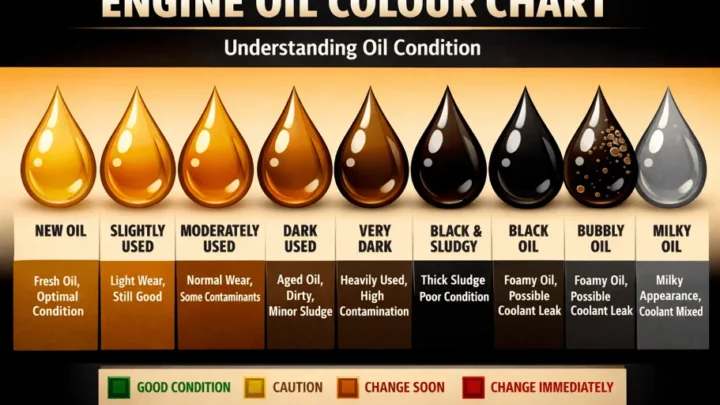
Note the color. Milky residue means coolant intrusion via cracked head gaskets.
Next, perform an audio check. Start the engine cold. Listen for three seconds of rattle.
This is normal as oil fills galleries. Persistent noise after ten seconds is bad. Rev the engine gently in neutral.
Does the noise increase with RPM? Knocking usually worsens. Ticking may remain constant.
Grinding indicates gear or pump failure.
Verify oil pressure mechanically. Install a gauge sender if the dashboard sensor seems unreliable. Idle pressure should exceed 10 PSI.
At 2,000 RPM, expect 40, 60 PSI depending on the model. Low readings confirm pump wear or blocked pickup screens. Clean the screen if accessible.
Replace filters immediately. Run the engine for two minutes max during testing to avoid further heat buildup.
For deeper analysis, consider routine upkeep habits that extend component life. While lawn equipment differs, the principle of clean intake air applies universally to engines. Dirty air accelerates cylinder wear, compounding oil starvation issues.
Ensure your air filter is pristine before assessing engine health.
When to Rebuild, Replace, or Salvage: Cost-Benefit Analysis
Decide based on vehicle value versus repair cost. If the engine replacement exceeds 50% of the car’s market value, scrap it. Used engine swaps typically range from $1,500 to $3,000 including labor.
Rebuilds cost $3,000 to $6,000+. New crate engines hit $8,000 upward.
Minor scoring might be fixed with an hone job and new pistons. This costs less than a full rebuild. However, if bearings spun, the crankshaft journals are likely ruined.
Crank grinding removes material, reducing strength. Full replacement is safer for longevity. Turbocharged engines face additional risks.
Shaft seals burn out easily. Boost leaks develop. Inspect intercoolers and hoses thoroughly.
Warranty claims rarely cover negligence. Manufacturers deny coverage if logs show ignored warnings. Insurance policies exclude mechanical breakdown unless you have specific riders.
Document everything. Photos of the dash light, receipts for tow services, and mechanic notes help legal cases. But realistically, most owners pay out of pocket.
Check your engine servicing records. Consistent maintenance proves due diligence. Gaps in service history weaken any defense.
Know your oil capacity limits. Overfilling causes foaming; underfilling causes starvation. Both destroy engines.
Refer to owner manuals for exact specs. As of 2026, synthetic blends offer better protection than conventional oils during brief starvation events, but they aren't miracle workers.
Evaluate salvage rights. Some parts remain usable. Alternators, starters, and AC compressors often survive.
Strip these before sending the block to a rebuilder. Selling them offsets costs. Transmissions usually fare better than engines because they have separate cooling systems.
Inspect fluid condition separately. Don't assume one failure caused the other without evidence.
Prevention Strategies: Avoiding the Next Near-Miss
Regular oil checks are your best defense against catastrophic failure. Inspect the dipstick weekly, especially on high-mileage vehicles. Look for levels dropping between scheduled services.
A slow leak often precedes sudden starvation. Catching it early saves thousands in repair bills.
Switch to full synthetic options if you drive aggressively or live in extreme climates. Synthetics resist thermal breakdown better than conventional blends. They maintain film strength longer during brief pressure drops.

Similar Posts