How to Dispose of Used Motor Oil Safely and Responsibly
Handling your own oil change at home is the easy part. Knowing how to dispose of used motor oil without breaking a law or poisoning your yard is where most DIY jobs go sideways. A single quart poured on the ground can pollute groundwater for years.
Get the drop-off wrong and your local recycler will refuse the load.
The U.S. Environmental Protection Agency reports that one gallon of used oil can contaminate up to one million gallons of freshwater. That's why every state, as of 2026, treats used oil under strict recycling rules laid out in 40 CFR Part 279.
The good news is that the disposal process itself is free, fast, and pretty forgiving once you know the steps.
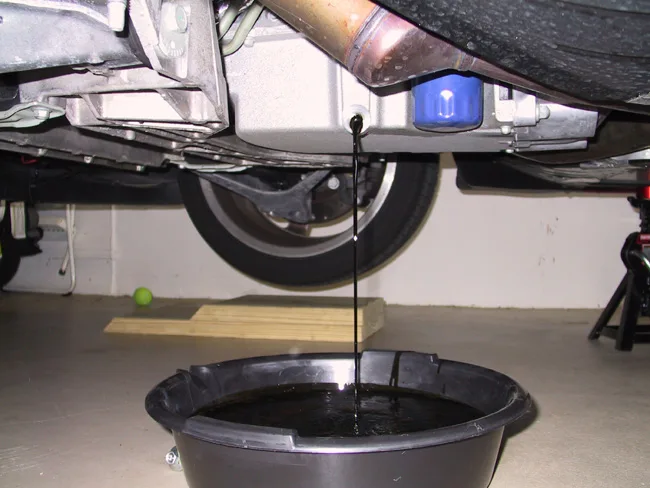
Why Used Motor Oil Disposal Isn't Optional
Used motor oil isn't regular garbage. Federal law treats it as a recyclable resource, and most states flag it as hazardous waste the moment it's mishandled. Pour it down a storm drain and you've triggered a Clean Water Act violation.
Dump it out back and the soil damage can last for decades.
The stakes stack up fast:
- Illegal dumping fines start around $1,000 in most states and climb from there
- Oil that reaches soil can persist for decades and kill vegetation
- Storm drains empty directly into rivers, lakes, or the ocean in most cities
- Trash haulers will refuse leaking bags, leaving you personally liable
The upside is that recycling costs nothing at the drop-off point. Per EPA data, re-refining used oil uses about 85% less energy than refining virgin crude. One gallon of used oil produces roughly 2.5 quarts of new lubricating oil.
The Fastest Legal Way to Get Rid of Used Motor Oil
Pour the used motor oil into a clean, sealed plastic jug. The original oil bottle works best. Cap it tight and label it "Used Motor Oil." Drop it off free at any auto parts store that runs a take-back program.
Most locations accept up to 5 gallons per visit with no purchase required.
What Counts as "Used Motor Oil" (and What Ruins It)
Used motor oil is engine oil drained from a car, motorcycle, boat, mower, tractor, or any combustion engine. That's the entire definition. Recyclers accept it in its normal, dirty, blackened state.
What they won't accept is oil that's been mixed with anything else. The moment used oil touches another automotive fluid, it becomes hazardous waste and needs a different disposal route.
| Contaminant | What It Does |
|---|---|
| Gasoline | Turns oil into flammable hazardous waste |
| Antifreeze | Adds glycol and heavy metals |
| Brake cleaner or solvents | Introduces chlorinated compounds |
| Water | Makes the oil unrecyclable at most sites |
| Transmission fluid | Requires a separate recycling stream |
If any of that happened by accident, call your county household hazardous waste facility before you drive anywhere. Bringing contaminated oil to a normal drop-off almost always earns you a rejection.
Where You Can Drop It Off for Free
Almost every U.S. town has a free drop-off within a short drive. You have three main options, and most areas offer all three.

Auto Parts Store Take-Back Programs
AutoZone, O'Reilly Auto Parts, Advance Auto Parts, and NAPA all run free used oil take-back programs at most locations. Bring your sealed jug to the counter and staff will empty it into a bulk tank out back. The typical cap is 5 gallons per visit.
Call ahead if you also need to drop off a used oil filter, since not every location accepts filters.
Certified Used Oil Collection Centers
State-run Certified Used Oil Collection Centers, known as CUOCCs, accept used oil from the public at no charge. California, Washington, and Oregon publish full CUOCC maps on their state websites. In other states, look under your Department of Environmental Protection or Department of Environmental Quality.
Earth911's ZIP-code locator also pulls up nearby sites in seconds.
Municipal HHW Facilities and Curbside Pickup
Your county or city household hazardous waste (HHW) facility will always accept used oil, and it's the right stop when the oil is contaminated. Some cities like Seattle, Portland, and San Francisco offer curbside used-oil pickup where you leave a labeled jug at the curb on collection day. Rural counties usually run at least one HHW event per year.
Decision Tree: Which Disposal Route Fits Your Situation
Your best drop-off depends on how much oil you have, whether it's clean, and what's actually near you. Use the branches below to pick a route quickly.
If You Have Less Than 5 Gallons
Head to the nearest auto parts store. Free, fast, and no appointment needed. Bring the oil sealed in the original jug and hand it to the parts counter.
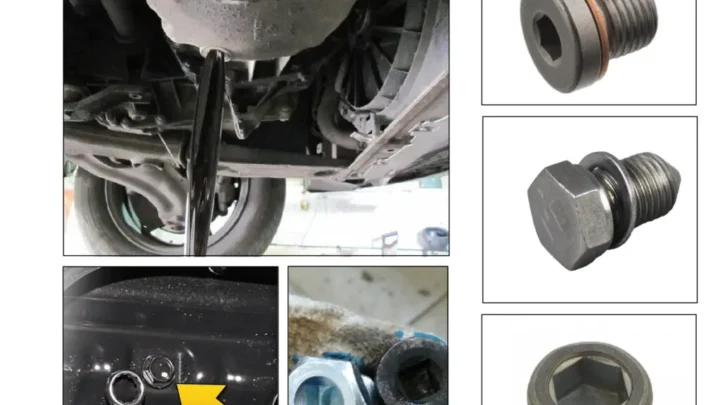
If you also finished the drain plug step with a filter change, bring the filter in a zip-top bag.
If You Have More Than 5 Gallons
Skip the parts store and drive straight to your municipal HHW facility. Larger volumes may require an appointment, and some counties classify anything over 5 gallons as commercial waste. Small fleet operators and farms should call a certified used oil hauler instead.
Haulers pick up on a scheduled route and issue a manifest for your records.
If Your Oil Is Contaminated or Mixed
Do not take it to a parts store. Call your county HHW line and describe exactly what's in the container. They'll route you to a hazardous waste day or a specialty processor.
Never guess or hope the recycler won't notice. A rejection can leave you with a legal problem on top of a full jug.
If You Live Rural or Have No Nearby Facility
Store the oil in a sealed container in a shaded, dry spot until a county HHW event. Most rural counties host at least one collection day each year. Farm co-ops and equipment dealers sometimes accept used oil for their own waste-oil heaters, which is a legitimate reuse pathway.
Ask before you show up with a jug.
How to Prep Used Oil for Drop-Off Without Getting Rejected
Prep is where most drop-offs go wrong. Even a clean driveway oil change can end at a rejection counter if the container fails a quick inspection. Do this once correctly and you'll never get turned away.
Steps that keep your oil accepted:
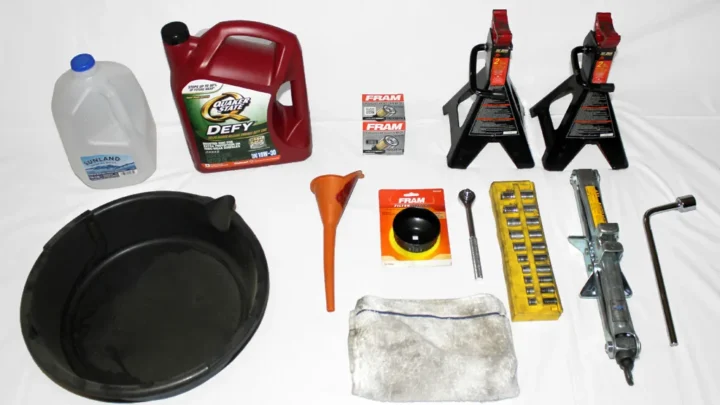
- Drain into a clean pan that has never held anything besides motor oil
- Let the oil cool at least 30 minutes to a safe handling temperature
- Transfer through a funnel into the original oil bottle or another sealable HDPE plastic jug
- Wipe the threads clean before capping so the seal holds
- Cap tight, then flip the jug briefly to confirm no leaks
- Write "Used Motor Oil" on the jug with a permanent marker
Skip the milk jug. HDPE dairy containers weaken under oil contact and can split in your trunk. Any container with a former food label also confuses attendants and gets flagged.
If your drain pan doubles as a parts-washing tray, you've contaminated the load. Buy a dedicated pan for engine oil and keep it on the shelf. A basic oil drain pan runs about $15 at any auto parts store.
What to Do With the Used Oil Filter
Used oil filters still hold four to eight ounces of oil after a hot engine drain. That residual is enough to disqualify the filter as regular trash in most states. Prep it before you take it anywhere.
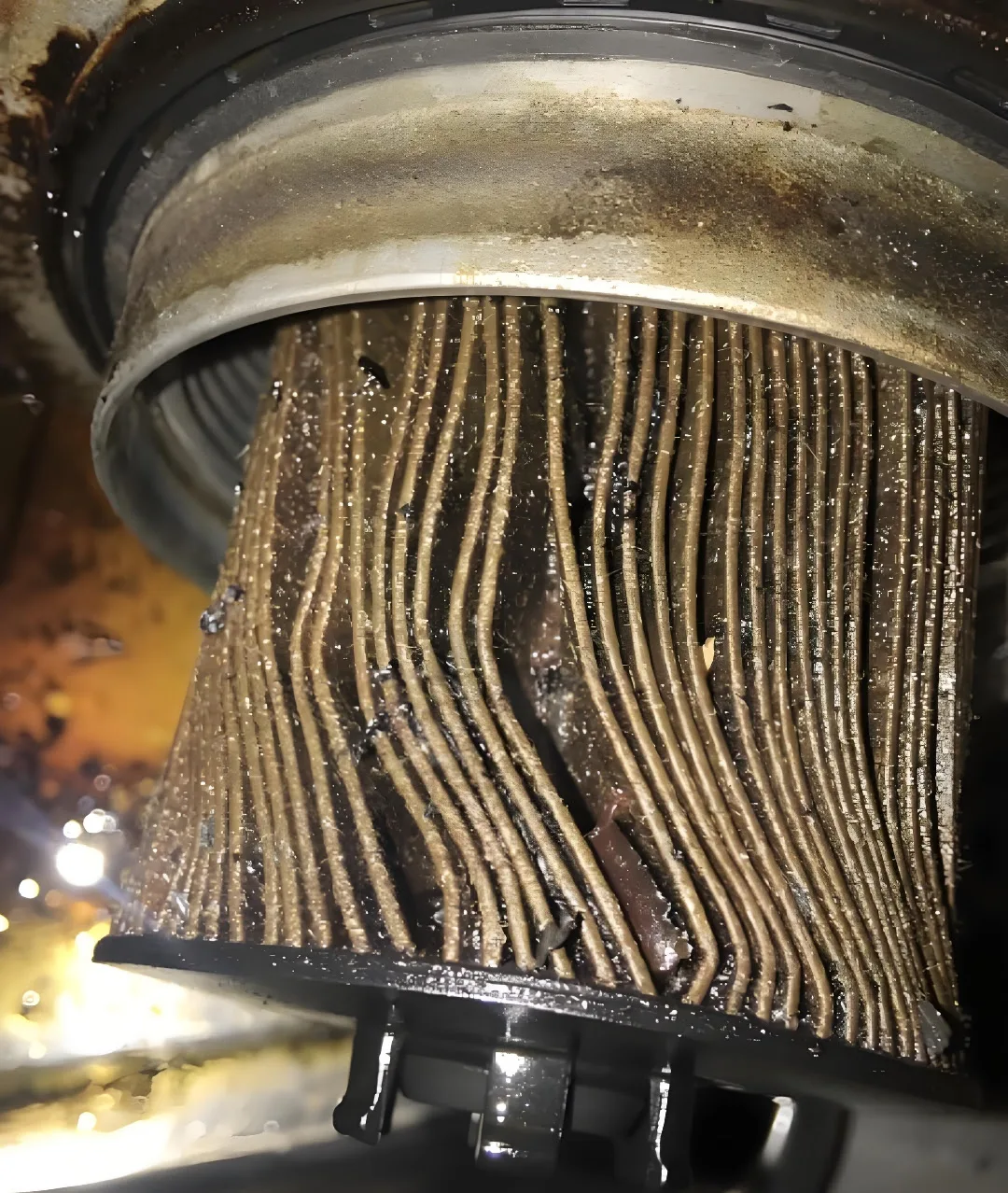
The recommended process:
- Remove the filter over the drain pan and hold it upright until dripping stops
- Puncture the dome or unscrew the base if you have an oil filter crusher
- Invert the filter over the pan for 12 to 24 hours to drain fully
- Once dripping stops, seal the filter inside a heavy-duty zip-top bag
- Take it to any auto parts store or HHW facility that accepts filters
Not every drop-off accepts filters, so call first. AutoZone and O'Reilly locations often take them, but not every NAPA store does. Some counties route filters through HHW only.
Once drained, filters get shredded for steel recycling after the last of the oil is captured.
Storing Used Oil Safely Until You Can Haul It
You don't have to run the jug to a drop-off the same day. Short-term storage is fine when you handle it right.
Follow four rules:
- Keep the jug sealed and upright, never on its side
- Store in a shaded, dry spot away from ignition sources
- Keep out of reach of children and pets
- Cap storage at around six months before the seal weakens
Never store used oil outdoors uncovered. Rain and snow contaminate the load through even a slightly loose cap. Direct sun also degrades HDPE and can crack the plastic over time.
If you inherited an older vehicle and found ancient jugs of oil in the garage, treat them as contaminated until proven otherwise. That mindset mirrors a proper pre-purchase vehicle check, where anything questionable gets flagged early. Bring the mystery jugs to HHW rather than a parts store.
Basements are a poor storage choice. A leak there often reaches a floor drain that connects straight to the sanitary sewer, which triggers a Clean Water Act violation.
Transporting Used Oil the Right Way
Transporting a full jug of used oil is legal for private, non-commercial use. Federal DOT rules exempt small personal quantities. State and local rules are what you actually need to follow.
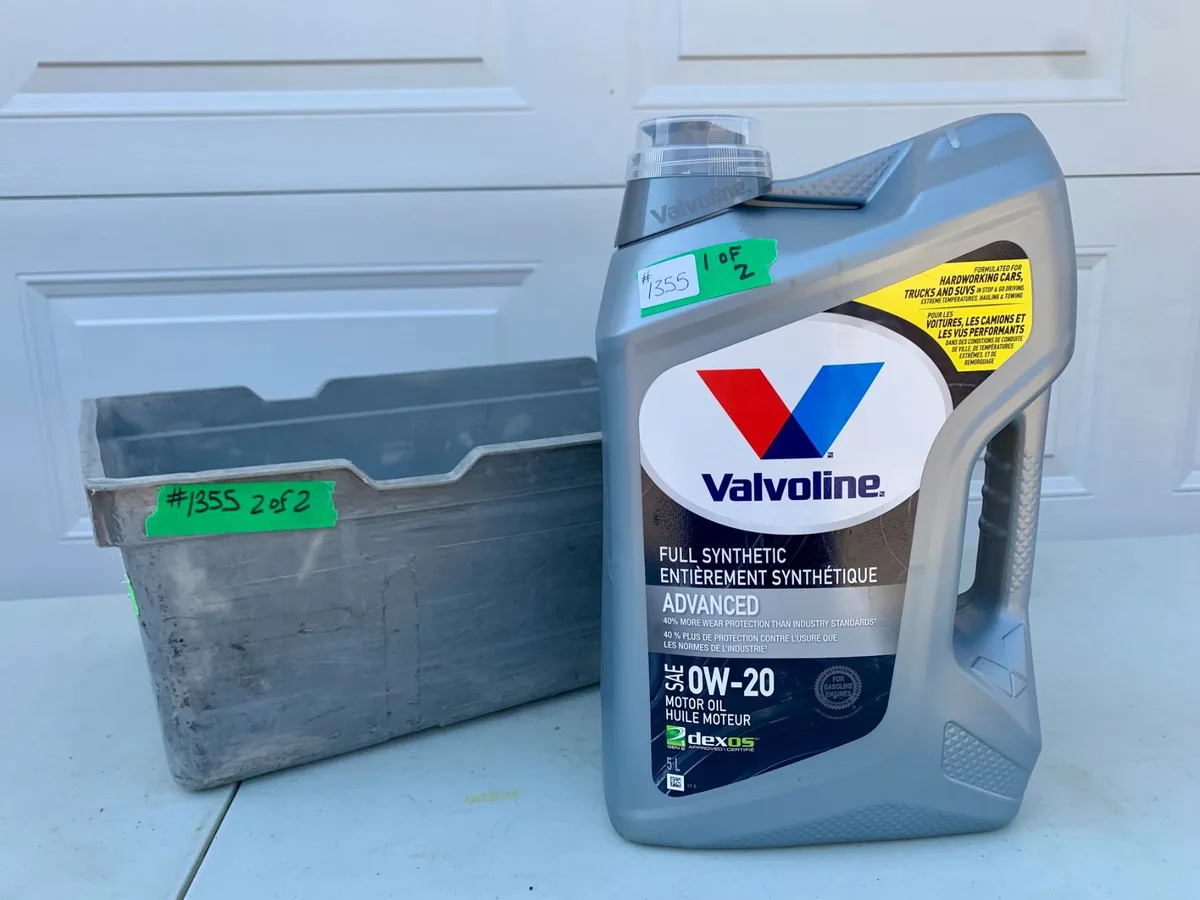
The practical checklist:
- Place the jug inside a plastic tote, milk crate, or cardboard box to catch drips
- Add a shop rag or oil-absorbent pad in the container as insurance
- Keep the jug upright the whole ride, never on the passenger seat where a hard stop can tip it
- Avoid leaving oil in a hot trunk any longer than the drive itself
- Bring only the volume the drop-off will accept per visit
Fleet operators, farms, and shops move under different rules. Anything over 55 gallons at once, or any commercial move, triggers hazardous materials handling requirements. Hire a certified used oil hauler when you cross that line.
Never mix multiple jugs together for the ride. If one has contaminated oil, you've contaminated all of them.
Costly Mistakes That Turn Recyclable Oil Into Hazardous Waste
The most expensive errors happen at the small-decision level. Any one of these can convert a free drop-off into a hazardous waste ticket.
Mistakes to avoid:
- Pouring engine oil and transmission fluid into the same jug to save trips
- Rinsing your drain pan with brake cleaner between oil changes
- Storing the jug next to antifreeze where a cross-leak can contaminate both
- Adding a splash of gasoline to "thin" thick, cold oil
- Reusing a former antifreeze jug as your storage container
- Leaving the cap loose so condensation drips inside overnight
Water contamination is the sneakiest one. A cap that isn't fully seated lets in moisture, and the recycler spots the layer at the bottom of the jug instantly. Once flagged, the whole container becomes hazardous waste and you'll pay the disposal fee.
Cross-contamination through shared tools ranks second. If you use one funnel for coolant and oil, buy a second funnel. That $3 investment protects the entire recycling load.
Federal and State Rules You Should Know (EPA 40 CFR Part 279)
The federal framework sits in 40 CFR Part 279. It classifies used oil as a recyclable material, not automatic hazardous waste, as long as you don't mix it with listed hazardous chemicals. That single rule shapes every drop-off program in the country.
States layer their own rules on top:

Similar Posts