Grinding Noise When Braking at Low Speeds: Causes
You hear it the moment you ease off the gas in a parking lot: a sharp metallic grind every time you tap the brake pedal at low speed. What causes grinding noise when braking at low speeds is rarely one single issue, and guessing the wrong fix can turn a cheap repair into a ruined rotor. Most low-speed brake grinds trace back to just a handful of specific conditions.
You need to know which one you have before you drive another mile.
New brake pads typically start around 10 to 12 millimeters thick, and most manufacturers call for replacement once material hits 2 to 3 millimeters. Anything thinner risks metal-on-metal contact that eats through rotors fast. Per FMVSS 135 testing standards set by NHTSA, brake performance must meet strict stopping-distance requirements.
Worn friction material is a safety issue. The next section gives the direct answer.
What Causes Grinding Noise When Braking at Low Speeds
Grinding noise when braking at low speeds usually comes from worn brake pads. Surface rust on the rotors can cause a similar sound. That rust grind typically fades after a few stops.
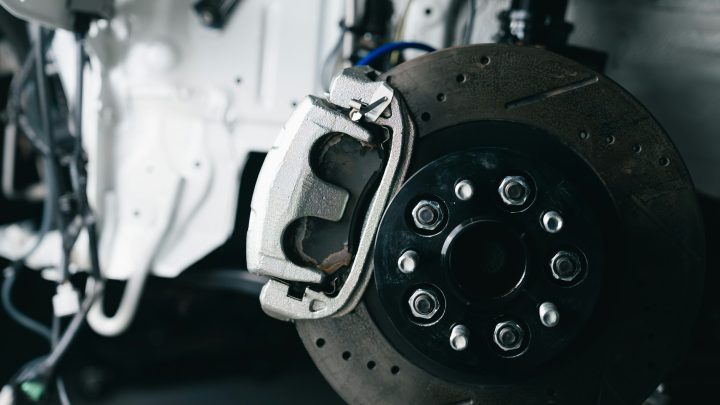
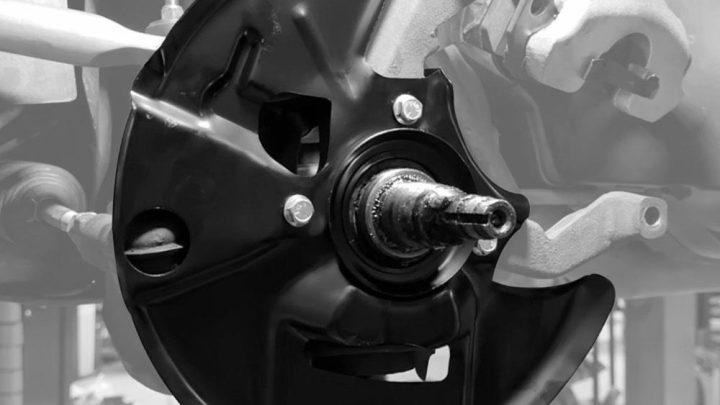
A bent dust shield or trapped stone creates a metallic scrape. Constant metal-on-metal grinding means pads are worn to the backing plate.
The Three Questions That Pinpoint Your Grind

When Does the Grind Occur
A grind heard only on the first few stops of the day is usually surface rust, not worn pads. The noise burns off as the pads sweep the rotors clean. A sound that stays constant from cold to hot braking points to mechanical wear or a seized component.
If the grind appears only after the car sits in rain or humidity, rust is the likely cause. Cold starts after overnight parking are the most common trigger.
Where Is the Noise Located
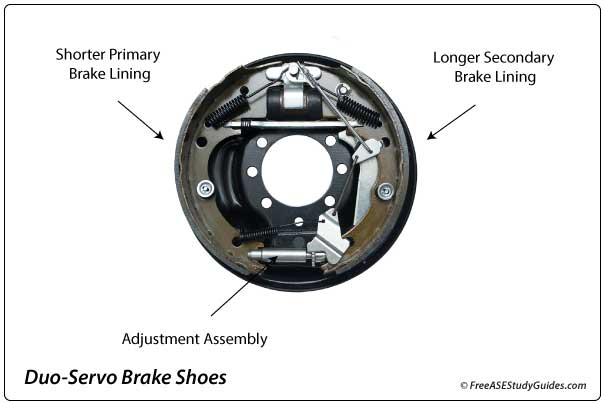
Front brake grind is common because front rotors handle most of the vehicle's stopping energy. Rear brake grind often involves the parking brake mechanism or drum hardware on vehicles with rear disc brakes. Noise from just one corner suggests a local problem such as a stuck caliper, bent dust shield, or trapped stone.
Both sides grinding at once usually indicates pad wear or rust across the axle. A stuck caliper usually affects only one side, while pad wear hits both.
What Does the Grind Sound Like
A scrape that matches wheel rotation usually means metal contacting the rotor face. A rhythmic pulse that speeds up and slows down with vehicle speed points to rotor runout or warping. A constant metal-on-metal howl means the pad backing plate is touching the rotor directly.
Each sound pattern sends you down a different repair path. Trust your ears before you trust a generic estimate.
Cause #1: Rust Film on the Rotors (The Benign Morning Grind)
Why It Happens After Rain, Humidity, or a Car Wash
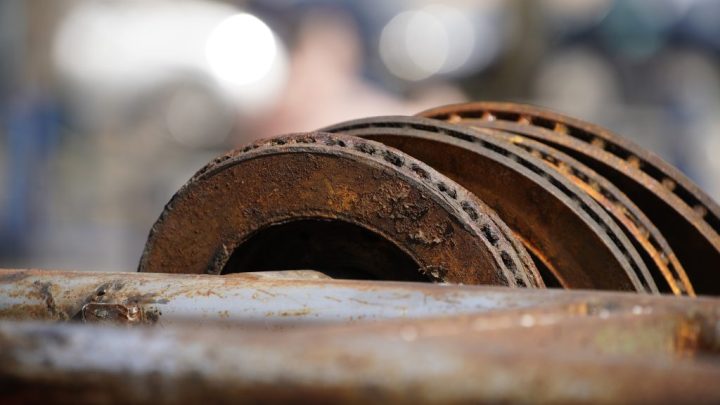
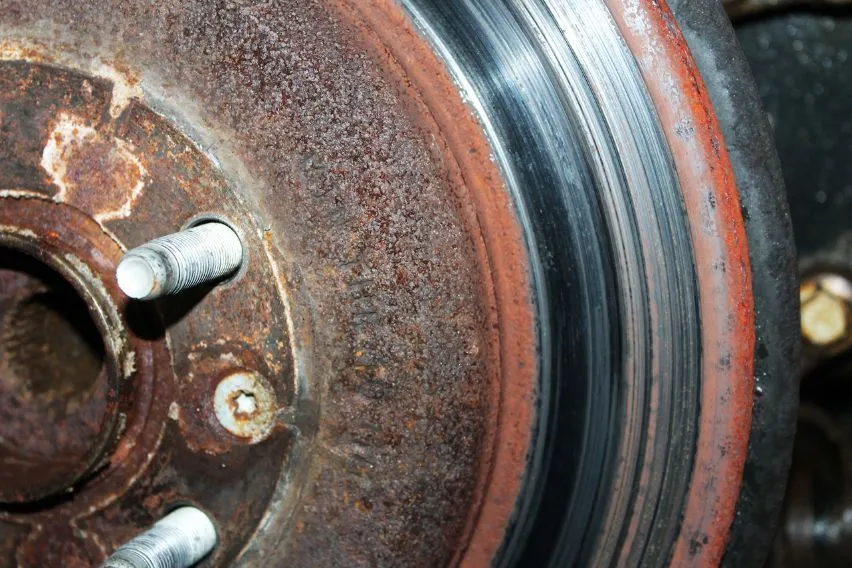
Brake rotors are bare iron, so they develop surface rust within hours of moisture exposure. When you drive the next morning, the pads scrub that rust off the rotor face and create a grinding sound. This type of grind is normal and expected after rain, car washes, or humid nights.
It affects virtually every vehicle with exposed disc rotors. The reddish film wipes off easily with a clean rag.
The Burnish Test: Does the Grind Fade in 3 to 10 Stops?
Perform the test by making three to ten gentle low-speed stops in a safe area. If the grind fades as the pads clear the oxidation, you have surface rust and nothing is broken. If the sound stays loud or worsens after those stops, the cause is not rust film.
This test takes less than two minutes and costs nothing. Use an empty parking lot or quiet street for the test.
When Rust Grind Stops Being Harmless
Surface rust is harmless, but deep pitting on the rotor face is not. If the rotor shows scoring or the grind returns every morning without fading, moisture has caused corrosion that needs inspection. Do not ignore a grind that persists for weeks and appears regardless of weather.
That pattern points to wear, not oxidation, and it will damage the rotor if you keep driving. Severe rust can pit the rotor surface beyond light resurfacing.
Cause #2: Worn Pads Down to the Backing Plate
Reading Pad Thickness at the 2 to 3 Millimeter Mark
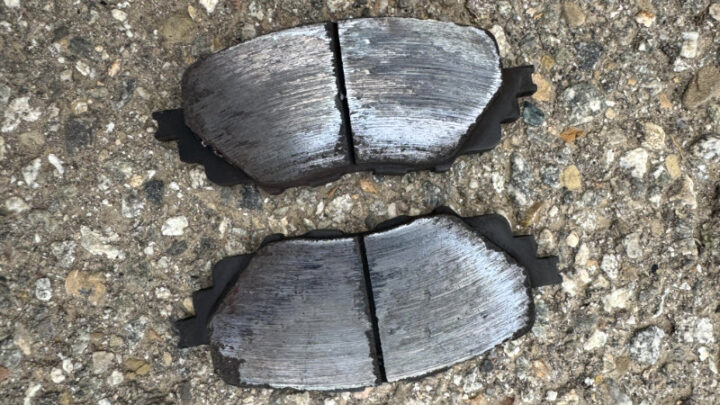
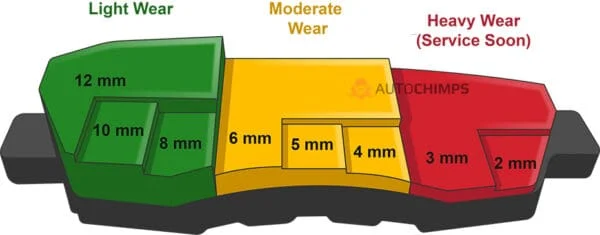
New pads typically start around 10 to 12 millimeters thick. Manufacturers generally call for replacement once friction material reaches 2 to 3 millimeters. At that point the metal backing comes close to the rotor and creates a grinding sound every time you brake.
You can sometimes estimate thickness by looking through the wheel spokes with a flashlight. Order the correct set by checking your vehicle's build details first. A precise measurement requires removing the wheel and using a brake pad gauge.
What the Wear Indicator Tab Is Telling You: Squeal Versus Grind
A metal wear indicator tab scrapes the rotor when pads get low, producing a high-pitched squeal first. Once the pad material disappears completely, the backing plate grinds directly against the rotor and the sound changes to a harsh metal noise.
Squeal is an early warning. Grind means damage is already happening. Do not wait for the grind to schedule service.
The difference between the two sounds is the difference between a cheap pad swap and a rotor replacement.
Why Continuing to Drive Scored Rotors Turns a Cheap Job Into an Expensive One
Driving on metal-to-metal pads cuts grooves into the rotor face that a shop cannot always resurface. Once the rotor falls below its minimum thickness stamp, replacement is the only safe option.
A pad-only job might cost a few hundred dollars, while pads plus rotors and labor can climb much higher. Replacing pads early protects the rotors and saves money. Every extra thousand miles on worn backing plates increases the chance you need new rotors too.
Cause #3: Seized Calipers, Dragging Brakes, and Stuck Parking Brakes
Slide Pin and Piston Failure: The Constant Grind That Won't Quit
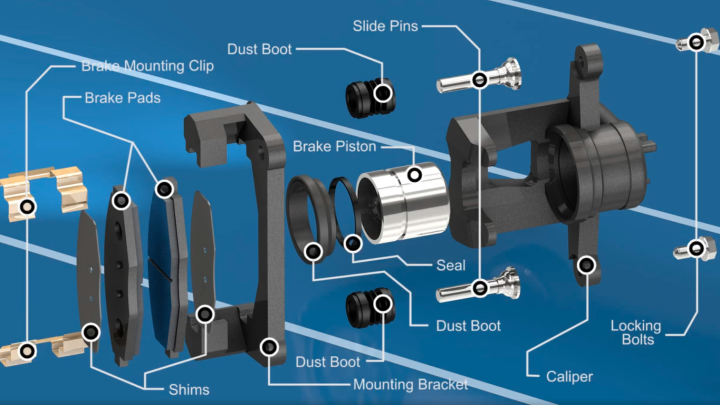
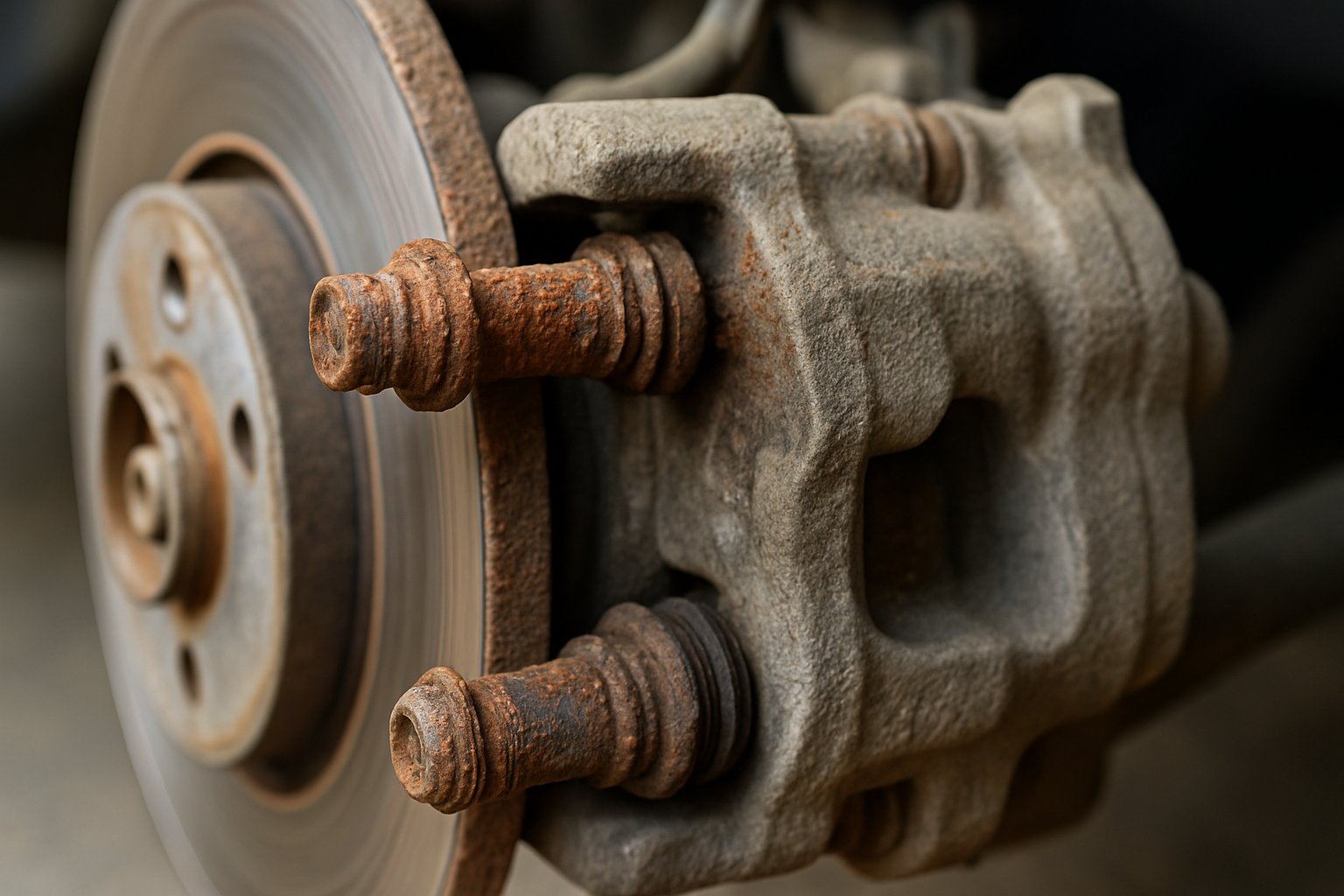
Caliper slide pins and pistons can seize from corrosion or dried-out lubricant. When they stick, the pad does not release fully and drags against the rotor even when your foot is off the pedal.
This creates a constant grind that does not fade with driving. The affected wheel often feels warm or hot after a short trip. Lubricating the slides during a pad job prevents this failure from coming back.
Rear Brakes and Electronic Parking Brakes: Why They Seize More Often
Rear brake assemblies see less daily use than front brakes, which lets corrosion build on hardware and cables. Electronic parking brake actuators can also fail to release fully on some models, leaving the pads in light contact with the rotor.
Both scenarios produce a low-speed grind that is easy to miss until wear becomes severe. Manufacturer service mode is often required before working on these systems. A technician might check the ABS wheel speed sensor with a multimeter before condemning the brake hardware.
Checking for a Hot Wheel After a Short Drive
Drive the car for a few minutes at moderate speed, then carefully hold your hand near each wheel without touching it. A dragging brake generates noticeable heat at one corner while the others stay cool. This simple check helps confirm a stuck caliper or parking brake before you remove any wheels.
If one wheel is significantly hotter, inspect that brake immediately.
Cause #4: Rotor Damage, Runout, and Surface Scoring
Pulsing Grind: The Rhythmic Sound That Matches Wheel Speed
A grind that pulses in rhythm with wheel rotation points to rotor runout or surface damage. As the high spot on a warped rotor passes the pads, it scrapes harder and produces a repeating grind. You'll often feel a matching pulse through the brake pedal at the same time.
The faster you drive, the quicker the pulse.
Minimum Thickness Specs and Lateral Runout Tolerances
Manufacturer specifications stamp the minimum rotor thickness on the rotor hat itself, usually a few millimeters under the new dimension. Lateral runout tolerance typically sits at or below 0.05 mm on most passenger vehicles. A rotor worn past its discard spec cannot safely be resurfaced.
Our research shows many shops check runout with a dial indicator before recommending replacement.
When Resurfacing Works and When You Replace
Resurfacing works when the rotor has enough material left above the minimum thickness spec and the damage is shallow. Replacement wins when scoring is deep, thickness is near the discard limit, or the rotor shows heat cracks. If you're unsure which route fits your car, price both options before committing.
Cause #5: Bent Dust Shields, Trapped Stones, and Loose Hardware
The Cheap Fixes People Miss Before Booking a Shop
A bent dust shield scraping the rotor produces a loud metallic grind that sounds far worse than it is. A small stone wedged between the shield and rotor does the same. Both fixes cost nothing to a shop that knows what to look for.
Check these first before you assume the pads are gone.
Why Grind After a Tire Rotation or Curb Strike Points Here
If the grind started right after a tire rotation, suspect a dust shield bent during the service. If it started after a curb hit or pothole, the same shield or a loose caliper bracket is likely. These noises are usually the cheapest to fix and the most common after recent work.
Pull the wheel and look for the missing clearance.
Anti-Rattle Clips, Shims, and Missing Springs
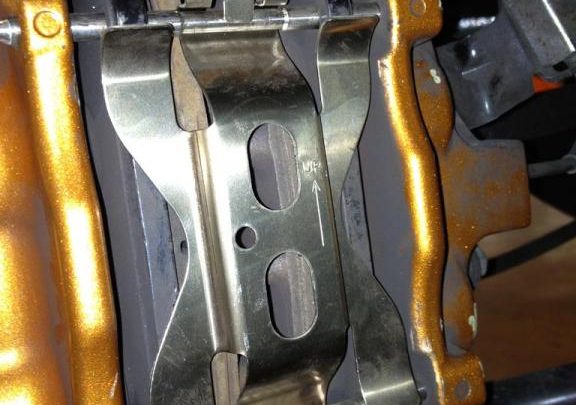
Loose or missing anti-rattle clips let the pad rattle against the rotor at low speed. Shims and springs keep pad movement controlled under light braking. If a clip has fallen off, the pad can shift and produce a metallic tick-grind at walking pace.
A brake hardware kit restores the missing pieces for very little money.
Cause #6: It's Not Your Brakes (Wheel Bearings and CV Joints)
Grind That Changes When You Turn (Bearing Load Test)
Does the grind get louder when you turn the wheel one way? If yes, you likely have a failing wheel bearing, not a brake problem. A worn hub bearing rumbles and grinds under cornering load because the internal races shift.
Brake grind does not care which direction you turn. That single difference is the fastest way to separate the two.
Clicking Versus Grinding at Low Speed: CV Joint Clues
Clicking on tight low-speed turns points to a worn outer CV joint, and grinding on acceleration points to the inner joint or a worn axle. CV noise usually shows up while turning or pulling away, not during steady braking. If your grind only appears when braking, the brakes are still the prime suspect.
A quick visual check of the axle boots confirms torn grease seals.
Why This Misdiagnosis Costs the Most
Replacing brakes when the real fault is a wheel bearing wastes money and delays a safety repair. A failed bearing can seize at speed. A failed CV joint can strip splines and leave you stranded.
Get the diagnosis right before you buy a single brake part, because the wrong fix just moves the noise down the road.
How to Diagnose Your Grind: Step-by-Step
The Road Test Protocol: Low-Speed Stops, Reverse, and Gentle S-Turns
Start with a quiet stretch of road and make a series of low-speed stops from around 10 mph. Note whether the grind fades, pulses, or holds steady. Repeat in reverse to load the rear brakes and parking mechanism.
Then do gentle S-turns to load the bearings. Write down the pattern before you touch a wrench.
Wheel-On Visual Checks You Can Do in Your Driveway
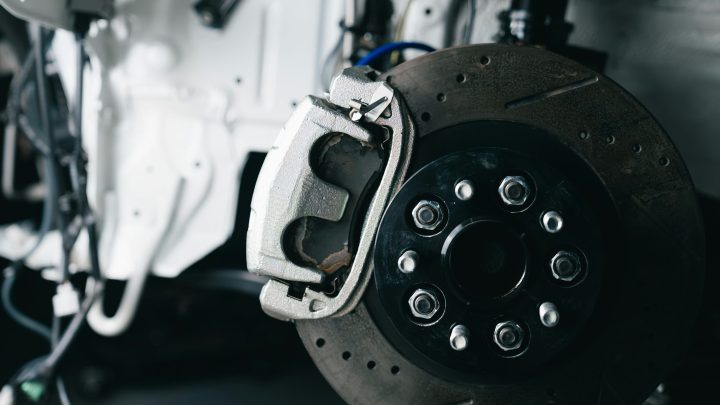
Look through each wheel's spokes with a flashlight and check pad thickness on the visible side. Inspect the rotor face for deep grooves, rust pitting, or a blue heat tint. Check the dust shield for obvious bends or stones.
This pass takes ten minutes and often reveals the answer. According to brake system guidance from NHTSA, worn friction material is a safety concern you shouldn't defer.
What Needs a Jack, a Lift, and a Torque Wrench
Anything beyond a visual check needs the wheel off and the car safely on stands. Torque values for caliper brackets and lug nuts come from the manufacturer's service manual, not guesswork. Torquing the lug nuts with a proper automotive multimeter style of precision isn't the tool here, but a good torque wrench absolutely is.
Continue with the wheel-off inspection by checking for caliper slide movement and pad wear pattern. Compare inner and outer pads. If the inner pad is worn far thinner than the outer, the caliper is dragging.
That detail alone decides whether you replace just pads or service the whole caliper.
Then check the rotor for scoring depth and confirm it still clears its minimum thickness stamp. Measure runout with a dial indicator if you own one. If runout exceeds about 0.05 mm, plan for a new rotor rather than a resurface.
One more tip that saves plenty of wasted trips: keep a basic diagnostic tool on hand for the electrical side of the job. A good multimeter helps you test an ABS wheel speed sensor and confirm a dragging brake fault isn't hiding in the electronics, and our roundup of reliable meter picks covers what you actually need.
Finish the diagnosis with a hot-wheel check after a short drive. Comparing corner temperatures confirms whether one brake is dragging. That final check ties the whole workflow together.
Mistakes to Avoid and What a Grind Really Costs
The Dangerous Assumption That It Went Away So It's Fine
A grind that fades after a few stops is usually harmless surface rust, but a grind that comes back every trip is not. Never treat a disappearing noise as proof the brakes are healthy. Worn pads do not self-heal, and a seized caliper will only get worse.
Rust film burns off. Pad wear does not.
The Cost of Ignoring a Grind Until Rotors Are Unsaveable
Aggregate repair data shows a pad-only job often runs a few hundred dollars per axle, while pads plus rotors and labor can easily double that. Driving on metal-to-metal pads for a few extra weeks is what tips the bill upward. Replacing pads early is the cheapest brake service you can buy.
Here's a quick cost picture to keep in mind:
| Repair Path | Typical Cost Per Axle | Typical Cause |
|---|---|---|
| Rust burnish or debris clear | $0 | Surface rust, trapped stone |
| Pad replacement only | $150 to $350 | Worn pads, rotors still in spec |
| Pads plus rotors | $300 to $800+ | Scored or below-spec rotors |
| Caliper or bearing service | $400 to $900+ | Seized caliper, worn bearing |
A diagnostic fee of roughly $50 to $150 is common and often credited toward the repair. That fee is not wasted money. It stops you from buying the wrong parts.
When to Stop Driving and See a Shop Immediately
Metal-on-Metal Symptoms You Shouldn't Ignore
Stop driving normally and limit use to a slow trip to a shop if you hear a constant harsh grind, feel the pedal pulse heavily, or see brake fluid weeping at a wheel. Braking distance rises fast once the backing plate is grinding. Continuing to drive risks rotor failure and a much larger repair bill.
The Settings to Respect Before You Touch Anything Yourself
Brake fluid absorbs moisture over time, which lowers its boiling point and degrades braking under heat. Some manufacturers call for a fluid flush roughly every two to three years. Many modern cars with electronic parking brakes need a diagnostic service mode engaged before the rear calipers can be retracted.
Doing this wrong can damage the actuator. Respect manufacturer torque values, flush intervals, and service modes, because the brake system is a primary safety system and shortcuts here are never worth the risk. Better a paid inspection than a roadside failure.
Preventive Maintenance That Stops the Grind Coming Back
Drive the Car More Often If It Sits
Infrequently driven cars develop rust film faster than daily drivers. A short weekly drive of 20 to 30 minutes lets the brakes burn off moisture before it pits the rotors. Weekend cars and second vehicles are the worst offenders here.
A monthly low-speed burnishing run keeps the rotor faces clean.
Inspect Brakes on a Schedule, Not on a Noise
Manufacturer schedules typically call for a brake inspection every 10,000 to 12,000 miles or once a year, whichever comes first. A technician checks pad thickness, rotor condition, caliper slide function, and fluid level during that visit. Catching pads at 3 mm saves the rotors.
Catching them at 1 mm usually doesn't.
Lubricate the Slides and Hardware Every Pad Job
Caliper slide pins and anti-rattle clips need high-temperature brake lubricant at every pad change. Dried-out slides are the number one cause of a dragging caliper. That drag turns into uneven pad wear, heat, and eventually the constant grind we covered earlier.
A tube of brake grease costs a few dollars and prevents a costly replacement.
Keep the Fluid Fresh and the Hardware Clean
Brake fluid absorbs moisture over time, and a two to three year flush protects the whole system from internal corrosion. When pads are replaced, clean the caliper bracket and check every spring, clip, and shim. A missing anti-rattle clip is a cheap, easy fix now and a mystery noise later.
Small maintenance habits are what keep a brake system quiet for the long haul.
Maintenance matters most on the vehicles that see the hardest conditions. Salt-belt cars, coastal cars, and stop-and-go commuters wear hardware faster than a garage-kept highway car. Our breakdown of engine maintenance habits that extend life follows the same principle: fix the small things early.
Whether you drive a inline-six cruiser or a compact commuter, brake upkeep is the same story.
If you're planning to inspect pads and sensors yourself, keep a basic meter handy to test the ABS wheel speed sensor circuit while the wheel is off. Our guide to picking a workshop-grade meter explains what features actually matter for this job. It slots neatly into the same brake-service workflow.
Frequently Asked Questions
Why does my car grind only in the morning?
Morning grind is almost always surface rust on the rotors. Moisture in the air oxidizes the bare iron overnight, and the pads scrub it off on the first few stops. If the noise fades within 3 to 10 stops, nothing is broken.
If it stays loud all day, get the pads checked.
Why does it grind when braking in reverse?
Reverse braking loads the rear brake hardware and often the parking brake mechanism. A dragging rear caliper or a stuck parking brake shoe will grind louder in reverse. A trapped stone between the dust shield and rotor can too.
Check rear pad wear and parking brake release first.
Can I drive with grinding brakes?
A grind that fades after a few stops is usually safe to drive on for a short while. A constant metal-on-metal grind is not. That sound means the backing plate is eating the rotor, and braking distance is already worse.
Stop driving normally and get it inspected.
Why did the grind start right after new brakes were installed?
A post-service grind usually comes from a bent dust shield, a missing anti-rattle clip, or pads that haven't bedded in yet. A small stone trapped during the work can also cause it. Take it back to the shop, because a proper install should not produce a persistent grind.
Does grinding always mean I need new rotors?
No, grinding doesn't always mean new rotors. If the pads wore out recently and the rotor face is still smooth and above minimum thickness, resurfacing or a pad-only job can fix it. Once the rotor is scored, warped, or below the discard spec, replacement is the only safe option.
Similar Posts